Craft
March 2, 2026•12 min read•ScreenWeaver Editorial Team
The Loneliness of the Long-Distance Screenwriter
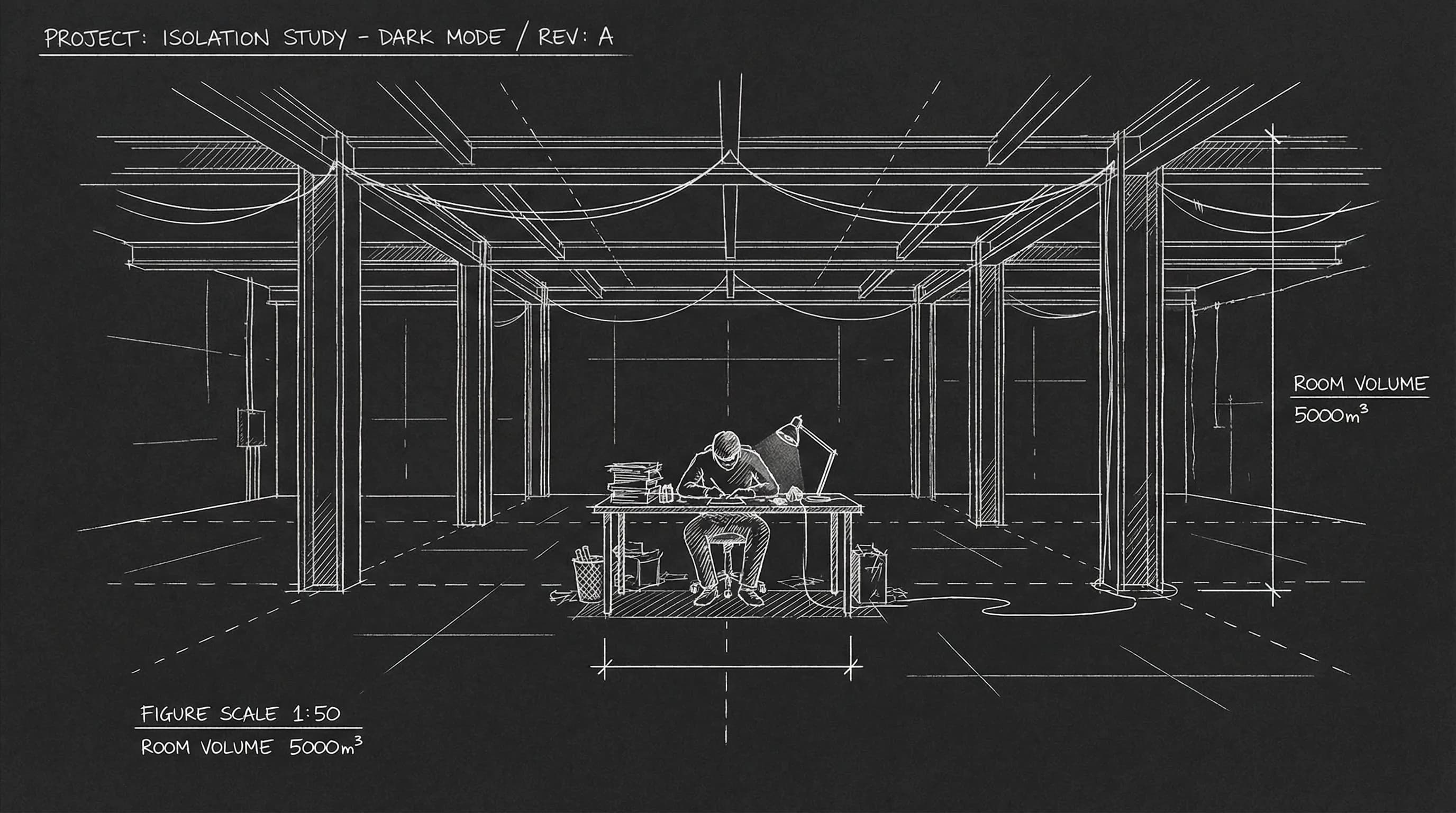
Finding a community when you write alone. Why it matters and how to find your people.
The Loneliness of the Long-Distance ScreenwriterDeep dives into modern screenwriting, visual storytelling, and how AI is reshaping the creative process.
Categories
Finding a community when you write alone. Why it matters and how to find your people.
The Loneliness of the Long-Distance Screenwriter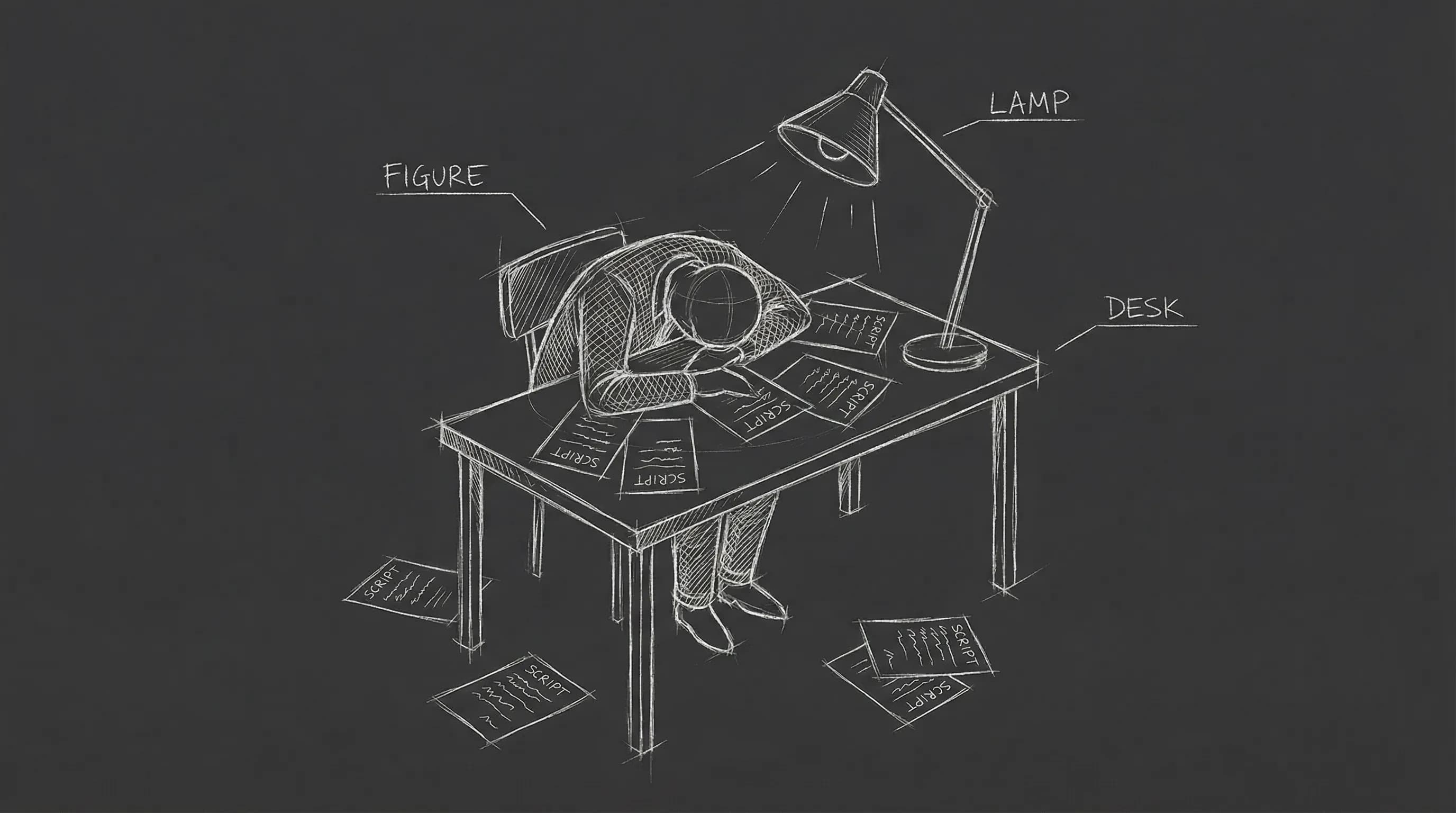
When grinding isn't the answer. How to recognize burnout and what to do when you see the signs.
Burnout: Signs You Need a Break from Your Script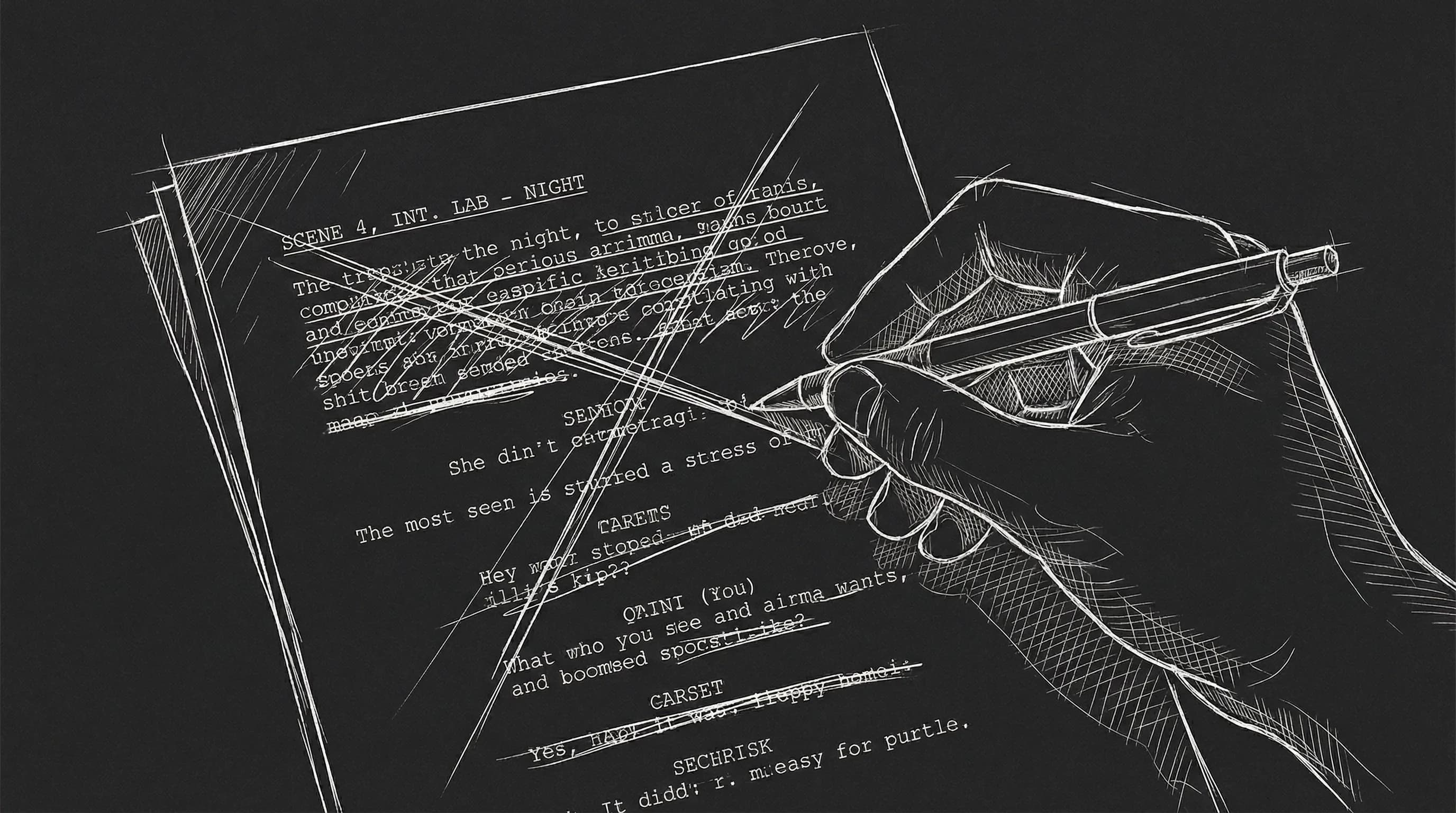
Why the story is the boss. When to cut a scene that doesn't earn its place, and how to do it without crumbling.
"Kill Your Darlings": Practical Advice on Cutting Scenes You Love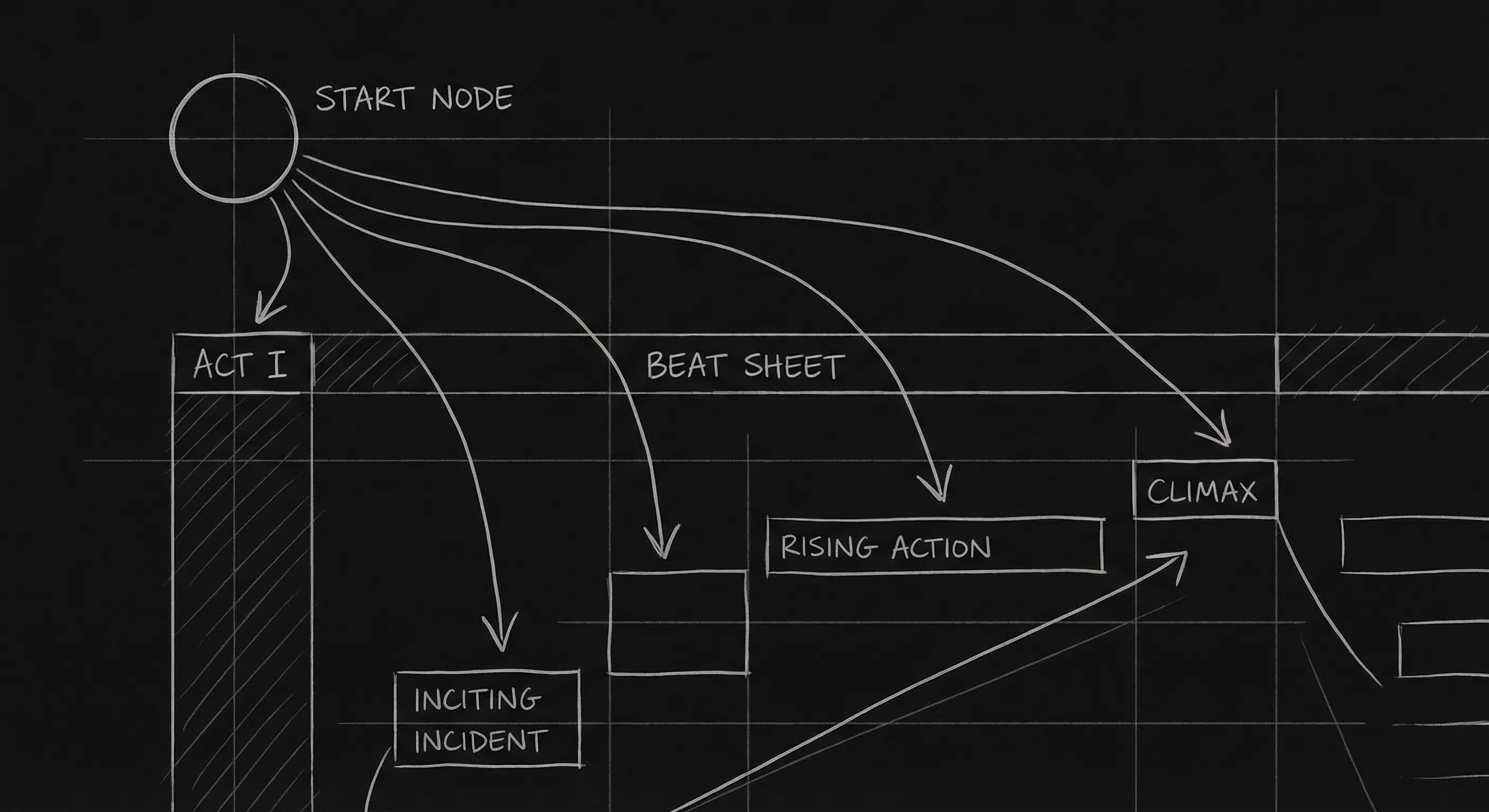
Use AI for beats and structure, not for dialogue. A concrete workflow from logline to beat sheet, and where to stop so the story stays yours.
Using AI for Outlining: Beating the Blank Page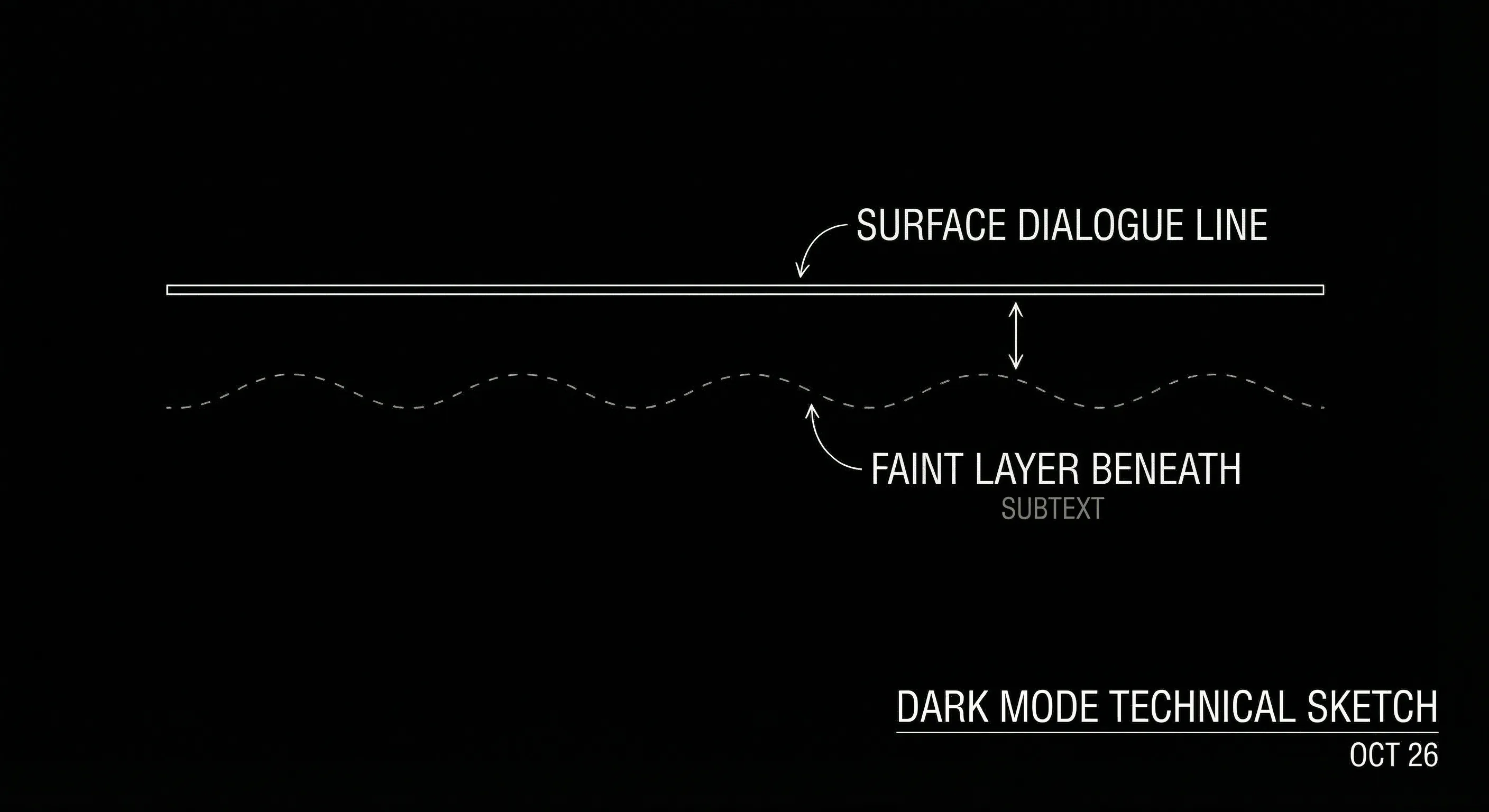
Subtext is the gap between the line and the meaning. Why models can mimic the shape but not reliably invent the meaning, and where to use them anyway.
Can AI Write Subtext? Testing the Limits of LLMs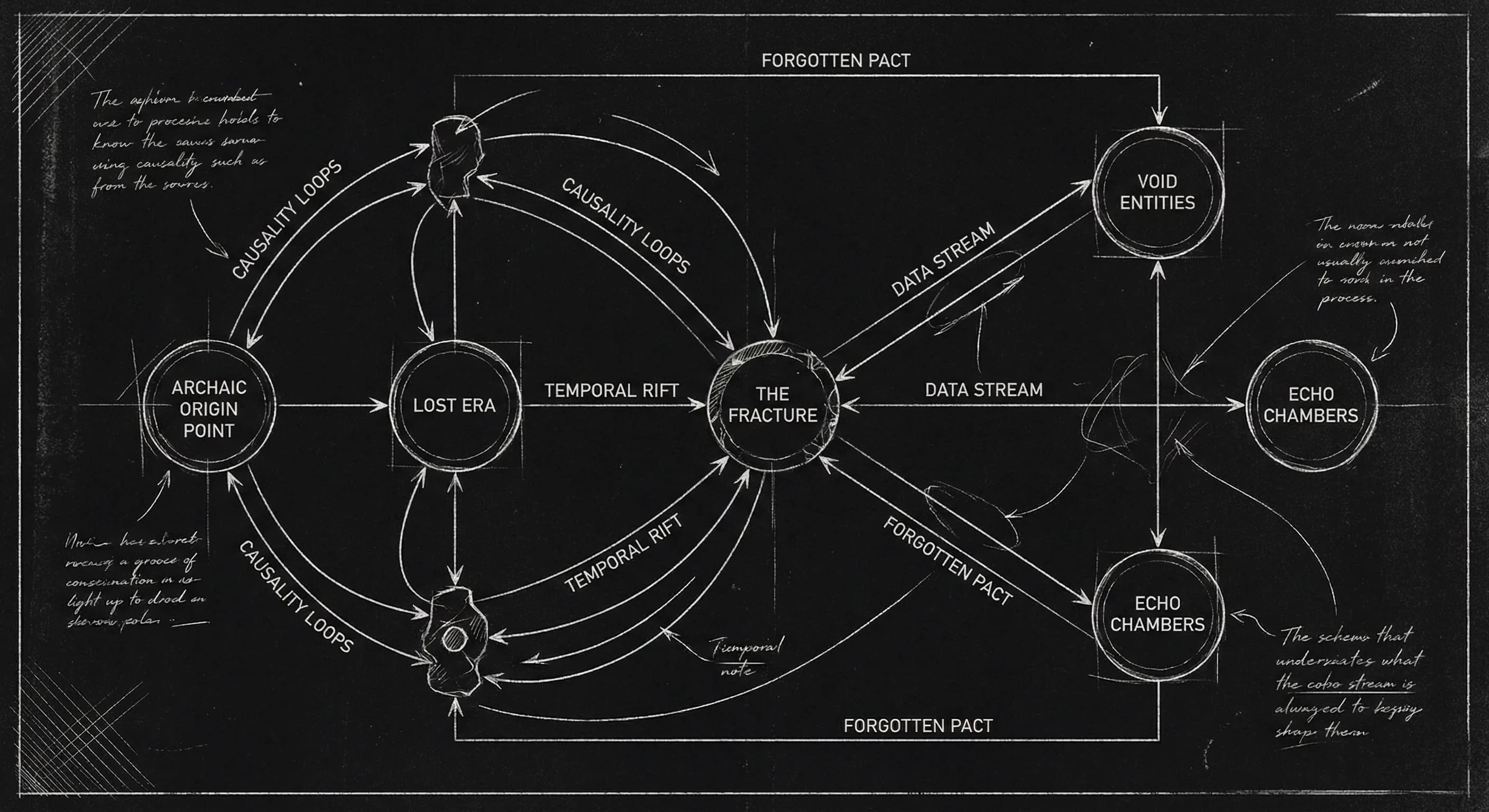
Use AI to brainstorm lore and summarize facts, then verify what has to be right and lock your fictional world in your own doc.
AI for Research: Worldbuilding and Fact-Checking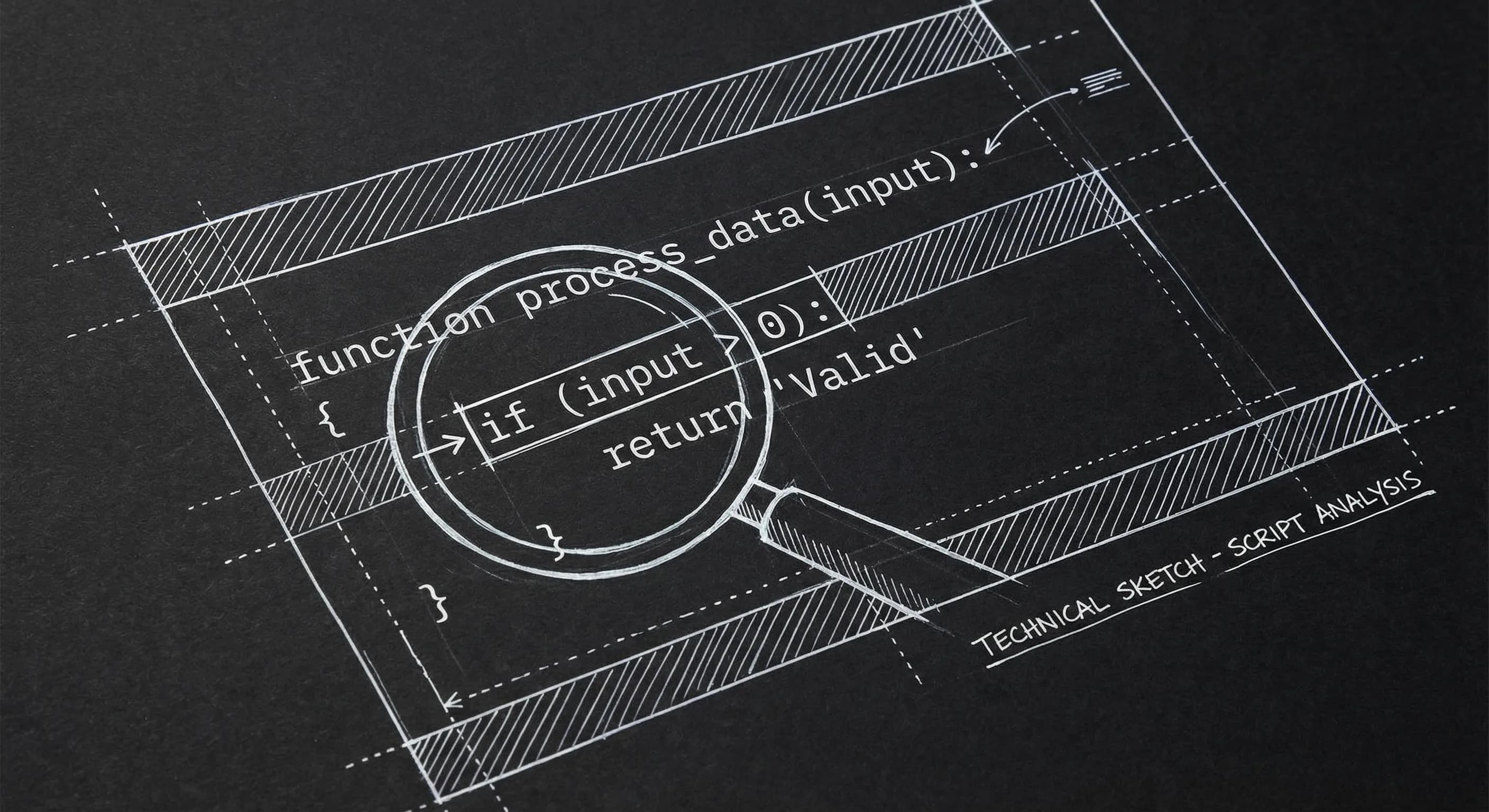
Use AI to flag typos, names, and slugs, then you decide. A clean script without letting the tool rewrite your voice.
Proofreading with AI: Finding Typos and Format Errors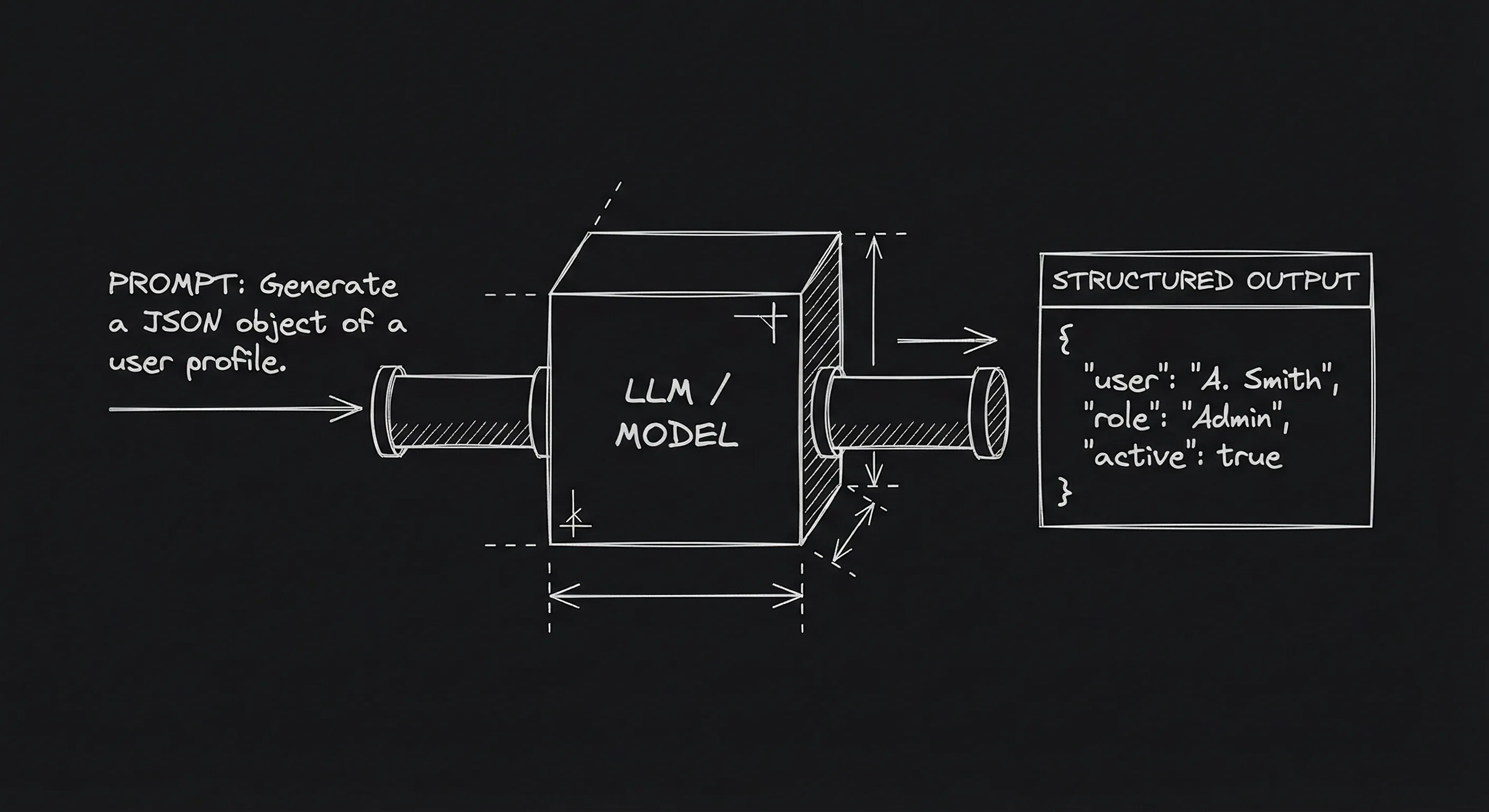
Role, task, format, context, constraints, how to prompt so you get usable beat sheets, scene options, and first drafts you can rewrite.
Prompt Engineering for Screenwriters: Getting Better Results