
The worst moment in the script isn’t the villain’s victory. It’s the moment the protagonist believes they’ve lost. No fight left. No plan. Just the weight of failure. That beat has a name: the dark night of the soul. Get it wrong,too short, too shallow, or too overwritten,and the comeback in Act Three feels unearned. Get it right, and the audience leans in because they’ve felt that floor with the character.
This piece is about how to write a dark night of the soul that resonates. We’ll look at what the beat is for, where it sits in the structure, and how to make the dialogue and action feel desperate and real without tipping into melodrama. We’ll also touch on how to use tools that help you hear whether the emotional tone of this section is landing,so the low point feels like a low point, not a pause.
What the Dark Night of the Soul Is For
The dark night of the soul is the emotional nadir of the story. It comes after the “all is lost” moment,the plot beat where the protagonist has lost the thing they needed, or been betrayed, or discovered they were wrong. The dark night is the aftermath. It’s when they sit in that loss. They’re not fighting yet. They’re not planning the comeback. They’re in the hole. That’s why it matters. If you skip it or rush it, the audience never fully feels the depth of the defeat. When the protagonist rallies in Act Three, the turn can feel like a switch flip. When you give the dark night its due, the rally feels like something they had to dig for.
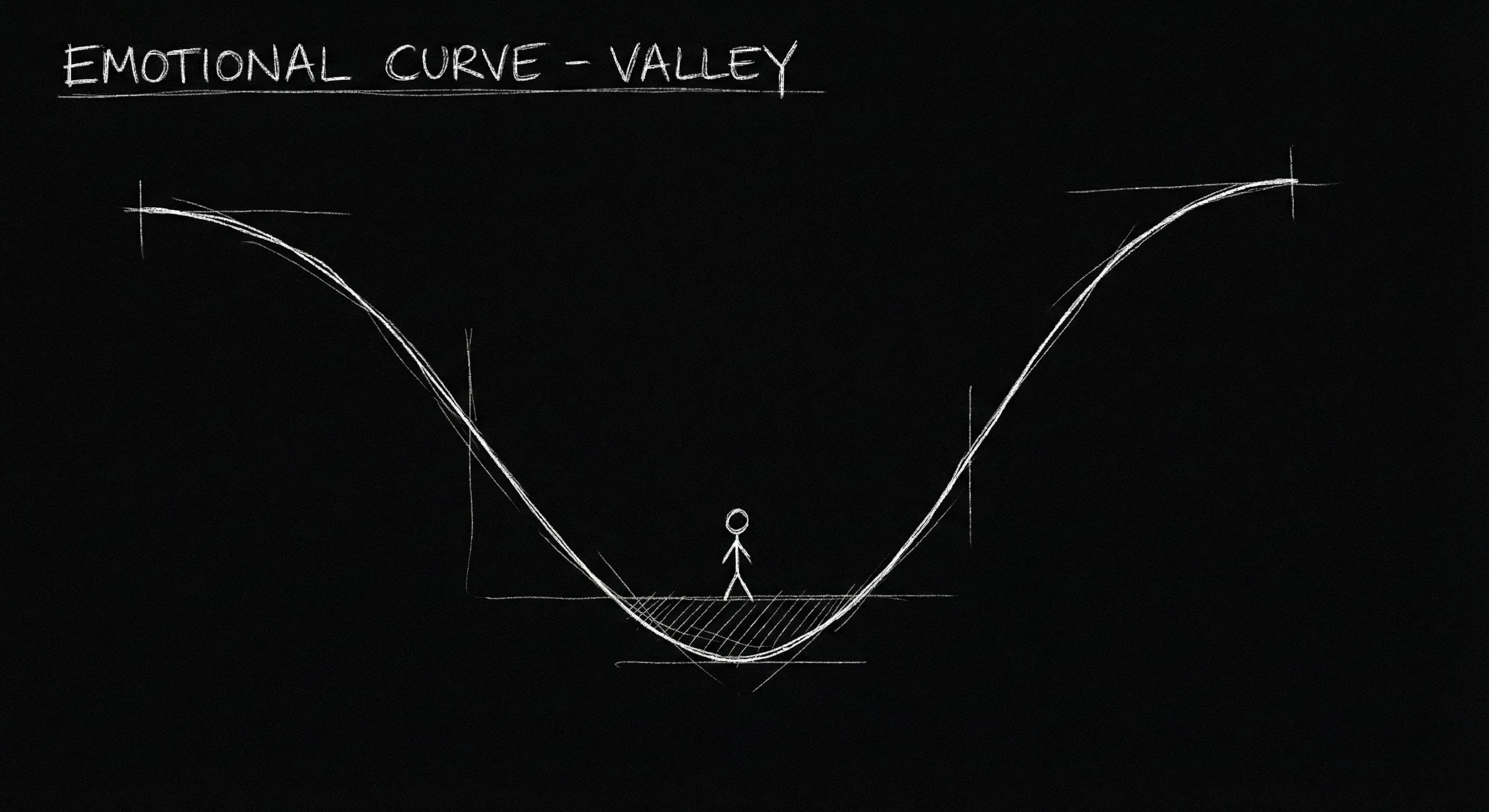
In structural terms, the dark night usually sits in the last quarter of Act Two, before the “break into three”,the moment the protagonist chooses to try one more time. So the sequence is: all is lost (plot) → dark night of the soul (emotional processing) → break into three (decision to act). The dark night is the bridge between “we lost” and “we’re getting back up.”
The dark night isn’t about explaining the theme. It’s about letting the character,and the audience,sit in the worst moment long enough to believe the comeback.
Getting the Tone Right
The tone here should be depressive, desperate, or hollow. Not necessarily loud. Some of the best dark nights are quiet. A character alone. A single line that carries everything. The risk is overwriting. Writers sometimes pile on dialogue,“I’ve lost everything,” “I don’t know what to do,” “It’s all my fault”,until it sounds like a soap opera. The audience feels the emotion when the character doesn’t spell it out. When they’re silent, or when they say something small that implies the weight. A character who says “I’m fine” and then doesn’t move for a beat can land harder than a character who delivers a paragraph about how broken they are.
The other risk is underwriting. If the dark night is one short scene and then we cut to the plan, we haven’t earned the low. The audience needs to feel that the character has hit bottom. That doesn’t mean five pages of weeping. It means enough time,and the right details,so that when they finally stand up, we feel the cost of that decision.
Using the Voice Coach to Hit the Right Tone
Dialogue in the dark night has to sound different from dialogue in the rest of the script. In the first act, characters might be hopeful or guarded. At the midpoint, they might be confident or defiant. In the dark night, they should sound depleted. That’s not just a matter of word choice. It’s rhythm. Shorter sentences. Fewer defenses. Maybe a line that trails off. Tools that help you check the “voice” of a section,whether the dialogue reads as desperate, resigned, or hollow,can flag when the tone drifts. In ScreenWeaver, the Voice Coach is built to analyze dialogue for emotional register. So when you’re in the dark night section, you can run a pass to see if the lines land as depressive or desperate. If everything still reads “neutral” or “confident,” you know you need to adjust. It’s not about changing your words for you; it’s about making sure the emotional beat you intend is the one that lands on the page.
| Pitfall | What Happens | Fix |
|---|---|---|
| Overwriting | Character explains how broken they are; feels melodramatic | Less dialogue; one strong image or line; silence |
| Underwriting | One short beat, then we move on; low doesn’t land | Give it space; let the character sit in the moment |
| Wrong tone | Dialogue still sounds hopeful or neutral | Check rhythm and word choice; aim for depleted, hollow |
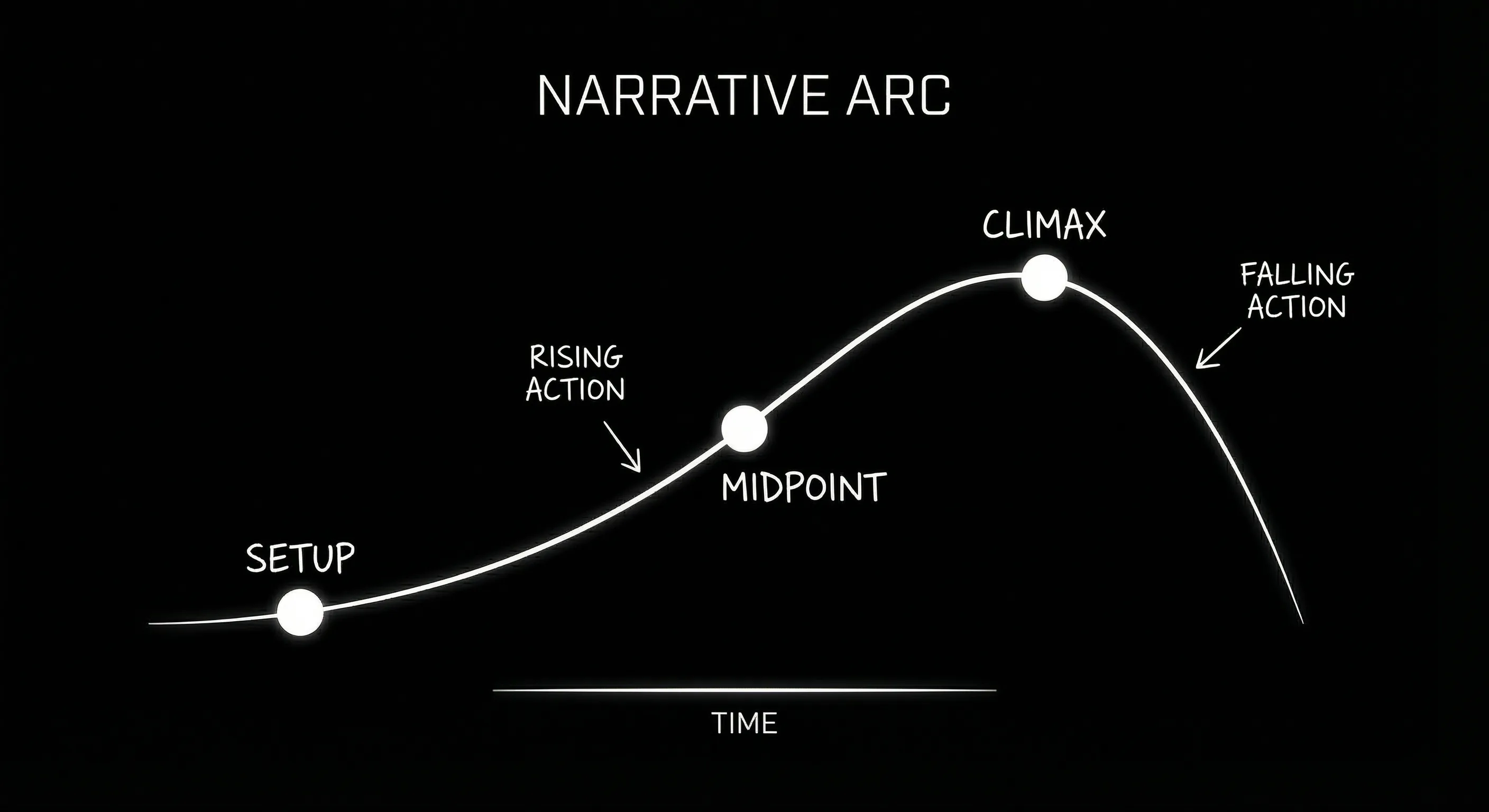
The dark night is the valley before the break into three.
What It Looks Like on the Page
In Rocky, the dark night might be the moment after the press conference, when Rocky is alone and we feel his doubt. He’s not giving a speech. He’s just there. In The Shawshank Redemption, Andy’s lowest point is the night after he’s been broken by the warden,silence, despair. In E.T., the dark night is when E.T. appears to die and Elliot is left with the body. The dialogue is minimal. The weight is in the image and the silence. In each case, the script doesn’t rush. It lets the audience sit in the loss. Then something shifts,a word from a friend, a memory, a last shred of will,and the character moves toward the climax.
For more on the beat that comes right before the dark night,the “all is lost” plot point,see our piece on mastering the midpoint and the second half of Act Two. The midpoint raises the stakes; the all-is-lost and dark night bring the protagonist to the floor.
The Link to Act Three
The dark night has to connect to the break into three. Something in the dark night,a realization, a memory, a line from another character,should plant the seed for the final push. It doesn’t have to be obvious. It can be a small moment. But when the protagonist gets up, the audience should feel that they got up for a reason, not because the script needed to move on. That reason can be internal (they remember who they are) or external (someone gives them a push). What matters is that the turn feels motivated.
The dark night earns the climax. If we don’t feel how low they went, we don’t feel how high they climb.
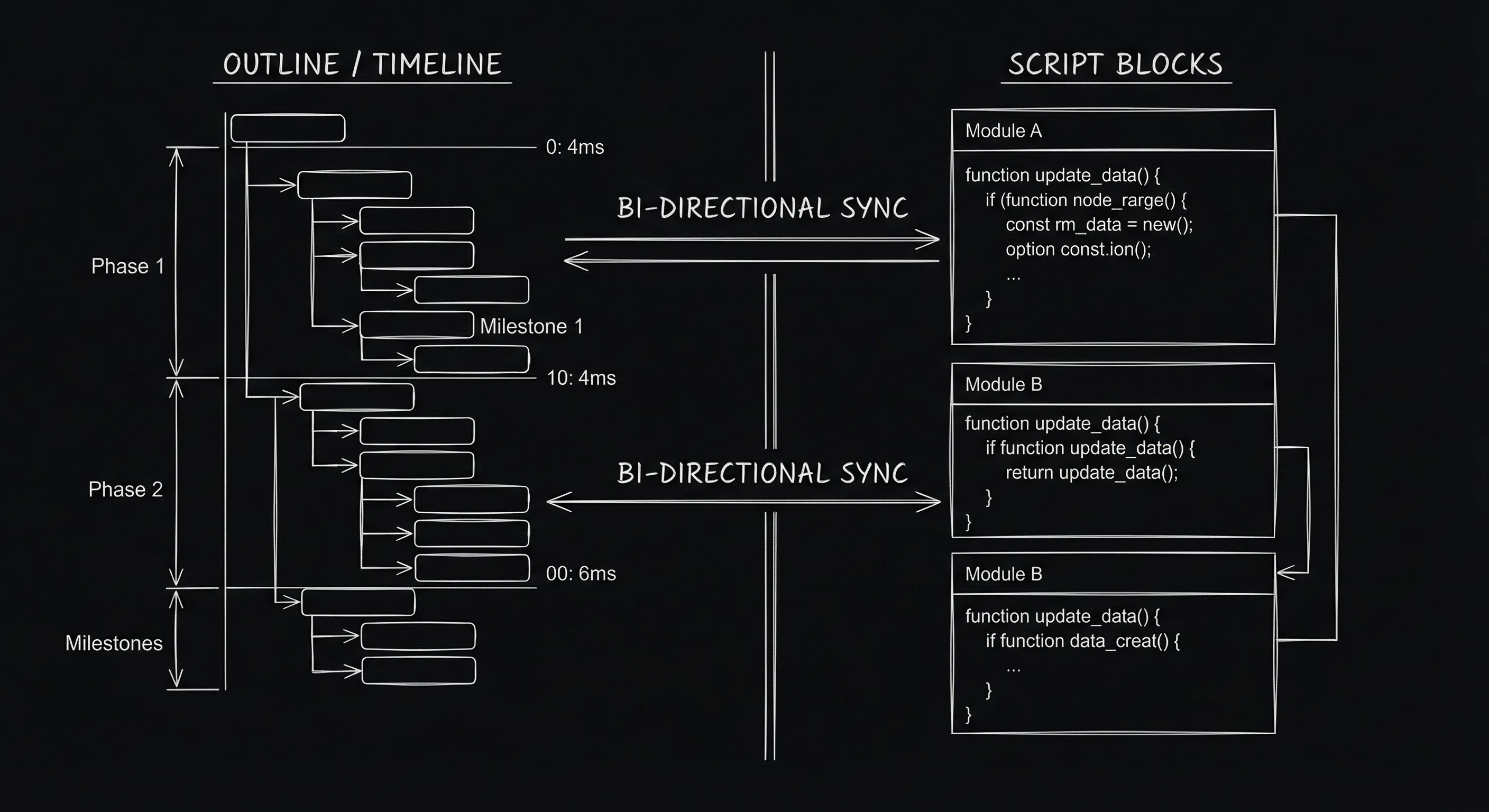
The Voice Coach helps ensure the dialogue in this section hits the right depressive tone.
Dialogue Tricks That Land the Low
Short sentences. Fragments. Lines that don’t answer the question. When a character is in the dark night, they often don’t have the energy for long speeches. They might deflect,“I’m fine”,or go silent. They might say one true thing and then stop. A line like “I don’t know what to do” can work if it’s the only time they admit it and the rest of the scene is silence or action. If every line is “I’m lost, I’ve failed, I don’t know how to go on,” the moment tips into melodrama. The audience feels the low when the character can’t quite say it,or when they say it once and the weight of that admission does the work. Rhythm matters as much as content. Slower. Heavier. Fewer words.
Where It Sits in the Structure
If you’re using a beat sheet or a three-act map, the dark night has a clear address: after “All Is Lost,” before “Break into Three.” In a 110-page script, that’s often around pages 75–85. When you’re writing with a timeline that shows these beats, you can see exactly where the dark night block sits and how much script you’ve given it. Too little and the section feels rushed. Too much and the script can drag. A story map that’s bound to the script,like the one in ScreenWeaver,lets you see that block and the scenes inside it. You’re not guessing whether you’ve given the beat enough room; you’re looking at it. For more on how the three acts and these beats fit together, our three-act structure guide lays out the full sequence.
The Sharp Takeaway
The dark night of the soul is the emotional low before Act Three. It’s when the protagonist sits in the loss,no plan yet, no rally. The tone should be desperate, depleted, or hollow. Don’t overwrite it with speeches; don’t underwrite it with a single beat. Give it enough space so the audience feels the floor. Use whatever tools you have to check that the dialogue in this section actually reads as dark and low,so when the character gets up, we believe they had to dig to do it.
Final Step
Build your next script with Screenweaver
Move from ideas to production-ready pages faster with timeline-native writing and AI-assisted story flow.
Try Screenweaver