
Two names show up in every screenwriting conversation: Blake Snyder and Joseph Campbell. One gave us a beat sheet with page numbers. The other gave us a pattern that’s been threading through stories for centuries. Save the Cat and the Hero’s Journey aren’t the same thing,and the choice between them (or the decision to use both) shapes how you build a script from the ground up.
This piece compares the two. We’ll look at what each system is, where they overlap, where they diverge, and how you can pick,or blend,a structure that fits your story. We’ll also touch on how a single tool can adapt to different templates so you’re not locked into one way of thinking.
Save the Cat: The Beat Sheet
Blake Snyder’s Save the Cat! is built for screenwriters who want a clear checklist. The book breaks the screenplay into 15 beats, many tied to specific page ranges in a 110-page script. Opening Image, Theme Stated, Setup, Catalyst, Debate, Break into Two, B Story, Fun and Games, Midpoint, Bad Guys Close In, All Is Lost, Dark Night of the Soul, Break into Three, Finale, Final Image. Each beat has a job. If you hit them in order and roughly on schedule, you get a story that “works” in the sense that it satisfies the expectations of the audience and the industry.
The strength of Save the Cat is clarity. You always know what’s supposed to happen next. The weakness is that it can feel mechanical. Not every story wants 15 beats. Not every story wants a “Fun and Games” section or a literal “Dark Night of the Soul.” Snyder’s language is tuned to commercial, high-concept film. It’s less natural for quiet character studies or for stories that don’t follow a single protagonist’s rise and fall.
Save the Cat is a production schedule for emotion. Hit the beats on time, and the audience gets the rhythm they expect. Miss a beat, and they feel it,even if they can’t name it.
The Hero’s Journey: The Mythic Cycle
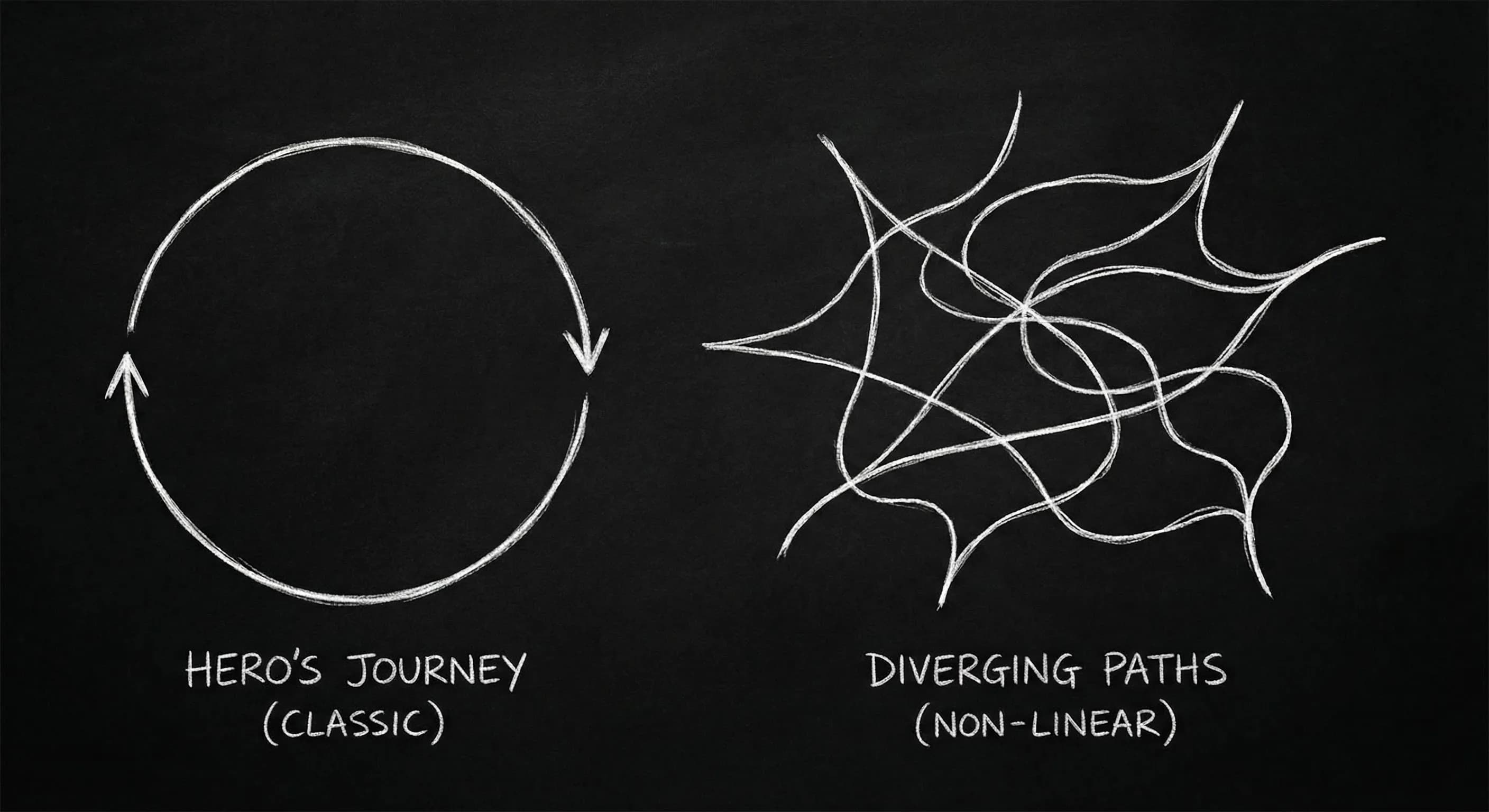
Joseph Campbell’s monomyth, popularized in screenwriting by Christopher Vogler, describes a cycle. The hero lives in the ordinary world, receives a call to adventure, crosses the threshold into the special world, faces trials, reaches a crisis (often a death and rebirth), wins a reward, and returns to the ordinary world with that reward or with transformation. The structure is circular. The hero leaves and comes back changed.
The Hero’s Journey is less about page numbers and more about phases. It’s archetypal. It fits myth, fantasy, and epic. It also fits any story where the protagonist leaves home, is tested, and returns with something,wisdom, treasure, loss. The strength is flexibility and depth. The weakness is that “crossing the threshold” and “reward” can land at different places in different scripts. You have to translate the cycle into actual scenes and page count yourself.
For a deeper look at the emotional low point before the final push, our guide on writing a dark night of the soul that resonates applies whether you’re using Snyder’s language or the Hero’s Journey’s “ordeal” and “reward.”
| Aspect | Save the Cat | Hero’s Journey |
|---|---|---|
| Origin | Blake Snyder; screenwriting-specific | Joseph Campbell / Vogler; myth and story |
| Shape | Linear beat sheet; 15 beats | Cycle; leave, test, return |
| Page numbers | Yes; tied to 110-page default | No; phases, not pages |
| Best for | High-concept, commercial, pilots | Mythic, transformational, character arc |
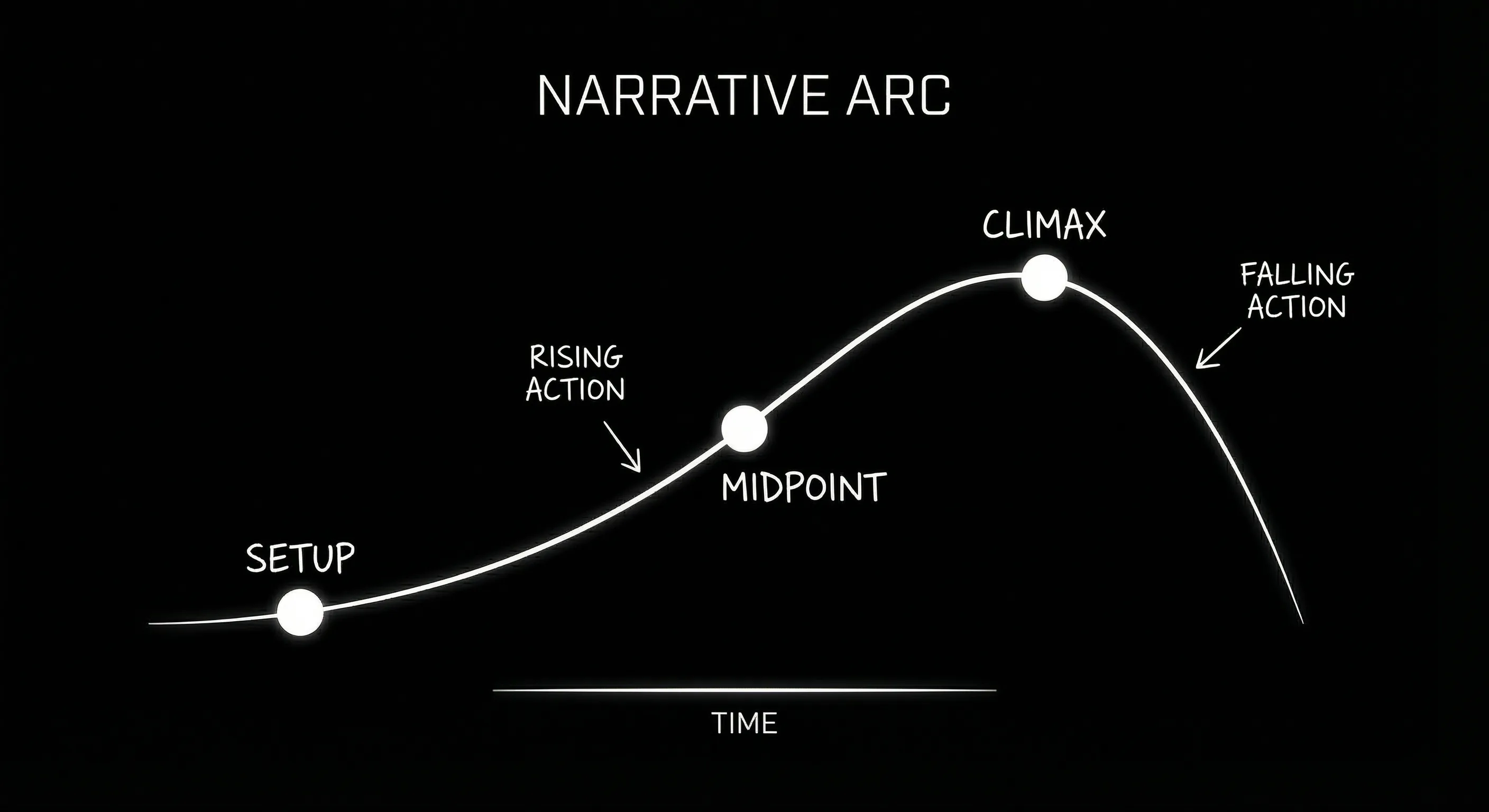
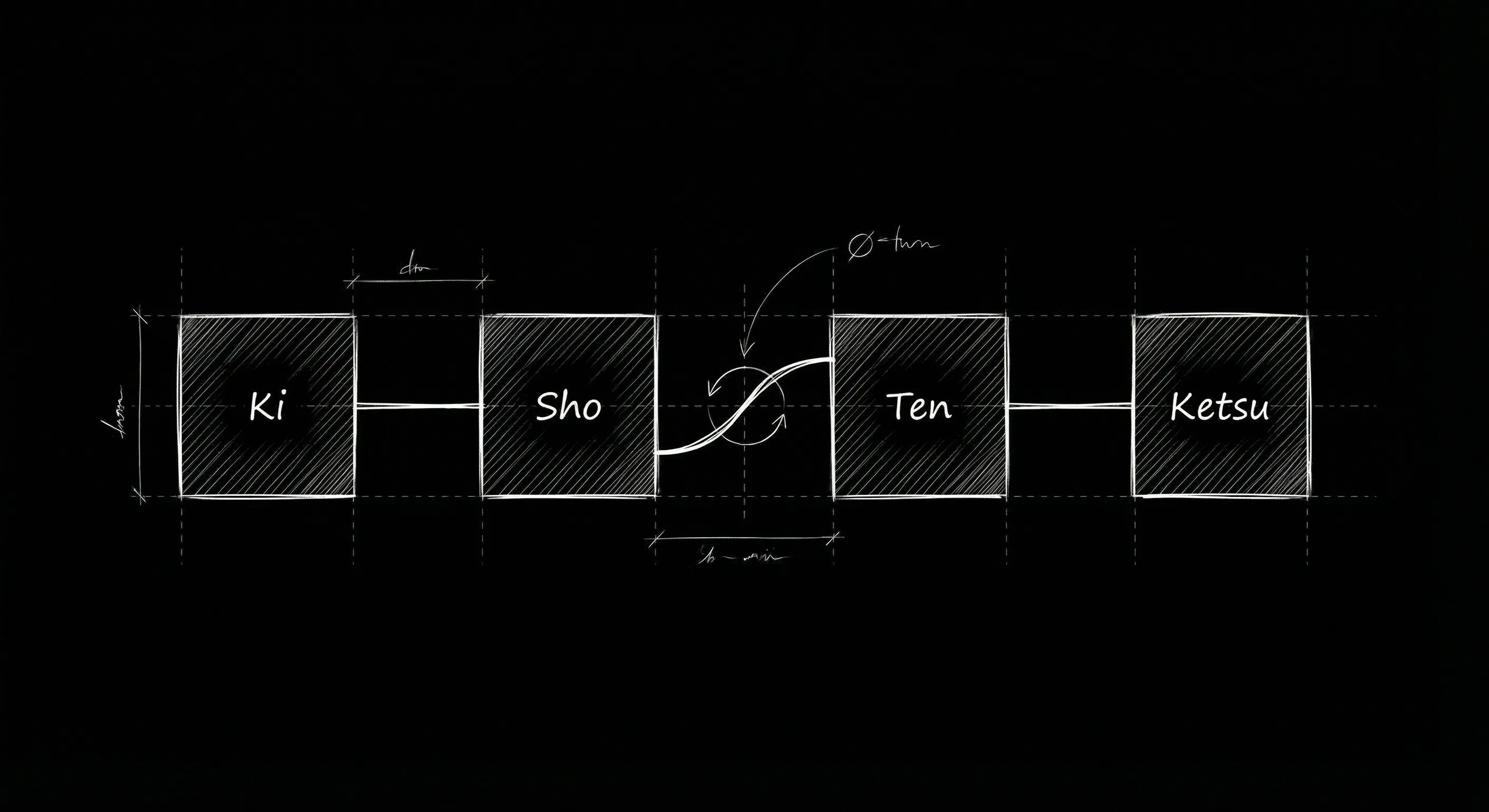
Linear beats vs. mythic cycle: two ways to map the same story.
Where They Overlap
Both systems have an ordinary world and a disruption. Both have a point of no return (Snyder’s Break into Two, Campbell’s Crossing the Threshold). Both have a midpoint-like turn, a low point before the climax (All Is Lost / Dark Night vs. Ordeal / Death and Rebirth), and a final confrontation and return. The difference is packaging. Save the Cat gives you labels and page numbers. The Hero’s Journey gives you phases and archetypes. If you lay one on top of the other, many of the same moments line up.
That’s why some writers use both. They might outline in Hero’s Journey terms,call to adventure, threshold, ordeal,and then check the draft against Snyder’s beats to see if the pacing is right. Or they might start with the 15 beats and use the cycle to deepen the character’s transformation. The structures are compatible. They’re not the same language, but they’re talking about the same story.
Which Structure Fits Your Script?
If you’re writing a high-concept thriller, a studio comedy, or a pilot that has to prove itself in 45 minutes, Save the Cat is a reliable default. The beats are easy to communicate in a room. Executives know them. The risk is that the script feels by-the-numbers if you don’t bring something else,voice, character, surprise,to the table.
If you’re writing a mythic fantasy, a character study about transformation, or a story where “return” is as important as “victory,” the Hero’s Journey can feel more natural. It doesn’t tell you what page to put the ordeal on. It tells you that the hero has to go through something that changes them. You decide where that lands. For more on how the three-act model sits under both, see our three-act structure guide.
The best choice is the one that helps you write and revise. If thinking in beats gets you to the end of the draft, use beats. If thinking in cycles gets you to the emotional truth, use the cycle.
How ScreenWeaver Adapts to Different Templates
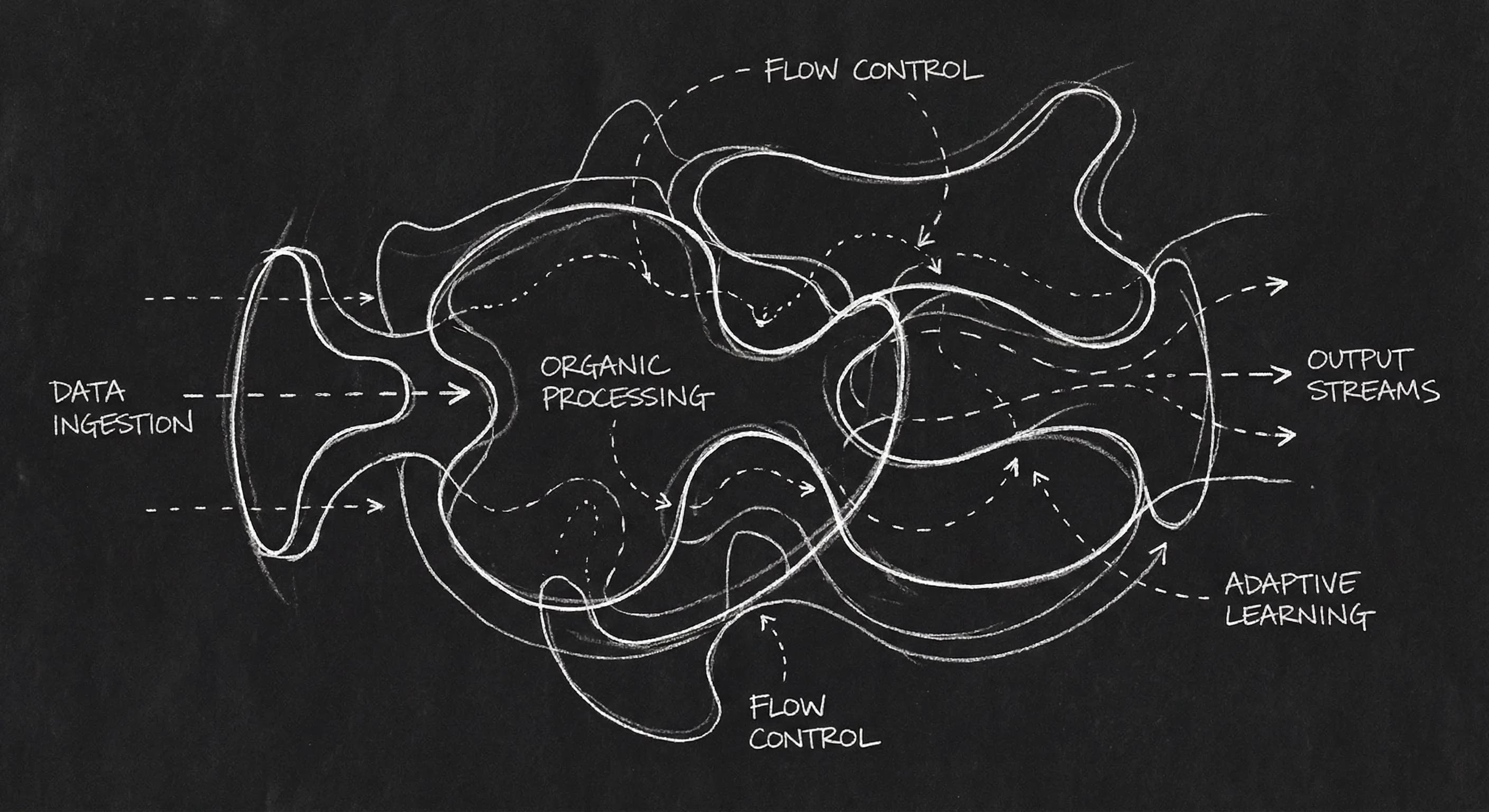
Not every writer works with the same structural template. Some want Save the Cat’s 15 beats on the timeline. Others want three acts with a midpoint. Others want a Hero’s Journey wheel or a custom sequence. The point of a story map that’s bound to the script is that the map can reflect the template you choose. The timeline isn’t fixed to one system. You can label your blocks as Snyder’s beats, or as Act 1 / 2A / Midpoint / 2B / Act 3, or as stages of the Hero’s Journey. The underlying object is the same: a spine that’s tied to the script. When you reorder or rename, the script follows. So the question isn’t “does this tool support Save the Cat or the Hero’s Journey?” It’s “can I build the map the way I think?” In ScreenWeaver, the Story Map is built to adapt. You structure the way you want; the tool keeps the map and the script in sync.
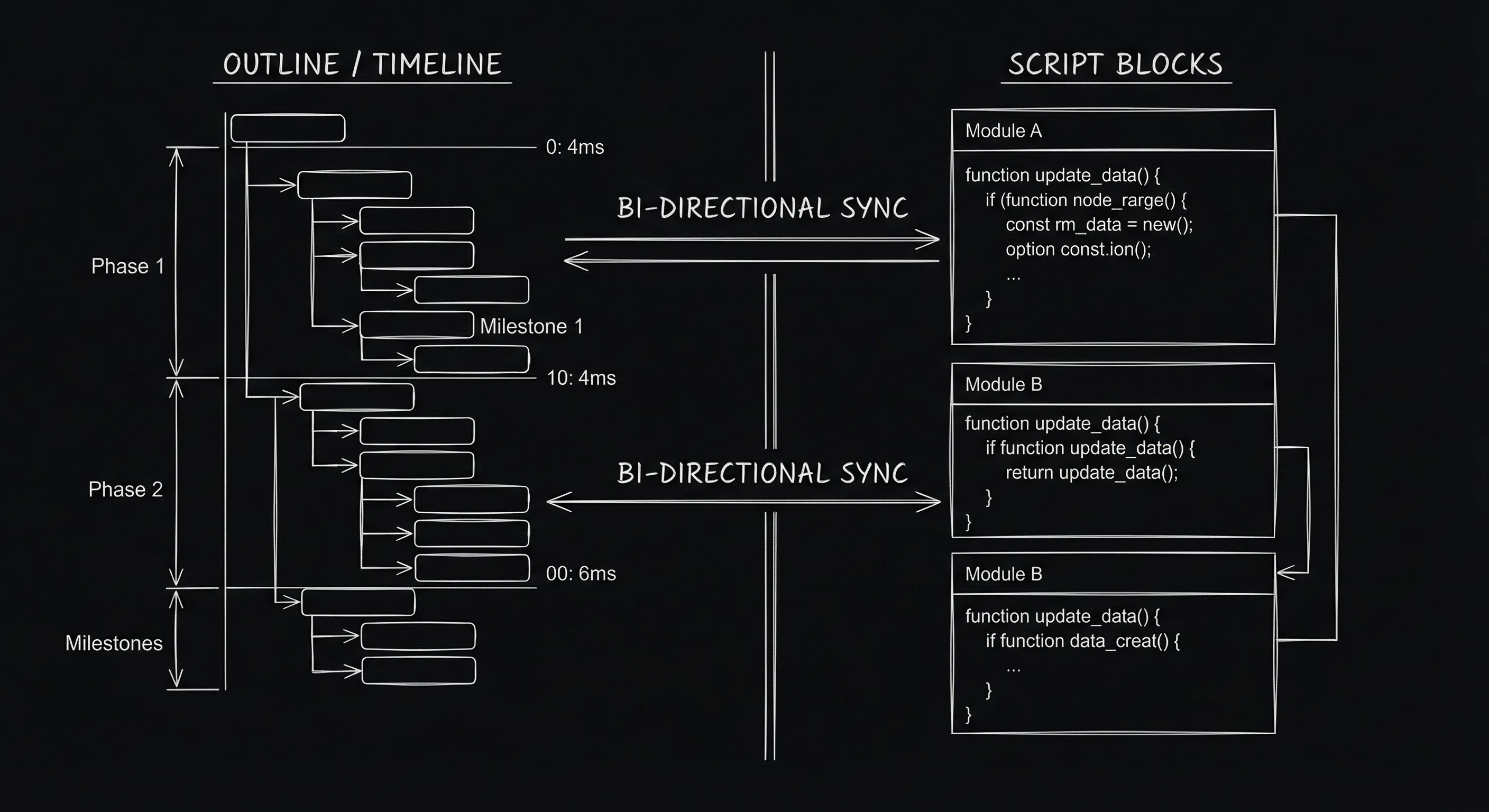
One map can carry different structural templates; the script stays in sync.
Blending Both in One Script
Many professional writers don't choose. They use Save the Cat for pacing and the Hero's Journey for character. The beat sheet tells them where to put the midpoint and the all-is-lost moment. The cycle tells them what the protagonist has to learn or sacrifice. So you might have a script that hits every Snyder beat on the right page and also follows the Campbell/Vogler arc: ordinary world, call, threshold, ordeal, return. The two systems describe the same story from different angles. One is a schedule; one is a psychology. When you're stuck in the middle of Act Two, the beat sheet might tell you that you need a "Bad Guys Close In" sequence. The Hero's Journey might tell you that the protagonist hasn't yet paid a real price. Both notes can be right. Both can be applied to the same draft.
The Sharp Takeaway
Save the Cat gives you a linear beat sheet with page numbers; the Hero’s Journey gives you a mythic cycle. Both describe the same kind of story,disruption, trial, low point, climax, return,in different language. Choose the one that fits your project and your brain. Better yet, use both: one for pacing, one for meaning. And use a tool that lets you build the map your way, so the structure you pick is the structure you see,and the structure that stays in sync with the script.
Final Step
Build your next script with Screenweaver
Move from ideas to production-ready pages faster with timeline-native writing and AI-assisted story flow.
Try Screenweaver