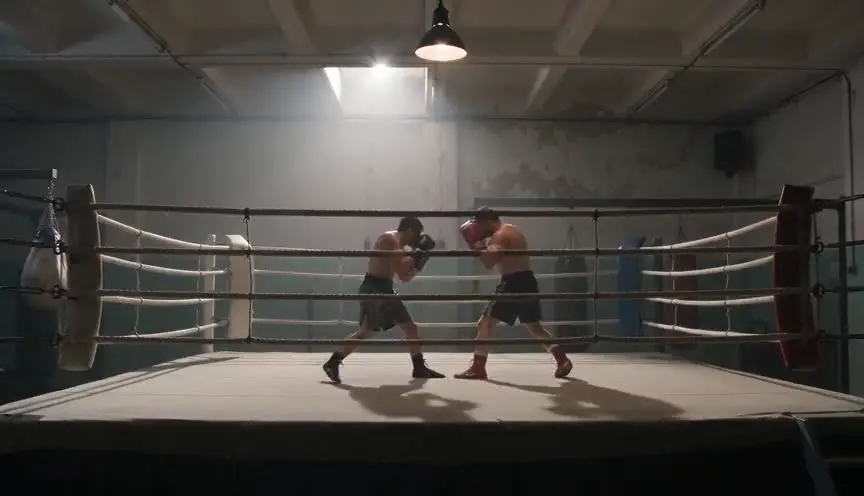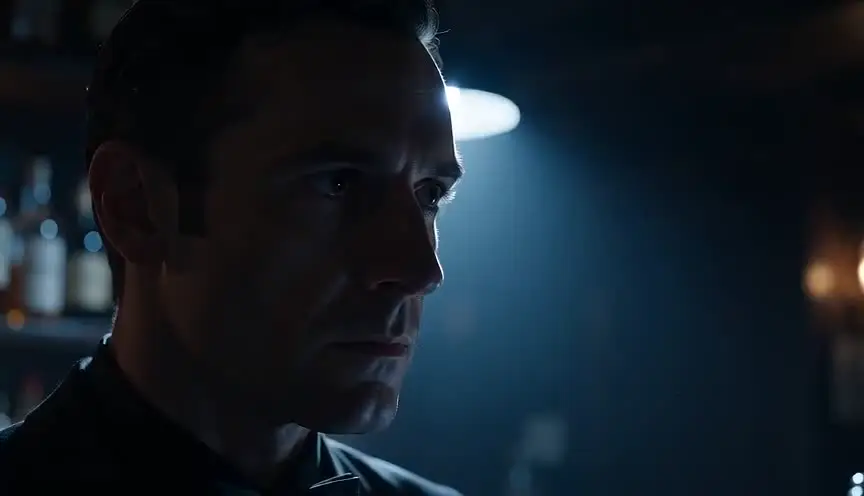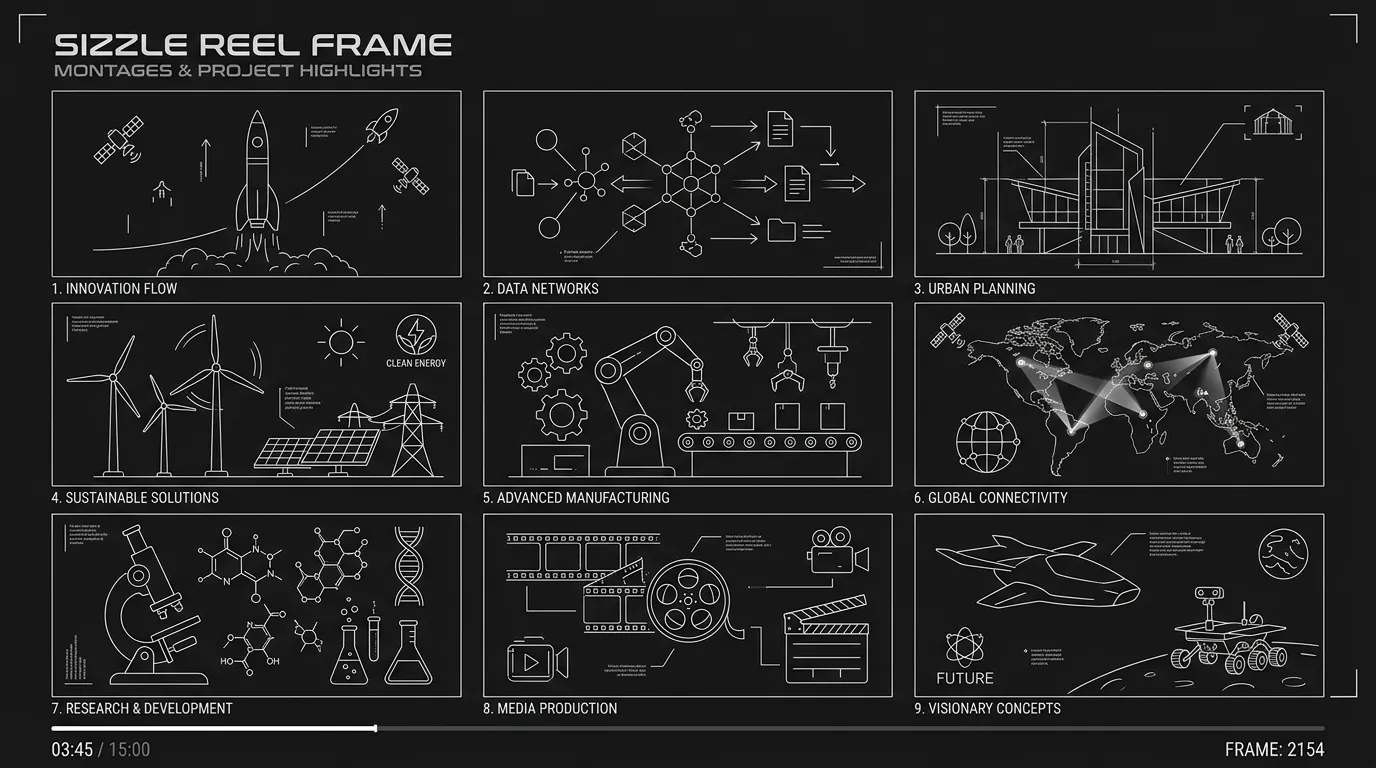

The pitch is strong. The script is ready. But the exec is staring at a PDF. She’s read a hundred pilots this month. How do you make her feel the show in 90 seconds? You give her a sizzle reel. Not the pilot. Not a trailer for something that doesn’t exist yet. A short montage of existing footage, film and TV clips, music, and mood, cut together to sell the tone of your project. That’s a rip-o-matic. It’s one of the most underused tools in a writer’s or producer’s kit. Get it right and you’re not just describing your show. You’re showing it.
A rip-o-matic (or "rip-o") is a video that uses existing material, clips from other films and shows, edited to music and sometimes to a voice-over or text cards, to convey the look, feel, and energy of a project you’re pitching. It’s called "rip" because you’re "ripping" clips from other sources. It’s not meant to be shown publicly or to replace the script. It’s a pitch tool. You use it in the room (or send it with the pitch) so that buyers can see and hear what you have in mind before a single frame of your project is shot. This guide covers why you’d make one, what to put in it, how to avoid legal and ethical pitfalls, and how to use it so it sells tone instead of confusing the room.
Free tool: use the Logline Workshop to build and pressure-test your logline.
Why Make a Sizzle Reel?
Words can describe tone. "It’s dark but funny." "It feels like a 1970s conspiracy thriller." But a 60- to 90-second reel can show it. The right clips, cut to the right music, create an immediate emotional response. The exec stops reading and starts feeling. That feeling gets attached to your project. When she goes back to the script, she’s already got a picture in her head. That’s the point.
Sizzle reels are especially useful when the tone is hard to pin down in a logline. Hybrid genres (comedy-drama, horror-comedy, thriller with humor), period pieces, or high-concept ideas benefit from a rip-o. So do projects where the vibe is the sell, e.g. "Succession meets Fleabag" becomes a sequence of shots and moments that actually feel like that mix. You’re not asking them to imagine. You’re giving them a sample.
A rip-o-matic doesn’t pitch the plot. It pitches the experience. The script pitches the story. The reel pitches the feeling.
What Goes In: Clips, Music, Structure
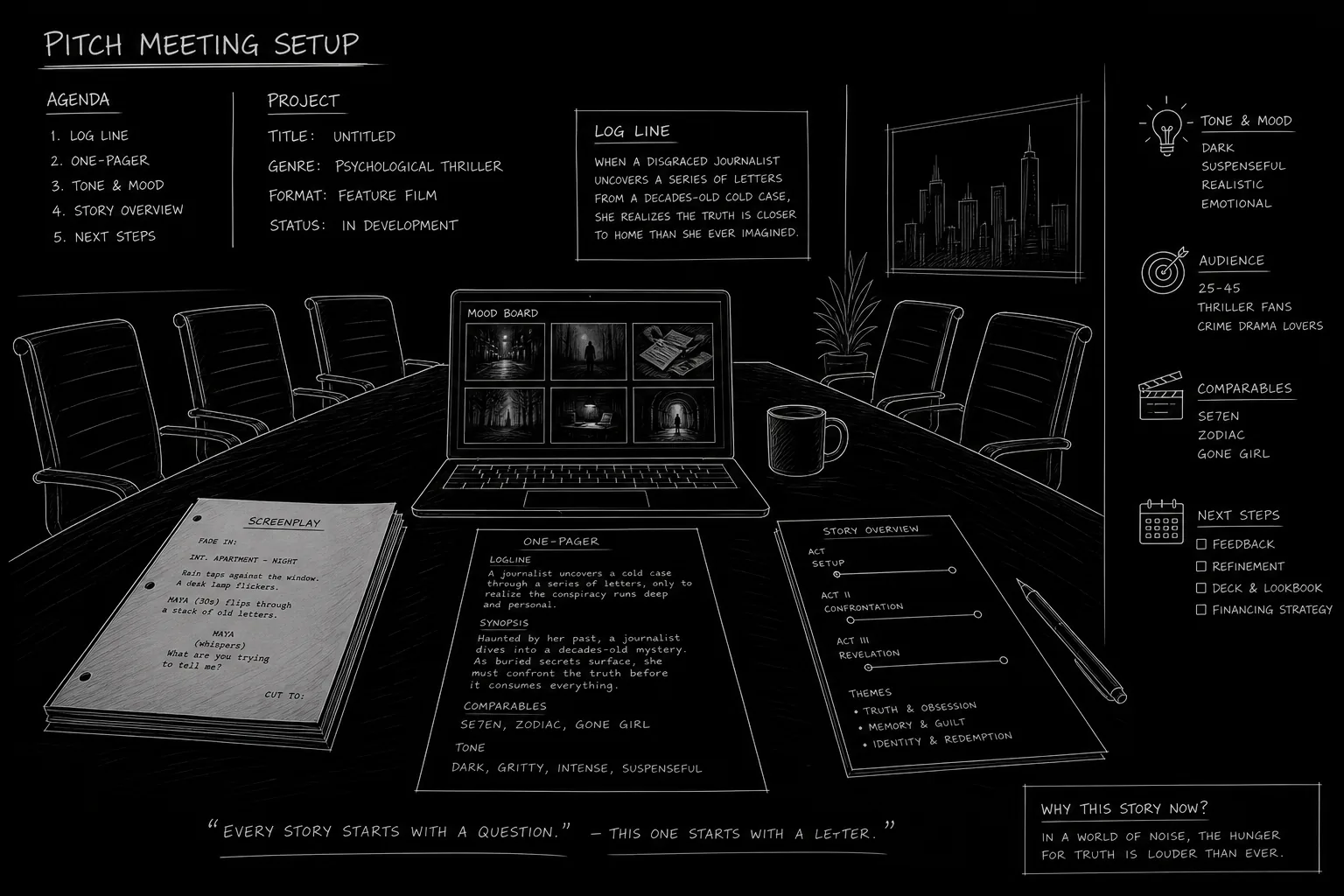
Clips. You’re choosing moments from existing films and TV that match the tone, palette, pacing, or energy of your project. Not the story, the feel. A shot of a character walking through rain. A close-up of a hand slamming a door. A line of dialogue that could live in your world. A wide shot of a location that looks like yours. You’re building a mood board in motion. Typically you’ll use 10–30 clips (or more for a longer reel), each a few seconds. Avoid long scenes. Short, punchy cuts keep the energy up and make the reel easy to watch in a meeting.
Music. The track drives the reel. It sets the tempo and the emotion. Use one piece of music that fits the tone, or cut between two (e.g. calm then intense). Don’t use a famous song that will distract ("Oh, I love this song") unless the song is part of the pitch. Instrumental or lesser-known tracks often work better. The music should feel like the score of your show. If your show is tense and minimal, the music should be tense and minimal. Sync cuts to the beat when it helps; don’t force it.
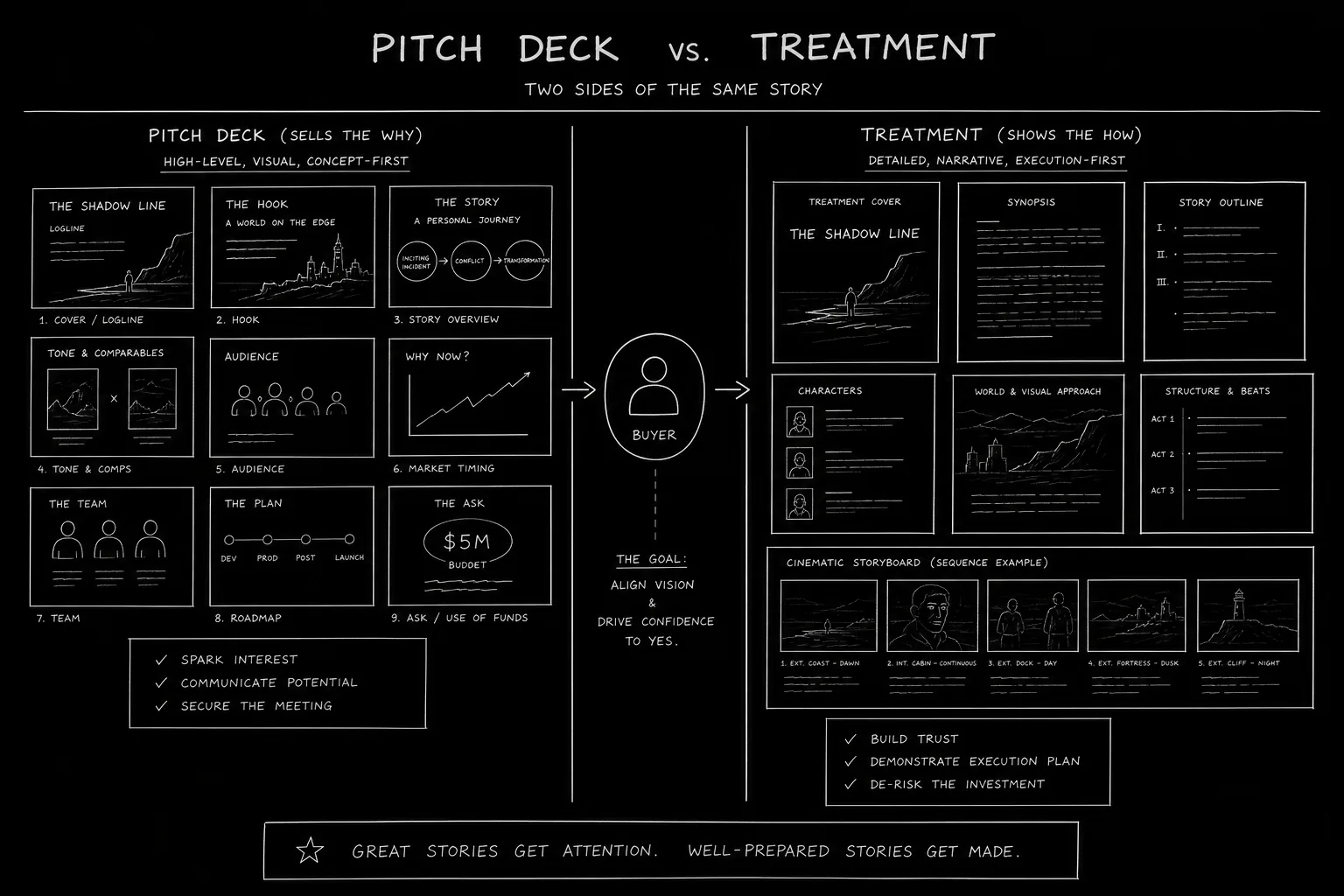
Structure. A simple shape works: In (establish mood, one or two strong images), Through (build, variety of shots, maybe a slight narrative or emotional arc), Out (land on a strong image or beat). You can add title cards: your project’s title at the start, "A [genre] series" or "Coming soon" at the end. Optional: a single line of voice-over or text with your logline. Don’t overdo text. The reel should mostly show and play. 60–90 seconds is the sweet spot. Shorter can work; longer and you risk losing the room.
Legal and Ethical Boundaries
You are using copyrighted material, other people’s films and music. Rip-o-matics are typically used only in private pitch meetings or sent to a limited number of buyers under confidential submission. They are not posted publicly, not used in marketing, and not shared beyond the pitch process. That limited use is why the industry has tolerated them for decades: they’re a tool for buyers to evaluate a pitch, not a product. Even so, there is legal risk. To minimize it:
Use the reel only in private, confidential pitch contexts. Don’t put it on YouTube, Vimeo, or your website. Don’t send it to people who aren’t actively considering the project.
Use clips and music that are widely available and that you’re not modifying in a way that could be seen as derogatory. You’re not making a parody or a critique; you’re making a mood piece. Keep the use clearly promotional-in-context and limited.
Prefer licensed music when possible. If you have access to royalty-free or licensed tracks that fit, use them. It reduces exposure. For clips, there’s no standard license for "rip-o use"; the industry relies on limited, non-public use. When in doubt, consult a lawyer. Some producers and studios create sizzle reels with fully licensed material (e.g. stock footage, licensed music) to avoid any doubt; that’s the safest approach but not always feasible for every writer.
Don’t imply that the clips are from your project. No one should think the footage is yours. In the room, you say: "This is a sizzle reel to show tone, all existing material." That’s honest and sets expectations.
Relatable Scenario: The Genre Hybrid
You’re pitching a show that’s hard to logline: part workplace comedy, part psychological thriller. "A group of coworkers discover their company is a front for something sinister." On the page it can sound like a lot of other things. So you cut a 75-second rip-o. First 20 seconds: tense, quiet shots, offices, hallways, someone noticing something wrong (clips from Severance, Black Mirror, or similar). Next 30 seconds: the tone shifts, awkward meetings, passive-aggressive dialogue, cringe humor (clips from The Office, Succession, or Industry). Last 25 seconds: the two tones merge, a joke that lands wrong, a look that’s a little too long, then a hard cut to black and your title. Now the exec has felt the mix. She gets it. The script does the rest.
Try it free
Try Screenweaver for free on your script
It is free. Import your existing project, get a clearer view of your outline, and regain control of your story structure in minutes.
Start FreeRelatable Scenario: The Period Piece
Your show is set in 1980s Tokyo. You can say "1980s Tokyo, neon, corporate intrigue, loneliness." Or you can cut 60 seconds of neon streets, crowded bars, suits in offices, a character alone in a crowd, all from films that have that look and feel. Add a period-appropriate track. Suddenly the buyer is in that world. She can see the palette and the pace. The one-pager and pitch deck still do the story work; the reel does the atmosphere work.
What Beginners Get Wrong (The Trench Warfare Section)
Using the reel to tell the plot. The rip-o is not a trailer for your show. Don’t try to cut a narrative that spells out your story using other people’s scenes. It gets confusing and can feel like you’re claiming their material. Stick to tone and vibe. Let the script and the verbal pitch tell the story.
Making it too long. Two minutes feels long in a pitch. Ninety seconds is enough. Sixty can be enough. If you’re past 90 seconds, cut. Save the full cut for yourself; in the room, shorter is better.
Wrong music. Upbeat when the show is dark, or slow when the show is propulsive. The music is half the sell. Match it to the tone. Test it on someone who doesn’t know the project. Do they feel what you want them to feel?
No context in the room. You play the reel and say nothing. The exec thinks it’s a trailer for something that exists. Always introduce it: "This is a sizzle reel, existing clips and music, to give you the tone. The script is the story." One sentence. Then play.
Public use. Posting the reel online or sending it widely increases legal risk and can make you look naive. Keep it private and pitch-specific.
Sizzle Reel vs. Other Pitch Materials
| Material | Purpose | Content |
|---|---|---|
| Logline / one-pager | Story and premise | Words |
| Pitch deck | Visual story and comps | Slides, images, text |
| Rip-o-matic / sizzle | Tone and feeling | Clips + music, 60–90 sec |
| Pilot script | Proof you can write the show | Full script |
| Proof-of-concept short | Proof of execution | Your own filmed material |
The rip-o sits alongside the deck and the one-pager. It doesn’t replace them. It adds a sensory layer. Use it when tone is hard to convey in words or static images. For projects where you can shoot your own proof of tone (e.g. a short that captures the vibe), see our guide on proof of concept filmmaking. The rip-o is for when you don’t have that yet, you’re selling the feeling with borrowed images and sound.
There is now a middle route between the two: original footage generated from your own pages. Nothing in it is borrowed, so it avoids the rip-o’s clip-licensing exposure, and the characters on screen are yours. The catch is that thirty strong images do not make a trailer unless a story holds them together, which is why our method for an AI trailer of your own film starts from a three-act trailer script and a locked reference sheet for the lead.
The Perspective
A sizzle reel is a pitch tool that sells tone in under two minutes. Choose clips that feel like your show. Cut them to music that feels like your show. Keep it short, private, and clearly framed as "existing material to show vibe." Don’t use it to tell the plot. Use it to make the room feel what you feel. Then let the script and the pitch close the deal. For more on using comps and reference in pitch materials, our comparative titles guide applies to how you think about which films and shows to "rip" from, pick ones that execs know and that clearly signal your target tone. The WGA’s resources on pitching and materials (nofollow) are a useful external reference for professional standards.
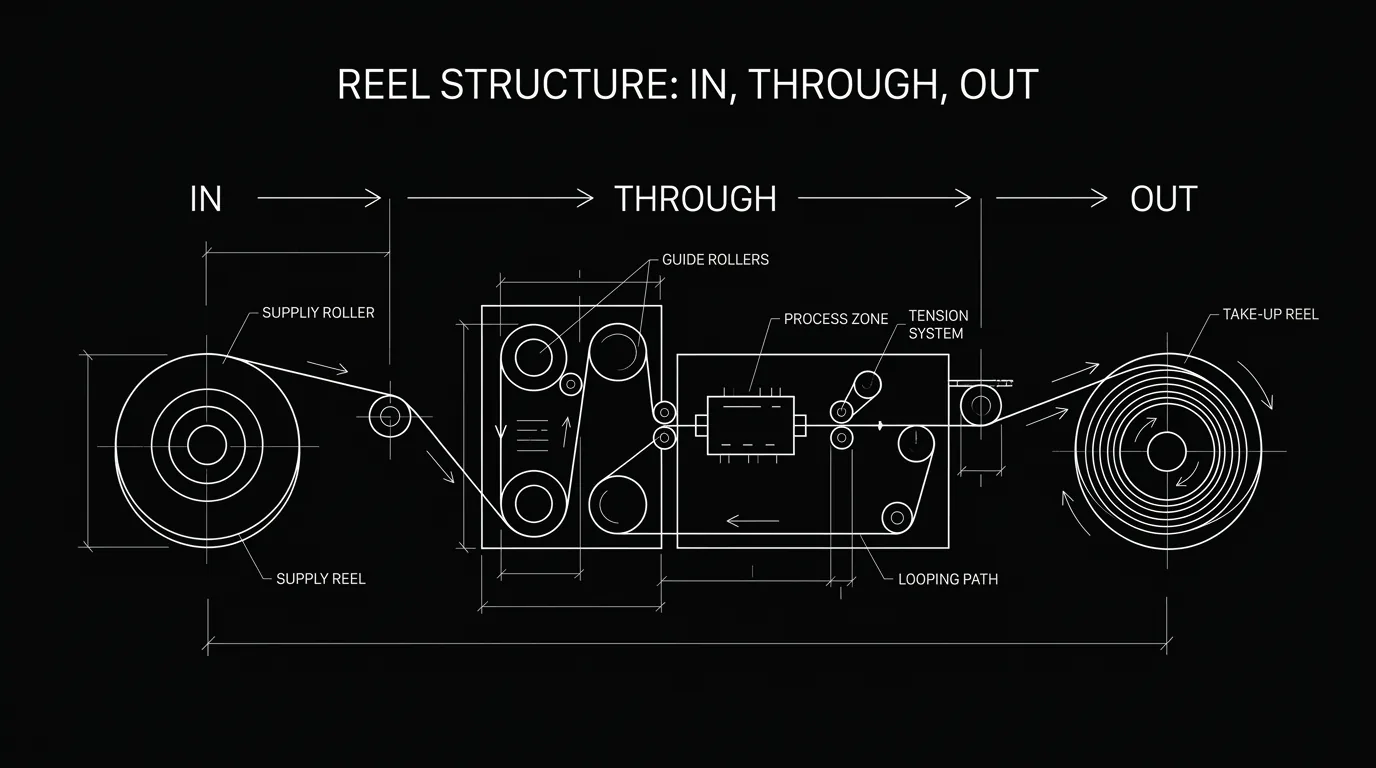
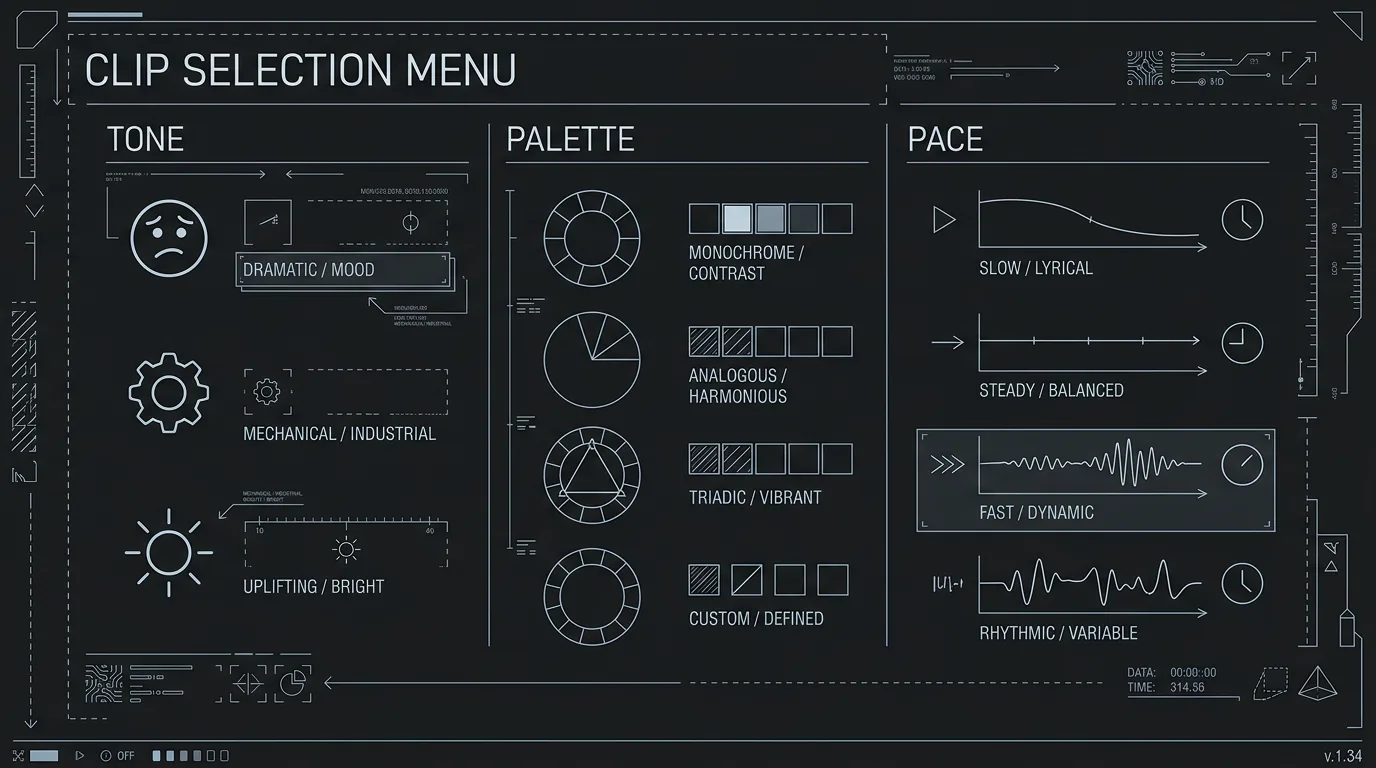
These two visuals work as a pair: the first shows Reel structure: in, through, out; dark mode technical sketch, and the second shifts to Clip selection: tone, palette, pace; dark mode technical sketch - compare them briefly, then move on.
Final Step
Build your next script with Screenweaver
Move from ideas to production-ready pages faster with timeline-native writing and AI-assisted story flow.
Try Screenweaver