
Free tool: use the Slugline Formatter to clean up and standardize your scene headings.
The Nicholl Fellowship: Analyzing Past Winners
Somewhere right now, a writer is adding one more emotional monologue because they're convinced that's what Nicholl wants. Someone else is cramming in a high-concept twist at page 30. Both are missing what the Academy's readers have quietly favored for decades. Nicholl isn't a genre contest. It's a long conversation about what kind of feature-length stories they want to see in the world.
If you study past winners, a pattern emerges: emotional clarity, character integrity, and grounded stakes matter more than any single plot device.
What Nicholl Is Really Measuring
From the reader's chair, Nicholl tests: Can this writer sustain a feature? Does this script feel like cinema, not TV? Is there a human center? Some winners are genre or high-concept, but what's consistent is emotional specificity.
Nicholl scripts tend to feel like they could have been shot on 35mm in any decade and still hit hard.
Patterns in Past Winners' Scripts
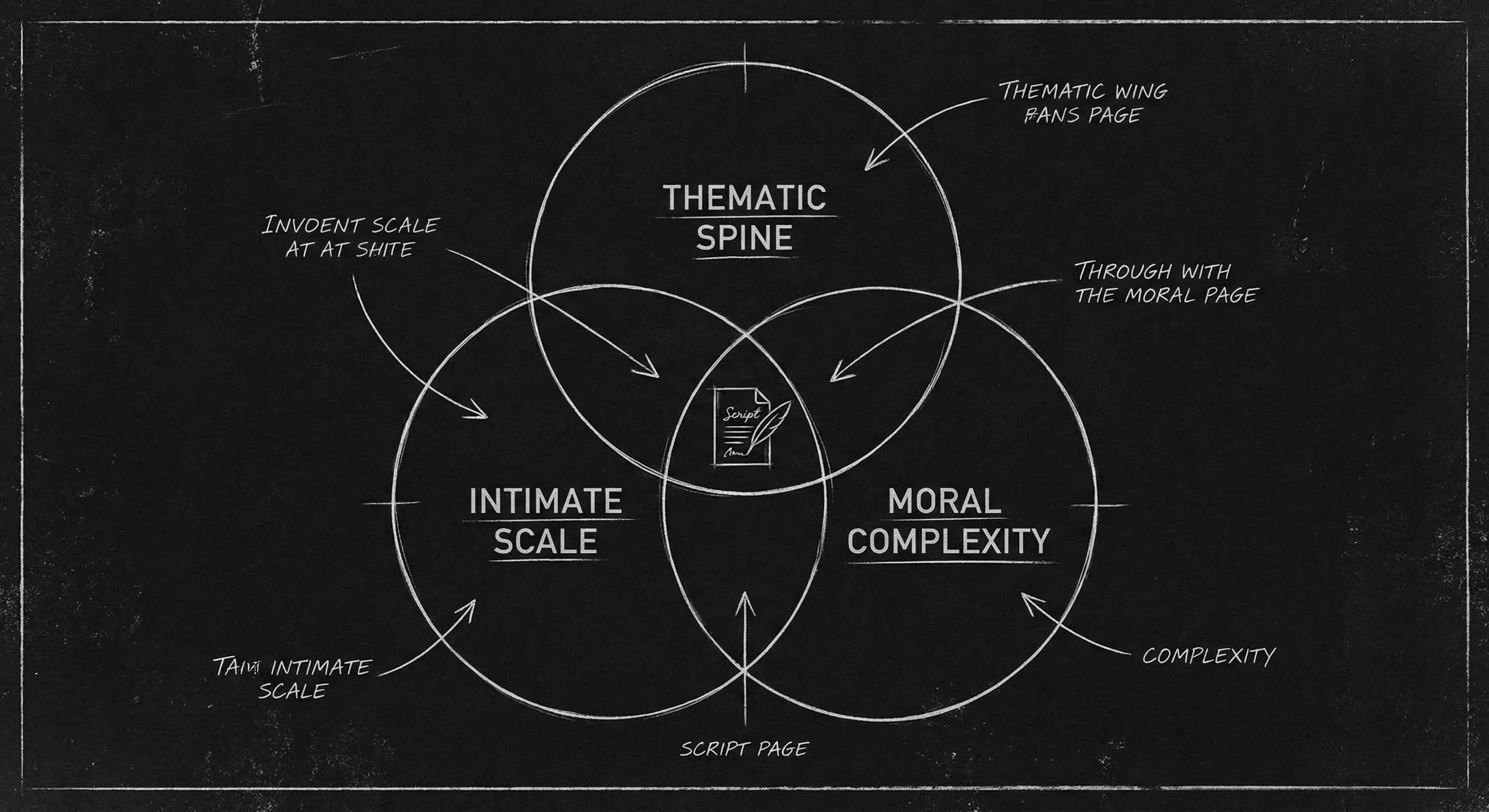
Intimate scale, big feelings. Stories often unfold in small towns, tight families, limited workspaces. But inside those spaces, the stakes are existential for the characters.
Moral complexity. Protagonists make bad choices for understandable reasons; antagonists sometimes have valid grievances. The Academy isn't looking for sermons. They're looking for fully human knots.
A clear, thematic spine. You can usually sum up what the story is wrestling with in one sentence. The plot is the camera move around that question.
Try it free
Try Screenweaver for free on your script
It is free. Import your existing project, get a clearer view of your outline, and regain control of your story structure in minutes.
Start FreeWhat Writers Misunderstand
"Nicholl only likes sad dramas." The constant is earnestness and depth, not misery. Comedy can land if it wears a dramatic backbone.
"I need an Oscar-bait topic." If you don't have a lived or deeply researched connection to a topic, it shows. The Academy is not asking you to perform "importance."
"Voice means quirky formatting." What has worked, year after year, is clean, confident prose, clear scene headings, action lines that read like they were shot on film, dialogue that sounds like people you might overhear. Your uniqueness comes from where you point the camera and who you put in the frame.
The Middle: Where Scripts Live or Die
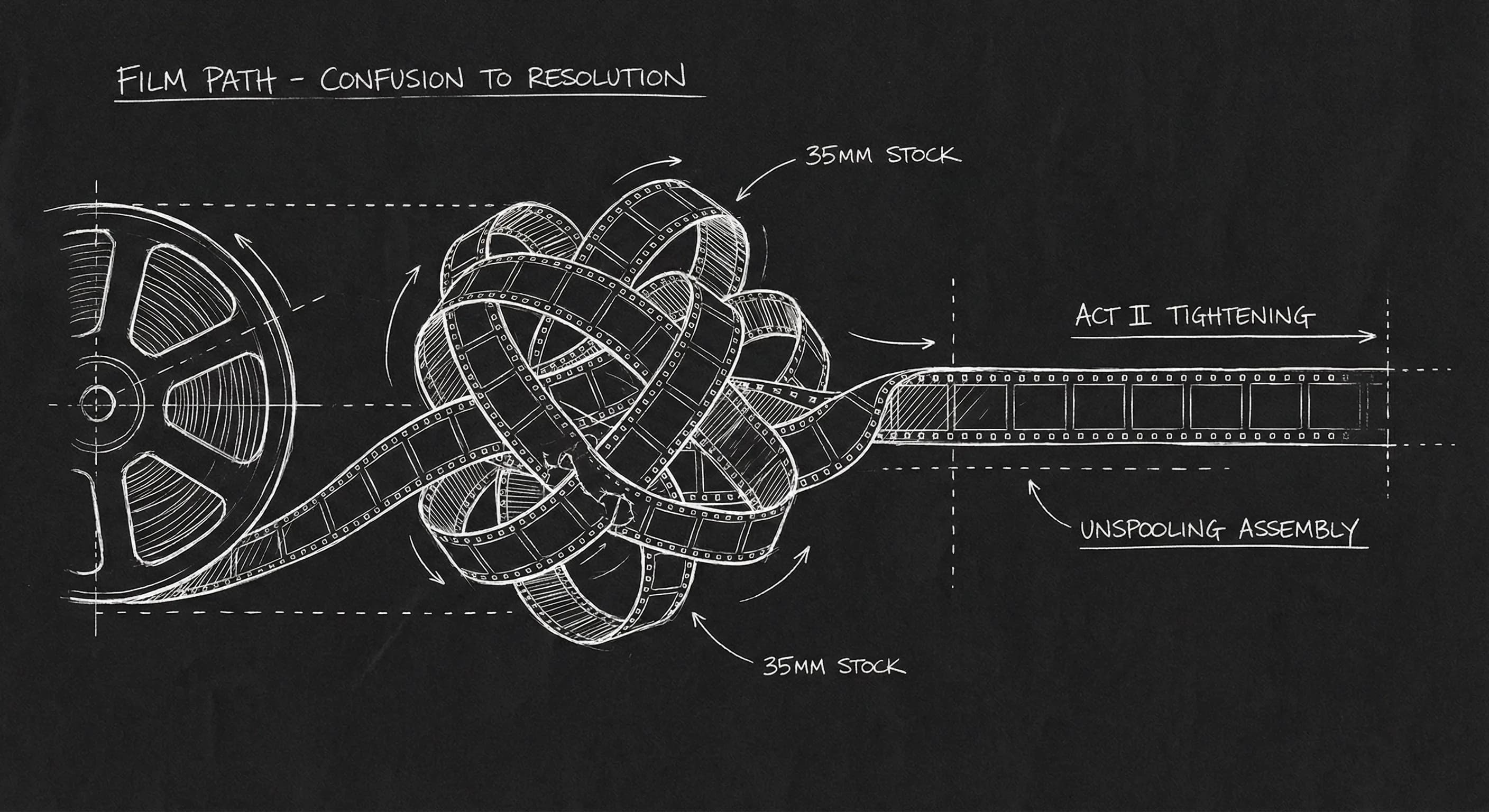
Many entries have strong openings and decent endings. Where they fall apart is the second act. Common failures: repetition of the same beat in different locations, side characters who exist only to stall, theme statements dropped early and abandoned. Nicholl-favored scripts handle the middle so that every step forward reveals new information or new pressure.
A Simple Table for Self-Checking
| Question | Notes |
|---|---|
| Is the protagonist's want clear? | |
| Does the world feel specific? | Town, job, subculture, family dynamics |
| Do stakes escalate without gimmicks? | |
| Does the midpoint change the game? | |
| Is the ending thematically consistent? |
If you're checking "no" down the line, rewrite until the yeses feel honest. For the full application workflow, see our fellowships guide and submission packet advice. Official Nicholl details: oscars.org/nicholl.
Final Step
Build your next script with Screenweaver
Move from ideas to production-ready pages faster with timeline-native writing and AI-assisted story flow.
Try Screenweaver