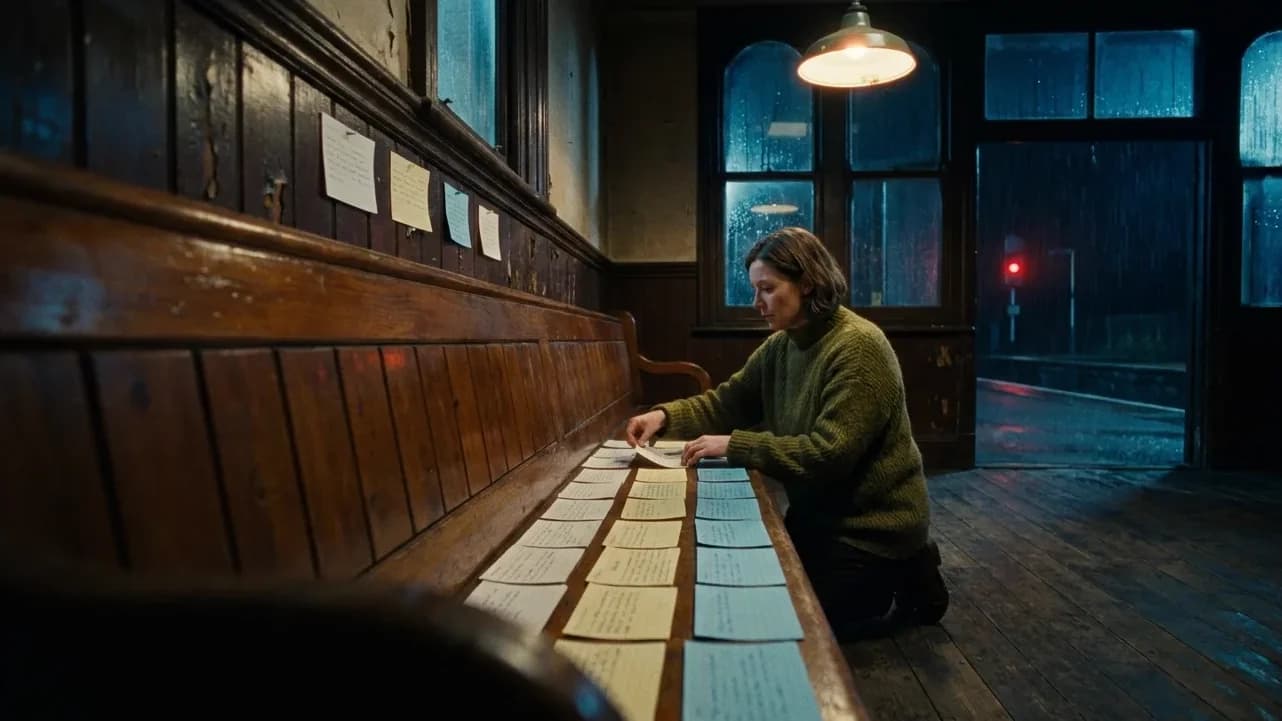
"I've got a great idea for a movie." Someone says this at a party. You ask what it's about. They talk for five minutes. You still don't know what the movie is. That's the problem loglines solve. In one or two sentences, a logline tells you who the protagonist is, what they want, what stands in their way, and what the stakes are. Taglines are different. They're marketing. They don't summarize. They tease.
What a Logline Does
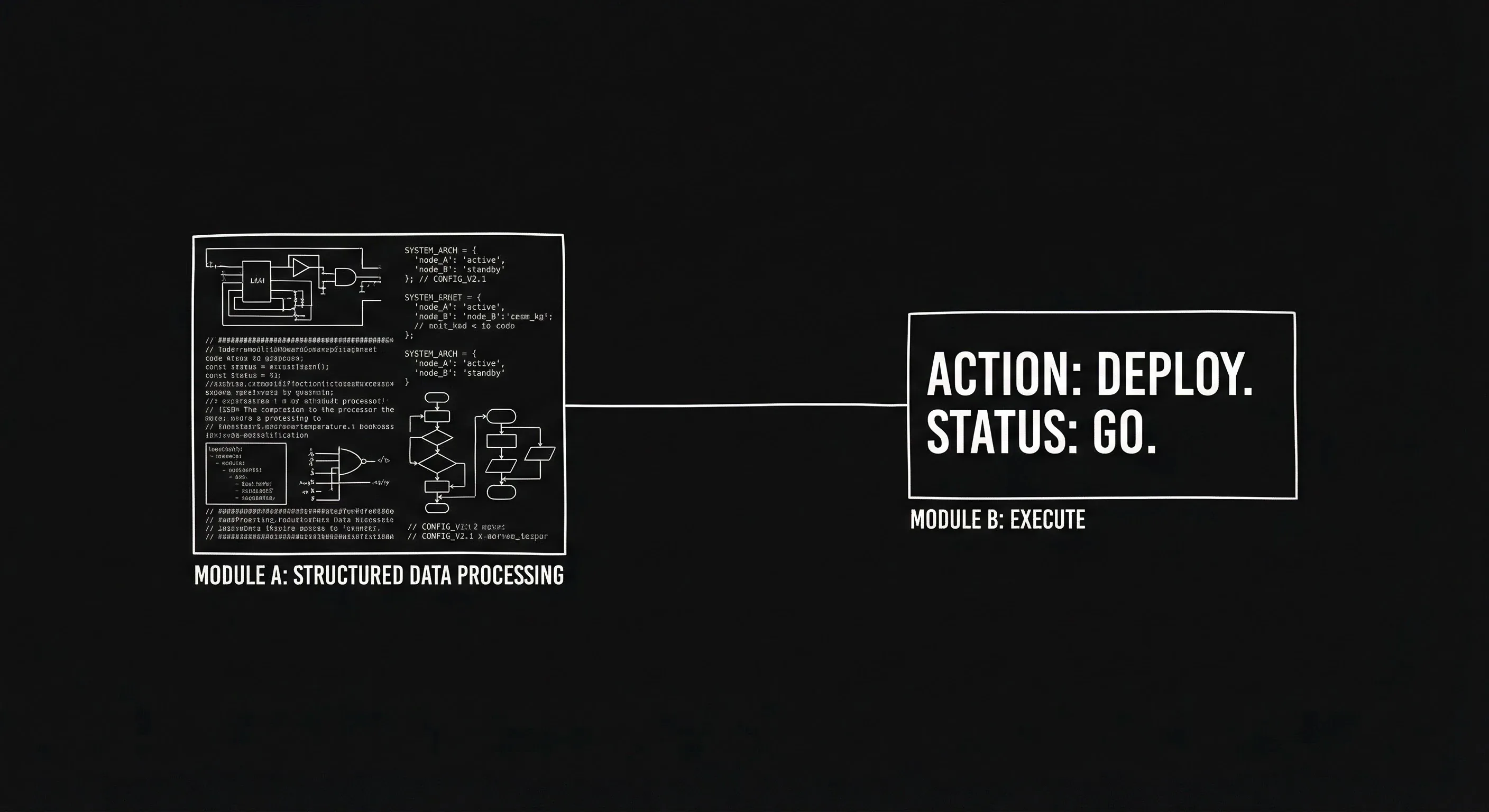
A logline answers: What is this story? It's the elevator pitch. A strong logline typically includes: Protagonist, inciting incident or goal, antagonist or obstacle, stakes. Example: "A paranoid law school graduate must defend a young Marine accused of murder, uncovering a conspiracy that threatens his own life." (A Few Good Men)
What a Tagline Does
A tagline answers: Why should I care? It's emotional. Evocative. "Your nightmares are just the beginning." "Who you gonna call?" None of these tell you what happens. They create mood, promise, intrigue.
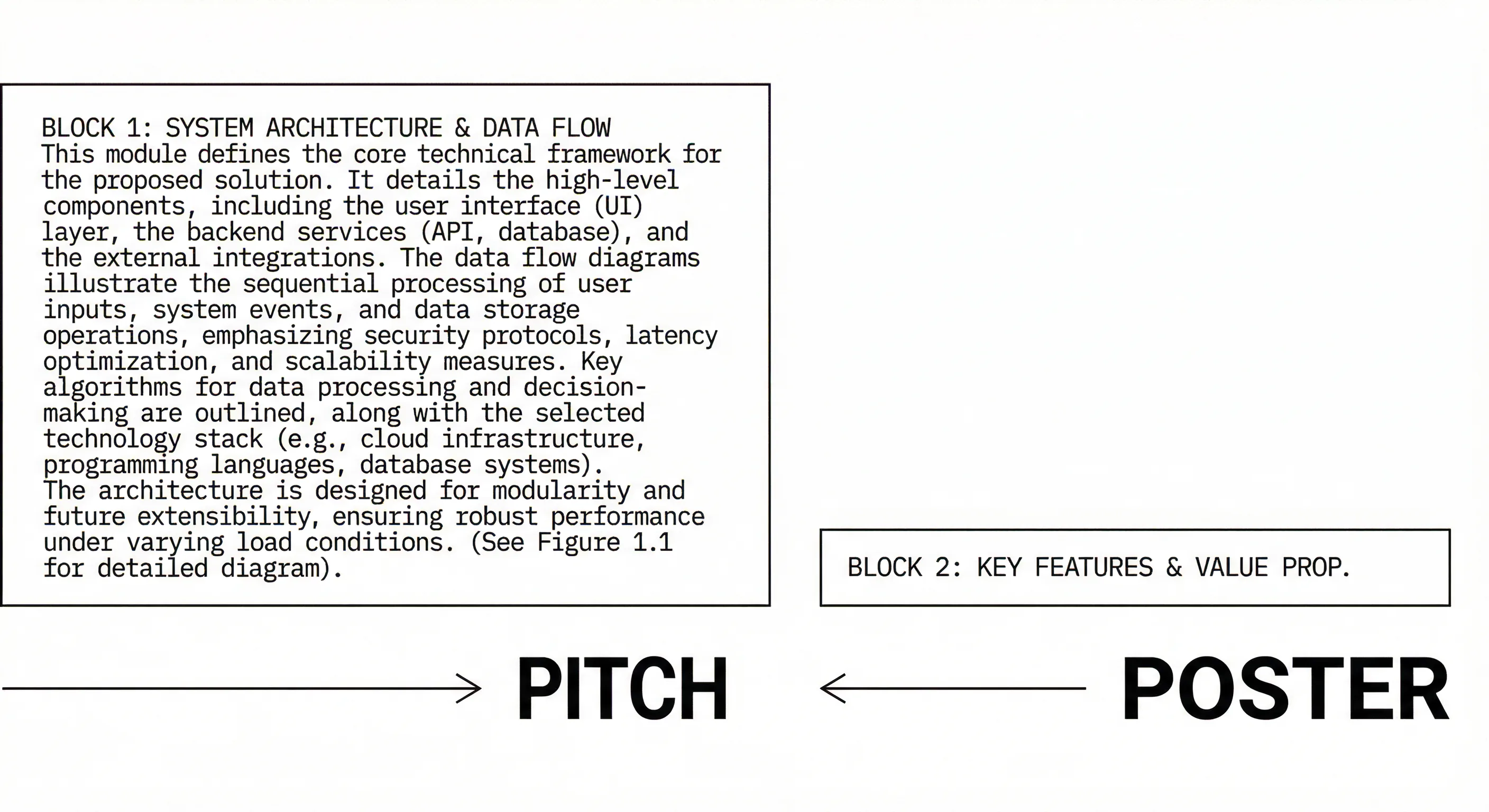
| Logline | Tagline |
|---|---|
| Summarizes plot | Sells feeling |
| Used in industry/pitch | Used in marketing |
| Functional | Emotional |
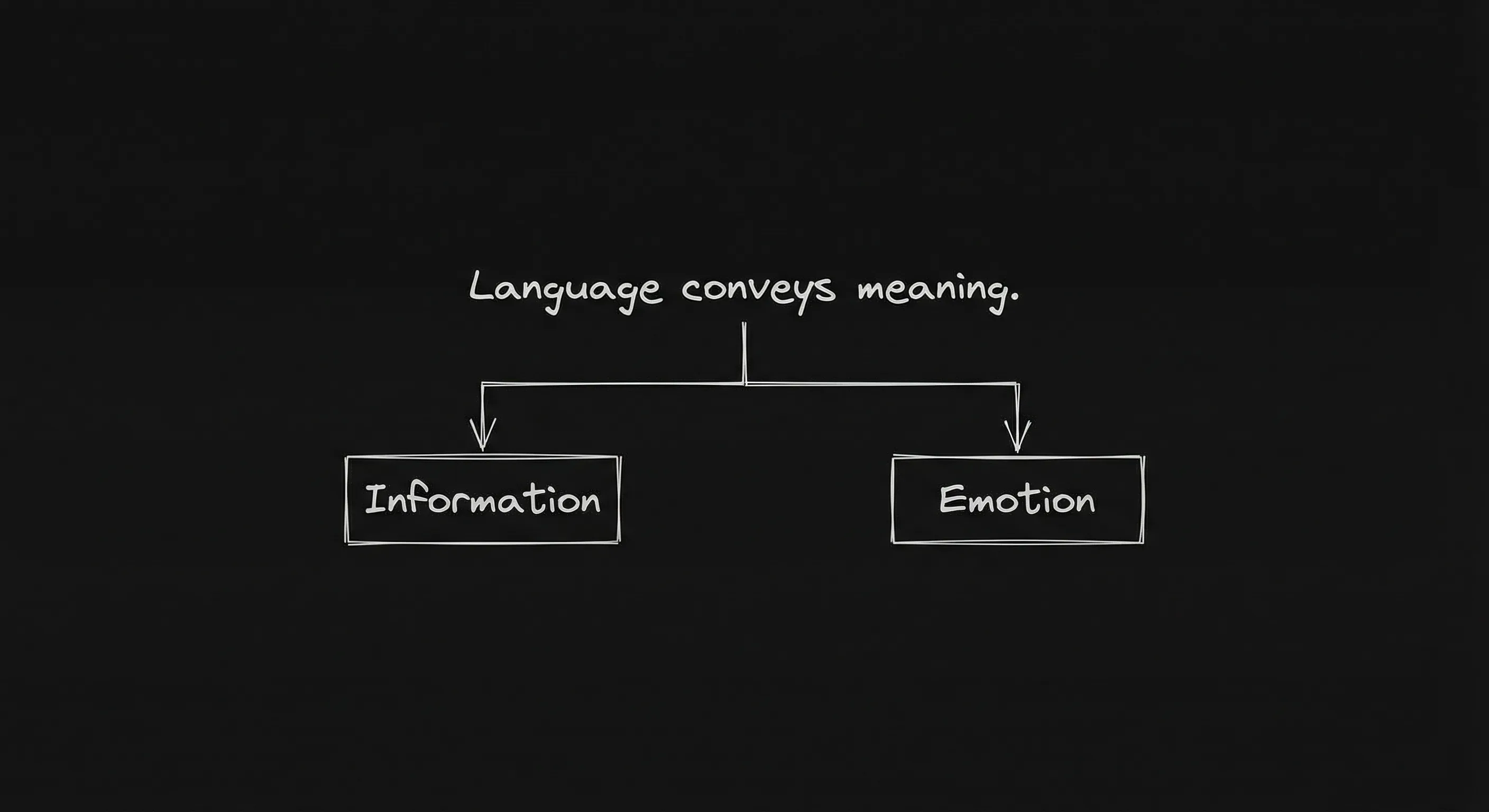
A logline makes someone want to read. A tagline makes someone want to watch.
Understanding the difference sharpens your pitching and your script. For more on how to structure your story for maximum impact, our guide on the Save the Cat beat sheet breaks down how premise translates to structure. Get the logline right first. It'll clarify your story. The tagline can come later,when you're ready to sell it.
Final Step
Build your next script with Screenweaver
Move from ideas to production-ready pages faster with timeline-native writing and AI-assisted story flow.
Try Screenweaver