
Pulp Fiction didn't invent non-linear storytelling. It gave it a grammar. The script jumps between storylines and time frames. We see the end of one thread before we see its beginning. We meet a character who's already dead in another thread. On the page, that has to be clear. Scene headings, time stamps, and the way you signal "we're now elsewhere,or elsewhen" decide whether the reader is lost or locked in. This isn't a guide to why go non-linear (that's another conversation). It's a guide to how to put it on the page so that a reader,and later a director and crew,can follow. Deconstructing Pulp Fiction means looking at how Tarantino and Roger Avary formatted the fragments: how they labeled sections, how they handled time, and how they kept the reader oriented when the chronology was deliberately broken.
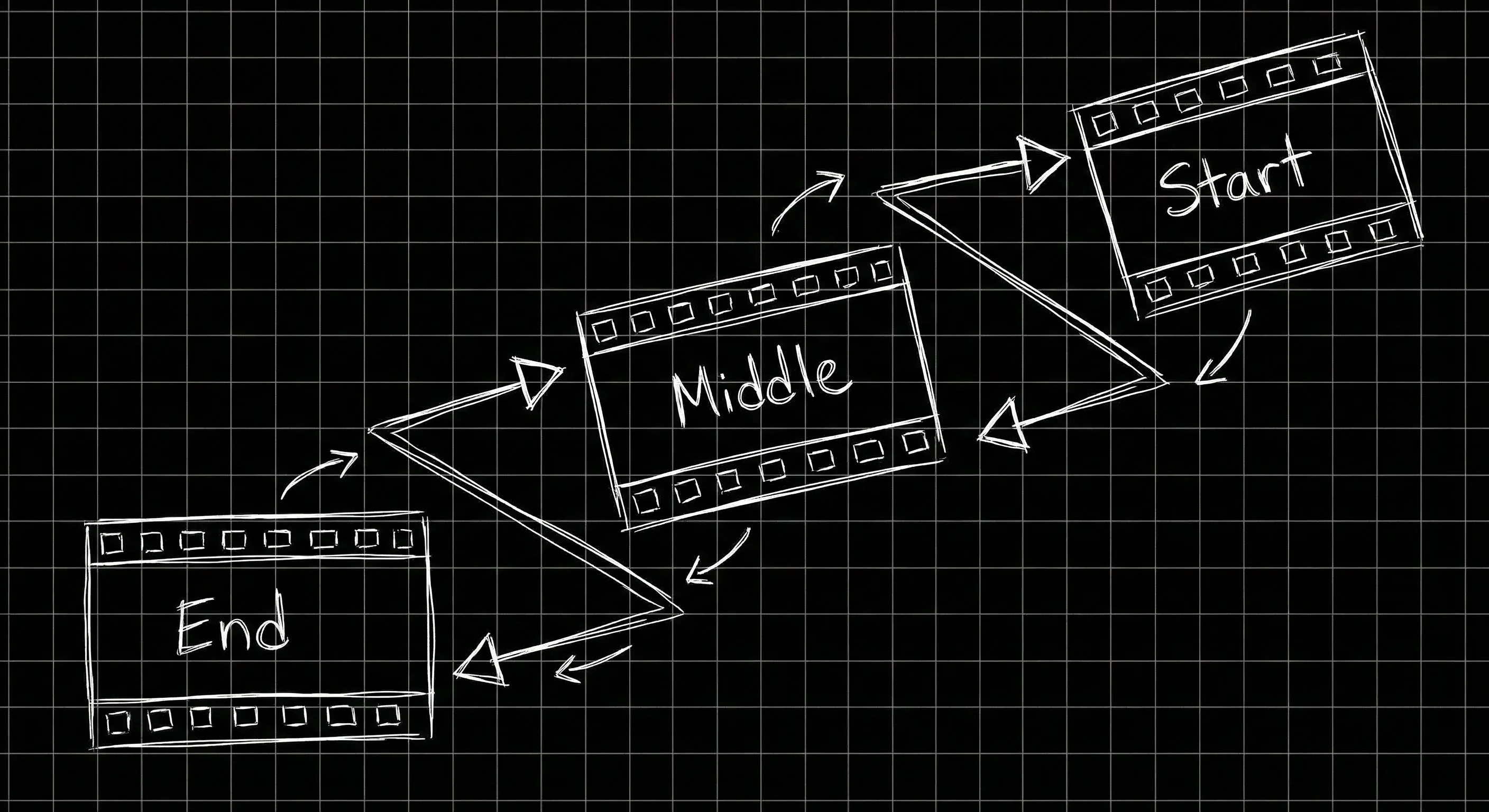
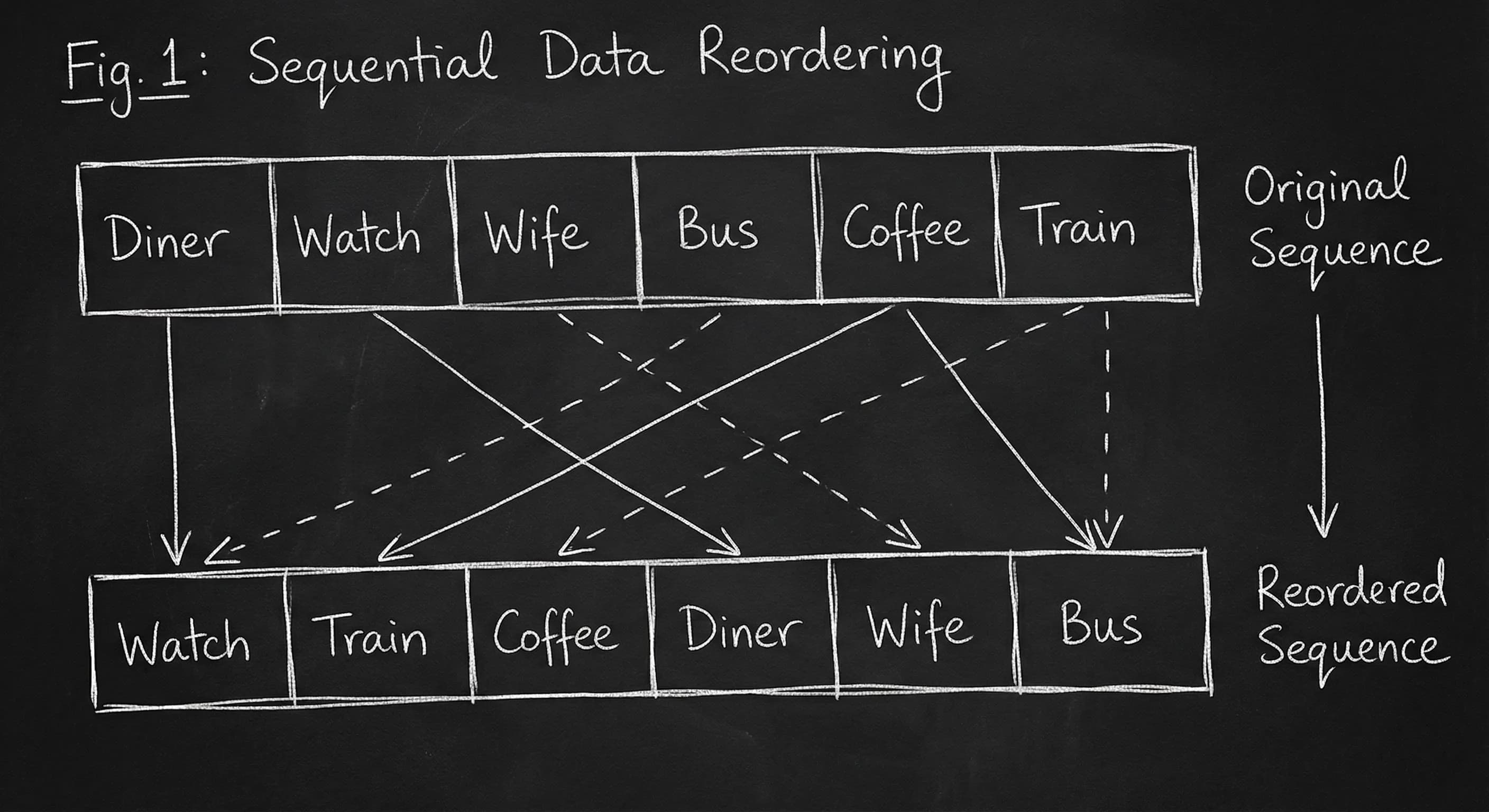
When you write a non-linear script, you have two timelines. The story order (what actually happened, in sequence) and the presentation order (the order in which you show it to the audience). You need to know both. The reader only sees presentation order. So the script has to do two jobs: tell the story in the order you chose, and give just enough signposting that the reader knows where and when they are without you over-explaining. Too little and they're confused. Too much and the device feels heavy. The best non-linear scripts are easy to follow on a first read precisely because the formatting is doing the work.
Free tool: use the Beat Sheet Calculator to map these beats to exact page numbers for your script length.
How Pulp Fiction Organizes the Page
The film is built in sections (often with on-screen titles in the finished film). The script can do the same: numbered or named sections that correspond to blocks of the story. "VINCENT VEGA AND MARCELLUS WALLACE'S WIFE." "THE GOLD WATCH." "THE BONNIE SITUATION." Each section is a chunk of the story. Within each section, scenes are in order,but the sections themselves are out of chronological order. So the reader (and the audience) experiences the story in blocks. The formatting choice is: do you put a section header at the top of each block? Many non-linear scripts do. Something like:
"PART ONE , VINCENT VEGA AND MARCELLUS WALLACE'S WIFE"
or
SECTION A , 9:00 AM
That header tells the reader "we're in a new block." It doesn't have to spell out where this block fits in the full chronology. It just has to be consistent. When we return to a block we've seen before (e.g. we're back at the diner), the script might use the same section label or a sub-label so we know we're re-entering that thread. The point is: one section = one block of story. The order of the sections in the script is your presentation order. For a broader take on non-linear storytelling and when to use it, see our guide on writing non-linear narratives; here we're focused on the mechanics of the page.
Scene Headings and Time
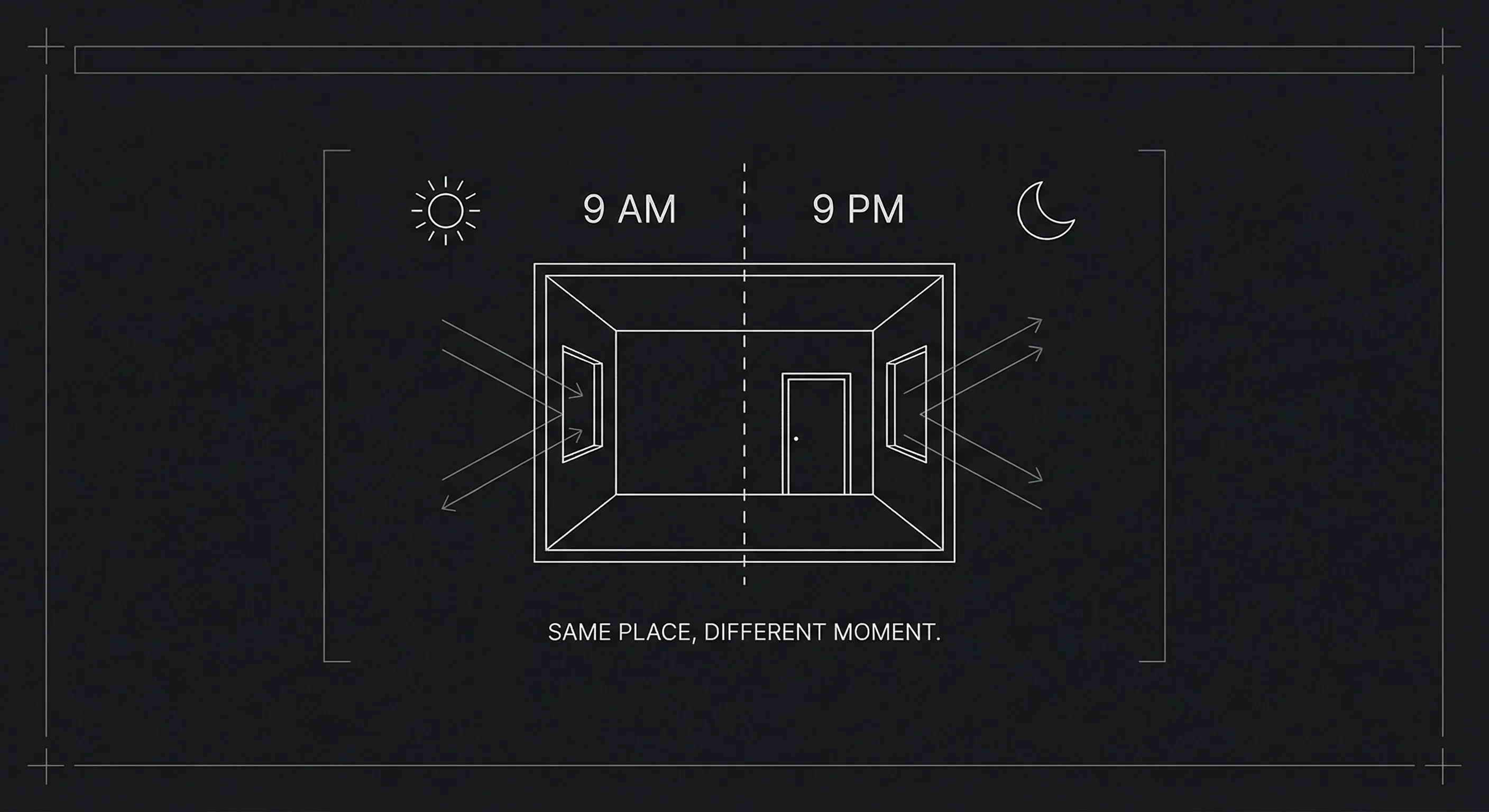
In a linear script, "LATER" or "THAT NIGHT" is usually enough. In a non-linear script, the reader might have seen a scene that "happens later" already. So time stamps can do more work. You have options. Option 1: Use a slug that includes time and place. "INT. APARTMENT - 8:00 AM - VINCENT'S STORYLINE." Option 2: Use a section header for each block and keep scene headings within the block simple (INT./EXT., location, time of day). Option 3: Use a running "story date" or "day" in the margin or in a parenthetical so the reader always knows where this fits. There's no single rule. The rule is: the reader should never be lost about which thread they're in and, when it matters, when it is. In Pulp Fiction, the diner bookends the film. When we're at the diner "again," the script has to make clear that we're at a different point in time,same location, different moment. That might be a section header ("BACK AT THE DINER , MORNING") or a clear scene heading with a time or a story-beat label. The key is consistency. Pick a system and stick to it.
Relatable Scenario: The Script With Three Threads
You're writing a drama with three character threads. Thread A takes place over one day. Thread B over a week. Thread C over a year. You're intercutting them. So the script might have sections: "THREAD A , MORNING." "THREAD B , DAY 3." "THREAD C , SPRING." Each time you switch, you need a heading or a section break that names the thread (and optionally the time). The reader should be able to skim the left margin or the section titles and know where they are. If you just cut from INT. KITCHEN - DAY to INT. OFFICE - NIGHT without indicating which thread, the reader will assume it's the same story. So you add a line: "--- THREAD B ---" or "JAMES , TUESDAY." Formatting is the contract. You're saying: when you see this, we're in this block. When you see that, we're in that block.
Relatable Scenario: The Script That Opens With the End
You want to start with the climax,someone holding a gun, a choice,and then jump to "72 HOURS EARLIER." The formatting has to do two things. First, the opening sequence needs a clear label so that when we return to it later (in real time), the reader recognizes it. So the opening might be "COLD OPEN , FRIDAY 11:00 PM" or "PROLOGUE , THE CHOICE." Later in the script, when we catch up to that moment in chronology, you might use the same label or "BACK TO FRIDAY 11:00 PM" so the reader feels the loop close. Second, the "72 HOURS EARLIER" transition has to be unmistakable. Some scripts use a full slug: "72 HOURS EARLIER." Others use a super or a section break. The goal is: no one turns the page and wonders if they missed something. They know we've jumped. For more on structuring the emotional low before the final act, see our piece on the All Is Lost moment,in a non-linear script, that beat might appear "early" in presentation order and pay off when we see how we got there.
The Trench Warfare Section: What Beginners Get Wrong
No clear section or thread labels. You're cutting between time periods or storylines but the only signal is a new scene heading. The reader has to infer "oh, we're with the other character now" or "oh, this is earlier." That's cognitive load you don't want. Add a section header, a thread name, or a time marker at every block change. Make it easy.
Over-signposting. You don't need "REMEMBER: THIS IS THREE DAYS BEFORE THE OPENING" in the action. A clean "TUESDAY , 3 DAYS EARLIER" at the top of the section is enough. If you have characters explain the timeline to each other just for the reader, it feels like a lecture. Let the formatting carry the timeline; let the dialogue carry the story.
Chronology errors. You showed the character in the blue jacket in "Block A." In "Block B," which is earlier, they're in the red jacket,and you never established they changed. Or the weather in Block A (rain) doesn't match the weather in Block B when we're supposed to be earlier the same day. Keep a master chronology document. List every scene in story order. Check props, clothes, and continuity against it. One slip and the careful reader (or the script supervisor later) will call it out. For a structural view of how to plan the order of blocks, the 8-sequence approach can help you assign function to each block even when the order is non-linear.
Losing the throughline. Non-linear doesn't mean "random." The audience still needs a reason to care. A character, a question, or a theme that ties the blocks together. If every section feels like a different short film with no connection, the script feels like an anthology. The formatting can help: recurring section titles (e.g. "THE DINER" every time we're there) remind the reader that the threads are part of one design.
Formatting that doesn't match the production. Fancy formatting (colors, unusual margins) might not survive the transition to production software. Stick to standard scene headings, section breaks, and clear text labels. If the script is produced, the script supervisor and editor will work from your structure. Keep it readable and translatable.
Try it free
Try Screenweaver for free on your script
It is free. Import your existing project, get a clearer view of your outline, and regain control of your story structure in minutes.
Start FreeComparison: Linear vs. Non-Linear Formatting
| Aspect | Linear script | Non-linear script |
|---|---|---|
| Scene order | Chronological | Presentation order (blocks) |
| Time cues | "LATER," "THAT NIGHT" | Section/thread labels; "X DAYS EARLIER" |
| Reader orientation | Assumed (we're moving forward) | Explicit (we're in Block B, Tuesday) |
| Master doc | Outline or beat sheet | Chronology + presentation order |
You need both a chronology (for logic and continuity) and a presentation order (what's on the page). The formatting reflects presentation order and uses labels so the reader never loses the thread.
Step-by-Step: Formatting Your Non-Linear Draft
Before you format, list every scene in story order (what actually happened). Then decide the presentation order: which block do we see first? Second? Where do we return? Now assign a section or thread name to each block. Use the same name every time we're in that block. In the script, start each block with a section header (e.g. "PART TWO , THE HEIST" or "MARIA , OCTOBER"). Within each block, use normal scene headings (INT./EXT., location, time). When you jump to another block, put the new section header at the top. When you return to a block we've seen, use the same header (or "BACK TO , PART TWO"). Read the script once only by section headers. Can you follow the design? If yes, the formatting is doing its job. For more on building the underlying story before you shuffle it, see outlining a 60-minute TV drama pilot,the same need for a clear spine applies to non-linear features.
The Perspective
Non-linear storytelling is a choice. So is the way you format it. Clear section headers, consistent thread or time labels, and a master chronology will keep the reader,and the production,oriented. Deconstruct Pulp Fiction and you see the blocks. Copy the discipline: one block, one label. Order the blocks the way you want the audience to feel the story. Then make the page reflect that order so precisely that no one gets lost. That's non-linear narrative formatting.
Final Step
Build your next script with Screenweaver
Move from ideas to production-ready pages faster with timeline-native writing and AI-assisted story flow.
Try Screenweaver