
Free tool: use the Logline Workshop to build and pressure-test your logline.
Coverfly and FilmFreeway: Optimizing Your Profiles
At some point, your hard drive stops being the problem. You're no longer short on scripts. You're short on eyes. You've got a feature sample you believe in, a couple of pilots, maybe a short that's made small waves. What you don't have is a clear way to put those things where reps, producers, and festivals can find them. Coverfly and FilmFreeway are distribution systems for your samples and applications. Used lazily, they become cluttered dashboards. Used with purpose, they become part of a coherent ecosystem.
What Coverfly Actually Does for Writers
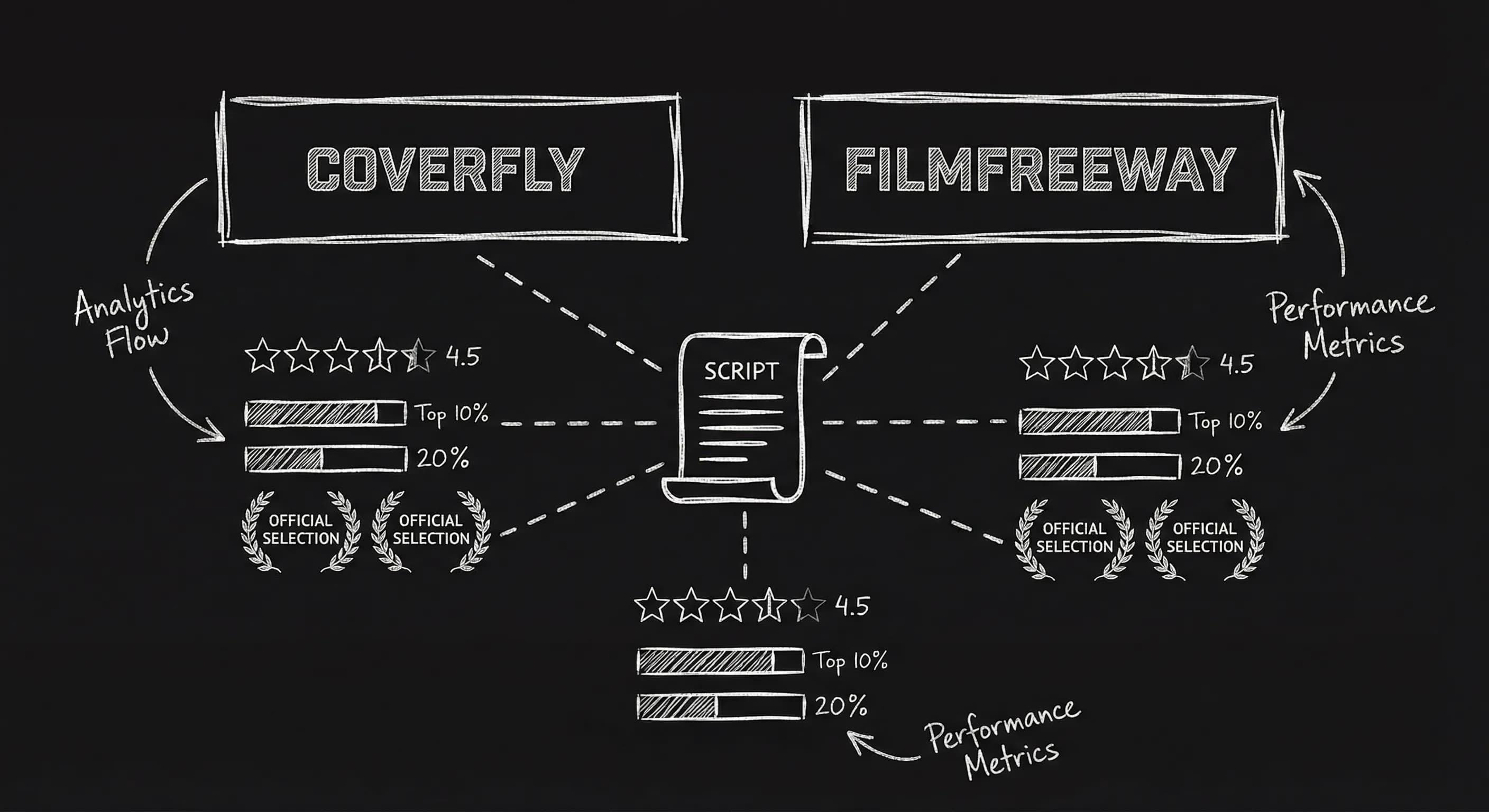
Coverfly sits at the intersection of contest and fellowship submissions, centralized tracking of placements and scores, and a discovery database some reps and producers use. To you, it's a central profile where scripts, loglines, and achievements live; a way to see how your work is performing across programs; and occasionally a channel through which someone requests material. If you treat Coverfly as a trophy shelf, loading every minor contest badge, the signal gets muddy. Treat it like a curated gallery, only your clearest, strongest pieces stay in focus.
What FilmFreeway Actually Does
FilmFreeway is a festival submission platform. It hosts your film and project info, lets you apply to hundreds of festivals with a few clicks, and tracks deadlines and statuses. For writers, its value is making short film submissions manageable and serving as a public-facing project page when festivals and programmers look you up. The magic isn't in having a profile. It's in what you put there. For how shorts fit into your strategy, see our short film festivals guide.
Scenario 1: Cleaning Up a Noisy Coverfly Profile
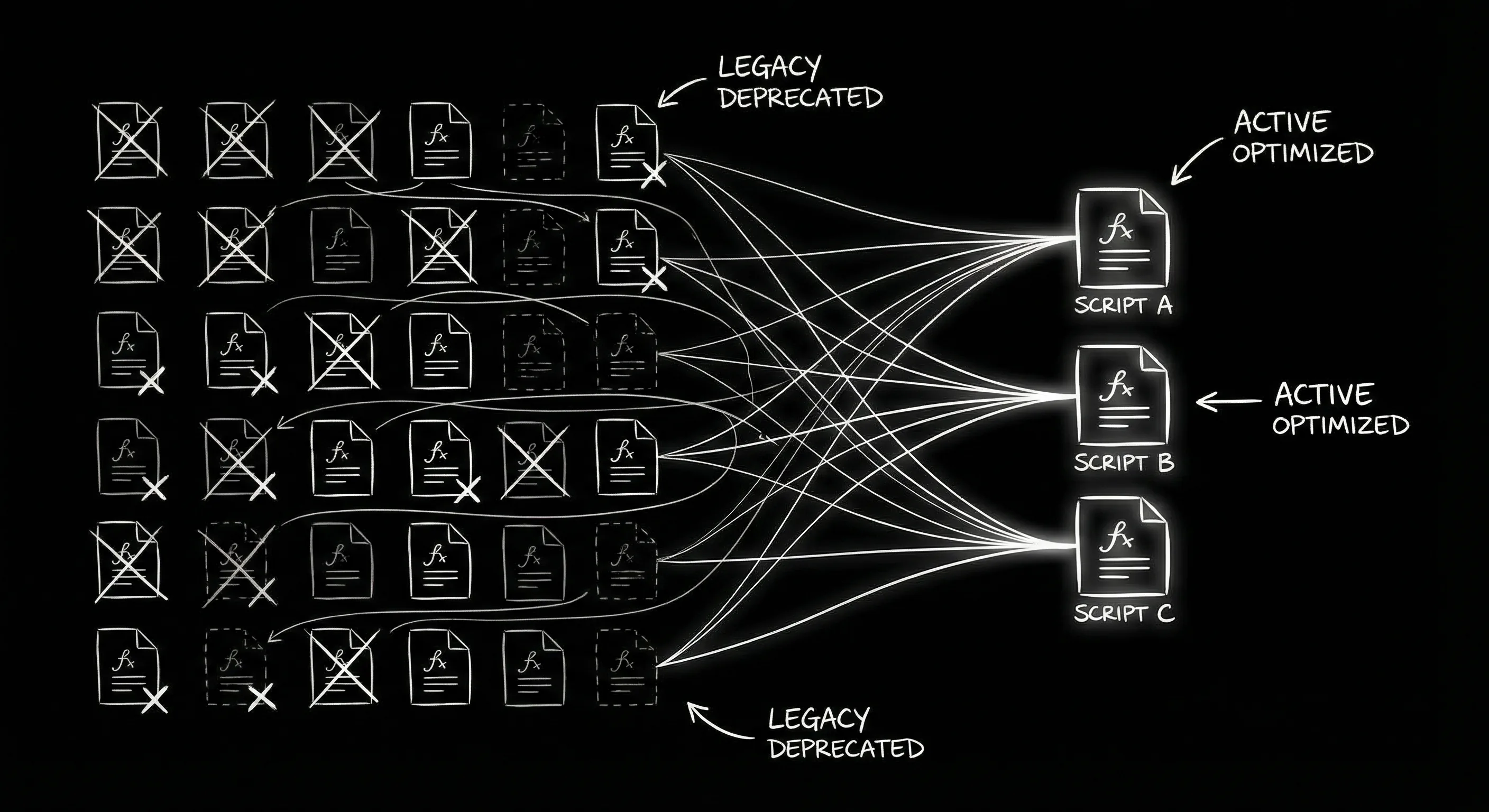
Imagine a writer with eight scripts, dozens of contests, a mix of "Top 20%," "Quarterfinalist," and the occasional finalist. To an industry person, it looks like noise. The fix is editorial judgment: hide or de-emphasize early scripts that no longer represent you, highlight 1–3 key samples, and pin the most meaningful placements (finalist or better at reputable programs). A quick skim should answer: Who are you as a writer? What kind of material do you lean toward? Have credible gatekeepers responded well?
Try it free
Try Screenweaver for free on your script
It is free. Import your existing project, get a clearer view of your outline, and regain control of your story structure in minutes.
Start FreeScenario 2: Building a FilmFreeway Project That Programmers Respect
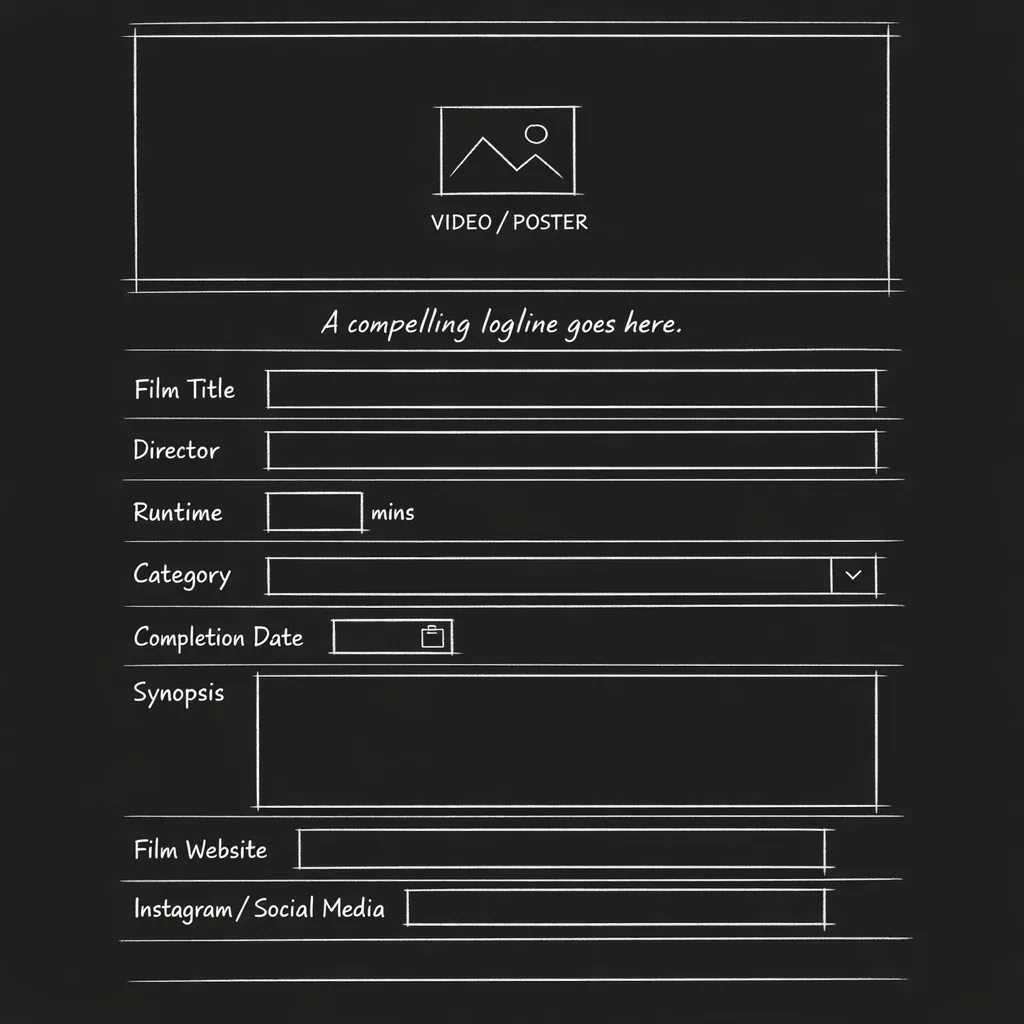
Your project page can't be sloppy, typos, stretched JPEGs, no clear logline, or confusing (runtime missing, genre unclear). A strong page does the same job as a great one-sheet: one arresting image that reflects the film's tone, a razor-sharp logline, a brief specific synopsis, and key credits that matter. You're signaling: "We know what we made, we respect your time, and we understand where this belongs."
Trench Warfare: Mistakes Writers Make
Treating scores as social media likes. Use scores to spot patterns and decide when it's time to move on to the next piece. Don't use them to measure your worth.
Over-submitting without reading fine print. Before submitting, click through to the actual festival or program site, look at past lineups, and ask: "If I got in, would this matter to my long-term plan?"
Ignoring basic profile presentation. A vague or cliché bio, a blurry photo, and generic script descriptions are how you appear to strangers when you're not in the room.
| Platform | Primary use | Best for writers who… |
|---|---|---|
| Coverfly | Tracking scripts & contests | Have multiple samples, use contests strategically |
| FilmFreeway | Festival submissions for films | Have shorts or features produced and want curated audiences |
For current platform policies and eligibility, see FilmFreeway's FAQ.
Final Step
Build your next script with Screenweaver
Move from ideas to production-ready pages faster with timeline-native writing and AI-assisted story flow.
Try Screenweaver