Montages get a bad rap. Training montages. Romance montages. "Time passes" montages. They've become shorthand for lazy writing. It doesn't have to be that way. A montage, properly constructed, can compress time without compressing meaning. It can create rhythm, contrast, and emotional momentum.
What Montages Are Actually For
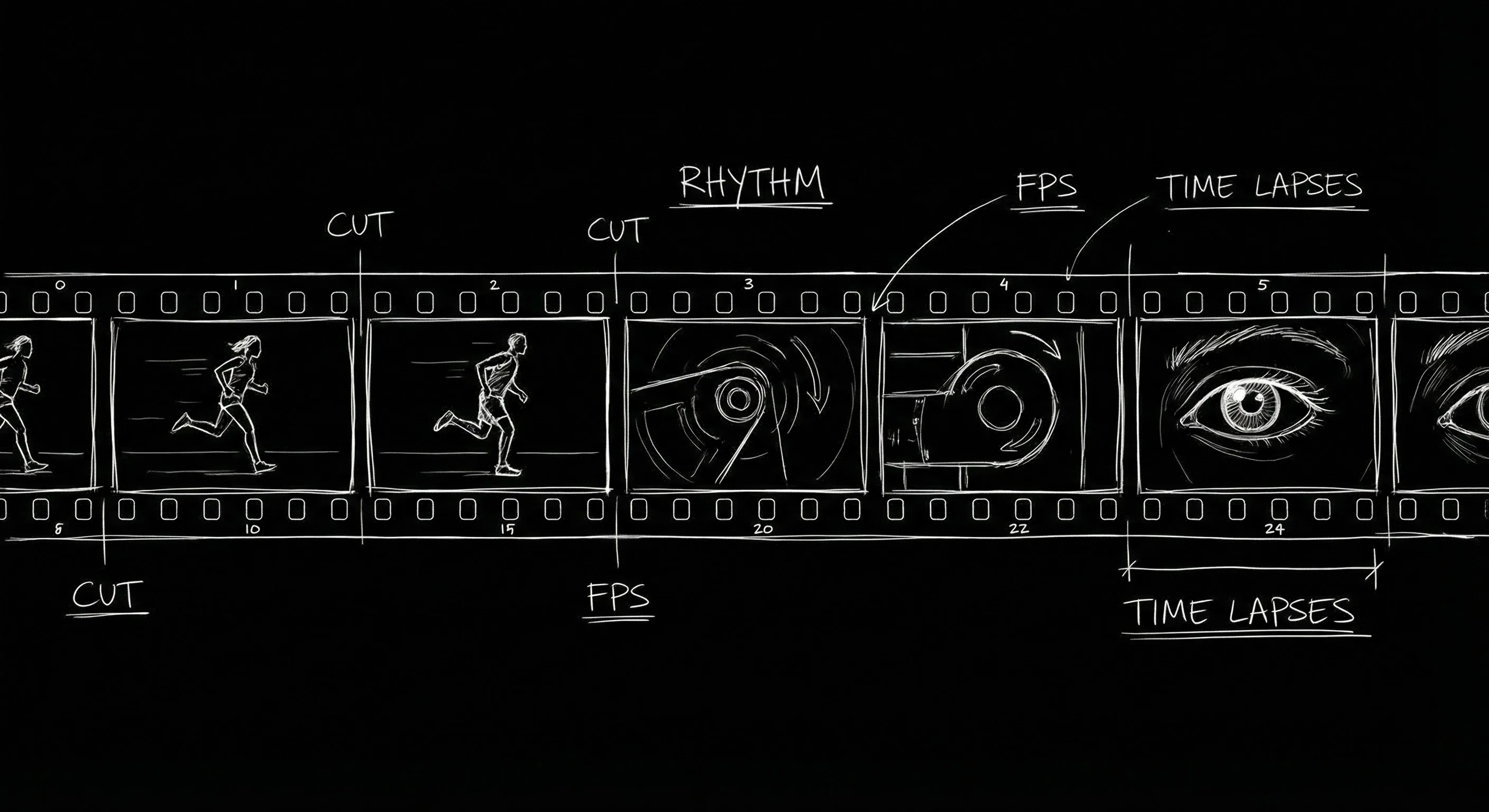
A montage is a sequence of short scenes or images, edited together, that conveys a process, a passage of time, or a thematic idea through juxtaposition. Sergei Eisenstein defined montage as the essence of cinema: the collision of two images creates a third meaning. Cut A + Cut B = Idea C.
The Specificity Principle
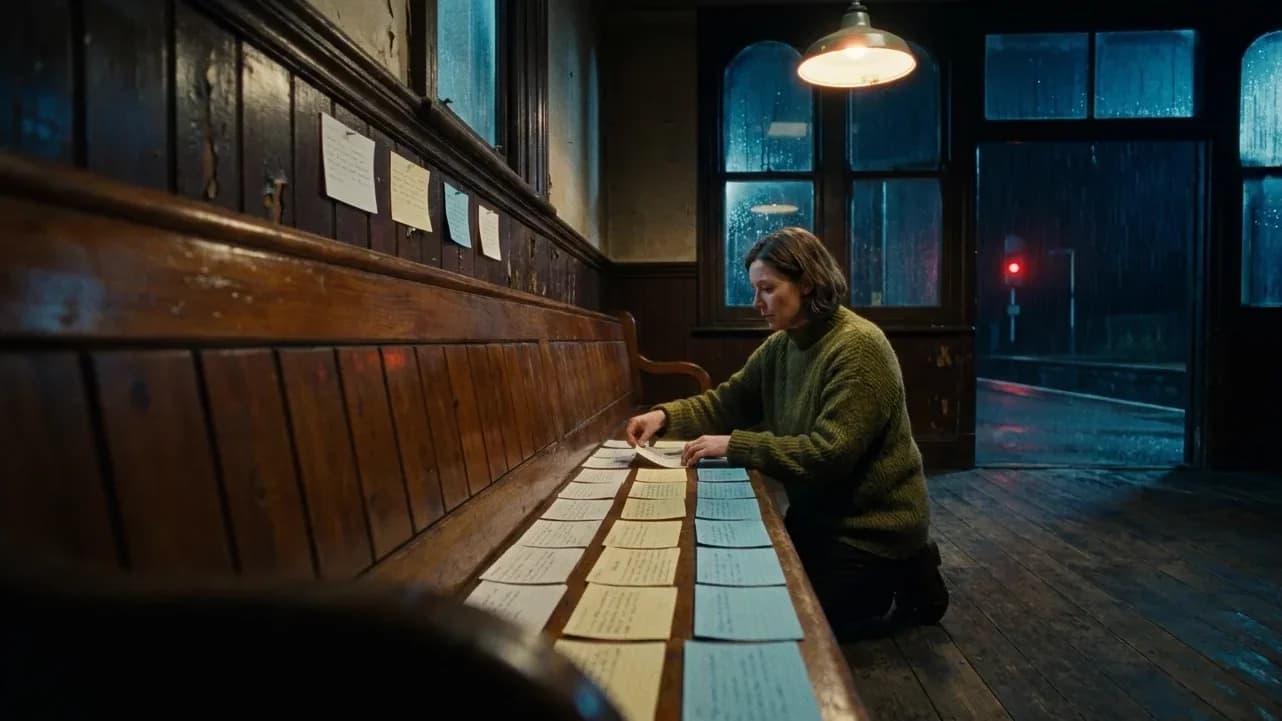
Generic montages feel boring because they're generic. The fix is specificity. What does this character's training look like? A montage of this couple,her stealing his fries, him pretending to hate her music,builds a relationship we recognize.
| Generic Montage | Specific Montage |
|---|---|
| Character runs | Character runs past the same bench every day, each time a little faster, until one day they stop and sit |
| Couple holds hands | Couple's hands,one moment she's reaching for his, the next he's the one initiating; power shifts |
Structure: The Mini-Arc
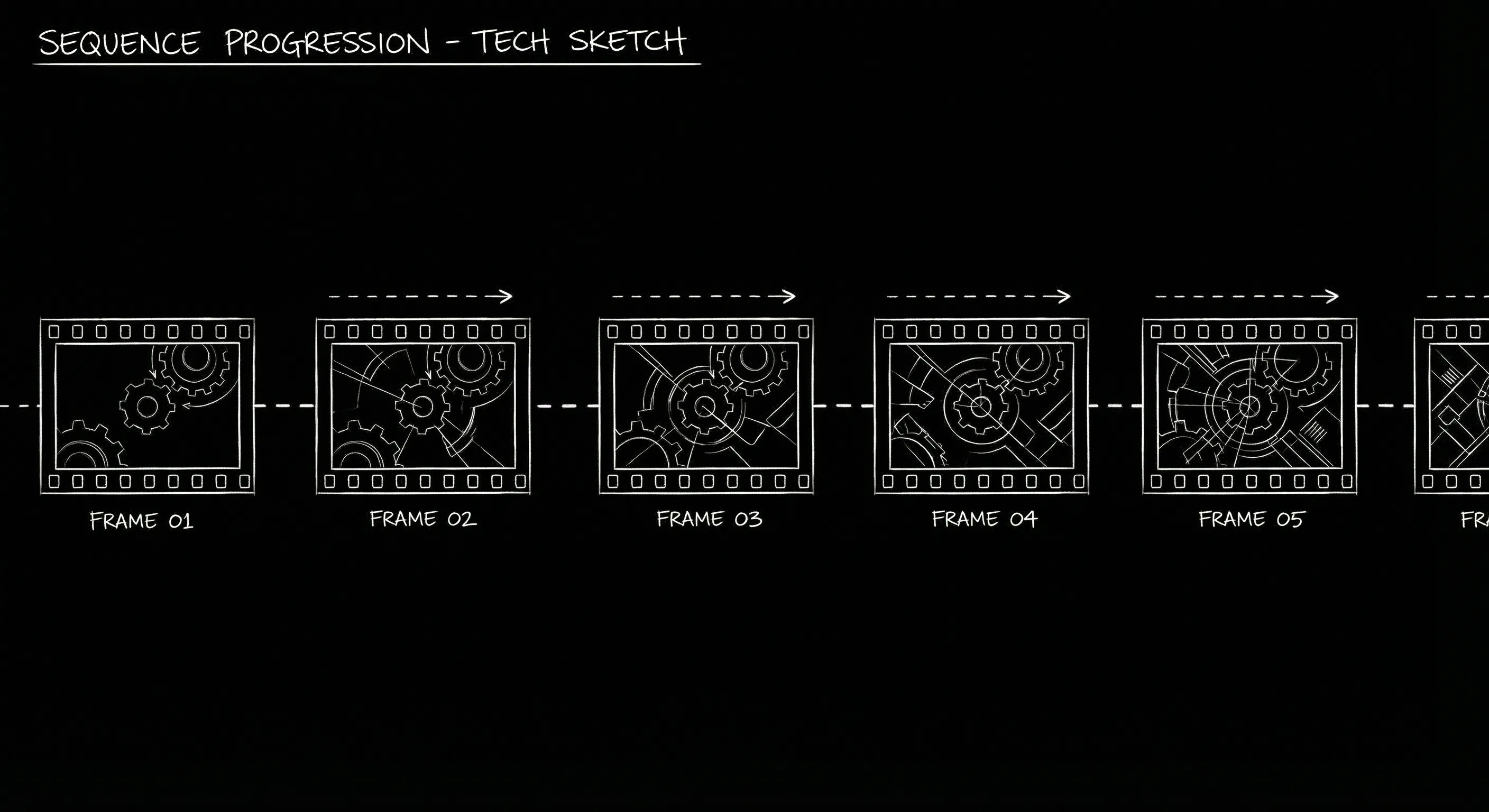
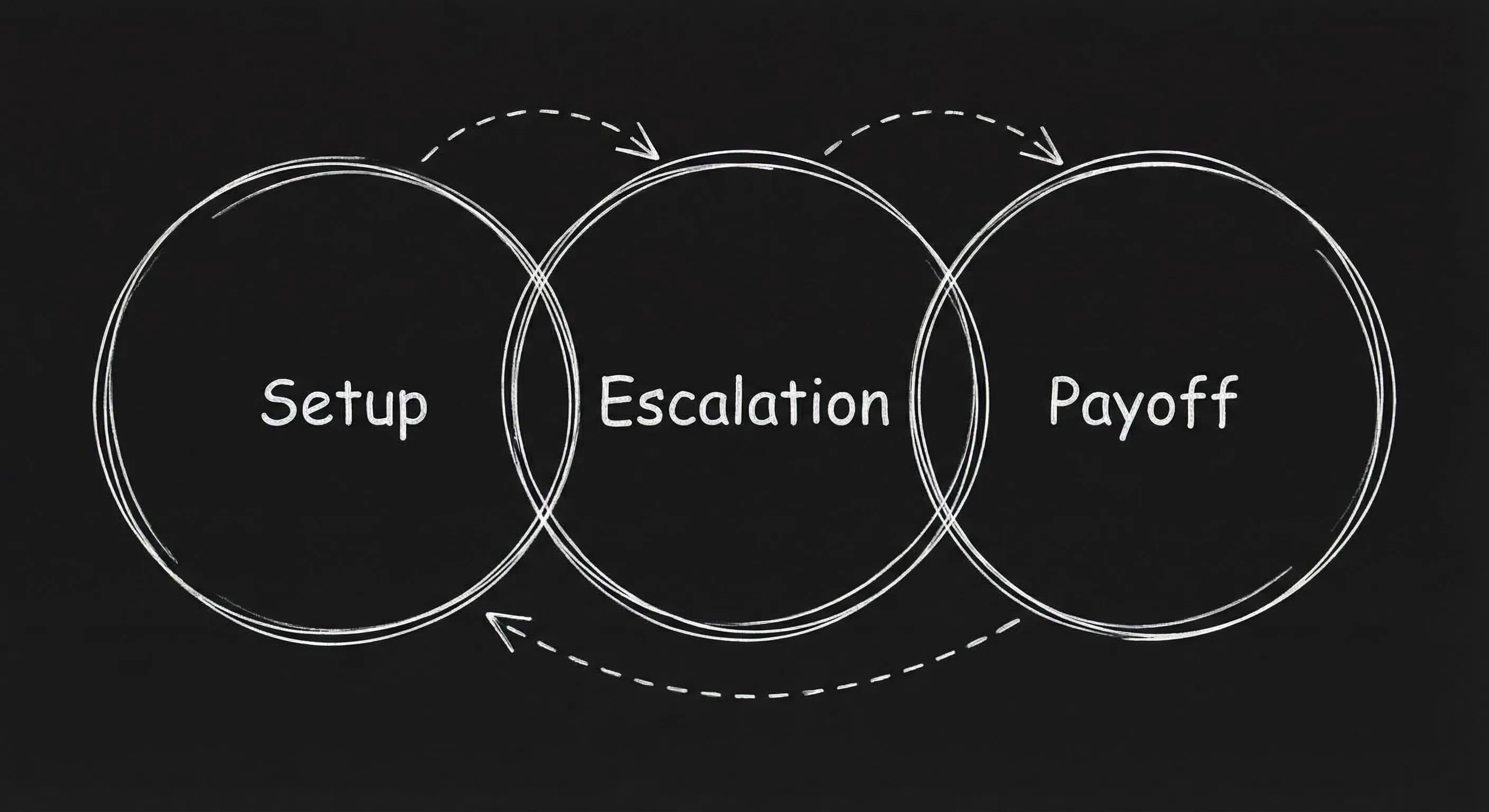
A montage that just "shows stuff" goes nowhere. Even a 90-second sequence needs shape. Setup. Escalation. Payoff or turn. Classic training montage structure: character is bad → character struggles → character improves → character faces a new challenge.
[Video: Montage analysis,Rocky, Up, and Goodfellas,breaking down pacing, specificity, and contrast]
The Surprise Beat
The best montages include a moment that breaks the pattern. Everything has been building,and then one image undercuts or redirects. That beat keeps the montage from feeling predictable.
For writers working with limited production resources, our piece on bottle episodes explores how to create intensity within tight constraints. Montages aren't inherently lazy. They're tools. Use them when compression serves the story. Fill them with specificity. Give them structure. Create contrast.
Final Step
Build your next script with Screenweaver
Move from ideas to production-ready pages faster with timeline-native writing and AI-assisted story flow.
Try Screenweaver