Leitfaden zu Einstellungsgrößen

Jeder Bildausschnitt sichtbar, bereit zum Kopieren

Sehen Sie genau, wo jede Einstellungsgröße das Bild beschneidet, von der im Landschaftsbild verlorenen Gestalt bis zu einem Augenpaar, das die Leinwand füllt, und kopieren Sie dann den Prompt, der diesen Bildausschnitt in Veo, Sora, Runway, Kling oder jedem Bildmodell erzeugt.

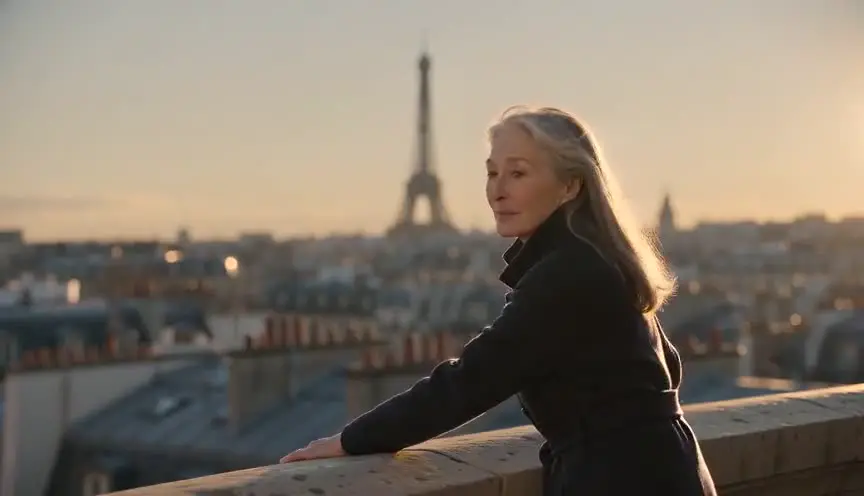
Der Bildausschnitt ist das erste Wort der Filmsprache: Derselbe Moment spielt in der Totalen als Geografie, in der Halbnahen als Gespräch und in der Nahaufnahme als Geständnis. Jede Karte unten zeigt dasselbe Motiv in einer Größe der klassischen Skala, damit die Unterschiede sichtbar statt beschrieben sind.

Die Ausschnittsdemos werden in Ihrem Browser gerendert. Das Kopieren eines Prompts sendet nichts an einen Server.

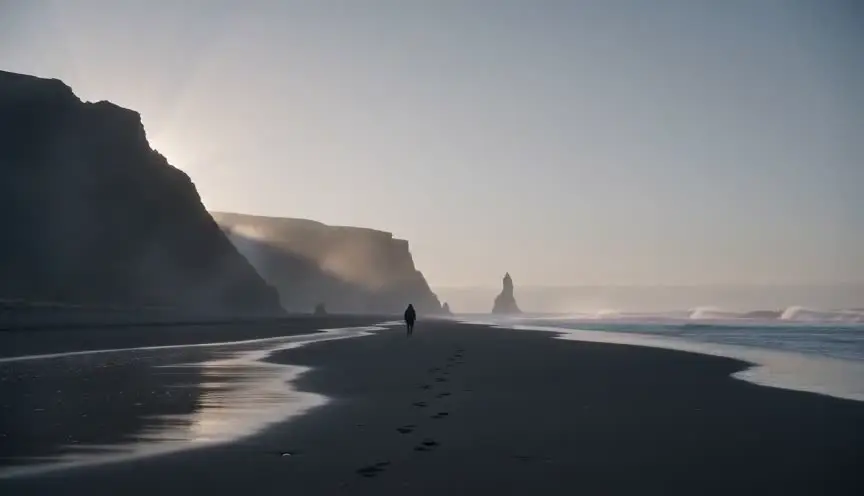
Extreme wide shot

EWS

The subject is a small element in a vast environment; the location is the real subject of the frame.

Wann einsetzen: Openings, establishing geography, isolation, and scale - the world before the person.

extreme wide shot, the subject tiny in a vast landscape

Vollständigen Beispielprompt ansehen

A traveler crosses a salt flat at dawn, extreme wide shot, the subject tiny in a vast landscape, pastel sky.
Wide shot

WS

The full subject is visible with generous room around them; body and environment share the frame.

Wann einsetzen: Establishing a character in a place, blocking-heavy scenes, physical comedy.

wide shot showing the full subject and their surroundings

Vollständigen Beispielprompt ansehen

A mechanic stands in a cluttered garage doorway, wide shot showing the full subject and their surroundings.

Full shot

FS

The frame cuts just above the head and just below the feet: the body fills the height of the frame.

Wann einsetzen: Costumes, posture, and movement - showing exactly how a character carries themselves.

full shot framing the subject from head to toe

Vollständigen Beispielprompt ansehen

A dancer in rehearsal clothes holds a final pose, full shot framing the subject from head to toe, studio light.

Cowboy shot

MWS

The frame cuts at mid-thigh - historically to keep a gunslinger's holster visible.

Wann einsetzen: Confrontations and swagger; a power framing that keeps hands and hips in play.

cowboy shot framing the subject from mid-thigh up

Vollständigen Beispielprompt ansehen

A sheriff squares up in the saloon doorway, cowboy shot framing the subject from mid-thigh up, backlit dust.

Medium shot

MS

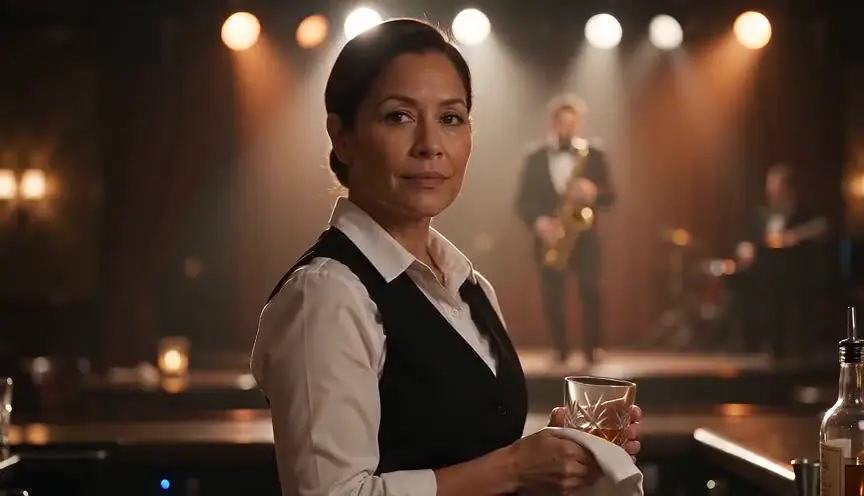
The frame cuts at the waist: close enough for expression, wide enough for gesture.

Wann einsetzen: The workhorse of dialogue - conversations, interviews, most scene coverage.

medium shot framing the subject from the waist up

Vollständigen Beispielprompt ansehen

A journalist leans into the interview question, medium shot framing the subject from the waist up, office bokeh.

Medium close-up

MCU

The frame cuts at the chest: the face leads, but shoulders keep body language alive.

Wann einsetzen: Emotional dialogue beats, reactions that still need a hint of posture.

medium close-up framing the subject from the chest up

Vollständigen Beispielprompt ansehen

A witness hesitates before answering, medium close-up framing the subject from the chest up, courtroom light.

Close-up

CU

The face fills the frame, cut around the shoulders; every micro-expression reads.

Wann einsetzen: Key emotional moments, decisions, the audience inside a character's head.

close-up on the subject's face

Vollständigen Beispielprompt ansehen

Tears she refuses to release, close-up on the subject's face, candlelight flickering.

Extreme close-up

ECU

A fragment of the face - usually the eyes - fills the entire frame.

Wann einsetzen: Maximum intensity: realization, terror, obsession, the western standoff stare.

extreme close-up on the subject's eyes

Vollständigen Beispielprompt ansehen

The moment the plan clicks into place, extreme close-up on the subject's eyes, reflected neon.

Insert shot

INSERT

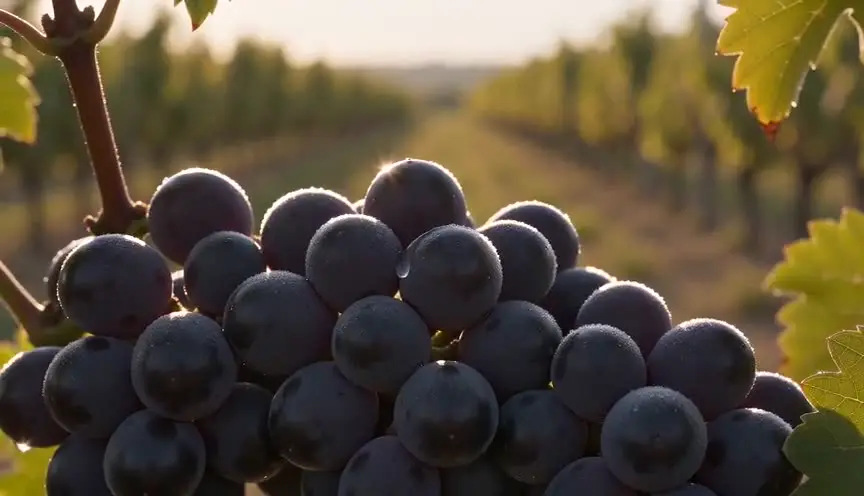
A tight detail of an object or action - hands, a letter, a key turning - not a face.

Wann einsetzen: Story-critical props, cutaways that carry plot information, tactile texture.

insert shot, extreme close-up detail of the object

Vollständigen Beispielprompt ansehen

A brass key slides into an old lock, insert shot, extreme close-up detail of the object, shallow focus.

So nutzen Sie diese Seite

Suchen Sie den Bildausschnitt, der zum nötigen Kontext Ihres Moments passt, kopieren Sie seinen Promptbaustein und stellen Sie ihn an den Anfang Ihres KI-Prompts, vor Motiv und Handlung, denn Modelle gewichten frühe Wörter stärker. Jeder Baustein verbindet den Fachbegriff mit einer alltagssprachlichen Umschreibung („das Motiv ab der Hüfte im Bild“), was Modelle auch dann ehrlich hält, wenn sie den Fachbegriff großzügig auslegen. Das Beispiel auf jeder Karte zeigt den Baustein in einem vollständigen Prompt.

Einstellungsgrößen in Film und KI-Video

Die Skala der Bildausschnitte ist das älteste gemeinsame Vokabular des Films: weite Totale, Totale, Ganzeinstellung, Amerikanische, Halbnahe, Nahaufnahme, Großaufnahme, Detailaufnahme und der Insert für Gegenstände. Jedes Team der Welt storyboardet, listet und inszeniert mit diesen Begriffen, und genau deshalb reagieren KI-Modelle darauf, die auf beschriebenem Material trainiert wurden.

Der praktische Unterschied zwischen benachbarten Größen ist das, was im Spiel bleibt. Die Halbnahe behält die Geste; die Nahaufnahme tauscht Geste gegen Ausdruck; die Großaufnahme tauscht Haltung gegen Mikromimik. Eine Größe zu groß oder zu klein zu verlangen ist der Grund, warum KI-Dialogeinstellungen so oft zu distanziert oder zu heftig wirken.

Sequenzen wirken professionell, wenn Größen mit Absicht wechseln: mit einer Totalen etablieren, die Szene in Halbnahen spielen, den Wendepunkt in einer Großaufnahme landen, auf einen Insert schneiden, wenn eine Requisite die Handlung trägt. Wer seine KI-Einstellungen mit dieser Disziplin erzeugt, bekommt Clips, die sich wie echte Auflösung schneiden lassen statt wie eine Rolle zusammenhangloser Bilder.

Für wen das gedacht ist

  • KI-Filmschaffende: verlangen Sie genau den geplanten Bildausschnitt, statt so lange neu zu erzeugen, bis der Beschnitt passt.
  • Filmstudierende: lernen Sie die Skala so, wie sie auf der Leinwand wirkt, mit jeder Größe am selben Motiv gezeigt.
  • Regie und Storyboard: teilen Sie eine einzige visuelle Referenz, damit Bögen, Einstellungslisten und KI-Prompts dieselbe Sprache sprechen.

Shot Size Guide: the complete guide

It visualizes the complete framing scale, extreme wide to extreme close-up plus the insert shot, on the same subject, each with the copy-paste prompt fragment for AI video and image generation.

For this workflow, the central problem is clear: shot sizes are learned from written definitions, so creators prompt 'medium shot' expecting a close-up and storyboard frames that do not match what the terms mean on set. Left unresolved, this creates downstream friction and slower decisions. The practical target is you see exactly where every framing cuts the body, and copy the prompt phrasing that produces that exact framing in AI models.

Limitation to keep in mind: Framings are conventions, not laws: a 'medium shot' cut point varies slightly between productions, and AI models interpret the terms with the same small variance.

Advanced workflow: Directors plan coverage by alternating sizes deliberately: wide to establish, medium for dialogue, close-up for the turn. Prompting AI shots with the same discipline produces sequences that cut together like real coverage.

Step-by-Step Workflow

  1. Identify the framing your moment needs: how much body, how much environment, how much face.
  2. Copy the prompt fragment and lead your AI prompt with it, before subject and action.
  3. Expand the example to see the framing used in a complete, well-ordered prompt.
  4. Plan sequences by alternating sizes the way real coverage does: wide, medium, close, insert.

Use Cases By Profile

  • AI filmmaker: prompt the exact framing you storyboarded instead of regenerating until it looks right.
  • Film student: internalize the framing scale visually, the way it reads in a frame, not a glossary.
  • Storyboard artist: share a common size vocabulary with directors and AI pipelines alike.

Common Mistakes To Avoid

  • Prompting 'close-up' when the moment needs chest-up body language: that is a medium close-up.
  • Jumping from extreme wide to extreme close-up with nothing between, which cuts feel jarring.
  • Forgetting the insert shot: story-critical props deserve their own framing, not a corner of a wide.

Professional Best Practices

  • Lead the prompt with the size ('medium shot of...') - models weight early tokens more heavily.
  • The cowboy shot is the secret weapon for confrontation scenes: power without losing the hands.
  • For dialogue coverage, generate matching MCU pairs of both characters for clean shot-reverse-shot.

Treat this tool output as a decision support layer, not a replacement for authorship. Great scripts are remembered for specific choices, emotional precision, and clarity of dramatic movement. Tools help by removing noise so your energy can go where it matters: character, conflict, escalation, and payoff. If you review outcomes after each pass and keep an explicit log of accepted changes, your workflow becomes faster and more predictable from draft to draft. That consistency is exactly what professional collaborators value: fewer surprises, clearer rationale, and a script that evolves with intent.

Extended FAQ

What are the standard camera shot sizes?

The classic scale runs extreme wide shot, wide shot, full shot, cowboy (medium wide), medium shot, medium close-up, close-up, and extreme close-up, plus the insert shot for object details. Each one is visualized on this page with its AI prompt.

What is the difference between a medium shot and a close-up?

A medium shot cuts at the waist and keeps gesture and body language in frame; a close-up fills the frame with the face and cuts around the shoulders. Between them sits the medium close-up, cut at the chest.

What is a cowboy shot?

A framing that cuts at mid-thigh, named for westerns that needed the gun holster visible. It reads as a power framing: taller than a medium shot, with hands and hips still in play.

Do shot size terms work in AI video prompts?

Yes, all major models (Veo, Sora, Runway, Kling, Seedance) understand standard framing vocabulary. Lead the prompt with the size term for the most reliable results, since models weight early words more heavily.

What is an insert shot?

A tight detail shot of an object or action rather than a face: a key turning, a letter, hands on a keyboard. Inserts carry plot information and give the edit room to breathe.

How do I choose the right shot size?

Ask how much context the moment needs. Environment and geography want wides, dialogue wants mediums, emotion wants close-ups, and story-critical objects want inserts. Sequences work best when sizes alternate deliberately, like real coverage.

FAQ

Häufige Fragen

Weite Totale, Totale, Ganzeinstellung, Amerikanische, Halbnahe, Nahaufnahme, Großaufnahme und Detailaufnahme, dazu der Insert für Gegenstände. Alle neun sind oben am selben Motiv gezeigt.

Die Halbnahe schneidet an der Hüfte und behält Hände und Geste im Bild. Die Nahaufnahme schneidet an der Brust: Das Gesicht führt, mit gerade genug Schulter, um die Körpersprache lebendig zu halten.

Ja. Veo, Sora, Runway, Kling und Seedance reagieren alle auf das Standardvokabular der Bildausschnitte. Stellen Sie den Größenbegriff an den Anfang des Prompts und ergänzen Sie die alltagssprachliche Umschreibung, so wie es die Bausteine hier tun.

Für Konfrontation und Selbstbewusstsein. Auf halber Oberschenkelhöhe geschnitten, hält sie Hände und Hüften im Spiel und wirkt zugleich aufrechter als eine Halbnahe, weshalb der Western sie erfand und der Thriller sie behielt.

Richten Sie den Bildausschnitt nach dem nötigen Kontext aus: Geografie verlangt Totale, Dialog verlangt Halbnahe, Emotion verlangt Nahaufnahmen, und handlungsentscheidende Gegenstände verlangen Inserts. Wechseln Sie die Größen dann über die Sequenz hinweg, wie es echte Auflösung tut.

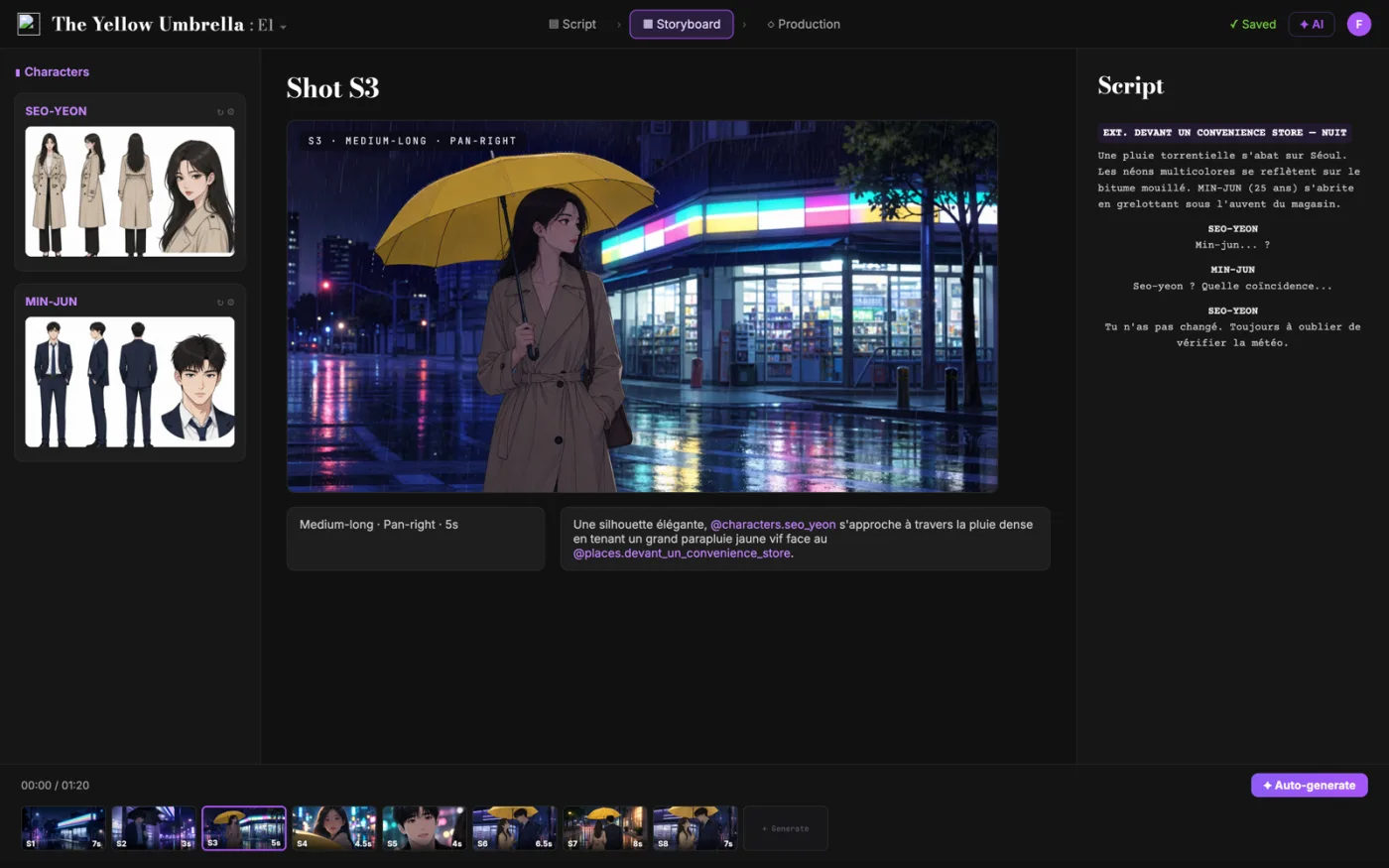
Preview of ScreenWeaver visual timeline and script rhythm

Erst den Ausschnitt setzen, dann den Film darum bauen

ScreenWeaver verbindet Ihr Drehbuch mit Storyboards und Einstellungslisten, in denen jedes Feld seine Einstellungsgröße kennt, damit Ihre Entscheidungen zum Plan werden, den die ganze Produktion lesen kann. Kostenlos starten.

Auflösung kostenlos planen