Analyse des Handlung-Dialog-Verhältnisses
Dialoganteil im Drehbuch · Formatanalyse
Eine goldene Regel in Hollywood betrifft das optische Gleichgewicht der Seite: viel Weißraum, keine dichten schwarzen Blöcke. Zu viel Dialog schläfert die Lesenden ein, zu viel Handlung erschöpft sie.
Fügen Sie unten eine Szene ein. Das Tool erkennt die Struktur (Dialog ist meist zentriert oder eingerückt) und Figurennamen im Fountain-Stil und zeigt dann den Anteil von Handlung und Dialog, damit Sie Format und Gleichgewicht prüfen können.
Läuft vollständig in Ihrem Browser, es werden keine Daten an einen Server gesendet. Die Einordnung der Zeilen stützt sich auf Einrückungen und die Fountain-Formatregeln.
Unterstützte Formate
Fountain: Figurennamen in GROSSBUCHSTABEN (mit optionalem Zusatz wie V.O. oder O.S.) und Dialog in den Zeilen darunter. Standardformat: deutlich eingerückte Zeilen zählen als Dialog, linksbündige Zeilen als Handlung.
So nutzen Sie diese Analyse
- Fügen Sie oben eine vollständige Szene, eine Sequenz oder ein paar Seiten Ihres Drehbuchs ein. Fountain (.fountain) und Standardformat funktionieren beide.
- Das Tool geht jede Zeile durch, ordnet sie anhand von Einrückungen und Figurennamen als Handlung oder Dialog ein und berechnet den jeweiligen Seitenanteil.
- Nutzen Sie Balken und Prozentwerte, um schnell zu sehen, ob die Szene dialoglastig, handlungslastig oder ausgewogen ist, bevor Sie nach PDF oder Final Draft exportieren.
Was ist ein gesundes Handlung-Dialog-Verhältnis?
Jedes Genre und jede Handschrift hat einen eigenen Rhythmus, doch diese groben Bereiche helfen beim Prüfen einer Fassung:
- Etwa 40 bis 60 Prozent Dialog: wirkt meist ausgewogen. Die Lesenden bekommen genug Weißraum, und das Drehbuch bewegt sich.
- Über 60 bis 70 Prozent Dialog: die Seite kann dicht wirken, besonders bei langen Reden und wenig Handlung.
- Unter 30 bis 40 Prozent Dialog: sehr körperlich oder sehr visuell. Ideal für Action oder Horror, aber prüfen Sie, ob wichtige Wendepunkte nur in der Beschreibung stattfinden.
Nehmen Sie das Verhältnis als schnellen Gesundheitscheck, nicht als Regel. Es geht darum, Tempo und Klarheit für die Person zu stützen, die Ihr Drehbuch liest.
Die Länge steht.Jetzt kommt das Drehbuch.
Schreib das ganze Drehbuch in ScreenWeaver, im Branchenstandard formatiert und ohne Seitenlimit. Der Screenwriter-Plan ist kostenlos und läuft nie ab.
- 0 $, ohne Ablaufdatum
- Export als PDF und Final Draft
- Mac, Windows, Linux, iPad
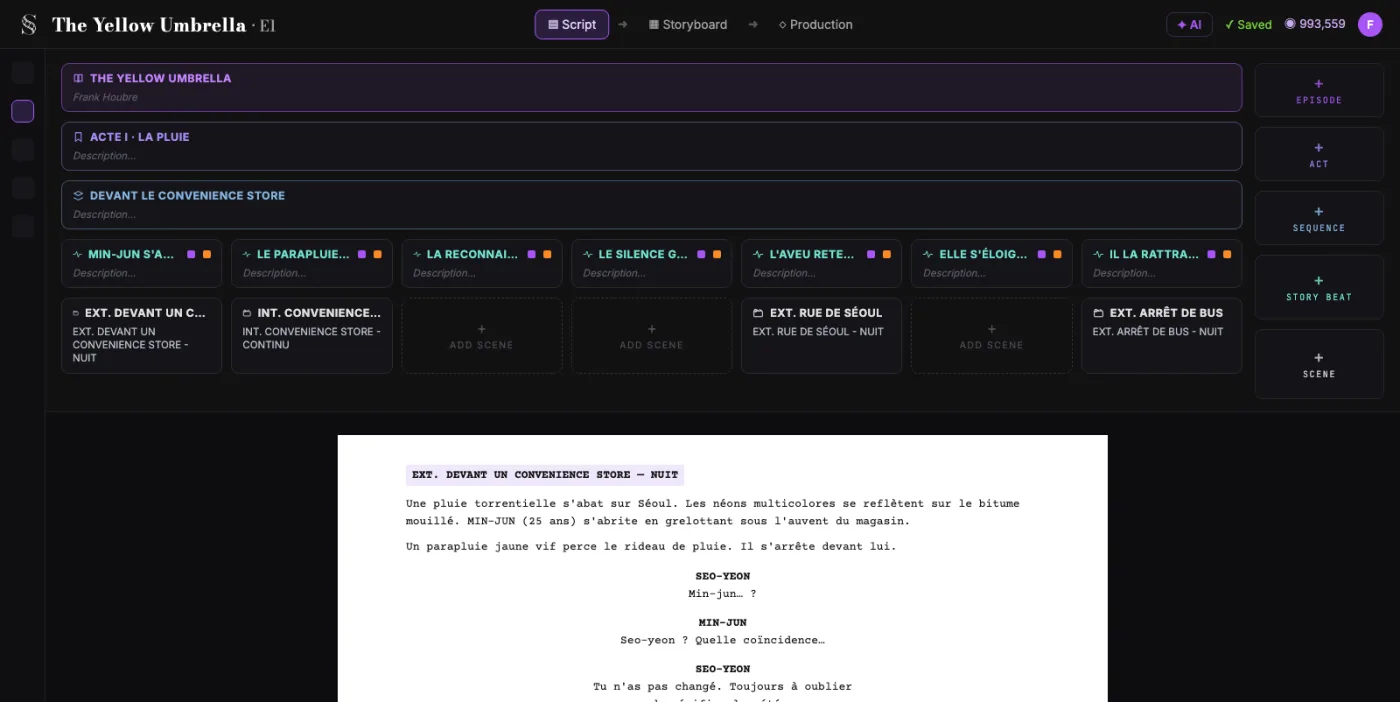
Verhältnis Handlung zu Dialog: der komplette Leitfaden
Es beziffert, wie sich die Seite zwischen Handlung und Dialog aufteilt, und legt Rhythmusprobleme offen, die in langen Fassungen untergehen.
Bei dieser Arbeit liegt das Kernproblem offen: Ungleichgewichte in der Seitendichte lassen sich in späten Überarbeitungen kaum aus dem Bauch erkennen. Bleibt es ungelöst, erzeugt es Reibung weiter unten in der Kette und langsamere Entscheidungen. Das praktische Ziel ist ein sachlicher Blick auf die Balance zwischen Handlung und Dialog, für klarere Tempoentscheidungen.
Grenze, die Sie im Kopf behalten sollten: Es beurteilt weder die Qualität des Subtexts noch die Absicht einer Szene, Korrekturen am Verhältnis müssen also den Kontext im Blick behalten.
Fortgeschrittener Einsatz: Verfolgen Sie den Verlauf des Verhältnisses pro Akt und nach den Gepflogenheiten des Genres, und schreiben Sie nur die Passagen um, deren Dichte der gewünschten Energie widerspricht.
Schritt für Schritt
- Analysieren Sie zuerst eine ganze Sequenz, damit Sie nicht auf eine untypische Szene überreagieren.
- Markieren Sie die Ausreißer bei der Dichte und lesen Sie sie im Zusammenhang, bevor Sie eingreifen.
- Justieren Sie Handlungsbeats, Zeilenlänge und die Verdichtung der Wechselrede dort, wo es nötig ist.
- Messen Sie nach der Überarbeitung erneut, um den Gewinn zu prüfen und Überkorrektur zu vermeiden.
Anwendungsfälle nach Rolle
- Autor: lange Monologstrecken finden, die den Schwung flach machen.
- Lektorat: Handlungsblöcke erkennen, die beschreiben statt zu dramatisieren.
- Showrunner und Entwicklung: den Tonrhythmus über die Folgen hinweg stabil halten.
Häufige Fehler
- Jedes Genre behandeln, als bräuchte es dasselbe Verhältnis.
- Prozentwerte korrigieren, ohne die dramatische Absicht anzusehen.
- Nur für die Kennzahl schreiben und dabei die Stimme glattbügeln.
Bewährte Praxis im Beruf
- Setzen Sie Vergleichswerte pro Akt und pro Sequenz, nicht nur für das Ganze.
- Achten Sie besonders auf die Klarheit von Übergangsszenen, dort ermüdet der Leser am schnellsten.
- Nutzen Sie das Verhältnis als Kompass beim Umschreiben, nicht als Vorschrift.
Behandeln Sie die Ausgabe dieses Werkzeugs als Entscheidungshilfe, nicht als Ersatz für das Schreiben. Ein starkes Drehbuch bleibt wegen seiner konkreten Entscheidungen, seiner emotionalen Genauigkeit und der Klarheit seiner dramatischen Bewegung im Gedächtnis. Werkzeuge nehmen das Rauschen weg, damit Ihre Energie dorthin geht, wo sie zählt: Figur, Konflikt, Steigerung, Auszahlung. Wenn Sie nach jedem Durchgang die Ergebnisse prüfen und die angenommenen Änderungen protokollieren, wird Ihre Arbeitsweise von Fassung zu Fassung schneller und berechenbarer. Genau das schätzen professionelle Partner: weniger Überraschungen, klarere Begründungen und ein Buch, das sich mit Absicht weiterentwickelt.
Ausführliche Fragen
Gibt es ein ideales Verhältnis von Handlung und Dialog?
Ein allgemeingültiges Verhältnis gibt es nicht. Die richtige Balance hängt vom Genre, von der Funktion der Szene und vom gewollten Lesetempo ab.
Wie vermeide ich Überkorrektur nach Kennzahlen?
Lesen Sie jede markierte Passage im dramatischen Zusammenhang, bevor Sie sie ändern. Erst die Absicht, dann die Zahl.
Nach Szene oder nach Sequenz analysieren?
Beginnen Sie mit der Sequenz, das Signal ist stabiler, und gehen Sie dann in die Szenen, die auffällig wirken.
Verbessert die Analyse die Lesbarkeit?
Ja. Sie legt oft dichte Strecken frei, die den Leser ermüden und wichtige Wendungen verdecken.
Was, wenn eine Szene absichtlich dialoglastig ist?
Behalten Sie sie, wenn sie einen Zweck erfüllt. Das Werkzeug findet unbeabsichtigte Schieflagen, nicht bewusste Entscheidungen.
Wann im Überarbeitungszyklus sollte ich das nutzen?
Nach der strukturellen Runde und vor dem letzten Feinschliff, dann noch einmal, bevor Sie die Seiten weitergeben.
FAQ: Dialoganteil und Drehbuchformat
Keine einzelne Zahl passt auf jedes Drehbuch, aber viele produzierte Langfilme liegen auf den meisten Seiten zwischen 40 und 60 Prozent Dialog. Manche Szenen sind fast reiner Dialog (ein Streitgespräch zu zweit), andere fast reine Handlung (eine große Sequenz). Ziel ist, seitenweise dichte Blöcke zu vermeiden, die schwer zu lesen sind.
Es ist keine vollständige Formatprüfung, erkennt aber zwei wichtige Signale: ob Ihr Dialog richtig zentriert oder eingerückt ist, und ob Sie Figurennamen und Szenenüberschriften im Fountain-Stil verwenden. Zählt das Tool alles als Handlung, ist Ihr Dialog vermutlich nicht eingerückt oder nicht als Figur-plus-Replik formatiert.
Ja. Die Analyse setzt weder Seitenzahl noch Aktstruktur voraus. Sie sieht nur, wie viel jeder Seite Handlung und wie viel Dialog ist, was für Langfilme, Piloten, Kurzfilme und Webserien gleichermaßen nützlich ist.
Nein. Das ist ein Diagnosewerkzeug, keine Schreib-KI. Es zeigt Ihnen die Dichte auf der Seite, damit Sie die handwerklichen Entscheidungen selbst treffen: Reden kürzen, Handlung in klarere Beats teilen oder Verhalten an die Stelle einer zu direkten Erklärung setzen.