ตัวเลือกโมเดลวิดีโอ AI
การเปรียบเทียบโมเดลวิดีโอ AI แบบโต้ตอบ กรองตามสิ่งที่ช็อตของคุณต้องการ
เครื่องมือเปรียบเทียบนี้บอกคนทำหนังว่าควรใช้โมเดลวิดีโอ AI ตัวไหนกับช็อตหนึ่ง ๆ โดยดูจากสิ่งที่สำคัญจริง ทั้งความยาวคลิป ความละเอียด เสียงในตัว การรองรับภาพเป็นวิดีโอ และงบ เปิดสวิตช์ข้อจำกัดที่โปรเจกต์คุณมี แล้วโมเดลที่ผ่านจะขึ้นมาข้างบน ส่วนตัวที่ไม่ผ่านจะอยู่ด้านล่างพร้อมเหตุผลกำกับ
ไม่มีเครื่องสร้างวิดีโอ AI ที่ดีที่สุด มีแต่โมเดลที่เหมาะกับช็อตนั้น ฉากบทสนทนาต้องการเสียงในตัว ซึ่งตัดครึ่งตลาดออกไปทันที คลิปโซเชียล 9:16 มีความต้องการต่างจากช็อตหลักระดับ 4K บทความจัดอันดับมักสวมมงกุฎให้ผู้ชนะคนเดียวแล้วล้าสมัยภายในเดือนเดียว ส่วนตารางสเปกที่กรองได้ตอบคำถามที่คุณมีจริง เป็นช็อตต่อช็อต
ทุกอย่างทำงานในเบราว์เซอร์ของคุณ ไม่มีข้อมูลถูกส่งไปยังเซิร์ฟเวอร์ใด สเปกและราคาตรวจสอบเมื่อกันยายน 2026 จากเอกสารของผู้ให้บริการและหน้า API สาธารณะ ตลาดนี้เปลี่ยนทุกเดือน ควรตรวจบันทึกการอัปเดตก่อนผูกงบก้อนใหญ่
แต่ละสวิตช์เป็นเงื่อนไขบังคับ โมเดลที่ไม่ผ่านข้อใดข้อหนึ่งจะเลื่อนลงไปด้านล่างพร้อมเหตุผล
ระดับงบโมเดลที่ผ่าน 12 ตัว
ราคาตรวจสอบเมื่อกันยายน 2026 (ชุดข้อมูล 2026-09)
The open-source escape hatch: unlimited retries for the price of a GPU.
Free to self-host under an open license; the real cost is GPU time (roughly $0.50 to $1.00/hour for a rented 24GB+ card). Hosted API versions exist at budget rates.
Best price-to-quality ratio for character motion, with optional native audio.
fal.ai rate of $0.07/sec with audio off; enabling native audio doubles it to $0.14/sec ($0.70 per 5s clip).
Best prompt adherence and physics at the top of the market, with 4K output.
Gemini API standard tier, $0.40/sec at 1080p with audio. 4K and multi-reference inputs lock the clip to 8 seconds.
Longest coherent single takes of any closed model, up to 25 seconds.
API rate of $0.30/sec at 720p up to $0.50/sec at 1024p+. 25-second clips require the Pro app plan's storyboard mode.
Multi-shot generation inside one clip, unusual at this price point.
Volcano Engine / BytePlus API, about $0.07/sec at 1080p ($0.03/sec at 720p). Newer Seedance versions price higher.
Standout stylized and anime motion; strong value on dynamic action.
MiniMax API bills per clip: $0.49 for a 6s 1080p clip (normalized here to 5s). 10-second clips are 768p only.
Strong scene logic and dialogue audio; the app ecosystem is where it shines.
API rate of $0.10/sec at 720p. 15-second clips are an in-app limit; the API caps single generations at 12 seconds. OpenAI has announced an API sunset for late September 2026, so treat API access as transitional.
Veo quality with audio at a price you can afford to iterate on.
Gemini API fast tier, $0.12/sec at 1080p with audio. Same model family, lower fidelity, roughly a third of the standard price.
Only model shipping true HDR output, with a reasoning pass on the prompt.
Luma API, about $0.24/sec for 1080p SDR. HDR output roughly doubles the price; draft mode is far cheaper for look development.
Fast, playful iteration and effects templates aimed at social formats.
Credit-based estimate: 40 credits per 5s 1080p clip on the $28/mo, 700-credit Standard plan ($0.04/credit). 480p drafts cost about a third of that.
Cheapest way into the Runway ecosystem for previz and animatics.
Runway developer API, $0.05/sec (5 credits/sec in-app). The workhorse tier for previz volume.
Precise motion control and the most mature editing toolchain around the model.
Runway developer API, $0.12/sec (12 credits/sec in-app). Output is 720p native; upscaling is a separate pass.
ตารางสเปกฉบับเต็ม
| โมเดล | คลิปสูงสุด | ความละเอียดสูงสุด | FPS | เสียง | ภาพเป็นวิดีโอ | ต่อคลิป 5 วินาที |
|---|---|---|---|---|---|---|
| Veo 3.1 | 8s | 4K | 24 | มี | มี | $2.00 |
| Veo 3.1 Fast | 8s | 1080p | 24 | มี | มี | $0.60 |
| Sora 2 | 15s | 720p | 30 | มี | มี | $0.50 |
| Sora 2 Pro | 25s | 1080p | 30 | มี | มี | $2.50 |
| Kling 2.6 Pro | 10s | 1080p | 30 | มี | มี | $0.35 |
| Runway Gen-4.5 | 10s | 720p | 24 | ไม่มี | มี | $0.60 |
| Runway Gen-4 Turbo | 10s | 720p | 24 | ไม่มี | มี | $0.25 |
| Seedance 1.0 Pro | 10s | 1080p | 24 | ไม่มี | มี | $0.35 |
| Luma Ray 3 | 10s | 1080p | 24 | ไม่มี | มี | $1.20 |
| Pika 2.2 | 10s | 1080p | 24 | ไม่มี | มี | $1.60* |
| Hailuo 2.3 | 10s | 1080p | 24 | ไม่มี | มี | $0.41 |
| Wan 2.5 | 10s | 1080p | 24 | มี | มี | ฟรี (ติดตั้งเอง) |
ราคาเป็นดอลลาร์สหรัฐต่อคลิป 5 วินาที จากหน้าราคา API สาธารณะ เครื่องหมายดอกจันหมายถึงการประเมินจากเครดิตที่คำนวณมาจากแพ็กเกจสมาชิกระดับกลาง
วิธีการทำงาน
ทุกสวิตช์เป็นตัวกรองบังคับที่ทำงานบนชุดข้อมูลซึ่งตรวจสอบด้วยมือของโมเดลหลัก ได้แก่ Veo 3.1, Sora 2, Kling 2.6, Runway Gen-4.5, Seedance, Luma Ray 3, Pika, Hailuo และ Wan แบบโอเพนซอร์ส โมเดลที่ผ่านจะถูกจัดอันดับด้วยคะแนนความสามารถ (ความละเอียด เสียงในตัว ภาพเป็นวิดีโอ ความยาวคลิป) โดยโมเดลที่ถูกกว่าจะมาก่อนเมื่อคะแนนเท่ากัน โมเดลที่ไม่ผ่านตัวกรองจะไม่ถูกซ่อน แต่เลื่อนลงไปด้านล่างพร้อมเงื่อนไขที่ไม่ผ่านเขียนไว้ชัดเจน เพราะการรู้ว่าทำไมโมเดลหนึ่งถึงไม่เหมาะกับช็อตนั้นคือครึ่งหนึ่งของการตัดสินใจ
ควรใช้โมเดลวิดีโอ AI ตัวไหน
เริ่มจากช็อต ไม่ใช่จากตารางอันดับ สำหรับฉากบทสนทนา มีแต่โมเดลที่มีเสียงเท่านั้นที่สำคัญ ได้แก่ Veo 3.1, Sora 2, Kling 2.6 และ Wan แบบโอเพนซอร์ส ซึ่งสร้างเสียงพูดที่ซิงก์กันในรอบเดียว ส่วน Runway, Luma, Pika, Seedance และ Hailuo ให้วิดีโอเงียบที่ต้องเติมเสียงทีหลัง สำหรับการเลือกระหว่าง Kling, Veo และ Sora ในฉากที่มีคนพูด ราคากับความยาวเทคมักเป็นตัวตัดสิน Kling คือตัวเลือกประหยัด Veo คือตัวเลือกด้านความคมชัด ส่วน Sora 2 Pro คือตัวเลือกสำหรับเทคยาว
ความยาวและความละเอียดแบ่งสนามได้ชัดพอกัน คลิปที่ยาวที่สุดจากการเจนครั้งเดียวบนโมเดลปิดคือ 25 วินาทีของ Sora 2 Pro ตลาดส่วนใหญ่จำกัดที่ 10 วินาที ส่วน Veo 3.1 อยู่ที่ 8 วินาทีพร้อมฟีเจอร์ขยายความยาวต่อจากนั้น ถ้าคุณต้องการ 4K แบบเนทีฟ ในเดือนกันยายน 2026 มีแต่ Veo 3.1 การเปรียบเทียบระหว่าง Veo 3 กับ Sora 2 หรือ Runway กับ Kling ที่มองข้ามข้อจำกัดเหล่านี้ คือการเปรียบเทียบหน้าโฆษณา ไม่ใช่เครื่องมือ
นี่คือเหตุผลที่ตัวเลือกแบบโต้ตอบชนะบทความจัดอันดับเครื่องสร้างวิดีโอ AI ที่ดีที่สุดประจำปี 2026 เพราะสเปกเปลี่ยนทุกเดือน Kling เพิ่มเสียงในตัวใน 2.6 Veo เพิ่ม 4K ใน 3.1 และราคาของทั้งคู่ขยับภายในไตรมาสเดียว ชุดข้อมูลเบื้องหลังหน้านี้มีวันที่กำกับให้เห็นชัดและราคาปรับเป็นต่อคลิป 5 วินาที เมื่อตลาดขยับอีกครั้ง คุณจึงเห็นได้ทันทีว่าการเปรียบเทียบนี้อัปเดตแค่ไหน แทนที่จะไปเชื่อบทความที่ไม่มีวันที่
เหมาะกับใคร
- คนทำหนังด้วย AI จับแต่ละช็อตในรายการให้เข้ากับโมเดลที่เหมาะกับมัน แทนที่จะบังคับโมเดลตัวเดียวให้ทำทุกอย่าง
- เอเจนซีและทีมคอนเทนต์ อธิบายการเลือกโมเดลให้ลูกค้าฟังด้วยสเปกที่ระบุชื่อและราคาที่มีวันที่ ไม่ใช่ด้วยอันดับจากบทความ
- คนสร้างงานที่มีงบจำกัด หาโมเดลที่ถูกที่สุดซึ่งยังผ่านเงื่อนไขจริงของคุณ รวมถึงช่องทางฟรีของโมเดลที่ติดตั้งเองได้
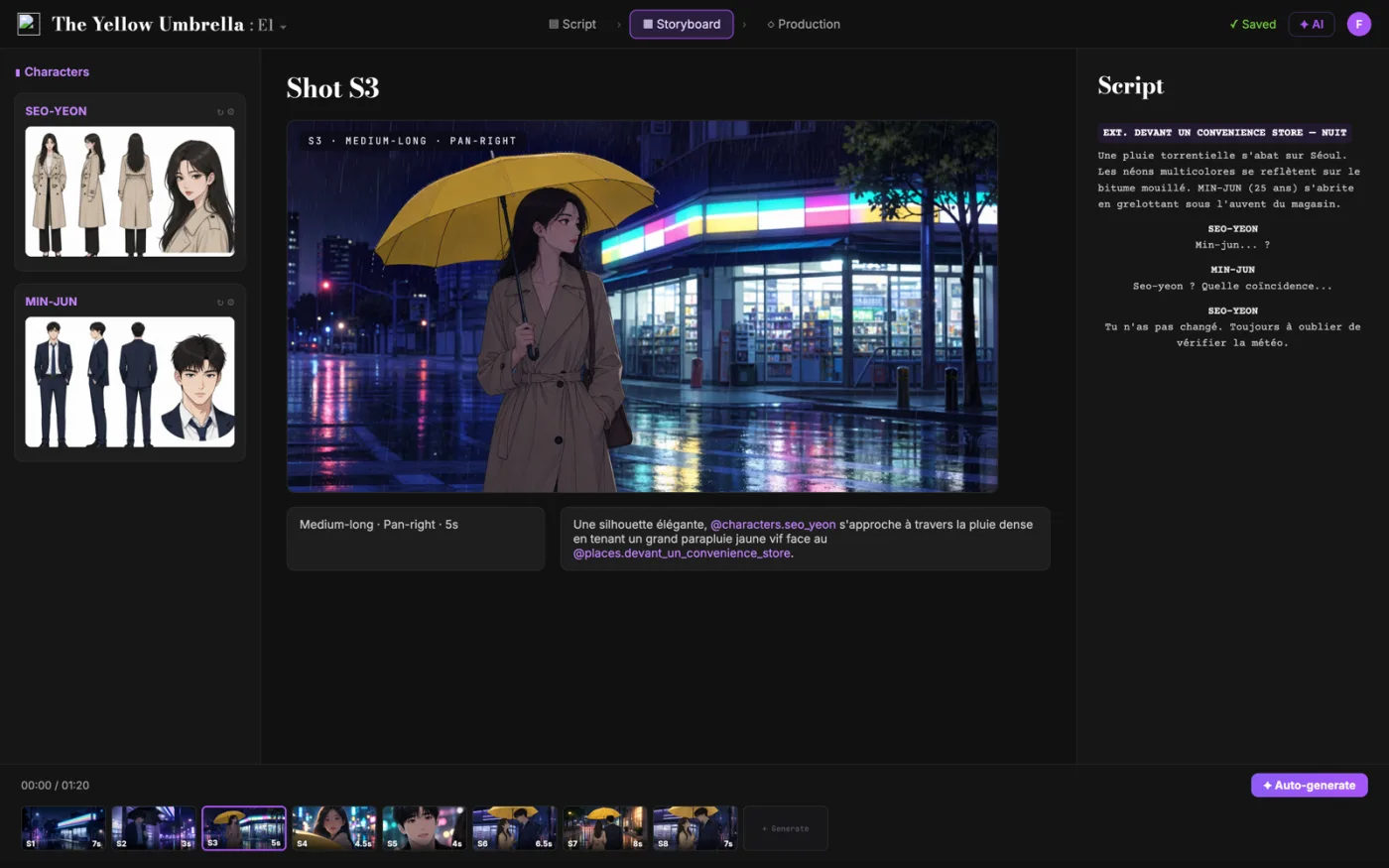
เริ่มจากบทภาพยนตร์แล้วได้สตอรีบอร์ด
ScreenWeaver แบ่งบทของคุณออกเป็นช็อต แล้วสร้างสตอรีบอร์ดจากบทนั้น คุณกำหนดขนาดภาพ มุมกล้อง การเคลื่อนกล้อง และความยาวได้เอง ตัวละครคงเดิมในทุกช็อต
- 0 ดอลลาร์ ไม่มีวันหมดอายุ
- ส่งออกเป็น PDF และ Final Draft
- Mac, Windows, Linux, iPad
ตัวเลือกโมเดลวิดีโอ AI: คู่มือฉบับเต็ม
มันกรองชุดข้อมูลที่ระบุวันที่และตรวจด้วยมือของโมเดลวิดีโอ AI หลัก ๆ (Veo, Sora, Kling, Runway, Seedance, Luma, Pika, Hailuo, Wan) ตามเสียง ความยาวคลิป ความละเอียด ภาพเป็นวิดีโอ ผลลัพธ์แนวตั้ง และระดับราคา
ในงานแบบนี้ ปัญหาหลักชัดเจนอยู่แล้ว: บทความเปรียบเทียบล้าสมัยภายในไม่กี่สัปดาห์และยกให้มีผู้ชนะเดียว ทั้งที่โมเดลที่เหมาะเปลี่ยนไปทีละช็อต ถ้าปล่อยไว้ มันจะไปสร้างความติดขัดในขั้นถัดไปและทำให้ตัดสินใจช้าลง เป้าหมายที่จับต้องได้คือ รายชื่อสั้น ๆ ของโมเดลที่ผ่านเงื่อนไขบังคับของช็อตนั้น พร้อมบอกชื่อโมเดลที่ตัดออกและเหตุผล
ข้อจำกัดที่ควรจำไว้: มันเทียบสเปกและราคาที่ประกาศไว้ ไม่ใช่คุณภาพเชิงความรู้สึกกับพรอมป์เฉพาะของคุณ รายชื่อสั้นยังควรผ่านการเจนทดสอบทีละโมเดลก่อนใช้เงินก้อนใหญ่
การใช้งานขั้นสูง: ทีมที่ทำงานจริงจังจะรันตัวเลือกทีละหมวดของช็อตในลิสต์ (บทสนทนา แอ็กชัน ช็อตแทรก คลิปโซเชียล) แล้วล็อกแผนที่โมเดลรายหมวด แทนที่จะมีโมเดลประจำบ้านตัวเดียว
วิธีทำทีละขั้น
- เปิดเฉพาะเงื่อนไขที่ช็อตนั้นต้องการจริง ทุกตัวกรองคือข้อบังคับ ไม่ใช่ความชอบ
- อ่านบรรทัดจุดแข็งและหมายเหตุราคาของผลลัพธ์อันดับต้น ไม่ใช่ดูแค่คอลัมน์ราคา
- ดูรายชื่อที่ถูกตัดออกด้วย โมเดลที่ตกเพราะเรื่องเสียงอย่างเดียว อาจยังชนะถ้าคุณทำเสียงในขั้นตอนหลัง
- คัดลอกข้อความเปรียบเทียบไปไว้ในโน้ตงานสร้าง พร้อมวันที่กันยายน 2026 ติดไปด้วย
ตัวอย่างการใช้งานตามบทบาท
- คนทำหนัง AI: หาโมเดลไม่กี่ตัวที่รับเทกบทสนทนา 10 วินาทีไหว ก่อนจะไปวางสตอรีบอร์ดรอบมัน
- ทีมคอนเทนต์: เลือกโมเดลที่ถูกที่สุดซึ่งผ่าน 9:16 แนวตั้งและ 1080p สำหรับแคมเปญโซเชียล
- โปรดิวเซอร์: บันทึกเหตุผลที่เลือกโมเดลด้วยสเปกที่ระบุวันที่ การตัดสินใจจะได้รอดการรีวิวกับลูกค้า
ข้อผิดพลาดที่พบบ่อย
- เลือกโมเดลเดียวสำหรับทั้งเรื่อง แทนที่จะจับคู่โมเดลกับประเภทช็อต
- ถือว่าอันดับที่ไม่ระบุวันที่ยังเป็นปัจจุบัน ทั้งที่สเปกขยับทุกเดือน
- กรองหาเสียงเนทีฟกับช็อตที่ยังไงก็จะไปทำเสียงในขั้นตอนหลังอยู่แล้ว
แนวปฏิบัติของมืออาชีพ
- ใช้สายงานสองโมเดล ตัวถูกไว้เก็บคัฟเวอเรจและวนแก้ ตัวพรีเมียมไว้ทำช็อตหลัก
- งานบทสนทนา ให้ตั้งต้นจากโมเดลที่มีเสียงเนทีฟก่อน การจับปากในขั้นตอนหลังแทบไม่เคยรอด
- ใช้ทางเลือกโฮสต์เองแบบฟรีเป็นแรงต่อรอง รู้ราคาพื้นของ Wan แล้ว การตัดสินใจกับโมเดลเสียเงินจะคมขึ้น
ให้ถือว่าผลลัพธ์จากเครื่องมือนี้เป็นตัวช่วยตัดสินใจ ไม่ใช่ตัวแทนการเขียน บทที่ดีถูกจดจำจากการเลือกที่เฉพาะเจาะจง ความแม่นยำทางอารมณ์ และความชัดเจนของการเคลื่อนของเรื่อง เครื่องมือช่วยตัดเสียงรบกวนออก เพื่อให้แรงของคุณไปลงตรงที่สำคัญจริง ๆ คือตัวละคร ความขัดแย้ง การยกระดับ และการจ่ายคืน ถ้าคุณทบทวนผลลัพธ์หลังทุกรอบและจดบันทึกสิ่งที่ยอมรับไว้ วิธีทำงานของคุณจะเร็วขึ้นและคาดเดาได้มากขึ้นจากร่างหนึ่งไปอีกร่างหนึ่ง ความสม่ำเสมอแบบนี้คือสิ่งที่คนทำงานมืออาชีพให้ค่า คือเซอร์ไพรส์น้อยลง เหตุผลชัดขึ้น และบทที่พัฒนาไปอย่างมีเจตนา
คำถามเชิงลึก
โมเดลวิดีโอ AI ตัวไหนดีที่สุดกับฉากบทสนทนา
ให้ตั้งต้นจากโมเดลที่มีเสียงเนทีฟ Veo 3.1 เรื่องความคมชัด Sora 2 Pro สำหรับเทกยาวถึง 25 วินาที Kling 2.6 Pro สำหรับงบจำกัดพร้อมสวิตช์เสียง และ Wan 2.5 ถ้าคุณโฮสต์เอง โมเดลที่ไม่มีเสียงบังคับให้ต้องจับปากในขั้นตอนหลัง ซึ่งแทบไม่รอดเวลาเป็นช็อตโคลส
Runway กับ Kling ในปี 2026 ต่างกันยังไง
Runway Gen-4.5 ให้การควบคุมการเคลื่อนไหวที่แม่นและชุดเครื่องมือตัดต่อที่สมบูรณ์ ที่ 720p เนทีฟและไม่มีเสียง ราวคลิปละ 0.60 ดอลลาร์ต่อ 5 วินาที ส่วน Kling 2.6 Pro ให้ 1080p การเคลื่อนไหวตัวละครที่ดี และเสียงเนทีฟเป็นตัวเลือก เริ่มที่ 0.35 โดยรวม Kling มักชนะบนกระดาษ Runway ชนะที่ขั้นตอนการทำงาน
มีตัวสร้างวิดีโอ AI ฟรีที่ใช้ทำหนังได้จริงไหม
Wan 2.5 คือตัวเลือกฟรีที่จริงจัง โอเพนซอร์ส 1080p คลิป 10 วินาที เสียงเนทีฟ และภาพเป็นวิดีโอ มันคิดเป็นเวลา GPU แทนค่าธรรมเนียมต่อคลิป จึงเหมาะกับงานที่ต้องเจนซ้ำเยอะและทีมที่รันอินเฟอเรนซ์เองได้สบาย
ควรเทียบสเปกอะไรบ้าง
สเปกบังคับหกอย่างตัดสินช็อตส่วนใหญ่ ความยาวสูงสุดต่อการเจนหนึ่งครั้ง ความละเอียดสูงสุด อัตราเฟรม เสียงเนทีฟ การรองรับภาพเป็นวิดีโอ และราคาต่อคลิป ที่เหลือ (สไตล์ ความตรงกับพรอมป์ คุณภาพการเคลื่อนไหว) ควรตัดสินจากการเจนทดสอบ ไม่ใช่จากตารางสเปก
โมเดลไหนรองรับผลลัพธ์แนวตั้ง 9:16
ณ กันยายน 2026 โมเดลใหญ่ทุกตัวในชุดข้อมูลนี้สร้าง 9:16 ได้แบบเนทีฟ ทั้ง Veo 3.1, Sora 2, Kling 2.6 และ Runway Gen-4.5 สิ่งที่ต่างกันจริงสำหรับงานแนวตั้งบนโซเชียลคือราคาต่อคลิปกับความละเอียด ไม่ใช่การรองรับสัดส่วนภาพ
Veo 3.1 กับ Sora 2 ต่างกันตรงไหนในทางปฏิบัติ
Veo 3.1 นำเรื่องความคมของภาพ ฟิสิกส์ และ 4K เนทีฟ ที่ความยาวเจน 8 วินาที ส่วน Sora 2 เน้นเทกต่อเนื่องที่ยาวกว่า (15 วินาที และ 25 วินาทีในรุ่น Pro) กับระบบนิเวศของแอป ถ้าเป็นช็อตหลักช็อตเดียว Veo มักชนะ ถ้าเป็นแอ็กชันต่อเนื่องยาว ๆ Sora 2 Pro ชนะ
คำถามที่พบบ่อย
ณ เดือนกันยายน 2026 ได้แก่ Google Veo 3.1 (ทั้งสองระดับ) OpenAI Sora 2 และ Sora 2 Pro, Kling 2.6 Pro (เป็นตัวเลือกที่ทำให้ราคาเพิ่มขึ้นราวเท่าตัว) และ Wan 2.5 แบบโอเพนซอร์ส ส่วน Runway Gen-4.5, Luma Ray 3, Pika, Seedance และ Hailuo ให้วิดีโอเงียบ
Sora 2 Pro นำอยู่ด้วยเทคเดี่ยว 25 วินาทีผ่านโหมดสตอรีบอร์ด Sora 2 ทำได้ 15 วินาทีในแอป โมเดลอื่นส่วนใหญ่ (Kling, Runway, Seedance, Luma, Pika, Hailuo, Wan) จำกัดที่ 10 วินาที และ Veo 3.1 อยู่ที่ 8 วินาที แม้ว่าฟีเจอร์ขยายความยาวจะต่อช็อตไปได้เกินสองนาทีก็ตาม
ทั้งคู่แก้ปัญหาคนละอย่าง Kling 2.6 Pro ให้การเคลื่อนไหวของตัวละครที่ดีในราวราคา 0.35 ถึง 0.70 ดอลลาร์ต่อคลิป 5 วินาที ซึ่งเหมาะกับเวิร์กโฟลว์ที่ต้องเจนซ้ำเยอะ ส่วน Veo 3.1 ราคาราว 2.00 ดอลลาร์ต่อคลิป 5 วินาทีในระดับมาตรฐาน แต่นำเรื่องการทำตามพรอมป์ต ฟิสิกส์ และ 4K คนทำหนังหลายคนร่างงานบน Kling แล้วถ่ายช็อตหลักใหม่บน Veo
เพราะเหตุผลที่ไม่ผ่านคือข้อมูล การเห็นว่า Runway Gen-4.5 ตกรอบเพราะไม่มีเสียงในตัว ไม่ใช่เพราะคุณภาพ บอกคุณว่ามันยังเป็นตัวเลือกได้ถ้าคุณจัดการเสียงในขั้นตอนหลัง การซ่อนโมเดลที่ไม่ผ่านจะเปลี่ยนการตัดสินใจเชิงสเปกให้กลายเป็นกล่องดำ
ทุกสเปกและทุกราคาถูกตรวจสอบเมื่อกันยายน 2026 จากเอกสารของผู้ให้บริการและราคา API สาธารณะ และชุดข้อมูลมีวันที่นั้นกำกับให้เห็นชัด สเปกของวิดีโอ AI เปลี่ยนทุกเดือน ซึ่งคือเหตุผลที่นี่เป็นชุดข้อมูลที่กรองได้และมีวันที่กำกับ ไม่ใช่บทความจัดอันดับที่หยุดนิ่ง
Related tools
เครื่องคำนวณต้นทุนวิดีโอ AI
ทำงบหนัง AI ต่อหนึ่งนาทีที่เสร็จแล้ว รวมการเจนซ้ำ
ตัวแบ่งฉากเป็นคลิป
แบ่งฉากเป็นคลิปวิดีโอ AI ที่พอดีกับข้อจำกัดความยาวของโมเดลคุณ
ตัวสร้างพรอมป์ตวิดีโอ AI
สร้างพรอมป์ตเชิงภาพยนตร์สำหรับ Veo, Sora, Runway และ Kling
พรอมป์ตการเคลื่อนกล้อง
คลังการเคลื่อนกล้องแบบเคลื่อนไหวพร้อมพรอมป์ตให้คัดลอก
You can also browse the full library on /tools.
Core blog guides
- Idea → first draft (process hub)
- Screenplay format guide 2026
- Hidden costs of “free” software
- Affordable software & TCO
- Revision passes (structure → dialogue)
เทคนิคการถ่ายหนัง
เทคนิคภาพยนตร์ที่น่าสำรวจ
แต่ละเทคนิคมีคลิปสั้น ตัวอย่างบทภาพยนตร์ และบรรทัดในช็อตลิสต์