เครื่องคำนวณความยาวบท
ตัวจับเวลาบทฟรี · จากคำสู่เวลาบนจอ · จากความยาวบทสู่ระยะเวลา
กฎ «1 หน้าเท่ากับ 1 นาที» ใช้กันทั่วไป แต่คนเขียนบทมักต้องการการประเมินที่ละเอียดกว่านั้นตามความหนาแน่นของบทสนทนาหรือฉากที่แอ็กชันหนัก ใช้หน้านี้เป็นตัวจับเวลาบทฟรี มันเปลี่ยนจำนวนคำของคุณเป็นนาทีและวินาทีของเวลาบนจอ
วางบทบางส่วนหรือกรอกจำนวนคำ เครื่องมือจะประเมินเวลาบนจอเป็นนาทีและวินาที ใช้แถบเลื่อนจังหวะ (ดราม่าช้าหรือแอ็กชันเร็ว) เพื่อปรับการประเมินให้ละเอียดขึ้น
ทำงานในเบราว์เซอร์ทั้งหมด ไม่มีข้อมูลถูกส่งไปยังเซิร์ฟเวอร์ใด อัลกอริทึมอิงจากจำนวนคำ (ราว 130-150 คำต่อหนึ่งนาทีของเวลาบนจอ)
ดราม่าช้า คำต่อนาทีบนจอน้อยลง แอ็กชันเร็ว คำต่อนาทีมากขึ้น
ใช้ 140 คำต่อนาทีสำหรับจังหวะนี้
วิธีการทำงาน
เวลาบนจอถูกประเมินจากจำนวนคำ มาตรฐานในวงการใช้ราว 130-150 คำต่อนาที เนื้อหาที่หนักบทสนทนาหรือจังหวะช้าจะเอนไปทาง 130 คำต่อนาที ส่วนแอ็กชันหนักหรือบทสนทนาสั้นกระชับจะเอนไปทาง 150 แถบเลื่อนให้คุณเลือกจังหวะระหว่างสองค่านี้ หนึ่งหน้าบทในรูปแบบมาตรฐานมักมี 200-250 คำ กฎ «1 หน้าเท่ากับ 1 นาที» จึงอยู่ตรงกลางช่วงนี้พอดี
วิธีแปลงความยาวบทเป็นเวลาบนจอ
เกือบทุกคนเคยได้ยินว่า «หนึ่งหน้าเท่ากับหนึ่งนาที» แล้วจึงค้นพบว่าไม่ใช่ทุกหน้าที่เท่ากัน ฉากบทสนทนาสามหน้าที่มีที่ว่างเยอะเล่นไม่เหมือนฉากแอ็กชันสามหน้าที่แน่นไปด้วยคำบรรยายและการแสดงผาดโผน เครื่องคำนวณจากความยาวบทสู่เวลาให้ผลที่สมจริงกว่าการนับหน้าดิบ ๆ
วิธีง่ายที่สุดในการประเมินเวลาบนจอคือดูจำนวนคำ หนังยาวที่ผลิตจริงทั่วไปเดินที่ราว 130-150 คำต่อนาที ทั้งคำพูดและคำบรรยาย ดราม่าที่หนักบทสนทนาหรือหนังเนิบช้ามักอยู่ใกล้ 130 ส่วนหนังระทึกขวัญที่กระชับและแอ็กชันหนักอาจขยับเข้าใกล้ 150 โดยเฉพาะเมื่อการเล่าด้วยภาพเข้ามาแทนบทพูดยาว ๆ
ถ้าคุณรู้แค่จำนวนหน้า ก็ยังประมาณได้ บทในรูปแบบมาตรฐานจำนวนมากอยู่ที่ 200-250 คำต่อหน้า บท 105 หน้าที่ราว 225 คำต่อหน้าจะได้ประมาณ 23,600 คำ ที่ 140 คำต่อนาที จะได้ราว 168 นาที การเลื่อนแถบจังหวะขึ้นหรือลงช่วยให้คุณจำลองหนังที่ช้ากว่าและเน้นบทสนทนา หรือหนังที่เร็วและตัดถี่ได้
เมื่อไรควรใช้เครื่องคำนวณความยาวบท
- วางแผนความยาวสำหรับเทศกาลและช่วงเวลาฉาย หนังสั้นและการส่งเข้าเทศกาลมักมีข้อจำกัดความยาวที่เข้มงวด แทนที่จะเดาจากจำนวนหน้า คุณวางบทแล้วดูได้เลยว่าใกล้ 8 นาทีหรือ 14 นาที แล้วตัดตามนั้น
- จับโครงสร้าง (องก์และบีต) ให้ตรงกับนาที การรู้ว่าจุดกึ่งกลาง จุดเข้าองก์สาม หรือจุดพลิกสำคัญของคุณตกอยู่ราวนาทีไหน ช่วยให้เทียบจังหวะบทของคุณกับโครงสร้างที่ใช้กันทั่วไปได้ เมื่อประเมินความยาวจากจำนวนคำแล้ว คุณก็จับบีตลงบนเวลาโดยประมาณได้
- สื่อสารความคาดหวังกับฝ่ายผลิตและกองถ่าย ฝ่ายผลิตและฝ่ายจัดการกองถ่ายต้องรู้ความยาวรวมเพื่อทำงบและแผนถ่าย การประเมินจากคำสู่เวลาบนจอเป็นวิธีเร็ว ๆ ในการเช็กว่าร่างบทยังเป็นหนัง 95 นาทีที่กระชับอยู่ หรือกำลังไหลไปสู่ 130 นาทีที่แพงกว่า
รู้ความยาวแล้วต่อไปก็เขียนบทให้จบ
เขียนบทภาพยนตร์ทั้งเรื่องใน ScreenWeaver ด้วยรูปแบบมาตรฐานอุตสาหกรรม ไม่จำกัดจำนวนหน้า แพ็กเกจ Screenwriter ใช้ฟรีและไม่มีวันหมดอายุ
- 0 ดอลลาร์ ไม่มีวันหมดอายุ
- ส่งออกเป็น PDF และ Final Draft
- Mac, Windows, Linux, iPad
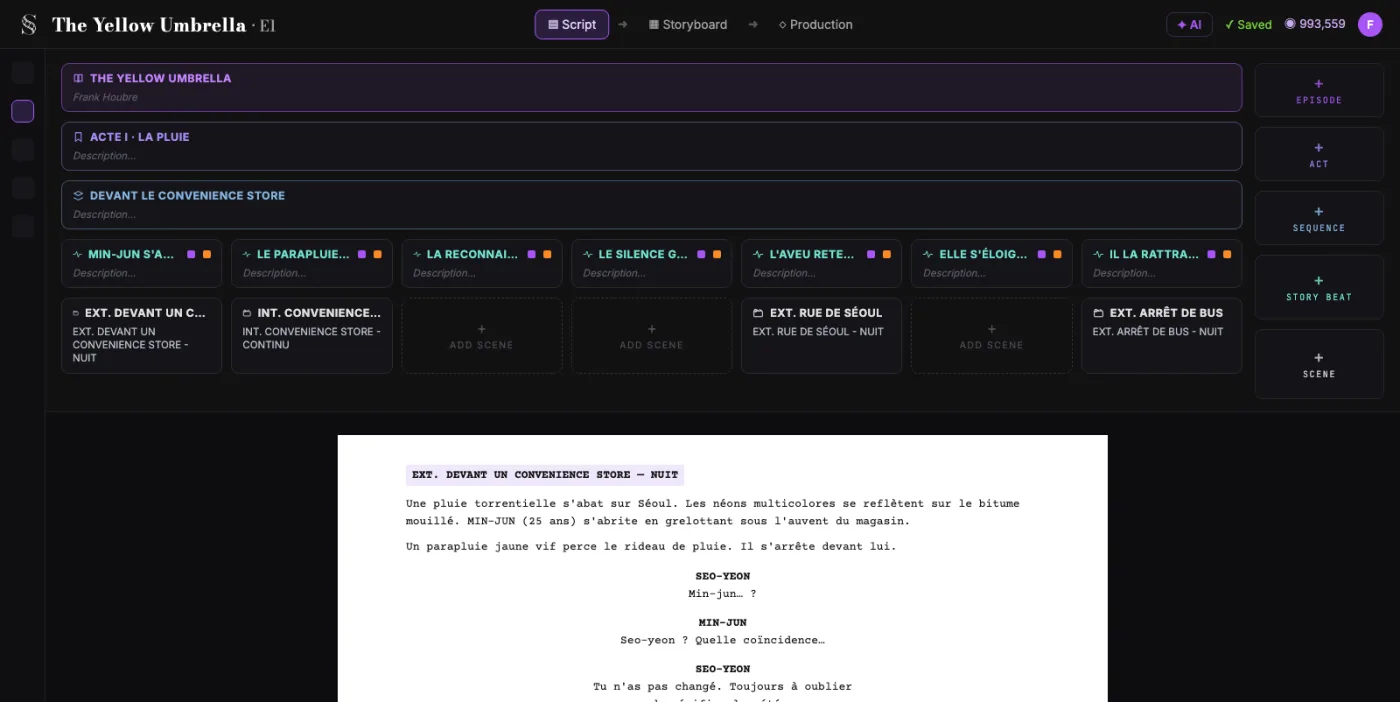
ตัวคำนวณความยาวบท: คู่มือฉบับเต็ม
แปลงจำนวนคำในบทเป็นช่วงเวลาโดยประมาณ เพื่อให้คุณตรวจสมมติฐานเรื่องจังหวะได้ก่อนอ่านบทรอบโต๊ะหรือก่อนเข้าขั้นเตรียมงานที่แพง
ในงานแบบนี้ ปัญหาหลักชัดเจนอยู่แล้ว: ความยาวมักถูกเดาจากจำนวนหน้า โดยไม่ดูความหนาแน่นของบทพูด จังหวะ หรือวิธีสร้างฉาก ถ้าปล่อยไว้ มันจะไปสร้างความติดขัดในขั้นถัดไปและทำให้ตัดสินใจช้าลง เป้าหมายที่จับต้องได้คือ ช่วงความยาวที่สมจริงขึ้น ใช้ตัดสินใจแก้บท ตั้งความคาดหวังตอนพิตช์ และวางแผนงานสร้าง
ข้อจำกัดที่ควรจำไว้: มันเดาจังหวะการแสดง จังหวะตัดต่อ หรือสไตล์ผู้กำกับไม่ได้ ให้ถือเป็นค่าประมาณที่ปรับเทียบแล้ว ไม่ใช่ความยาวที่รับประกัน
การใช้งานขั้นสูง: ทีมที่ทำงานมานานจะรันทีละองก์และทีละซีเควนซ์ แล้วเทียบความยาวที่เคลื่อนไประหว่างเวอร์ชัน เพื่อดูว่าการแก้บทไปเพิ่มเวลาตรงไหนโดยไม่รู้ตัว
วิธีทำทีละขั้น
- วางบททั้งฉบับหรือส่วนที่เป็นตัวแทน แล้วตรวจจำนวนคำตั้งต้นก่อนตัดสินใจเรื่องโครงสร้าง
- ตั้งจังหวะตามแนวเรื่องและสไตล์ฉากของคุณ แล้วเทียบความยาวระหว่างสมมติฐานแบบระวังกับแบบเร็ว
- วางนาทีที่ประมาณได้ลงบนจุดพลิกใหญ่ ๆ (ตัวจุดชนวน จุดกึ่งกลาง จุดที่ทุกอย่างพัง) แล้วดูว่าจังหวะดราม่าตรงกับที่ตั้งใจไหม
- รันใหม่หลังการแก้บทครั้งใหญ่ทุกครั้ง และจดส่วนต่างไว้ เพื่อให้ความยาวที่เคลื่อนไปเป็นสิ่งที่มองเห็น ไม่ใช่เรื่องบังเอิญ
ตัวอย่างการใช้งานตามบทบาท
- คนเขียนบท: ดูว่าการขยายองก์สองช่วยเรื่องจริงหรือแค่เพิ่มความยาว
- บรรณาธิการบท: หาฉากที่บีบได้ โดยไม่ต้องเดาจากจำนวนหน้าอย่างเดียว
- โปรดิวเซอร์: ทำให้ความคาดหวังเรื่องความยาวตรงกับการคุยเรื่องงบและแผนถ่าย
ข้อผิดพลาดที่พบบ่อย
- ใช้ค่าจังหวะเดียวกับทุกแนวเรื่องและทุกซีเควนซ์
- ถือค่าประมาณเป็นความจริงสุดท้าย แทนที่จะเป็นสัญญาณสำหรับวางแผน
- ลืมว่าฉากที่พูดเยอะกับซีเควนซ์ภาพกินเวลาบนจอไม่เท่ากัน
แนวปฏิบัติของมืออาชีพ
- ลองทั้งกรณีสั้น กรณีที่คาดไว้ และกรณียาว ก่อนส่งบทให้คนอื่นอ่าน
- ใช้ค่าประมาณรายองก์ ไม่ใช่แค่ทั้งฉบับ เวลาวิเคราะห์จังหวะ
- ตรวจความยาวคู่กับตำแหน่งบีต จะได้ไม่เจอปัญหาโครงสร้างตอนท้าย
ให้ถือว่าผลลัพธ์จากเครื่องมือนี้เป็นตัวช่วยตัดสินใจ ไม่ใช่ตัวแทนการเขียน บทที่ดีถูกจดจำจากการเลือกที่เฉพาะเจาะจง ความแม่นยำทางอารมณ์ และความชัดเจนของการเคลื่อนของเรื่อง เครื่องมือช่วยตัดเสียงรบกวนออก เพื่อให้แรงของคุณไปลงตรงที่สำคัญจริง ๆ คือตัวละคร ความขัดแย้ง การยกระดับ และการจ่ายคืน ถ้าคุณทบทวนผลลัพธ์หลังทุกรอบและจดบันทึกสิ่งที่ยอมรับไว้ วิธีทำงานของคุณจะเร็วขึ้นและคาดเดาได้มากขึ้นจากร่างหนึ่งไปอีกร่างหนึ่ง ความสม่ำเสมอแบบนี้คือสิ่งที่คนทำงานมืออาชีพให้ค่า คือเซอร์ไพรส์น้อยลง เหตุผลชัดขึ้น และบทที่พัฒนาไปอย่างมีเจตนา
คำถามเชิงลึก
ประมาณความยาวจากจำนวนคำแม่นแค่ไหน
แม่นพอสำหรับตัดสินใจแก้บทและวางแผน โดยเฉพาะถ้าคุณปรับจังหวะตามแนวเรื่อง ให้ถือเป็นช่วงสำหรับตัดสินใจ แล้วยืนยันด้วยการอ่านรอบโต๊ะหรือฉบับตัดหยาบ
ควรประมาณจากบททั้งฉบับหรือจากฉากตัวอย่าง
ทั้งฉบับใช้วางแผนภาพรวม ฉากตัวอย่างใช้หาปัญหาจังหวะเฉพาะจุด สองมุมนี้เสริมกัน
ช่วยกันไม่ให้องก์สองบวมได้ไหม
ได้ ตามนาทีที่ประมาณไว้รายองก์แล้วเทียบกับจังหวะที่ตั้งใจ ถ้าองก์สองบวมซ้ำ ๆ ให้ตัดก่อนไปขัดบทพูด
ถ้าใช้จำนวนคำแล้ว จำนวนหน้ายังสำคัญไหม
ยังสำคัญ หน้ายังเป็นภาษากลางของกองถ่าย การประมาณจากคำแค่เพิ่มความละเอียดเวลาความหนาแน่นไม่เท่ากัน
โปรดิวเซอร์ควรขอเช็กความยาวตอนไหน
ตอนล็อกโครงเรื่อง ตอนบทฉบับเต็มครั้งแรก และหลังการแก้โครงสร้างครั้งใหญ่ เช็กแต่เนิ่น ๆ ช่วยเลี่ยงการแก้ที่แพงตอนท้าย
ใช้ร่วมกับเครื่องมือเรื่องบีตยังไง
ประมาณความยาวก่อน แล้วค่อยตรวจตำแหน่งบีต ความยาวกับโครงสร้างต้องหนุนกัน ไม่ใช่ขัดกัน
คำถามที่พบบ่อยเรื่องความยาวบท หน้า คำ และเวลาบนจอ
ไม่ «หนึ่งหน้าเท่ากับหนึ่งนาที» เป็นกฎง่าย ๆ ที่มีประโยชน์สำหรับบทรูปแบบมาตรฐานในฟอนต์ Courier 12pt ที่มีแอ็กชันกับบทสนทนาสมดุลกัน ในทางปฏิบัติ ฉากไล่ล่าที่เขียนไว้ไม่กี่บรรทัดอาจยาวหลายนาทีบนจอ ส่วนบทสนทนาโต้ตอบเร็ว ๆ หนึ่งหน้ามักจบในเวลาไม่ถึงหนึ่งนาที จึงควรเผื่อเวลาให้ฉากแอ็กชัน จำนวนคำบวกจังหวะเป็นตัวชี้วัดที่ตรงไปตรงมากว่า
เอาจำนวนหน้ารวมของคุณ ประมาณ 200-250 คำต่อหน้า แล้วคูณ จากนั้นหารด้วยจังหวะคำต่อนาทีที่สมจริง 130 สำหรับงานช้าและหนักบทสนทนา 150 สำหรับการเล่าที่กระชับและเน้นภาพ เครื่องคำนวณนี้ให้คุณวางตัวบทหรือกรอกจำนวนคำ แล้วเลื่อนแถบระหว่างดราม่าช้ากับแอ็กชันเร็วเพื่อดูผลต่อความยาว
ไม่มีค่าเดียวที่ถูกต้อง แต่หนังยาวส่วนใหญ่อยู่ระหว่าง 130 ถึง 150 คำต่อนาทีเมื่อเฉลี่ยบทสนทนากับคำบรรยาย ต่ำกว่า 120 จะรู้สึกช้ามากและเบาบาง สูงกว่า 160 มักรู้สึกรีบทั้งบนหน้ากระดาษและบนจอ ช็อตยาว บทสนทนาที่มีความหมายแฝง และการเล่าด้วยภาพล้วนมีผลต่อจังหวะจริง
ไม่ได้ เครื่องคำนวณความยาวบทมีไว้ประเมินอย่างรวดเร็วและเทียบร่างต่อร่าง วิธีเดียวที่จะรู้ความยาวที่แน่นอนคือการอ่านรอบโต๊ะ แอนิเมติกที่ดูได้จริง หรือการตัดต่อ เครื่องมือนี้ช่วยให้คุณจับความยาวที่ผิดปกติได้ตั้งแต่เนิ่น ๆ เพื่อจะแก้บทก่อนถ่ายทำ
ได้ ตรรกะเดียวกันใช้ได้ ไม่ว่าคุณจะเขียนหนังยาว 90-120 หน้า หนังสั้น 10 หน้า หรือตอนนำร่อง 30 หน้า วางหน้าที่จะอยู่ในตัวตัดต่อสุดท้าย เลือกจังหวะที่สมจริงบนแถบเลื่อน แล้วการประเมินจากคำสู่เวลาบนจอจะให้ช่วงที่สมเหตุสมผลสำหรับความยาวที่เสร็จแล้ว