ตัวดึงคำตัวพิมพ์ใหญ่
รายการพร็อพ ตัวละคร และเสียงประกอบจากคำตัวพิมพ์ใหญ่
ในรูปแบบบทมาตรฐาน คนเขียนจะใช้ตัวพิมพ์ใหญ่กับการปรากฏตัวครั้งแรกของตัวละคร เสียงประกอบ และพร็อพสำคัญในบล็อกแอ็กชัน
วางบทของคุณ เครื่องมือจะกวาดตัวบทและดึงทุกคำที่เขียนด้วยตัวพิมพ์ใหญ่ทั้งหมดมาไว้ในรายการเดียวที่สะอาดและเรียงตามตัวอักษร คุณจึงสร้างรายชื่อตัวละคร รายการพร็อพ และรายการเสียงสำหรับการแก้บทหรือการเตรียมงานได้อย่างรวดเร็ว
วิธีการทำงาน
รูปแบบนิพจน์ปกติจะหาทุกคำที่เป็นตัวพิมพ์ใหญ่ทั้งหมดและมีอย่างน้อย 3 ตัวอักษร (ตัวอักษรเดี่ยวจึงถูกข้ามไป) ผลลัพธ์ถูกตัดรายการซ้ำและเรียงจาก A ถึง Z ทุกอย่างทำงานในเบราว์เซอร์ของคุณ ไม่มีข้อมูลถูกส่งไปยังเซิร์ฟเวอร์ใด
จากบทถึงช็อตครบในที่เดียว
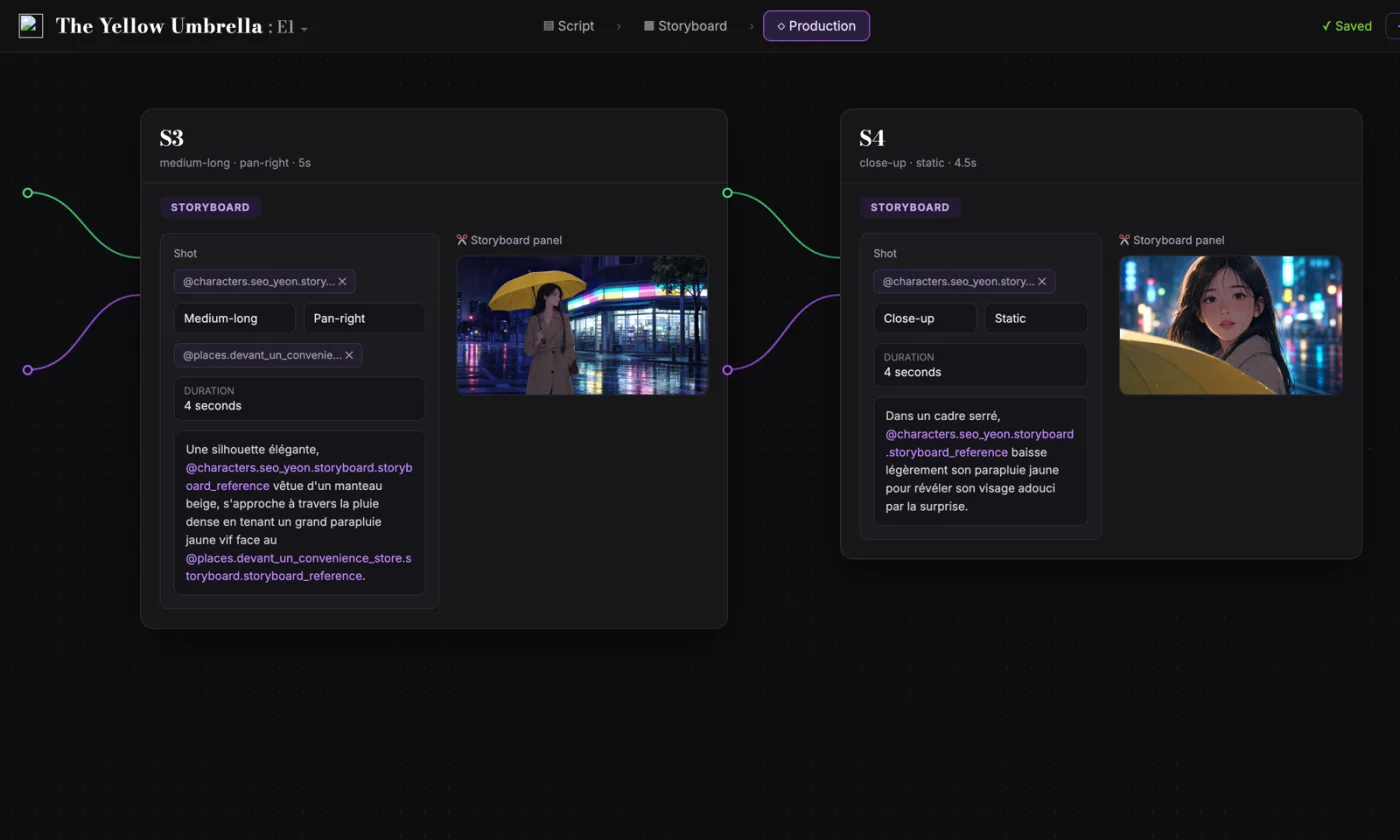
ScreenWeaver แตกบทภาพยนตร์เป็นช็อตโดยอัตโนมัติ แล้วต่อเป็นสตอรีบอร์ด ตัวละคร โลเคชัน และภาพอ้างอิงตามไปทุกช็อต
- 0 ดอลลาร์ ไม่มีวันหมดอายุ
- ส่งออกเป็น PDF และ Final Draft
- Mac, Windows, Linux, iPad
ตัวดึงคำตัวพิมพ์ใหญ่: คู่มือฉบับเต็ม
มันเก็บคำที่พิมพ์ด้วยตัวใหญ่ทั้งหมด เพื่อให้สิ่งที่เกี่ยวกับงานสร้างมองเห็นได้โดยไม่ต้องไล่อ่านเอง
ในงานแบบนี้ ปัญหาหลักชัดเจนอยู่แล้ว: คำสำคัญที่พิมพ์ตัวใหญ่หลุดสายตาได้ง่ายเวลาบทยาวหรือเปลี่ยนเร็ว ถ้าปล่อยไว้ มันจะไปสร้างความติดขัดในขั้นถัดไปและทำให้ตัดสินใจช้าลง เป้าหมายที่จับต้องได้คือ ดึงรายชื่อตัวละคร อุปกรณ์ประกอบฉาก และเอฟเฟกต์ที่น่าสนใจออกมาได้เร็ว เพื่อใช้แยกองค์ประกอบต่อ
ข้อจำกัดที่ควรจำไว้: มันไม่จัดหมวดรายการที่กำกวมให้เอง คำต่าง ๆ ยังต้องติดป้ายตามบริบท
การใช้งานขั้นสูง: รวมรายการที่ดึงมาเข้ากับคอลัมน์แยกตามแผนกและธงบอกค่าใช้จ่าย จะได้แผนที่ความเสี่ยงของแต่ละร่าง
วิธีทำทีละขั้น
- ดึงคำตัวพิมพ์ใหญ่ทั้งหมดจากร่างปัจจุบันก่อนเริ่มติดป้าย
- จัดแต่ละรายการเข้ากลุ่ม ตัวละคร อุปกรณ์ประกอบฉาก เอฟเฟกต์หน้ากล้อง เอฟเฟกต์ภาพ หรือสภาพแวดล้อม
- รวมชื่อที่เขียนต่างกันให้เป็นอันเดียว และตัดสิ่งที่มาจากการจัดหน้าออก
- ใช้รายการที่สะอาดแล้วเป็นฐานของตารางแยกองค์ประกอบรายแผนก
ตัวอย่างการใช้งานตามบทบาท
- คนเขียนบท: ตรวจว่าตัวละครและอุปกรณ์ถูกแนะนำอย่างสม่ำเสมอ
- ผู้ประสานงาน: ตั้งต้นแม่แบบแยกองค์ประกอบให้หลายแผนก
- โปรดิวเซอร์: ดึงของแพงขึ้นมาคุยเรื่องงบตั้งแต่เนิ่น ๆ
ข้อผิดพลาดที่พบบ่อย
- คิดว่าคำตัวพิมพ์ใหญ่ทุกคำอยู่ในหมวดเดียวกัน
- ลืมรวมป้ายชื่อที่แทบจะเหมือนกัน
- ข้ามการอ่านในบริบทสำหรับคำที่กำกวม
แนวปฏิบัติของมืออาชีพ
- เก็บป้ายหมวดหมู่ไว้ในสเปรดชีตหลักของคุณเลย
- ดึงใหม่ทุกครั้งที่มีร่างสำคัญ จะได้เห็นของใหม่ตั้งแต่ต้น
- ติดธงรายการที่แพงให้โปรดิวเซอร์ดูทันที
ให้ถือว่าผลลัพธ์จากเครื่องมือนี้เป็นตัวช่วยตัดสินใจ ไม่ใช่ตัวแทนการเขียน บทที่ดีถูกจดจำจากการเลือกที่เฉพาะเจาะจง ความแม่นยำทางอารมณ์ และความชัดเจนของการเคลื่อนของเรื่อง เครื่องมือช่วยตัดเสียงรบกวนออก เพื่อให้แรงของคุณไปลงตรงที่สำคัญจริง ๆ คือตัวละคร ความขัดแย้ง การยกระดับ และการจ่ายคืน ถ้าคุณทบทวนผลลัพธ์หลังทุกรอบและจดบันทึกสิ่งที่ยอมรับไว้ วิธีทำงานของคุณจะเร็วขึ้นและคาดเดาได้มากขึ้นจากร่างหนึ่งไปอีกร่างหนึ่ง ความสม่ำเสมอแบบนี้คือสิ่งที่คนทำงานมืออาชีพให้ค่า คือเซอร์ไพรส์น้อยลง เหตุผลชัดขึ้น และบทที่พัฒนาไปอย่างมีเจตนา
คำถามเชิงลึก
การดึงคำตัวใหญ่จัดหมวดให้อัตโนมัติไหม
ไม่ มันดึงรายการที่น่าสนใจออกมาได้เร็ว แต่การจัดหมวดตามบริบทยังเป็นงานของคน
จะลดผลบวกลวงได้ยังไง
จัดรูปแบบบทให้เป็นมาตรฐาน และตัดตัวพิมพ์ใหญ่ที่ใส่เพื่อความสวยงามซึ่งไม่ใช่ของในงานสร้าง
ช่วยเตรียมงบได้ไหม
ได้ รายการที่ติดป้ายแล้วทำให้ของแพงโผล่ให้โปรดิวเซอร์เห็นตั้งแต่ต้น
ควรดึงใหม่เมื่อไร
หลังทุกการแก้ครั้งใหญ่ที่เพิ่มฉาก อุปกรณ์ นักแสดง หรือเอฟเฟกต์
ใช้กับงานสร้างอิสระได้ไหม
ได้ดี มันลดงานเอกสารที่ต้องทำเองเวลาทีมมีคนน้อย
ขั้นตอนต่อไปที่เร็วที่สุดคืออะไร
ส่งออกรายการ ติดป้ายตามแผนก ระบุระดับความเสี่ยงและค่าใช้จ่าย แล้วทบทวนในที่ประชุมงานสร้าง