เวิร์กช็อปและทดสอบล็อกไลน์
ตัวสร้างล็อกไลน์แบบเติมช่องว่าง · ทดสอบการพิตช์ของคุณ
ล็อกไลน์คือแบบฝึกหัดที่ยากที่สุดสำหรับคนเขียน หลายคนมองหาสูตรเพื่อให้แน่ใจว่าองค์ประกอบครบทุกอย่าง
ใช้สี่ช่องด้านล่าง ตัวเอก เหตุการณ์จุดชนวน เป้าหมาย และตัวร้ายหรือเดิมพัน เครื่องมือจะประกอบประโยคให้ นับจำนวนคำ (เตือนเมื่อเกิน 35 คำ) และตรวจว่าองค์ประกอบของความขัดแย้งครบหรือไม่
วิธีการทำงาน
แม่แบบคือ «เมื่อ [ตัวเอก] [เหตุการณ์จุดชนวน] เขาต้อง [เป้าหมาย] ก่อนที่จะ [เดิมพัน]» เครื่องมือจะต่อสิ่งที่คุณกรอกเข้าด้วยกัน นับคำโดยแยกที่ช่องว่าง และแจ้งเตือนหากช่องใดในสี่ช่องยังว่าง คุณจึงมั่นใจได้ว่ามีความขัดแย้งและความชัดเจน ทุกอย่างทำงานในเบราว์เซอร์ของคุณ ไม่มีข้อมูลถูกส่งไปยังเซิร์ฟเวอร์ใด
ล็อกไลน์คืออะไร
ล็อกไลน์คือบทสรุปเรื่องของคุณในประโยคเดียว ที่บอกตัวเอก เหตุการณ์จุดชนวน สิ่งที่เขาต้องการ และสิ่งที่เดิมพันไว้หากเขาล้มเหลว มันคือเวอร์ชันของไอเดียคุณที่ใส่ลงในหัวข้ออีเมลหรือบนบอร์ดติดตามโปรเจกต์ได้
คนอ่านบท ตัวแทน และผู้บริหารใช้ล็อกไลน์ตัดสินใจว่าจะอ่านบทหรือไม่ ล็อกไลน์ที่ชัดเจนและขับด้วยความขัดแย้งทำให้แนวเรื่อง เครื่องยนต์ของเรื่อง และคำสัญญาทางอารมณ์ชัดเจนภายในไม่เกิน 35 คำ
ตัวอย่างล็อกไลน์
นี่คือตัวอย่างล็อกไลน์ที่สร้างด้วยสูตรนี้ ใช้เป็นแรงบันดาลใจ ไม่ใช่แม่แบบให้ลอกคำต่อคำ
- หนังยาว · ลึกลับ / สยองขวัญ
เมื่อนักสืบยุคทศวรรษ 1920 ค้นพบแผนมืดของลัทธิที่เอ่ยชื่อไม่ได้ เขาต้องคลี่คลายคดีก่อนที่จะเสียสติไปตลอดกาล
- หนังยาว · ดราม่าตัวละคร
เมื่อแพทย์ห้องฉุกเฉินที่หมดไฟถูกบังคับให้คุมแพทย์ฝึกหัดที่เคยร้องเรียนเธอเรื่องความประมาท เธอต้องกอบกู้ทั้งอาชีพและมโนธรรมก่อนที่ความผิดพลาดอีกครั้งจะทำลายทั้งสองอย่าง
- ซีรีส์ · ระทึกขวัญอาชญากรรม
เมื่อตำรวจใหม่ถูกส่งเข้าหน่วยปราบทุจริตชั้นยอด เขาต้องเปิดโปงเครือข่ายอาชญากรรมของอาจารย์ตัวเองก่อนที่มันจะกลืนกินครอบครัวและอาชีพของเขา
บีตของคุณควรมีบทอยู่ด้วยกัน
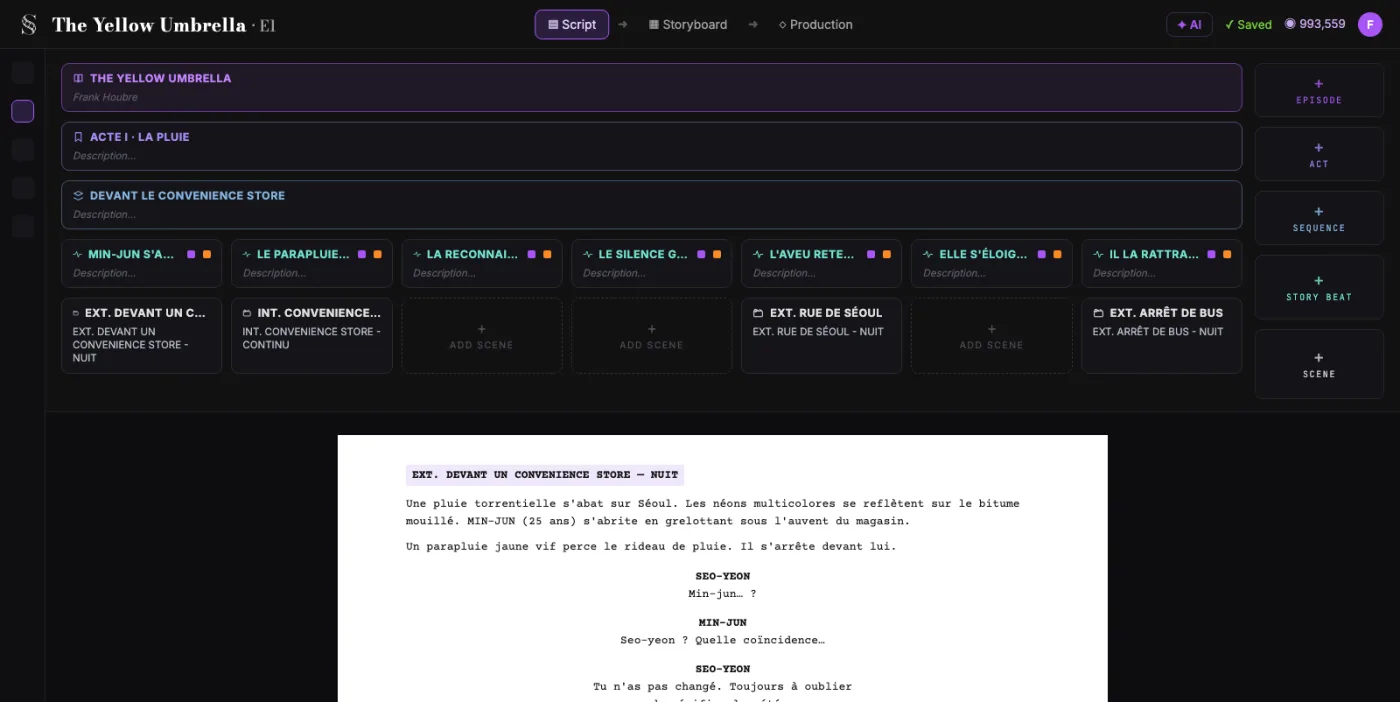
ใน ScreenWeaver โครงเรื่องและบีตอยู่ในโปรเจกต์เดียวกับบทภาพยนตร์ โครงสร้างและหน้าบทจึงเชื่อมกันเสมอ ใช้ฟรี
- 0 ดอลลาร์ ไม่มีวันหมดอายุ
- ส่งออกเป็น PDF และ Final Draft
- Mac, Windows, Linux, iPad
เวิร์กช็อปล็อกไลน์: คู่มือฉบับเต็ม
มันกดดันประโยคแก่นเรื่องของคุณ โดยบังคับให้ตัวเอก จุดจุดชนวน เป้าหมาย และเดิมพัน อยู่ในบรรทัดเดียวที่อ่านรู้เรื่อง
ในงานแบบนี้ ปัญหาหลักชัดเจนอยู่แล้ว: ล็อกไลน์จำนวนมากตกหล่นองค์ประกอบหลักไปหนึ่งอย่าง ทำให้ได้ไอเดียที่คลุมเครือและไม่มีใครขออ่านบท ถ้าปล่อยไว้ มันจะไปสร้างความติดขัดในขั้นถัดไปและทำให้ตัดสินใจช้าลง เป้าหมายที่จับต้องได้คือ ล็อกไลน์ที่ชัด ขับด้วยความขัดแย้ง สื่อทั้งแก่นเรื่อง การเคลื่อน และเดิมพัน ได้ในทีเดียว
ข้อจำกัดที่ควรจำไว้: มันไม่ตัดสินเทรนด์ตลาดหรือคุณภาพการเขียนบท มันเผยแค่ว่าไอเดียชัดหรือยัง
การใช้งานขั้นสูง: สร้างล็อกไลน์หลายเวอร์ชันโดยเปลี่ยนตัวแปรทีละอย่าง แล้วดูว่าเวอร์ชันไหนอธิบายเครื่องยนต์จริงของฉากคุณได้ตรงที่สุด
วิธีทำทีละขั้น
- เขียนร่างแรกโดยให้ตัวเอก จุดจุดชนวน เป้าหมาย และเดิมพัน เห็นชัด ๆ
- ตัดคำขยายที่เกินออก เก็บไว้เฉพาะคำที่เพิ่มความเฉพาะเจาะจงหรือความตึง
- ลองหลายเวอร์ชันโดยย้ายน้ำหนักระหว่างพล็อตภายนอกกับราคาทางอารมณ์
- เลือกเวอร์ชันที่ตรงกับเครื่องยนต์จริงของบท ไม่ใช่สำนวนที่ฟังดูอลังการที่สุด
ตัวอย่างการใช้งานตามบทบาท
- คนเขียนบท: เปลี่ยนไอเดียลอย ๆ ให้เป็นแกนของการพิตช์
- เตรียมคุยกับตัวแทน: เทียบมุมวางตำแหน่งหลายแบบได้เร็ว
- ส่งประกวด: ให้เรื่องย่อกับล็อกไลน์อยู่ในโทนเดียวกัน
ข้อผิดพลาดที่พบบ่อย
- ใช้ภาษานามธรรมแทนการกระทำที่จับต้องได้
- สับสนระหว่างแก่นเรื่องกับธีม แล้วเสียความชัดเจนของเรื่อง
- ยัดพล็อตรองเข้ามาจนเส้นความขัดแย้งหลักอ่อนลง
แนวปฏิบัติของมืออาชีพ
- อ่านล็อกไลน์ออกเสียงเพื่อเช็กจังหวะและความชัด
- ลองดูว่าคนอ่านเดาแนวเรื่องได้จากประโยคเดียวไหม
- เก็บไว้สองเวอร์ชัน ใช้ภายในหนึ่ง ใช้กับคนนอกหนึ่ง
ให้ถือว่าผลลัพธ์จากเครื่องมือนี้เป็นตัวช่วยตัดสินใจ ไม่ใช่ตัวแทนการเขียน บทที่ดีถูกจดจำจากการเลือกที่เฉพาะเจาะจง ความแม่นยำทางอารมณ์ และความชัดเจนของการเคลื่อนของเรื่อง เครื่องมือช่วยตัดเสียงรบกวนออก เพื่อให้แรงของคุณไปลงตรงที่สำคัญจริง ๆ คือตัวละคร ความขัดแย้ง การยกระดับ และการจ่ายคืน ถ้าคุณทบทวนผลลัพธ์หลังทุกรอบและจดบันทึกสิ่งที่ยอมรับไว้ วิธีทำงานของคุณจะเร็วขึ้นและคาดเดาได้มากขึ้นจากร่างหนึ่งไปอีกร่างหนึ่ง ความสม่ำเสมอแบบนี้คือสิ่งที่คนทำงานมืออาชีพให้ค่า คือเซอร์ไพรส์น้อยลง เหตุผลชัดขึ้น และบทที่พัฒนาไปอย่างมีเจตนา
คำถามเชิงลึก
โครงสร้างขั้นต่ำของล็อกไลน์คืออะไร
ตัวเอกที่ชัดเจน เหตุการณ์ที่จุดชนวน เป้าหมายที่ชัด และเดิมพันที่มีน้ำหนักถ้าเขาล้มเหลว
ควรลองกี่เวอร์ชัน
สามถึงห้าเวอร์ชันที่ทำมาดีมักพอให้มุมที่แข็งที่สุดโผล่ออกมา
โทนเรื่องต้องอยู่ในประโยคไหม
ควรอยู่ แต่ผ่านการเลือกคำที่แม่น ไม่ใช่ด้วยการเติมคำขยายเข้าไปเรื่อย ๆ
ล็อกไลน์เดียวใช้ได้ทั้งพิตช์และประกวดไหม
บางครั้งได้ หลายทีมเก็บเวอร์ชันสั้นไว้พิตช์ และเวอร์ชันยาวขึ้นนิดไว้ส่งประกวด
ทำไมล็อกไลน์ถึงฟังดูดาษดื่น
เพราะพิงภาษานามธรรม กริยาที่เจาะจง ข้อจำกัด และเดิมพันจริง ทำให้ประโยคติดหัวคน
ควรเขียนล็อกไลน์ใหม่ตอนไหน
หลังการเปลี่ยนโครงสร้างครั้งใหญ่ทุกครั้ง ล็อกไลน์ต้องอธิบายบทฉบับปัจจุบัน ไม่ใช่ไอเดียเก่า
คำถามที่พบบ่อยเรื่องตัวสร้างล็อกไลน์
คำตอบเหล่านี้ครอบคลุมคำถามที่พบบ่อยที่สุดเรื่องการเขียนและทดสอบล็อกไลน์
คนทำงานส่วนใหญ่ตั้งเป้าที่ 20-30 คำ เครื่องมือของเราจะเตือนเมื่อเกิน 35 คำ คุณจึงตัดคำขยายและเรื่องรองออกได้ ถ้าคุณยังบีบความขัดแย้งแกนกลางลงในประโยคเดียวที่กระชับไม่ได้ แนวคิดอาจยังคลุมเครือเกินไป
อย่างน้อยต้องมีตัวเอกที่เจาะจง เหตุการณ์จุดชนวนที่ชัดเจน (อะไรเปลี่ยนโลกของเขา) เป้าหมายที่เป็นรูปธรรม และเดิมพันหรือแรงต้านที่แท้จริงหากเขาล้มเหลว แนวเรื่องกับโทนเป็นของแถมเมื่อมันโผล่มาอย่างเป็นธรรมชาติ ถ้าขาดชิ้นใดไป ไอเดียมักรู้สึกแบน
ได้ สำหรับหนังยาว ให้จดจ่อกับกระดูกสันหลังเส้นเดียวของเรื่องตั้งแต่เหตุการณ์จุดชนวนถึงไคลแมกซ์ สำหรับตอนนำร่องหรือซีรีส์ ให้จับที่เครื่องยนต์ของเรื่องว่าเกิดอะไรขึ้นทุกสัปดาห์ ตัวเอกทำอะไร และความตึงเครียดอะไรที่ทำให้ตอนต่อ ๆ ไปเดินหน้า
สูตรมีไว้เพื่อไม่ให้คุณลืมสิ่งจำเป็นของเรื่อง ไม่ใช่เพื่อขัดความพิเศษของไอเดียคุณทิ้ง เมื่อครบทั้งสี่ชิ้นแล้ว ให้เขียนใหม่เพื่อน้ำเสียง ความเจาะจง และความประหลาดใจ เครื่องมือให้ร่างที่ชัดเจนและขับด้วยความขัดแย้งไว้ให้คุณขัดเกลาต่อ