
Screenwriting Tools17 min read

WriterDuet Alternative for Outlining and Beat Tracking in 2026

Realtime duet typing is not every writer’s bottleneck. When beat integrity and outline-to-page binding matter more, what to test, what to refuse, and how to avoid orphaned beats.

Try Screenweaver
Dark mode technical sketch: vertical beat spine feeding into screenplay pages
ScreenWeaver Logo
ScreenWeaver Editorial Team
March 30, 2026

WriterDuet built its reputation around one primary delight: live collaboration that feels like a shared desk rather than a slow-motion email swap. For many teams, that remains a genuine advantage. But not every writer is optimizing for realtime typing.

Some writers are optimizing for outline agility: restructuring sequences, preserving beat intent across drafts, and tracking turns like inventory. They want a beat spine that does not rot when scenes move. They want outline fidelity to survive exports, rewrites, and late-night panic.

If that is your profile, you are not looking for “any screenwriter app.” You are looking for a beat-tracking engine that respects screenplay reality.

Here is why that matters: outlines are promises. A beat system that drifts away from pages trains you to trust the wrong artifact. You think you are rewriting structure when you are polishing dialogue inside a broken engine.

Beat tracking fails quietly. It fails as subtle optimism.

What Beat Tracking Actually Requires

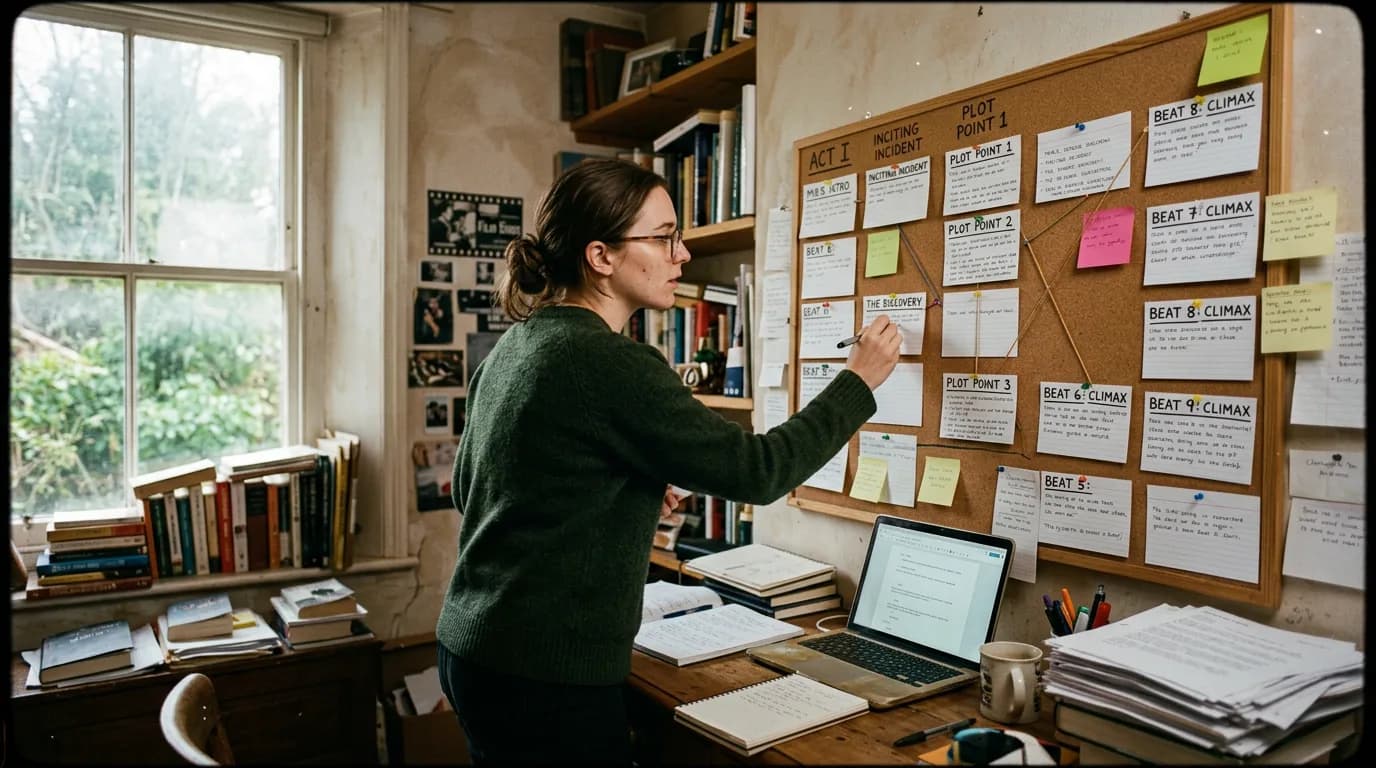
Strong beat tracking is more than index cards. It is a contract between layers: premise spine, sequence spine, scene list, and screenplay pages. Each layer should reference the others without requiring manual archaeology.

CapabilityWhy Beat Writers CareWeak Signal
Drag-and-drop restructuringSpeed of iterationRearranging breaks metadata
Beat-to-scene bindingTraceabilityBeats float untethered
Versioned outline historyCompare structural hypothesesOutline overwritten silently
TaggingTrack motifs, arcs, POV shiftsTags become decorative
Export sanityCollaborators need readable scriptsOutline changes desync pagination

Use this as a checklist in trials, not as marketing bingo.

Scenario One: Feature Writer Rewriting Midpoint Geometry

Tessa’s second act feels long. She suspects the midpoint arrives late. In a page-only environment, she guesses. In a beat-native environment, she measures: scenes between pressure spikes, decision density, consequence escalations.

She shifts two sequences earlier. The beat map updates cleanly because scenes remain bound to beat IDs. The script stops “feeling long” without her adding a single explosion for false energy.

Scenario Two: Room Lite With Shared Beats, Solo Pages

A small team outlines together, then assigns scenes. Their collaboration need is beat alignment more than simultaneous line edits. They pick a tool where the outline is canonical, comments attach to beats, and screenplay drafting can happen in focused solitude without losing room agreements.

That profile prioritizes outline authority over always-on presence.

Scenario Three: Genre With Hard Obligation Beats

Horror, heist, rom-com—many genres carry reader expectations about obligation sequences. Writers sometimes resist formula; audiences still feel absence. Beat tracking helps you decide consciously where you fulfill, twist, or delay obligations instead of doing it by accident.

As discussed in our guide on beat boards versus outlines, the goal is intentional architecture, not paint-by-numbers writing.

Step-by-Step: Evaluate a WriterDuet Alternative for Beat Work

Step 1 — Build a deliberately broken outline. Messy beats. Intentional redundancy. A subplot that does not pay off. Good beat software should reveal problems visually without you “cheating” with prose.

Step 2 — Force a structural earthquake. Move your Act Two break earlier. Observe whether beat notes follow scenes, or orphan themselves.

Step 3 — Run outline-to-page parity. For each major beat, locate the on-page moment that fulfills it. If you cannot, your beat is fiction.

Step 4 — Simulate a notes pass. Add comments at beat, scene, and line levels. See what surfaces during triage.

Step 5 — Export and re-import. If this step fails, nothing else matters.

Step 6 — Measure typing friction. Outlining-heavy writers still live in scripts eventually. If script mode feels punitive, you will resist returning to pages.

Step 7 — Decide collaboration needs honestly. If you need realtime duet, bias toward tools built for it. If you need shared truth asynchronously, other tools may outperform.

Arc Studio, Final Draft’s beat/board features when used deliberately, Fade In paired with disciplined external systems, and structured planners inside newer drafting suites can all serve beat-first writers—as long as binding and exports pass your tests. The winner is empirical.

Parameter tuning tips: keep beat titles short enough to scan at a glance; maintain one tag vocabulary across the season; never duplicate a beat name for two different functions; snapshot outlines before major experiments; use color only for meaning, not mood decoration.

As discussed in our article on navigating scene trees in one click, fast retrieval beats ornate dashboards once drafts grow.
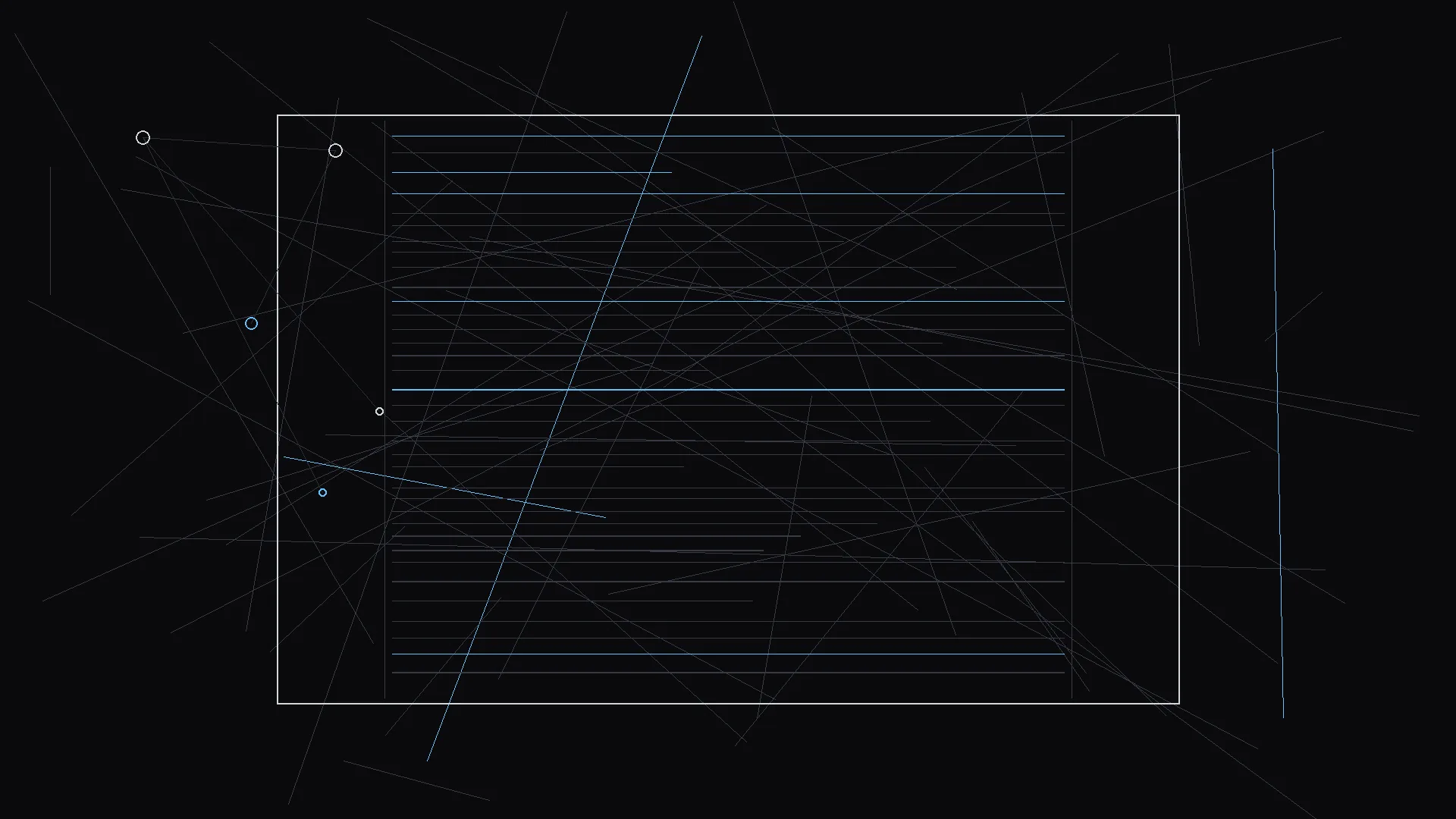

Beat spine and scene ribs diagram

Trench Warfare: Beat Tracking Failure Modes

Beat bloat arrives when writers confuse quantity with clarity. Thirty beats that all sound important usually mean you have not decided what the scene is doing. Forced summarization fixes this.

Beat vagueness arrives when beats read like mood titles instead of causal turns. “Tension rises” is not a beat. A beat is an event that forces a choice.

Binding rot arrives when you rename scenes without updating beat links. Names drift; truth fractures.

Outline narcissism arrives when writers polish maps instead of pages. The map is a compass, not the hike.

Tool superstition arrives when writers assume software correctness equals story correctness. Software organizes claims. It does not validate them.

If your beat board flatters you more than your script does, your board is lying.

For external reading on craft discipline while you evaluate tools, see <a href="https://www.oscars.org/nicholl/about/screenwriting-resources" rel="nofollow">Nicholl Fellowship screenwriting resources</a>.

[YOUTUBE VIDEO: Beat-tracking stress test—restructure a full Act Two in three apps, compare binding behavior, then export]

When Collaboration Still Matters (But Not WriterDuet)

Maybe your team needs comment visibility, not two cursors fighting for the same word. Alternatives that separate “structural proposals” from “line edits” can reduce emotional friction while preserving alignment. Sometimes a shared outline with owned screenplay branches beats a constant duet.

Beat Tag Strategy for Series Work

If you track a seasonal engine—mystery clues, relationship arcs, thematic counterpoints—tags become your memory. Keep tag count low. High tag entropy means nobody uses them consistently.

Closing Perspective

WriterDuet earned loyalty in collaboration. If your central pain is beat integrity and outline truth, choose against that pain, not against a brand.

Pick the alternative that keeps beats married to pages.

Then rewrite until the marriage looks inevitable.
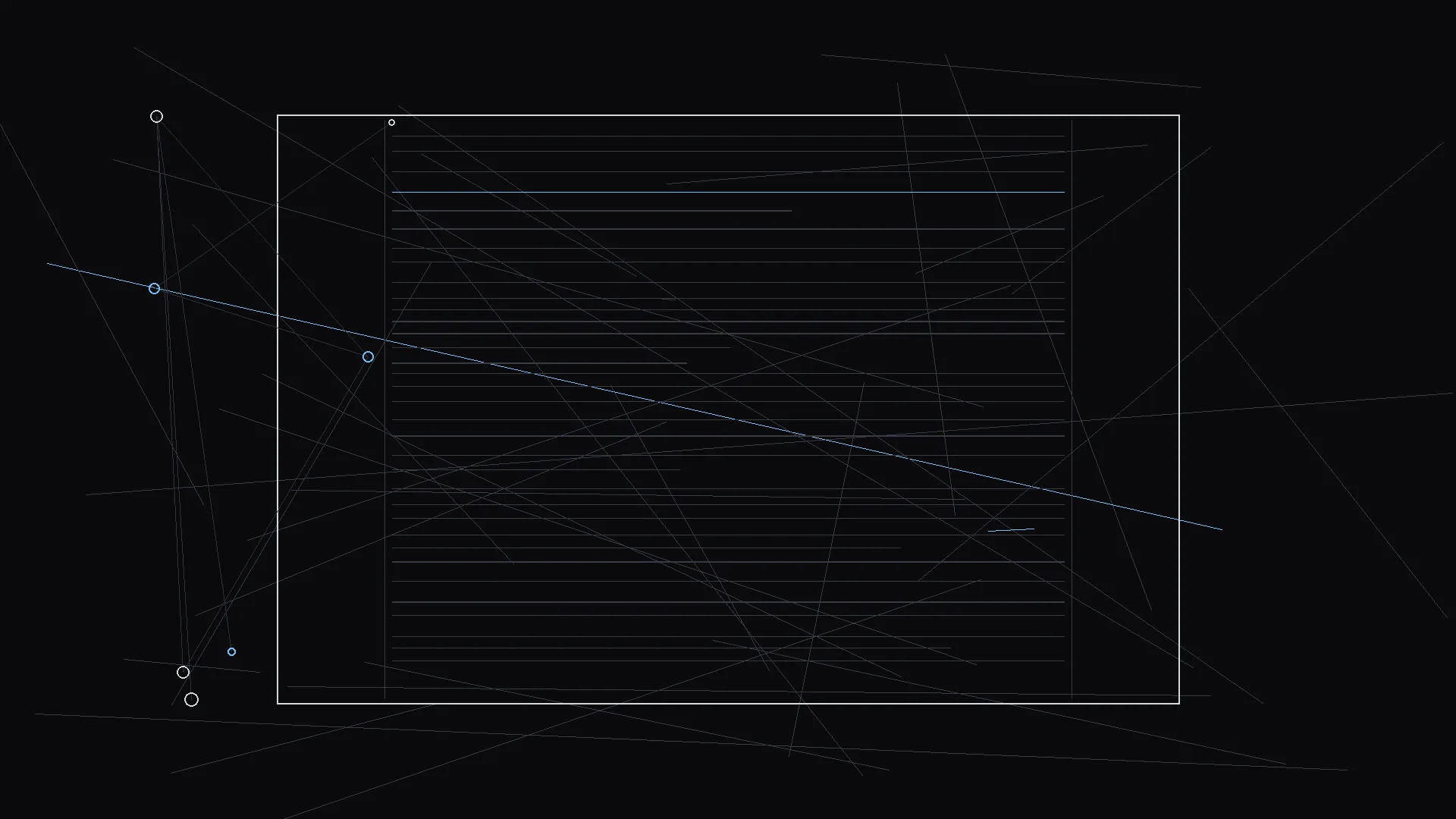

Orphaned beats vs bound anchors

Try it free

Try Screenweaver for free on your script

It is free. Import your existing project, get a clearer view of your outline, and regain control of your story structure in minutes.

Start Free

Deeper Protocol: Beat Hygiene for Long Projects

Long projects punish lazy labeling. If your beat sheet spans months, you will forget what “Turn 7” meant unless beats include crisp causal language and dates on snapshots. Think in claims: what changed in the story world because this beat exists? If you cannot answer, the beat is a heading, not a beat.

Also schedule outline debt paydown. Like technical debt, outline debt accrues silently: duplicate beats, dead scenes, obsolete tags. Once a month, prune with prejudice.

Beyond Features: Rhythm of Rewriting

Beat tools change how rewriting feels. You might rewrite faster because fear drops when structure is visible. You might also rewrite too fast, mistaking rearrangement for improvement. Insert deliberate cooling-off reads between structural passes. Read aloud. Export. Read on paper if you can.

The goal is not to become a cartographer. The goal is to finish scripts that move.

Why Some Writers Quit Beat Tools

They quit when binding breaks during stress. They quit when script mode feels second-class. They quit when collaboration features distract from thinking. If you recognize yourself here, prioritize export fidelity and script ergonomics first, beat flair second.

Final Operational Rule

If an alternative cannot survive a two-week rewrite storm without orphaning beats, it is not your alternative.

If it can, keep it.

Beat tracking is organizational psychology disguised as software.

Choose the psychology you can live with at 1 a.m.

From Beats to Pages Without Losing the Thread

A beat system is only as good as the moment you translate structure into behavior. Many writers keep strong outlines and weak scenes because they skip the bridge question: what does a character do on screen that embodies this beat? If your tool lets you attach a one-line “on-page action” to each beat, use it. If not, maintain that sentence externally. Without it, beats become a pleasant outline you abandon the second dialogue arrives.

When you draft, write hot and messy, then reconcile coldly. Messy drafting preserves voice; cold reconciliation preserves architecture. Alternatives that make reconciliation annoying will train you to skip reconciliation. That is how outlines become theater.

Beat Density and Pacing Diagnostics

Visual beat strips expose length illusions. Two long scenes can occupy the same narrative function, stealing air from each other. A beat map reveals functional duplication faster than scrolling. When you spot duplication, choose expansion or compression intentionally: merge scenes, split functions, or reassign subplot weight.

Also watch for “false escalation,” where beat labels intensify language while plot consequences plateau. Your software cannot detect this dishonesty. Readers can. Compare beat claims against what changes if you delete the scene entirely. If little changes, the scene is not holding weight.

Integrating Research and Obligations Without Polluting Beats

Writers working from research often pack beats with factual detail. Beats are not footnotes. Store research references elsewhere and keep beats causal. If a beat exists only to transport information, consider converting it into a character-driven event. Tools with note fields help separate reference from obligation.

For genre obligation tracking, consider a tag that marks fulfillment, subversion, or delay. That meta-layer prevents you from accidentally removing the one beat readers expect while believing you are “streamlining.”

Team Communication: Beat Sheets as Shared Contracts

In small rooms, arguments that explode on page twenty often began as fuzzy agreements on page two. A beat sheet can be the contract: not because it is legally binding, but because it is reviewable. When teammates disagree, you return to beats before lines. Lines are expensive. Beats are cheaper.

If your alternative prioritizes comments on pages but not on beats, you may recreate the same confusion WriterDuet users try to avoid—just slower.

Migration From WriterDuet Without Drama

If you are leaving WriterDuet because beats feel unwieldy, export archives in multiple formats before experimenting. Maintain a dated folder that includes the last known good PDF, any intermediate exports your collaborators rely on, and a beat text dump if available. Migration anxiety drops when rollback is obvious.

Pilot migration on one episode or act. Validate comment history expectations. Some teams value comment archaeology more than fancy maps. Know your team.

Solo Writers vs Writers Who Only Collaborate Occasionally

Solo writers sometimes overbuy collaboration features and underbuy binding fidelity. Occasional collaborators need clean share links and comment visibility, not necessarily a perpetual duet environment. If your actual cadence is solo drafting with weekly bursts of notes, prioritize outline integrity and painful-export prevention over presence indicators.

The Relationship Between Beat Tools and Table Reads

Table reads punish outline optimism. Beats that sounded decisive on a board can sound expositional aloud. Use your beat system to mark “read-test status.” After a read, annotate beats that landed flat. That annotation becomes your rewrite agenda. Good tools support honest embarrassment without requiring you to delete history.

When Analog Beats Beat Digital Beats (Briefly)

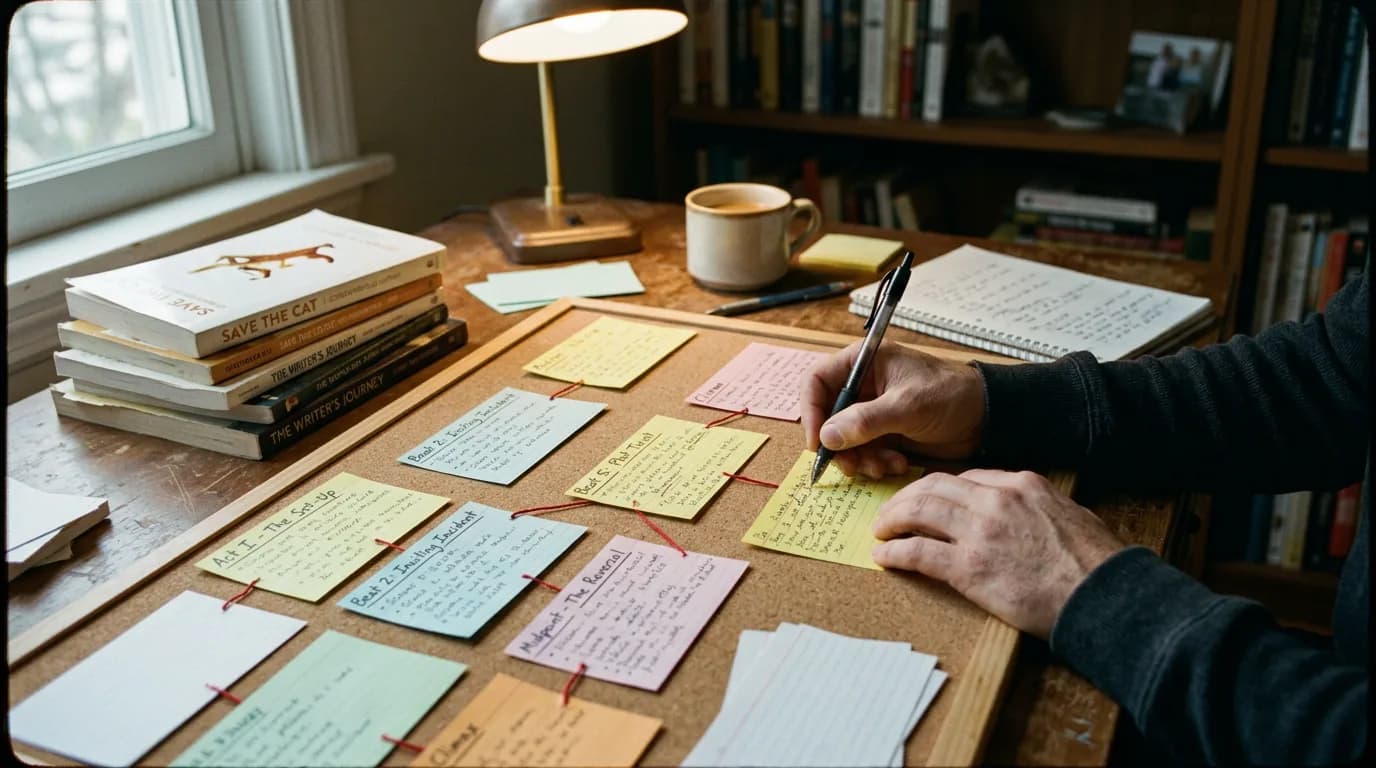
Sometimes a wall and index cards outperform software for a weekend because physical manipulation changes thinking tempo. The lesson is not anti-digital. The lesson is that thinking tempo matters. If your digital tool enforces a rhythm that feels sterile, temporarily change tempo, then return with clearer decisions. Capture the result immediately in your canonical system so the insight does not evaporate.

Thirty-Day Success Metrics for Beat-First Writers

Measure: time to restructure Act Two after a failed note pass; number of orphaned beats per week; average export surprises; confidence during sequence jumps; how often you reopen the outline during dialogue polishing. Improvement across those metrics means the alternative is earning its place.

Closing Honesty

WriterDuet is not the baseline of virtue; it is a product with strengths. Alternatives exist because writers have different bottlenecks. Beat-first writers should select against outline decay, not against a logo.

If your beats and pages stay married through chaos, you chose well.

If they divorce, divorce the tool instead of hoping loyalty fixes architecture.

Beat Testing for Ensemble Casts

When multiple protagonists or POV splits exist, beat tracking becomes coordination between arcs. Mark POV ownership per beat so you can scan whether one storyline hogs the middle. Alternatives that let you filter beats by character thread can prevent the “everyone is active, nobody is progressing” illusion. Without filters, you may mistake cross-cutting for development.

If your tool lacks filters, mimic them with strict prefixes in beat titles. Ugly but effective. The human eye scans prefixes faster than paragraphs.

Sequencing Software Demos So You Are Not Fooled

Vendors demo best-case boards. You should demo worst-case boards: parallel subplots, flashbacks, location clusters, and a midpoint rewrite that splits one scene into three. If the alternative survives that without manual re-linking hell, keep testing. If it buckles early, believe the buckle.

Performance Under Weight

Beat systems accrete weight: images, links, notes, comments. Test with a “heavy” project copy. Lag undermines outlining because outlining is meant to be fast thinking. A tool that stutters when you drag a sequence trains you to avoid restructuring. Avoiding restructuring is how second acts go stale.

When You Still Keep WriterDuet

If realtime duet is genuinely daily, if your team loves the collaboration rhythm, and if beat drift has never been your pain point, switching may solve nothing. Alternatives are for mismatched bottlenecks. If your bottleneck is dialogue quality or casting reality, software tourism will not save you.

A Single Sentence to Guide Purchases

Buy the tool that keeps your outline honest when you are tired, not the tool that impresses you when you are fresh.

Beat Language: Write for Future You

Future you reads beats at midnight in a panic. If beats rely on in-jokes, cryptic references, or “see earlier,” you are sabotaging your own pipeline. Write beat descriptions like incident reports: who did what, under what pressure, with what result. Clarity is not anti-art. It is anti-amnesia and anti-expensive-rewrite panic.

If you maintain that discipline in any alternative you try, you will quickly learn which interfaces reward clarity and which reward vibes. Choose the clarity reward. Vibes do not survive production—not even in development, if the development is very serious in television.

Final Step

Build your next script with Screenweaver

Move from ideas to production-ready pages faster with timeline-native writing and AI-assisted story flow.

Try Screenweaver

ScreenWeaver Logo

About the Author

The ScreenWeaver Editorial Team is composed of veteran filmmakers, screenwriters, and technologists working to bridge the gap between imagination and production.