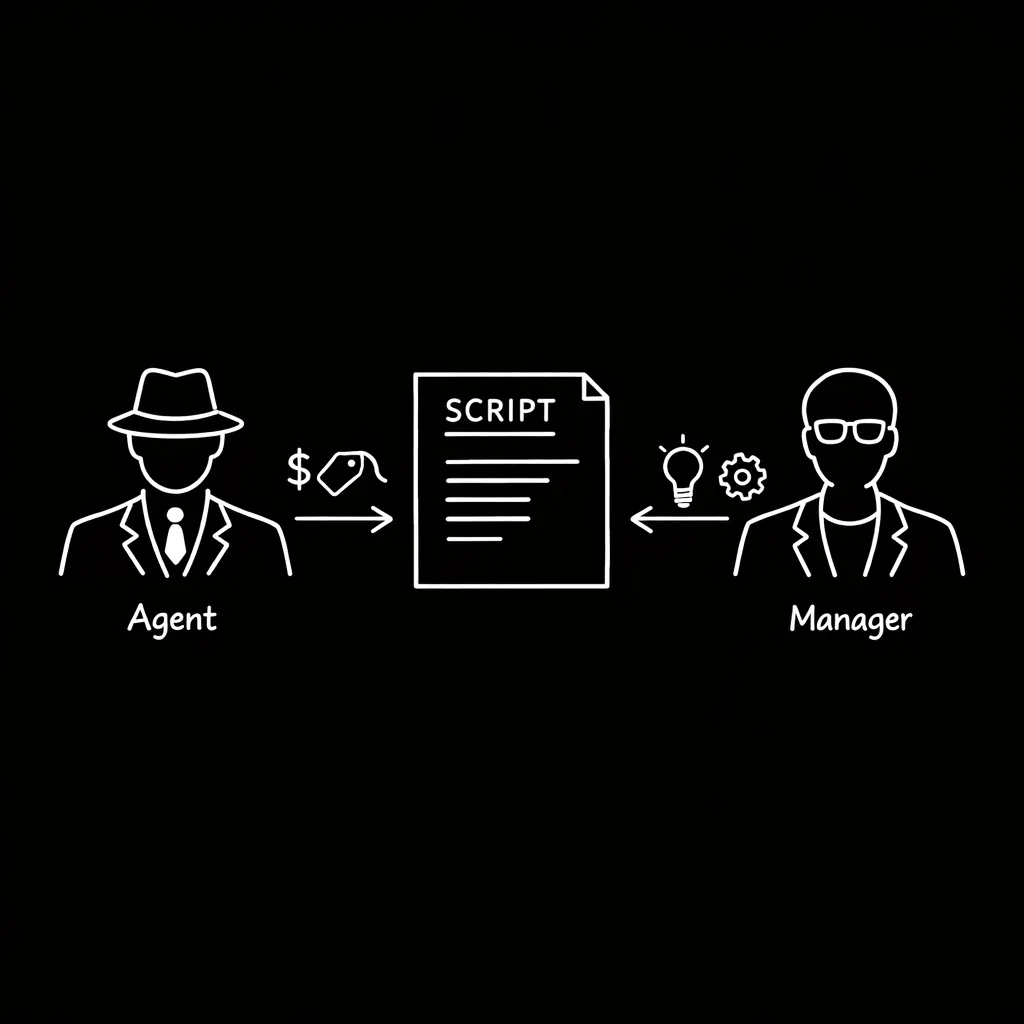

An agent has read your script. They like it. They're sending it to a few people. But they haven't signed you. You're not on the roster. You're in their hip pocket, meaning they're repping you informally, testing the waters before they offer a full representation agreement. It can feel like a win. You've got an agent sending your work out. It can also feel unstable. You're not officially a client. You have no contract. This guide explains what a hip pocket arrangement is, why agents use it, what you gain and what you risk, and when to push for a real deal, or walk away.
Hip pocket means you're being repped without being signed. The agent is trying you out. You're trying them out. It can lead to a full deal. It can also end with no obligation on either side, including no obligation to keep sending your work.
For context on when you need an agent vs. a manager, see Agent vs. Manager: Who Do You Need First?. For when real offers land, Entertainment Lawyers and WGA Minimums matter. For building rep from scratch, How to Get a Literary Manager often comes before any agent relationship.
What "Hip Pocket" Means
Hip pocket is industry slang for an informal representation arrangement. The agent (or sometimes manager) is sending your material out, maybe taking meetings with you, maybe even negotiating, but you don't have a signed representation agreement. You're not on their website. You're not in their official client list. You're in their "pocket", handy, but not committed. They can drop you at any time. You can leave at any time. There's no contract defining commission, length of representation, or what happens if a deal closes.
So: you get access. You get some of the benefits of having an agent. You don't get the security of a signed deal. That's the trade.
Why Agents Use It
Agents use hip pocket to test a writer before committing. They want to see if your material gets traction. If they send your script to three producers and two ask for meetings, they're more likely to sign you. If nobody responds, they haven't invested a contract or a lot of time. So from the agent's side, hip pocket is low risk. They can take on a lot of hip pocket clients and only sign the ones who prove out. For you, that means you're in a tryout. The tryout can work. It can also mean you're one of many in the pocket, and you might get less attention than a signed client.
What You Gain
You get an agent's access. They're submitting your script. They're putting their name on the submission. That can open doors. You might get generals, might get an option, might get staffed. You also get a chance to see how they work, how they communicate, how they follow up, whether they fight for you. If it goes well, they may offer a full rep agreement. So hip pocket can be a path to being signed. It's not nothing.
What You Risk
No obligation. They can stop sending your work tomorrow. They don't have to tell you why. They don't have to give you a list of who they've submitted to. You're not a client, so you don't have the protections that a representation agreement would give you.
Lower priority. Signed clients get first call. Hip pocket writers get what's left. Your script might go out after everyone else's. You might not get the same push.
Commission ambiguity. If a deal closes while you're in their hip pocket, do they get a commission? Often the agent will say yes, they repped you on that deal. But without a contract, the percentage and the terms are fuzzy. You could end up in a dispute. Get clarity early: "If something closes from the material you're sending out, what's the commission?" If they say 10%, get it in an email. If they won't put it in writing, that's a red flag.
No exclusivity in your favor. You're not exclusive to them, you can have a manager or another agent. But they're also not exclusive to you. They can hip pocket ten writers and only sign two. You might be one of the eight who never get signed.
Emotional limbo. It's hard to know where you stand. Are you almost signed? Are you on the back burner? Without a contract, you're in the dark. That can be stressful and can keep you from pursuing other rep or opportunities.
Try it free
Try Screenweaver for free on your script
It is free. Import your existing project, get a clearer view of your outline, and regain control of your story structure in minutes.
Start FreeWhen to Push for a Real Deal
If they've sent your script to a meaningful list of buyers and you've had some response, meetings, requests, or an offer, you have leverage. Ask: "I'd like to formalize this. Can we sign a representation agreement?" If they say they're not ready, ask what would get you there. More material? A sale? A staffing gig? If they can't answer, or if they keep you in the pocket for a long time with no movement, consider whether you're better off with a manager who will sign you and develop you, or another agent who's willing to commit.
When to Walk Away
If you've been in the hip pocket for a year and they've sent your script to two people with no follow-up, you're not getting value. If they won't put commission in writing when a deal is on the table, walk. If they're vague about who they've submitted to and never give you a clear next step, you're allowed to leave. Hip pocket is voluntary. You can say: "I've decided I need a formal arrangement. I'm going to look for rep that can offer that. Thanks for the run." Then go get a manager or an agent who'll sign you. Don't stay in limbo forever.
What Beginners Get Wrong
Treating hip pocket like a real deal. It's not. You don't have a contract. Don't assume they'll always be there. Have a plan B.
Not asking about commission. If something sells, who gets what? Ask before a deal lands. Get it in writing. Otherwise you're in a fight later.
Staying too long with no progress. Six months, a year, and no submissions or no traction? Reassess. You might be better off with a manager who will sign you and push your material.
Exclusivity confusion. Some agents will say "while I'm sending your stuff out, don't have another agent sending the same material." That's reasonable. But if they're not sending it anywhere and they're blocking you from going elsewhere, that's not. Clarify what "exclusive" means during the hip pocket period.
The Perspective
Hip pocket is a tryout. It can lead to a full rep deal. It can also leave you in limbo with no contract and no obligation on either side. Use it to get read and to see how the agent works. But if it goes on too long with no movement, or if they won't put commission in writing when money is on the table, push for a real deal or walk. You deserve rep that commits, whether that's a manager who signs you first or an agent who's ready to put it in writing.
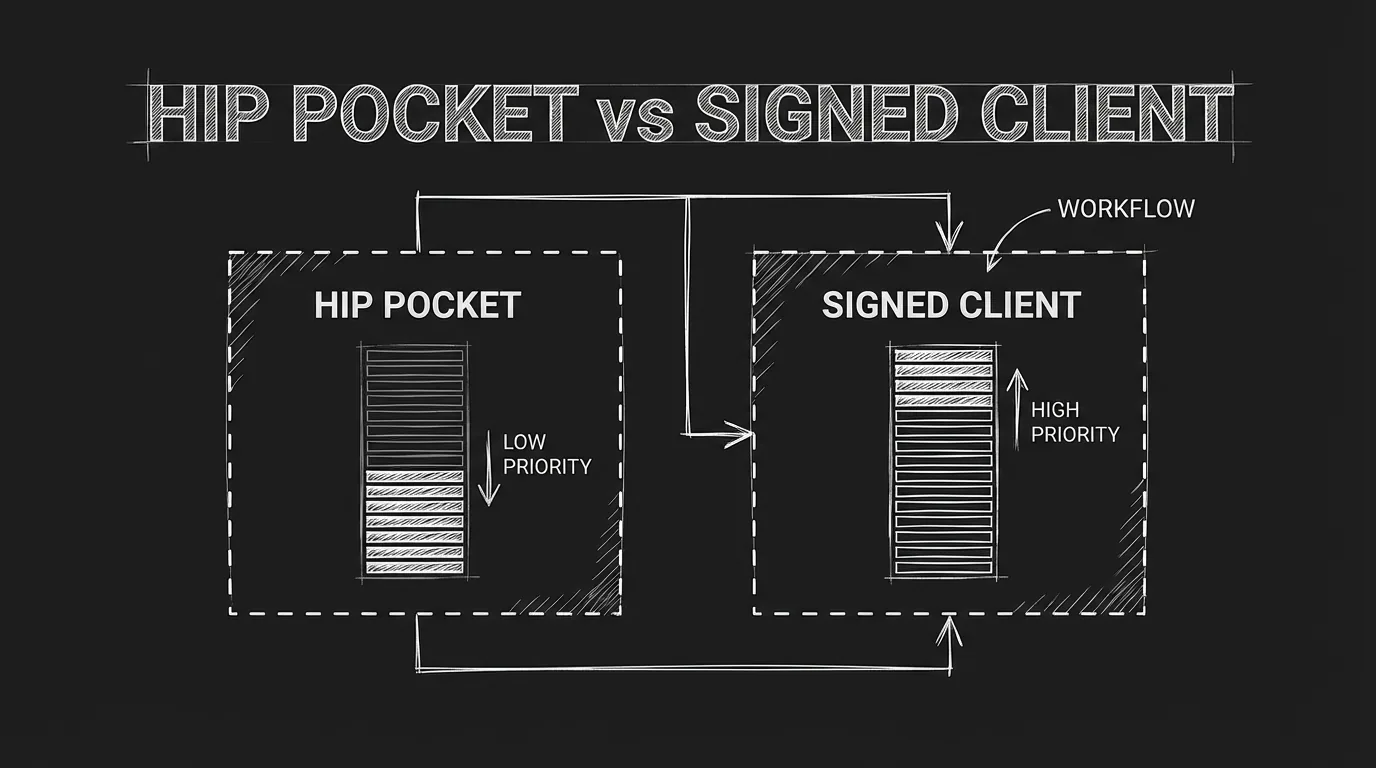
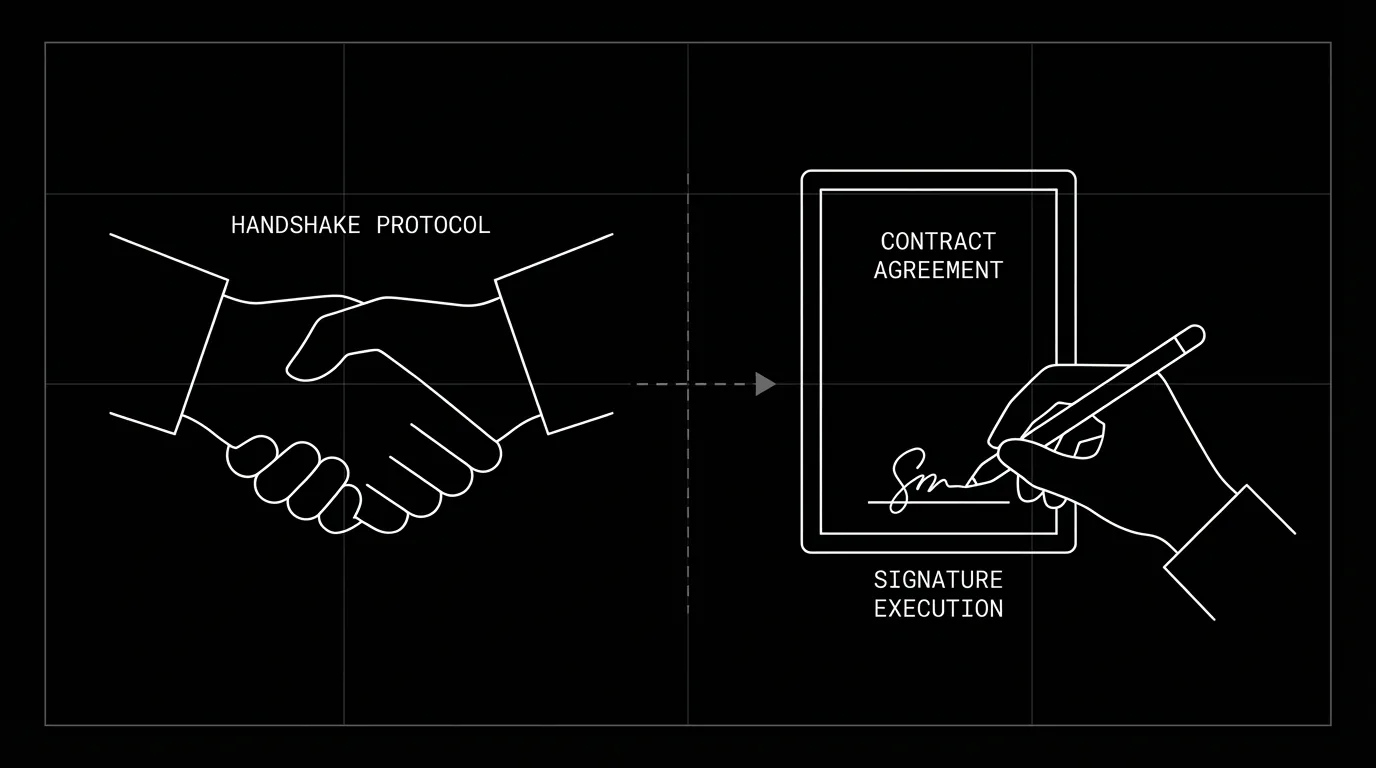
These two visuals work as a pair: the first shows Hip pocket vs signed client: comparison; dark mode technical sketch, and the second shifts to Handshake vs contract; dark mode technical sketch - compare them briefly, then move on.
Final Step
Build your next script with Screenweaver
Move from ideas to production-ready pages faster with timeline-native writing and AI-assisted story flow.
Try Screenweaver