คู่มือขนาดภาพ

ทุกขนาดภาพให้เห็นจริง พร้อมพรอมป์ตให้คัดลอก

ดูให้ชัดว่าขนาดภาพแต่ละแบบตัดเฟรมตรงไหน ตั้งแต่คนที่หายไปในภูมิทัศน์จนถึงดวงตาคู่หนึ่งที่เต็มจอ แล้วคัดลอกพรอมป์ตที่ให้ผลเป็นขนาดภาพนั้นใน Veo, Sora, Runway, Kling หรือโมเดลภาพใดก็ได้

ขนาดภาพคือคำแรกของภาษาภาพยนตร์ ช่วงเวลาเดียวกันจะเล่าเป็นภูมิศาสตร์เมื่ออยู่ในภาพกว้าง เป็นบทสนทนาเมื่ออยู่ในภาพครึ่งตัว และเป็นการสารภาพเมื่ออยู่ในภาพใกล้ การ์ดทุกใบด้านล่างจับตัวแบบเดียวกันในขนาดหนึ่งของสเกลคลาสสิก ความต่างจึงเห็นได้ด้วยตาแทนที่จะถูกบรรยาย

ภาพสาธิตขนาดภาพถูกวาดในเบราว์เซอร์ของคุณ การคัดลอกพรอมป์ตไม่ส่งข้อมูลใดไปยังเซิร์ฟเวอร์

Extreme wide shot

EWS

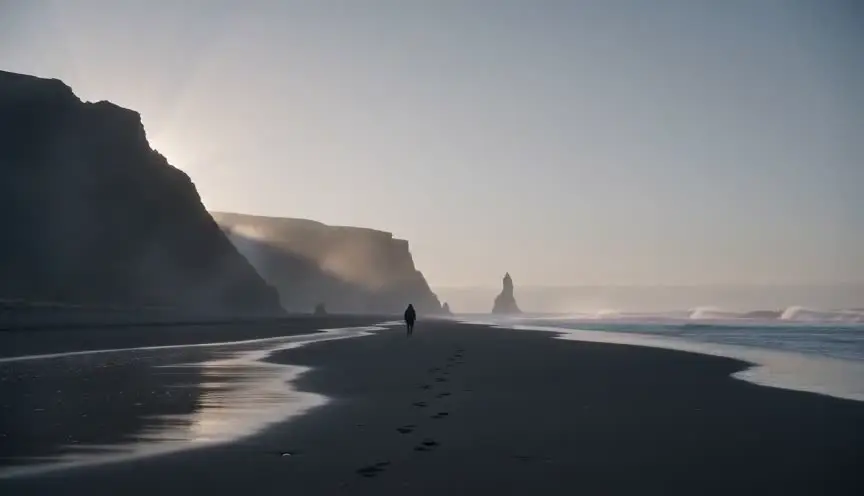
The subject is a small element in a vast environment; the location is the real subject of the frame.

ใช้เมื่อ Openings, establishing geography, isolation, and scale - the world before the person.

extreme wide shot, the subject tiny in a vast landscape

ดูตัวอย่างพรอมป์ตเต็ม

A traveler crosses a salt flat at dawn, extreme wide shot, the subject tiny in a vast landscape, pastel sky.
Wide shot

WS

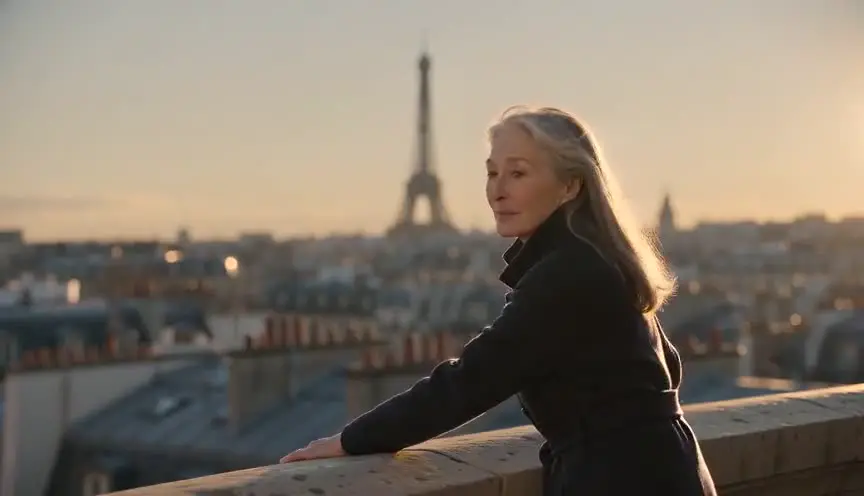
The full subject is visible with generous room around them; body and environment share the frame.

ใช้เมื่อ Establishing a character in a place, blocking-heavy scenes, physical comedy.

wide shot showing the full subject and their surroundings

ดูตัวอย่างพรอมป์ตเต็ม

A mechanic stands in a cluttered garage doorway, wide shot showing the full subject and their surroundings.

Full shot

FS

The frame cuts just above the head and just below the feet: the body fills the height of the frame.

ใช้เมื่อ Costumes, posture, and movement - showing exactly how a character carries themselves.

full shot framing the subject from head to toe

ดูตัวอย่างพรอมป์ตเต็ม

A dancer in rehearsal clothes holds a final pose, full shot framing the subject from head to toe, studio light.

Cowboy shot

MWS

The frame cuts at mid-thigh - historically to keep a gunslinger's holster visible.

ใช้เมื่อ Confrontations and swagger; a power framing that keeps hands and hips in play.

cowboy shot framing the subject from mid-thigh up

ดูตัวอย่างพรอมป์ตเต็ม

A sheriff squares up in the saloon doorway, cowboy shot framing the subject from mid-thigh up, backlit dust.

Medium shot

MS

The frame cuts at the waist: close enough for expression, wide enough for gesture.

ใช้เมื่อ The workhorse of dialogue - conversations, interviews, most scene coverage.

medium shot framing the subject from the waist up

ดูตัวอย่างพรอมป์ตเต็ม

A journalist leans into the interview question, medium shot framing the subject from the waist up, office bokeh.

Medium close-up

MCU

The frame cuts at the chest: the face leads, but shoulders keep body language alive.

ใช้เมื่อ Emotional dialogue beats, reactions that still need a hint of posture.

medium close-up framing the subject from the chest up

ดูตัวอย่างพรอมป์ตเต็ม

A witness hesitates before answering, medium close-up framing the subject from the chest up, courtroom light.

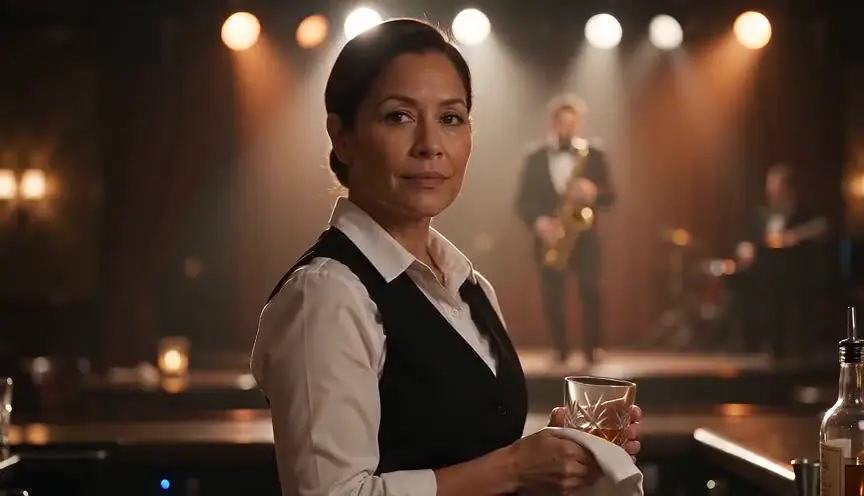
Close-up

CU

The face fills the frame, cut around the shoulders; every micro-expression reads.

ใช้เมื่อ Key emotional moments, decisions, the audience inside a character's head.

close-up on the subject's face

ดูตัวอย่างพรอมป์ตเต็ม

Tears she refuses to release, close-up on the subject's face, candlelight flickering.

Extreme close-up

ECU

A fragment of the face - usually the eyes - fills the entire frame.

ใช้เมื่อ Maximum intensity: realization, terror, obsession, the western standoff stare.

extreme close-up on the subject's eyes

ดูตัวอย่างพรอมป์ตเต็ม

The moment the plan clicks into place, extreme close-up on the subject's eyes, reflected neon.

Insert shot

INSERT

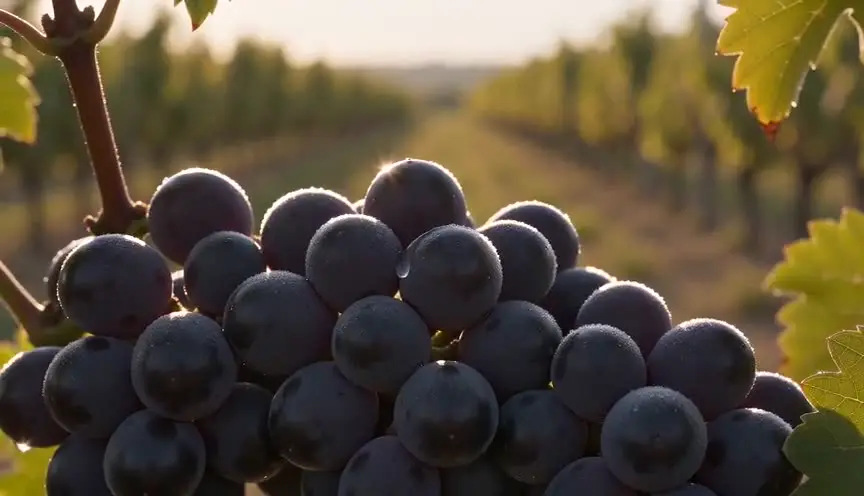
A tight detail of an object or action - hands, a letter, a key turning - not a face.

ใช้เมื่อ Story-critical props, cutaways that carry plot information, tactile texture.

insert shot, extreme close-up detail of the object

ดูตัวอย่างพรอมป์ตเต็ม

A brass key slides into an old lock, insert shot, extreme close-up detail of the object, shallow focus.

วิธีใช้หน้านี้

หาขนาดภาพที่ตรงกับปริมาณบริบทที่ช่วงเวลาของคุณต้องการ คัดลอกชิ้นส่วนพรอมป์ตของมัน แล้วนำไปขึ้นต้นพรอมป์ต AI ของคุณก่อนตัวแบบและแอ็กชัน เพราะโมเดลให้น้ำหนักกับคำที่มาก่อนมากกว่า ชิ้นส่วนแต่ละอันใช้ศัพท์มาตรฐานของวงการบวกคำอธิบายภาษาชาวบ้าน («จับตัวแบบตั้งแต่เอวขึ้นไป») ซึ่งช่วยกำกับโมเดลแม้มันจะตีความศัพท์เปล่า ๆ แบบหลวม ๆ ตัวอย่างบนการ์ดแต่ละใบแสดงชิ้นส่วนนั้นในพรอมป์ตที่สมบูรณ์

ขนาดภาพในภาพยนตร์และการสร้างวิดีโอด้วย AI

สเกลของขนาดภาพคือคำศัพท์ร่วมที่เก่าแก่ที่สุดในการทำหนัง ทั้งภาพกว้างมาก ภาพกว้าง ภาพเต็มตัว ภาพคาวบอย ภาพครึ่งตัว ภาพครึ่งตัวใกล้ ภาพใกล้ ภาพใกล้มาก และภาพแทรกสำหรับวัตถุ กองถ่ายทั่วโลกทำสตอรีบอร์ด รายการช็อต และกำกับด้วยศัพท์เหล่านี้ ซึ่งคือเหตุผลที่โมเดล AI ที่ฝึกจากฟุตเทจที่ถูกบรรยายไว้ตอบสนองต่อมันได้

ความต่างที่ใช้งานได้จริงระหว่างสองขนาดที่อยู่ติดกันคือสิ่งที่ยังคงอยู่ในเฟรม ภาพครึ่งตัวยังเก็บท่าทางมือไว้ ภาพครึ่งตัวใกล้แลกท่าทางกับสีหน้า ภาพใกล้แลกท่าทางร่างกายกับสีหน้าเล็ก ๆ การสั่งขนาดกว้างหรือแคบกว่าที่ช่วงเวลานั้นต้องการคือเหตุผลที่ช็อตบทสนทนาจาก AI มักรู้สึกไกลเกินไปหรือเข้มข้นเกินไป

ซีเควนซ์จะอ่านดูเป็นมืออาชีพเมื่อขนาดภาพสลับกันอย่างมีเจตนา เปิดด้วยภาพกว้าง เล่นฉากด้วยภาพครึ่งตัว จบจุดพลิกด้วยภาพใกล้ แล้วตัดไปภาพแทรกเมื่อพร็อพขับเคลื่อนเรื่อง การสร้างช็อต AI ด้วยวินัยแบบนี้ให้คลิปที่ตัดต่อเข้ากันเหมือนการถ่ายคลุมจริง แทนที่จะเป็นกองภาพที่ไม่เชื่อมกัน

เหมาะกับใคร

  • คนทำหนังด้วย AI สั่งขนาดภาพที่คุณวางไว้ได้ตรง ๆ แทนที่จะเจนซ้ำจนกว่าการครอปจะออกมาถูก
  • นักศึกษาภาพยนตร์ เรียนสเกลขนาดภาพในแบบที่มันปรากฏบนจอจริง ด้วยทุกขนาดที่แสดงบนตัวแบบเดียวกัน
  • ผู้กำกับและคนวาดสตอรีบอร์ด แชร์ภาพอ้างอิงชุดเดียว เพื่อให้สตอรีบอร์ด รายการช็อต และพรอมป์ต AI พูดภาษาขนาดภาพเดียวกัน

Shot Size Guide: the complete guide

It visualizes the complete framing scale, extreme wide to extreme close-up plus the insert shot, on the same subject, each with the copy-paste prompt fragment for AI video and image generation.

For this workflow, the central problem is clear: shot sizes are learned from written definitions, so creators prompt 'medium shot' expecting a close-up and storyboard frames that do not match what the terms mean on set. Left unresolved, this creates downstream friction and slower decisions. The practical target is you see exactly where every framing cuts the body, and copy the prompt phrasing that produces that exact framing in AI models.

Limitation to keep in mind: Framings are conventions, not laws: a 'medium shot' cut point varies slightly between productions, and AI models interpret the terms with the same small variance.

Advanced workflow: Directors plan coverage by alternating sizes deliberately: wide to establish, medium for dialogue, close-up for the turn. Prompting AI shots with the same discipline produces sequences that cut together like real coverage.

Step-by-Step Workflow

  1. Identify the framing your moment needs: how much body, how much environment, how much face.
  2. Copy the prompt fragment and lead your AI prompt with it, before subject and action.
  3. Expand the example to see the framing used in a complete, well-ordered prompt.
  4. Plan sequences by alternating sizes the way real coverage does: wide, medium, close, insert.

Use Cases By Profile

  • AI filmmaker: prompt the exact framing you storyboarded instead of regenerating until it looks right.
  • Film student: internalize the framing scale visually, the way it reads in a frame, not a glossary.
  • Storyboard artist: share a common size vocabulary with directors and AI pipelines alike.

Common Mistakes To Avoid

  • Prompting 'close-up' when the moment needs chest-up body language: that is a medium close-up.
  • Jumping from extreme wide to extreme close-up with nothing between, which cuts feel jarring.
  • Forgetting the insert shot: story-critical props deserve their own framing, not a corner of a wide.

Professional Best Practices

  • Lead the prompt with the size ('medium shot of...') - models weight early tokens more heavily.
  • The cowboy shot is the secret weapon for confrontation scenes: power without losing the hands.
  • For dialogue coverage, generate matching MCU pairs of both characters for clean shot-reverse-shot.

Treat this tool output as a decision support layer, not a replacement for authorship. Great scripts are remembered for specific choices, emotional precision, and clarity of dramatic movement. Tools help by removing noise so your energy can go where it matters: character, conflict, escalation, and payoff. If you review outcomes after each pass and keep an explicit log of accepted changes, your workflow becomes faster and more predictable from draft to draft. That consistency is exactly what professional collaborators value: fewer surprises, clearer rationale, and a script that evolves with intent.

Extended FAQ

What are the standard camera shot sizes?

The classic scale runs extreme wide shot, wide shot, full shot, cowboy (medium wide), medium shot, medium close-up, close-up, and extreme close-up, plus the insert shot for object details. Each one is visualized on this page with its AI prompt.

What is the difference between a medium shot and a close-up?

A medium shot cuts at the waist and keeps gesture and body language in frame; a close-up fills the frame with the face and cuts around the shoulders. Between them sits the medium close-up, cut at the chest.

What is a cowboy shot?

A framing that cuts at mid-thigh, named for westerns that needed the gun holster visible. It reads as a power framing: taller than a medium shot, with hands and hips still in play.

Do shot size terms work in AI video prompts?

Yes, all major models (Veo, Sora, Runway, Kling, Seedance) understand standard framing vocabulary. Lead the prompt with the size term for the most reliable results, since models weight early words more heavily.

What is an insert shot?

A tight detail shot of an object or action rather than a face: a key turning, a letter, hands on a keyboard. Inserts carry plot information and give the edit room to breathe.

How do I choose the right shot size?

Ask how much context the moment needs. Environment and geography want wides, dialogue wants mediums, emotion wants close-ups, and story-critical objects want inserts. Sequences work best when sizes alternate deliberately, like real coverage.

FAQ

คำถามที่พบบ่อย

ภาพกว้างมาก ภาพกว้าง ภาพเต็มตัว ภาพคาวบอย ภาพครึ่งตัว ภาพครึ่งตัวใกล้ ภาพใกล้ และภาพใกล้มาก บวกกับภาพแทรกสำหรับรายละเอียดของวัตถุ ทั้งเก้าแบบแสดงไว้ด้านบนบนตัวแบบเดียวกัน

ภาพครึ่งตัวตัดที่เอวและยังเก็บมือกับท่าทางไว้ในเฟรม ภาพครึ่งตัวใกล้ตัดที่อก ใบหน้าเป็นตัวนำ โดยเหลือไหล่พอให้ภาษากายยังมีชีวิต

ได้ ทั้ง Veo, Sora, Runway, Kling และ Seedance ล้วนตอบสนองต่อคำศัพท์ขนาดภาพมาตรฐาน ให้ขึ้นต้นพรอมป์ตด้วยคำเรียกขนาดและใส่คำอธิบายภาษาชาวบ้านไว้ด้วย เหมือนที่ชิ้นส่วนพรอมป์ตในหน้านี้ทำ

ใช้ตอนเผชิญหน้าและตอนอวดความมั่นใจ มันตัดที่กลางต้นขา จึงยังเก็บมือกับสะโพกไว้ในเกมขณะที่ดูสูงส่งกว่าภาพครึ่งตัว หนังคาวบอยจึงคิดค้นมันขึ้นมาและหนังระทึกขวัญก็เก็บไว้ใช้ต่อ

จับขนาดภาพให้ตรงกับปริมาณบริบทที่ช่วงเวลานั้นต้องการ ภูมิศาสตร์อยากได้ภาพกว้าง บทสนทนาอยากได้ภาพครึ่งตัว อารมณ์อยากได้ภาพใกล้ และวัตถุที่สำคัญต่อโครงเรื่องอยากได้ภาพแทรก แล้วสลับขนาดตลอดซีเควนซ์เหมือนที่การถ่ายคลุมจริงทำ

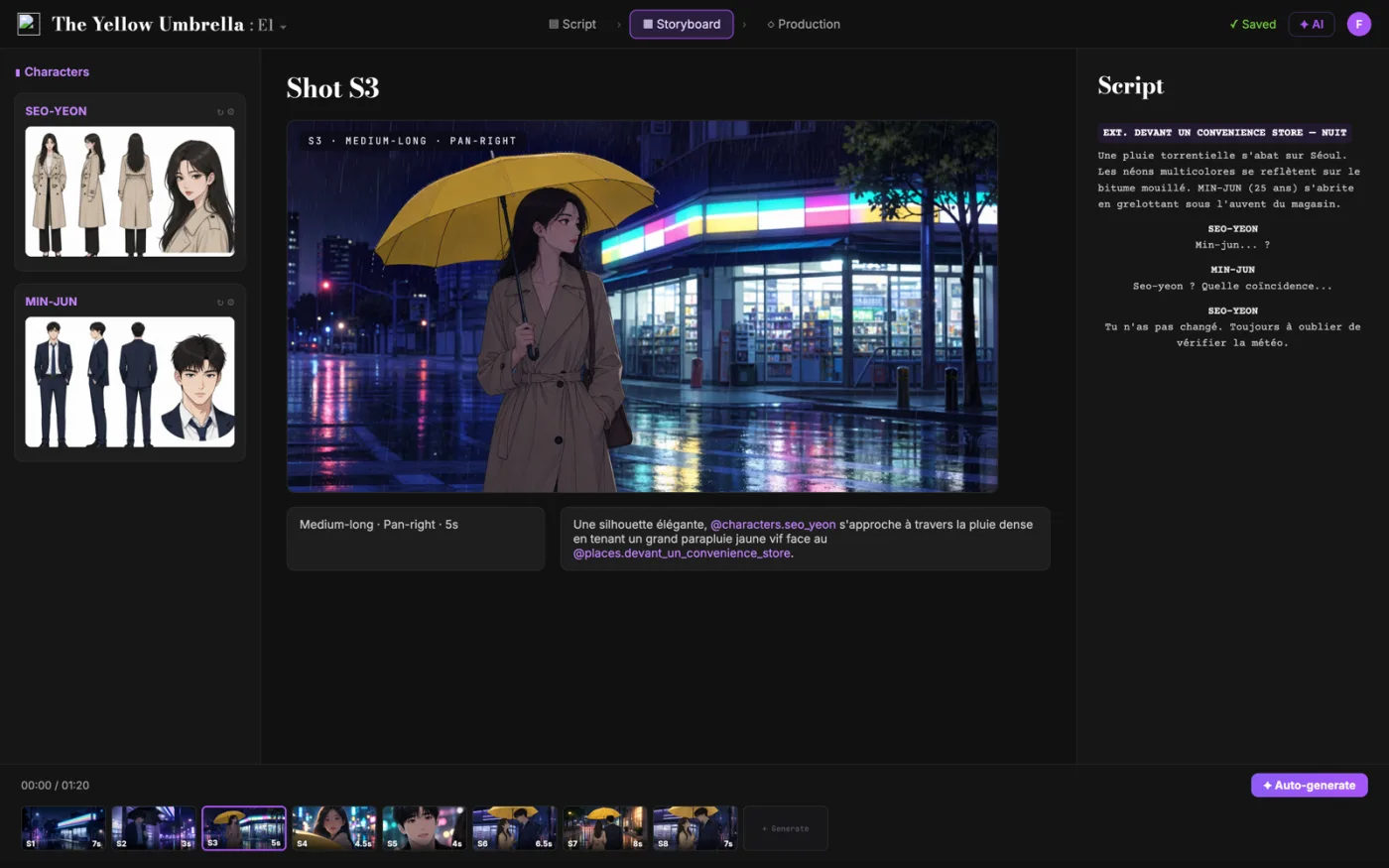
Preview of ScreenWeaver visual timeline and script rhythm

จัดเฟรมช็อต แล้วสร้างหนังรอบมัน

ScreenWeaver เชื่อมบทของคุณกับสตอรีบอร์ดและรายการช็อตที่ทุกช่องรู้ขนาดภาพของตัวเอง การตัดสินใจเรื่องขนาดภาพจึงกลายเป็นแผนที่ทั้งกองอ่านได้ เริ่มใช้ฟรี

วางแผนการถ่ายคลุมของคุณฟรี