AI वीडियो मॉडल चयनकर्ता
AI वीडियो मॉडलों की एक संवादमूलक तुलना, आपके शॉट की ज़रूरत के हिसाब से छाँटी हुई
यह तुलना टूल फ़िल्मकारों को बताता है कि किसी ख़ास शॉट के लिए कौन-सा AI वीडियो मॉडल इस्तेमाल करना चाहिए, उसी आधार पर जो सचमुच मायने रखता है: क्लिप की लंबाई, रिज़ॉल्यूशन, अपना ऑडियो, इमेज से वीडियो का समर्थन, और बजट। अपने प्रोजेक्ट की शर्तें चालू कीजिए और जो मॉडल टिकते हैं वे ऊपर आ जाते हैं, जबकि जो नहीं टिकते वे नीचे रहते हैं और उनकी वजह लिखी होती है।
कोई सबसे अच्छा AI वीडियो जनरेटर नहीं होता, सिर्फ़ किसी शॉट के लिए सही मॉडल होता है। संवाद वाले सीन को अपना ऑडियो चाहिए, जिससे आधा बाज़ार बाहर हो जाता है। 9:16 का सोशल कट 4K के मुख्य शॉट से अलग माँगें रखता है। सूची वाले लेख किसी एक को विजेता बना देते हैं और एक महीने में पुराने पड़ जाते हैं; एक छाँटने लायक स्पेक तालिका वही सवाल हल करती है जो आपके सामने है, शॉट दर शॉट।
सब कुछ आपके ब्राउज़र में चलता है। कोई डेटा किसी सर्वर पर नहीं भेजा जाता। स्पेक और क़ीमतें सितंबर 2026 में कंपनियों के दस्तावेज़ों और सार्वजनिक API पन्नों से जाँची गईं; यह बाज़ार हर महीने बदलता है, इसलिए बड़ा बजट लगाने से पहले रिलीज़ नोट देख लीजिए।
हर स्विच एक ज़रूरी शर्त है। जो मॉडल कोई शर्त पूरी नहीं करता, वह वजह के साथ नीचे चला जाता है।
बजट स्तर12 मॉडल शर्तों पर खरे
क़ीमतें सितंबर 2026 में जाँची गईं (डेटा 2026-09)।
The open-source escape hatch: unlimited retries for the price of a GPU.
Free to self-host under an open license; the real cost is GPU time (roughly $0.50 to $1.00/hour for a rented 24GB+ card). Hosted API versions exist at budget rates.
Best price-to-quality ratio for character motion, with optional native audio.
fal.ai rate of $0.07/sec with audio off; enabling native audio doubles it to $0.14/sec ($0.70 per 5s clip).
Best prompt adherence and physics at the top of the market, with 4K output.
Gemini API standard tier, $0.40/sec at 1080p with audio. 4K and multi-reference inputs lock the clip to 8 seconds.
Longest coherent single takes of any closed model, up to 25 seconds.
API rate of $0.30/sec at 720p up to $0.50/sec at 1024p+. 25-second clips require the Pro app plan's storyboard mode.
Multi-shot generation inside one clip, unusual at this price point.
Volcano Engine / BytePlus API, about $0.07/sec at 1080p ($0.03/sec at 720p). Newer Seedance versions price higher.
Standout stylized and anime motion; strong value on dynamic action.
MiniMax API bills per clip: $0.49 for a 6s 1080p clip (normalized here to 5s). 10-second clips are 768p only.
Strong scene logic and dialogue audio; the app ecosystem is where it shines.
API rate of $0.10/sec at 720p. 15-second clips are an in-app limit; the API caps single generations at 12 seconds. OpenAI has announced an API sunset for late September 2026, so treat API access as transitional.
Veo quality with audio at a price you can afford to iterate on.
Gemini API fast tier, $0.12/sec at 1080p with audio. Same model family, lower fidelity, roughly a third of the standard price.
Only model shipping true HDR output, with a reasoning pass on the prompt.
Luma API, about $0.24/sec for 1080p SDR. HDR output roughly doubles the price; draft mode is far cheaper for look development.
Fast, playful iteration and effects templates aimed at social formats.
Credit-based estimate: 40 credits per 5s 1080p clip on the $28/mo, 700-credit Standard plan ($0.04/credit). 480p drafts cost about a third of that.
Cheapest way into the Runway ecosystem for previz and animatics.
Runway developer API, $0.05/sec (5 credits/sec in-app). The workhorse tier for previz volume.
Precise motion control and the most mature editing toolchain around the model.
Runway developer API, $0.12/sec (12 credits/sec in-app). Output is 720p native; upscaling is a separate pass.
पूरी स्पेक तालिका
| मॉडल | अधिकतम क्लिप | अधिकतम रिज़ॉल्यूशन | FPS | ऑडियो | इमेज से वीडियो | प्रति 5 सेकंड क्लिप |
|---|---|---|---|---|---|---|
| Veo 3.1 | 8s | 4K | 24 | हाँ | हाँ | $2.00 |
| Veo 3.1 Fast | 8s | 1080p | 24 | हाँ | हाँ | $0.60 |
| Sora 2 | 15s | 720p | 30 | हाँ | हाँ | $0.50 |
| Sora 2 Pro | 25s | 1080p | 30 | हाँ | हाँ | $2.50 |
| Kling 2.6 Pro | 10s | 1080p | 30 | हाँ | हाँ | $0.35 |
| Runway Gen-4.5 | 10s | 720p | 24 | नहीं | हाँ | $0.60 |
| Runway Gen-4 Turbo | 10s | 720p | 24 | नहीं | हाँ | $0.25 |
| Seedance 1.0 Pro | 10s | 1080p | 24 | नहीं | हाँ | $0.35 |
| Luma Ray 3 | 10s | 1080p | 24 | नहीं | हाँ | $1.20 |
| Pika 2.2 | 10s | 1080p | 24 | नहीं | हाँ | $1.60* |
| Hailuo 2.3 | 10s | 1080p | 24 | नहीं | हाँ | $0.41 |
| Wan 2.5 | 10s | 1080p | 24 | हाँ | हाँ | मुफ़्त (ख़ुद चलाइए) |
क़ीमतें 5 सेकंड की क्लिप के हिसाब से डॉलर में, सार्वजनिक API दरों से। तारांकित आँकड़ा बीच वाले सब्सक्रिप्शन प्लान से निकाला गया क्रेडिट आधारित अनुमान है।
यह कैसे काम करता है
हर स्विच बड़े मॉडलों के हाथ से जाँचे गए डेटा पर एक ज़रूरी छँटनी है: Veo 3.1, Sora 2, Kling 2.6, Runway Gen-4.5, Seedance, Luma Ray 3, Pika, Hailuo और ओपन सोर्स Wan। शर्तों पर खरे मॉडल क्षमता के अंक (रिज़ॉल्यूशन, अपना ऑडियो, इमेज से वीडियो, क्लिप लंबाई) से क्रम में लगते हैं, और बराबरी पर सस्ता मॉडल पहले आता है। जो मॉडल छँटनी में गिर जाते हैं वे छिपाए नहीं जाते: वे नीचे चले जाते हैं और उनकी न पूरी हुई शर्त साफ़ लिखी होती है, क्योंकि यह जानना कि कोई मॉडल इस शॉट के लिए क्यों ठीक नहीं है, आधा फ़ैसला ख़ुद ही कर देता है।
कौन-सा AI वीडियो मॉडल इस्तेमाल करना चाहिए?
शुरुआत शॉट से कीजिए, किसी सूची से नहीं। संवाद वाले सीन के लिए सिर्फ़ ऑडियो वाले मॉडल मायने रखते हैं: Veo 3.1, Sora 2, Kling 2.6 और ओपन सोर्स Wan एक ही बार में मिलती हुई आवाज़ बनाते हैं, जबकि Runway, Luma, Pika, Seedance और Hailuo बिना आवाज़ का वीडियो देते हैं जिसमें ध्वनि बाद में जोड़नी होती है। बोलते सीन पर Kling, Veo और Sora के बीच चुनाव आम तौर पर क़ीमत और टेक की लंबाई तय करती है: Kling किफ़ायती चुनाव है, Veo गुणवत्ता का, और Sora 2 Pro लंबे टेक का।
लंबाई और रिज़ॉल्यूशन मैदान को उतनी ही साफ़ तरह बाँटते हैं। किसी बंद मॉडल की एक जनरेशन से मिलने वाली सबसे लंबी क्लिप Sora 2 Pro के 25 सेकंड हैं; बाज़ार का ज़्यादातर हिस्सा 10 पर रुकता है, और Veo 3.1 आठ पर, जिसके आगे बढ़ाने की सुविधा है। अगर आपको नेटिव 4K चाहिए, तो सितंबर 2026 में Veo 3.1 अकेला है। Veo 3 बनाम Sora 2 या Runway बनाम Kling की कोई भी तुलना जो इन सीमाओं को अनदेखा करे, वह विज्ञापन पन्नों की तुलना है, औज़ारों की नहीं।
यही वजह है कि एक संवादमूलक चयनकर्ता «2026 का सबसे अच्छा AI वीडियो जनरेटर» जैसी सूची से बेहतर है: स्पेक हर महीने बदलते हैं। Kling ने 2.6 में अपना ऑडियो जोड़ा, Veo ने 3.1 में 4K, और दोनों की क़ीमतें एक तिमाही में बदलीं। इस पन्ने के पीछे का डेटा दिखने वाली तारीख़ के साथ आता है और क़ीमतें 5 सेकंड की क्लिप पर एक समान की गई हैं, ताकि जब बाज़ार फिर हिले तो आप देख सकें कि यह तुलना कितनी ताज़ा है, बजाय बिना तारीख़ वाले किसी लेख पर भरोसा करने के।
यह किसके लिए है
- AI से फ़िल्म बनाने वाले सूची के हर शॉट को उसी मॉडल से मिलाइए जो उस पर फ़िट बैठता है, बजाय एक ही मॉडल से सब करवाने के।
- एजेंसियाँ और कंटेंट टीमें मॉडल का चुनाव क्लाइंट को नाम लेकर बताए स्पेक और तारीख़ वाली क़ीमत से समझाइए, किसी सूची की रैंकिंग से नहीं।
- सीमित बजट वाले रचनाकार वह सबसे सस्ता मॉडल ढूँढ़िए जो फिर भी आपकी असली शर्तें पूरी करता हो, ख़ुद चलाए जाने वाले मुफ़्त रास्ते समेत।
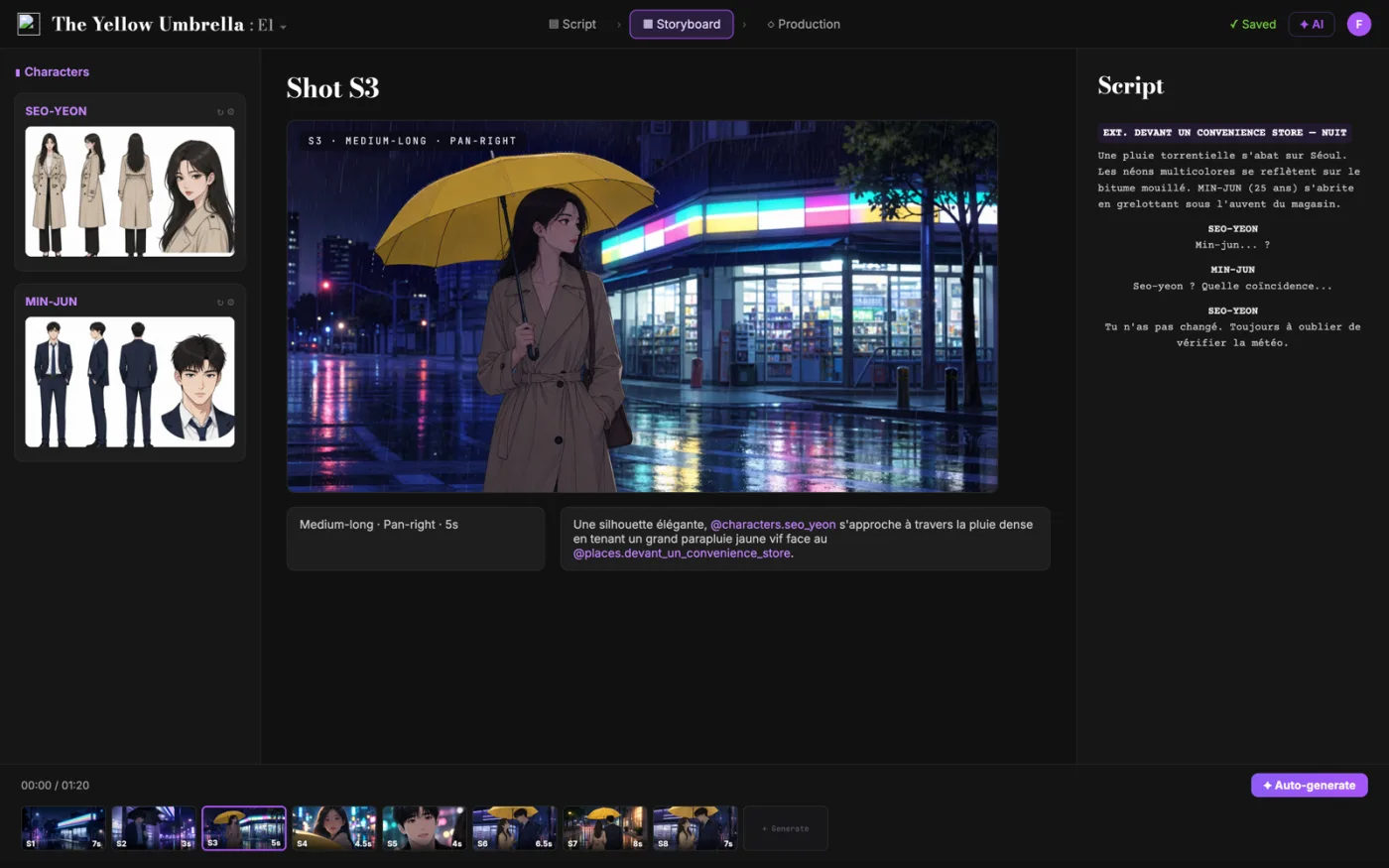
स्क्रीनप्ले से शुरू करें,स्टोरीबोर्ड पाएँ।
ScreenWeaver आपकी स्क्रिप्ट को शॉट्स में बाँटता है और उससे स्टोरीबोर्ड बनाता है। फ़्रेमिंग, एंगल, मूवमेंट और अवधि आपके हाथ में रहते हैं। किरदार हर शॉट में एक जैसे रहते हैं।
- $0, कभी ख़त्म नहीं होता
- PDF और Final Draft में एक्सपोर्ट
- Mac, Windows, Linux, iPad
AI वीडियो मॉडल चयनकर्ता: पूरी गाइड
यह प्रमुख AI वीडियो मॉडलों (Veo, Sora, Kling, Runway, Seedance, Luma, Pika, Hailuo, Wan) के तारीख़ वाले, हाथ से जाँचे डेटा को ध्वनि, क्लिप लंबाई, रेज़ोल्यूशन, तस्वीर से वीडियो, खड़े नतीजे और दाम स्तर के हिसाब से छानता है।
इस काम में असली दिक़्क़त साफ़ है: तुलना वाले लेख हफ़्तों में पुराने पड़ जाते हैं और एक ही विजेता घोषित करते हैं, जबकि सही मॉडल असल में शॉट दर शॉट बदलता है। इसे यूँ ही छोड़ दिया जाए तो आगे के चरणों में रगड़ पैदा होती है और फ़ैसले धीमे पड़ जाते हैं। असल लक्ष्य है उन मॉडलों की छोटी सूची जो इस शॉट की पक्की शर्तें पूरी करते हैं, और साथ में बाहर हुए मॉडलों के नाम तथा वजह।
यह सीमा याद रखिए: यह छपी हुई ख़ूबियाँ और दाम मिलाता है, आपके ख़ास प्रॉम्प्ट पर नतीजे की गुणवत्ता नहीं; बड़ी रक़म ख़र्च करने से पहले छोटी सूची पर भी हर मॉडल की एक जाँच जनरेशन बनती है।
आगे का इस्तेमाल: मँजी टीमें शॉट लिस्ट की हर श्रेणी के लिए एक बार चयनकर्ता चलाती हैं (संवाद, ऐक्शन, इंसर्ट, सोशल कट) और एक ही घरेलू मॉडल के बजाय हर श्रेणी का मॉडल नक़्शा तय कर लेती हैं।
क़दम दर क़दम तरीक़ा
- सिर्फ़ वे शर्तें चालू कीजिए जो शॉट को सचमुच चाहिए; हर छन्नी पक्की शर्त है, पसंद नहीं।
- ऊपर आए मॉडलों की ताक़त वाली पंक्ति और दाम की टिप्पणी पढ़िए, सिर्फ़ दाम का कॉलम नहीं।
- बाहर हुए मॉडलों की सूची भी देखिए: जो मॉडल सिर्फ़ ध्वनि पर फेल हुआ, अगर आप आवाज़ बाद में करेंगे तो वही जीत सकता है।
- तुलना का टेक्स्ट अपने प्रोडक्शन नोट्स में कॉपी कीजिए, सितंबर 2026 की तारीख़ के साथ।
किसके लिए, किस काम में
- AI फ़िल्मकार: उसके इर्द-गिर्द स्टोरीबोर्ड बनाने से पहले वे गिनती के मॉडल ढूँढिए जो 10 सेकंड का संवाद टेक सँभाल सकें।
- कंटेंट टीम: सोशल कैंपेन के लिए वह सबसे सस्ता मॉडल चुनिए जो 9:16 खड़ा और 1080p पार कर ले।
- निर्माता: तारीख़ वाली ख़ूबियों के साथ लिखिए कि मॉडल क्यों चुना, ताकि फ़ैसला क्लाइंट की समीक्षा में टिके।
आम ग़लतियाँ जिनसे बचिए
- पूरी फ़िल्म के लिए एक मॉडल चुनना, शॉट के प्रकार से मॉडल जोड़ने के बजाय।
- बिना तारीख़ वाली सूची को आज का सच मान लेना, जबकि ख़ूबियाँ हर महीने बदलती हैं।
- उन शॉट के लिए असली ध्वनि पर छन्नी लगाना जिनकी आवाज़ वैसे भी बाद में बनेगी।
पेशे के आज़माए तरीक़े
- दो मॉडल वाली पाइपलाइन रखिए: कवरेज और दोहराव के लिए सस्ता, अहम शॉट के लिए ऊँचा।
- संवाद के लिए पहले असली ध्वनि वाले मॉडल छाँटिए; बाद में होंठ मिलाना शायद ही टिकता है।
- मुफ़्त ख़ुद-होस्ट वाले स्तर को मोलभाव की ताक़त बनाइए: Wan की न्यूनतम लागत पता होने से हर पेड मॉडल का फ़ैसला तेज़ हो जाता है।
इस टूल के नतीजे को फ़ैसले में मदद मानिए, लिखाई की जगह नहीं। अच्छी पटकथा अपने ठोस चुनावों, भावनात्मक सटीकता और नाटकीय गति की साफ़गोई से याद रह जाती है। टूल का काम शोर हटाना है, ताकि आपकी ऊर्जा वहाँ लगे जहाँ मायने रखता है: किरदार, टकराव, चढ़ाव और भुगतान। हर दौर के बाद नतीजे दोबारा देखिए और जो बदलाव आपने माने उनका हिसाब रखिए, तो आपका तरीक़ा हर ड्राफ़्ट के साथ तेज़ और ज़्यादा भरोसेमंद होता जाता है। पेशेवर साथी इसी टिकाऊपन को क़ीमत देते हैं: कम चौंकाने वाली बातें, ज़्यादा साफ़ वजहें, और एक पटकथा जो सोच-समझकर आगे बढ़ती है।
विस्तार से सवाल
संवाद के सीन के लिए कौन सा AI वीडियो मॉडल सबसे अच्छा है?
पहले असली ध्वनि वाले मॉडल छाँटिए: गुणवत्ता के लिए Veo 3.1, 25 सेकंड तक के टेक के लिए Sora 2 Pro, बजट में ध्वनि विकल्प के साथ Kling 2.6 Pro, और अगर आप ख़ुद होस्ट करते हैं तो Wan 2.5। बिना आवाज़ वाले मॉडल बाद में होंठ मिलाने का काम थोप देते हैं, जो क्लोज़-अप में शायद ही टिकता है।
2026 में Runway और Kling की तुलना कैसी है?
Runway Gen-4.5 सटीक गति नियंत्रण और परिपक्व संपादन औज़ार देता है, असली 720p पर बिना ध्वनि के, लगभग 0.60 डॉलर प्रति 5 सेकंड क्लिप। Kling 2.6 Pro 1080p, मज़बूत किरदार गति और विकल्प के तौर पर असली ध्वनि 0.35 डॉलर से देता है। काग़ज़ पर आम तौर पर Kling जीतता है, काम के ढंग पर Runway।
क्या फ़िल्म बनाने लायक़ कोई मुफ़्त AI वीडियो जनरेटर है?
Wan 2.5 गंभीर मुफ़्त विकल्प है: ओपन सोर्स, 1080p, 10 सेकंड की क्लिप, असली ध्वनि, और तस्वीर से वीडियो। इसकी क़ीमत प्रति क्लिप शुल्क के बजाय GPU का समय है, इसलिए यह दोबारा कोशिशों से भरे काम और अपनी इन्फ़रेंस चलाने में सहज टीमों के लिए ठीक बैठता है।
मॉडलों के बीच कौन सी ख़ूबियाँ मिलानी चाहिए?
छह पक्की ख़ूबियाँ ज़्यादातर शॉट तय करती हैं: एक जनरेशन की अधिकतम लंबाई, अधिकतम रेज़ोल्यूशन, फ़्रेम दर, असली ध्वनि, तस्वीर से वीडियो का साथ, और प्रति क्लिप दाम। बाक़ी सब (शैली, प्रॉम्प्ट से मेल, गति की गुणवत्ता) जाँच जनरेशन पर परखिए, सूची पर नहीं।
कौन से मॉडल 9:16 खड़ा नतीजा देते हैं?
सितंबर 2026 तक इस डेटा के सभी बड़े मॉडल 9:16 सीधे बनाते हैं, जिनमें Veo 3.1, Sora 2, Kling 2.6 और Runway Gen-4.5 शामिल हैं। खड़े सोशल काम में असली फ़र्क़ प्रति क्लिप दाम और रेज़ोल्यूशन डालते हैं, अनुपात का साथ नहीं।
व्यवहार में Veo 3.1 और Sora 2 में क्या फ़र्क़ है?
Veo 3.1 तस्वीर की गुणवत्ता, भौतिकी और असली 4K में आगे है, 8 सेकंड की जनरेशन के साथ। Sora 2 लंबे जुड़े हुए टेक (15 सेकंड, Pro पर 25) और अपने ऐप तंत्र पर टिकता है। किसी एक अहम शॉट के लिए आम तौर पर Veo जीतता है; लंबी लगातार ऐक्शन के लिए Sora 2 Pro।
आम सवाल
सितंबर 2026 तक: Google Veo 3.1 (दोनों स्तर), OpenAI Sora 2 और Sora 2 Pro, Kling 2.6 Pro (एक विकल्प के रूप में जो क़ीमत लगभग दोगुनी कर देता है), और ओपन सोर्स Wan 2.5। Runway Gen-4.5, Luma Ray 3, Pika, Seedance और Hailuo बिना आवाज़ का वीडियो बनाते हैं।
Sora 2 Pro सबसे आगे है, अपने स्टोरीबोर्ड मोड से 25 सेकंड की एकल टेक तक। Sora 2 ऐप में 15 सेकंड तक जाता है, बाक़ी ज़्यादातर मॉडल (Kling, Runway, Seedance, Luma, Pika, Hailuo, Wan) 10 सेकंड पर रुकते हैं, और Veo 3.1 आठ पर, हालाँकि उसकी बढ़ाने वाली सुविधा एक शॉट को दो मिनट से आगे भी ले जा सकती है।
दोनों अलग-अलग समस्याएँ हल करते हैं। Kling 2.6 Pro लगभग 0.35 से 0.70 डॉलर प्रति 5 सेकंड क्लिप पर किरदारों की अच्छी चाल देता है, जो ज़्यादा दोबारा जनरेशन वाले काम के लिए ठीक है। Veo 3.1 मानक स्तर पर लगभग 2.00 डॉलर प्रति 5 सेकंड क्लिप है, पर प्रॉम्प्ट मानने, भौतिकी और 4K में आगे है। कई फ़िल्मकार ड्राफ़्ट Kling पर बनाते हैं और मुख्य शॉट Veo पर दोबारा।
क्योंकि छँटने की वजह ख़ुद एक जानकारी है। यह देखना कि Runway Gen-4.5 अपने ऑडियो की वजह से बाहर हुआ, गुणवत्ता की वजह से नहीं, आपको बता देता है कि ध्वनि बाद में जोड़ने पर वह अब भी विकल्प है। छँटे हुए मॉडल छिपाना एक स्पेक के फ़ैसले को काले डिब्बे में बदल देता है।
हर स्पेक और हर क़ीमत सितंबर 2026 में कंपनियों के दस्तावेज़ों और सार्वजनिक API दरों से जाँची गई, और डेटा पर वह तारीख़ साफ़ दिखती है। AI वीडियो के स्पेक हर महीने बदलते हैं, यही वजह है कि यहाँ तारीख़ वाला, छाँटने लायक डेटा है, कोई ठहरा हुआ रैंकिंग लेख नहीं।
Related tools
AI वीडियो लागत कैलकुलेटर
AI फ़िल्म का बजट प्रति तैयार मिनट के हिसाब से बनाइए, दोबारा जनरेशन समेत।
सीन से क्लिप विभाजक
एक सीन को ऐसे AI वीडियो क्लिप में बाँटिए जो आपके मॉडल की समय सीमा में आ जाएँ।
AI वीडियो प्रॉम्प्ट जनरेटर
Veo, Sora, Runway और Kling के लिए सिनेमाई प्रॉम्प्ट बनाइए।
कैमरा मूवमेंट प्रॉम्प्ट
कैमरा मूवमेंट की एनिमेटेड लाइब्रेरी, कॉपी करने लायक AI वीडियो प्रॉम्प्ट के साथ।
You can also browse the full library on /tools.
Core blog guides
- Idea → first draft (process hub)
- Screenplay format guide 2026
- Hidden costs of “free” software
- Affordable software & TCO
- Revision passes (structure → dialogue)
फिल्म तकनीकें
जानने लायक फ़िल्म तकनीकें
हर तकनीक के साथ एक छोटा क्लिप, पटकथा का अंश और शॉट लिस्ट की पंक्ति।