स्क्रिप्ट अवधि कैलकुलेटर
मुफ़्त स्क्रिप्ट टाइमर · शब्दों से परदे के समय तक · लंबाई से अवधि तक
«एक पन्ना यानी एक मिनट» का नियम हर जगह चलता है, पर लेखकों को अक्सर संवाद के घनत्व या एक्शन के बोझ के हिसाब से बारीक अंदाज़ा चाहिए होता है। इस पन्ने को मुफ़्त स्क्रिप्ट टाइमर की तरह इस्तेमाल कीजिए: यह आपके शब्दों को परदे के मिनट और सेकंड में बदल देता है।
पटकथा का कोई हिस्सा चिपकाइए, या शब्दों की संख्या डालिए। टूल परदे का समय मिनट और सेकंड में बताता है। रफ़्तार का स्लाइडर (धीमा ड्रामा या तेज़ एक्शन) इस्तेमाल करके अंदाज़ा और सटीक कीजिए।
पूरी तरह आपके ब्राउज़र में चलता है, कोई डेटा किसी सर्वर पर नहीं भेजा जाता। एल्गोरिदम शब्दों की गिनती पर टिका है (परदे के हर मिनट के लिए लगभग 130 से 150 शब्द)।
धीमा ड्रामा: परदे पर हर मिनट कम शब्द। तेज़ एक्शन: हर मिनट ज़्यादा शब्द।
इस रफ़्तार के लिए 140 शब्द प्रति मिनट इस्तेमाल हो रहे हैं।
यह कैसे काम करता है
परदे का समय शब्दों की गिनती से आँका जाता है। इंडस्ट्री के मानक लगभग 130 से 150 शब्द प्रति मिनट मानते हैं: संवाद प्रधान या धीमी सामग्री 130 की ओर झुकती है, एक्शन प्रधान या चुस्त संवाद 150 की ओर। स्लाइडर से आप बीच की रफ़्तार चुन सकते हैं। मानक फ़ॉर्मैट में एक पन्ने पर आमतौर पर 200 से 250 शब्द होते हैं, इसलिए «एक पन्ना यानी एक मिनट» इसी दायरे के बीच में बैठता है।
स्क्रिप्ट की लंबाई को परदे के समय में कैसे बदलें
ज़्यादातर लेखक सुनते हैं कि «एक पन्ना यानी एक मिनट», और फिर पाते हैं कि हर पन्ना एक जैसा नहीं होता। बहुत सारी खाली जगह वाला तीन पन्ने का संवाद सीन, तीन पन्ने के उस एक्शन सीक्वेंस जैसा नहीं चलता जो घने वर्णन और स्टंट से भरा है। लंबाई से अवधि निकालने वाला कैलकुलेटर, सिर्फ़ पन्ने गिनने से ज़्यादा असली अंदाज़ा देता है।
परदे का समय आँकने का सबसे सरल तरीक़ा है शब्दों की गिनती देखना। एक सामान्य बनी हुई फ़ीचर फ़िल्म लगभग 130 से 150 बोले या वर्णित शब्द प्रति मिनट पर चलती है। संवाद प्रधान ड्रामा या ठहरा हुआ सिनेमा 130 के पास रहता है; कसे हुए, एक्शन प्रधान थ्रिलर 150 के क़रीब जा सकते हैं, ख़ासकर जब लंबे भाषणों की जगह दृश्यों से कहानी कही जाए।
अगर आपको सिर्फ़ पन्नों की संख्या पता है, तब भी अंदाज़ा लग सकता है। मानक फ़ॉर्मैट की कई स्क्रिप्टों में हर पन्ने पर 200 से 250 शब्द होते हैं। 105 पन्नों की स्क्रिप्ट, लगभग 225 शब्द प्रति पन्ने पर, करीब 23,600 शब्द बनती है। 140 शब्द प्रति मिनट पर यह लगभग 168 मिनट के पास बैठती है। रफ़्तार का स्लाइडर ऊपर-नीचे करके आप ज़्यादा धीमी, संवाद प्रधान फ़िल्म या तेज़, कट से भरी फ़िल्म का अंदाज़ा बना सकते हैं।
यह कैलकुलेटर कब काम आता है
- फ़ेस्टिवल की अवधि और स्लॉट की योजना शॉर्ट फ़िल्मों और फ़ेस्टिवल में भेजने पर अक्सर सख़्त समय सीमा होती है। पन्नों से अंदाज़ा लगाने के बजाय आप स्क्रिप्ट चिपकाकर देख सकते हैं कि आप 8 मिनट के पास हैं या 14 के, और उसी हिसाब से काटिए।
- ढाँचे (अंक और बीट) को मिनटों से मिलाना यह जानना कि आपका मध्यबिंदु, तीसरे अंक की शुरुआत या अहम मोड़ किस मिनट के आसपास पड़ते हैं, आपकी रफ़्तार की तुलना आम ढाँचों से करने में मदद करता है। शब्दों से अवधि निकालने के बाद आप बीट को अनुमानित समय पर बैठा सकते हैं।
- निर्माताओं और यूनिट को उम्मीदें बताना निर्माता, लाइन प्रोड्यूसर और सहायक निर्देशक को बजट और शेड्यूल के लिए कुल अवधि का अंदाज़ा चाहिए होता है। शब्दों से परदे के समय का अनुमान यह जाँचने का तेज़ तरीक़ा है कि ड्राफ़्ट अब भी कसा हुआ 95 मिनट का है या महँगे 130 मिनट की ओर बह रहा है।
लंबाई तय हो गई।अब पूरी स्क्रिप्ट लिखिए।
ScreenWeaver में पूरी स्क्रीनप्ले लिखिए, इंडस्ट्री-स्टैंडर्ड फ़ॉर्मैटिंग और अनलिमिटेड पेजों के साथ। Screenwriter प्लान फ़्री है और कभी ख़त्म नहीं होता।
- $0, कभी ख़त्म नहीं होता
- PDF और Final Draft में एक्सपोर्ट
- Mac, Windows, Linux, iPad
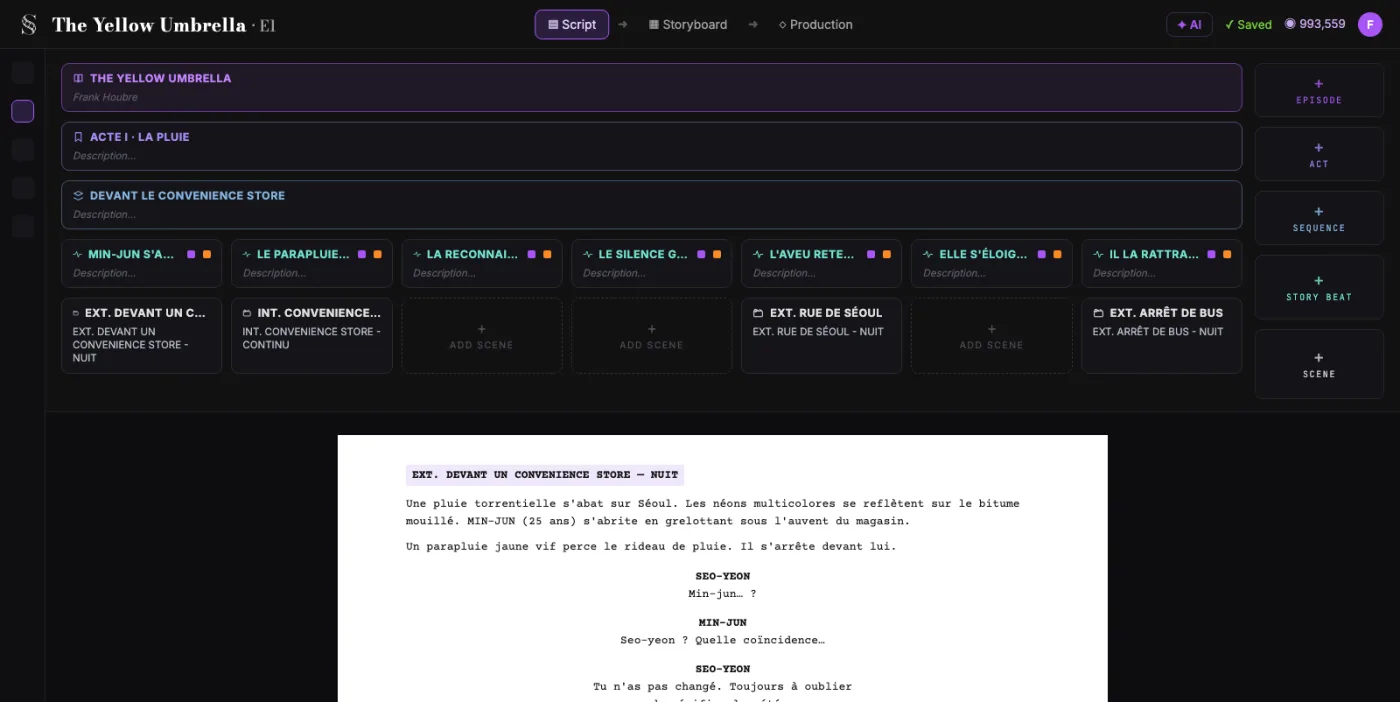
स्क्रिप्ट अवधि कैलकुलेटर: पूरी गाइड
यह स्क्रिप्ट के शब्दों को अनुमानित अवधि की खिड़की में बदल देता है, ताकि टेबल रीड या महँगी तैयारी से पहले आप गति की अपनी धारणा जाँच सकें।
इस काम में असली दिक़्क़त साफ़ है: अवधि अक्सर पन्नों की संख्या से अंदाज़ लगा ली जाती है, बिना संवाद की सघनता, गति या सीन की बनावट देखे। इसे यूँ ही छोड़ दिया जाए तो आगे के चरणों में रगड़ पैदा होती है और फ़ैसले धीमे पड़ जाते हैं। असल लक्ष्य है एक ज़्यादा असल अवधि का दायरा, जो दोबारा लिखने के फ़ैसले, पिच की उम्मीदें और प्रोडक्शन की योजना में काम आता है।
यह सीमा याद रखिए: यह अभिनय की रफ़्तार, संपादन की लय या निर्देशन की शैली ठीक-ठीक नहीं बता सकता, इसलिए इसे तय किया हुआ अनुमान मानिए, कोई पक्की अवधि नहीं।
आगे का इस्तेमाल: मँजी हुई टीमें इसे अंक दर अंक और सीक्वेंस दर सीक्वेंस चलाती हैं, फिर संस्करणों के बीच अवधि का खिसकाव मिलाकर देखती हैं कि दोबारा लिखाई चुपचाप कहाँ लंबाई बढ़ा रही है।
क़दम दर क़दम तरीक़ा
- पूरा ड्राफ़्ट या कोई प्रतिनिधि हिस्सा चिपकाइए, फिर ढाँचे का फ़ैसला करने से पहले शब्दों की गिनती की बुनियाद जाँच लीजिए।
- अपनी विधा और सीन की शैली के हिसाब से गति तय कीजिए, फिर सावधान और तेज़ धारणा के बीच अवधि मिलाइए।
- अनुमानित मिनटों को अपने बड़े मोड़ों पर रखिए (उत्प्रेरक, मध्यबिंदु, सब कुछ हार गया) और देखिए कि नाटकीय लय आपकी मंशा से मेल खाती है या नहीं।
- हर बड़ी दोबारा लिखाई के बाद फिर चलाइए और अंतर एक लॉग में दर्ज कीजिए, ताकि अवधि का खिसकाव दिखे, अनजाने में न हो।
किसके लिए, किस काम में
- लेखक: देखिए कि दूसरे अंक का फैलाव कहानी को बेहतर कर रहा है या सिर्फ़ अवधि का बोझ बढ़ा रहा है।
- स्क्रिप्ट संपादक: सिर्फ़ पन्नों से अंदाज़ा लगाए बिना वे सीन पहचानिए जिन्हें छोटा किया जा सकता है।
- निर्माता: अवधि की उम्मीदों को बजट और शेड्यूल की बातचीत के साथ जल्दी मिला लीजिए।
आम ग़लतियाँ जिनसे बचिए
- हर विधा और हर सीक्वेंस के लिए एक ही तय गति का मान रखना।
- अनुमान को योजना का संकेत मानने के बजाय आख़िरी सच मान लेना।
- यह भूल जाना कि संवाद भरे सीन और दृश्य सीक्वेंस परदे पर एक जैसा वक़्त नहीं लेते।
पेशे के आज़माए तरीक़े
- पन्ने किसी को देने से पहले कम, अपेक्षित और ज़्यादा, तीनों अवधियाँ निकाल लीजिए।
- गति की जाँच करते वक़्त सिर्फ़ पूरे ड्राफ़्ट का नहीं, हर अंक का अनुमान इस्तेमाल कीजिए।
- अवधि की जाँच को बीट की जगह के साथ जोड़िए, तो ढाँचे की देर से आने वाली चौंक नहीं होगी।
इस टूल के नतीजे को फ़ैसले में मदद मानिए, लिखाई की जगह नहीं। अच्छी पटकथा अपने ठोस चुनावों, भावनात्मक सटीकता और नाटकीय गति की साफ़गोई से याद रह जाती है। टूल का काम शोर हटाना है, ताकि आपकी ऊर्जा वहाँ लगे जहाँ मायने रखता है: किरदार, टकराव, चढ़ाव और भुगतान। हर दौर के बाद नतीजे दोबारा देखिए और जो बदलाव आपने माने उनका हिसाब रखिए, तो आपका तरीक़ा हर ड्राफ़्ट के साथ तेज़ और ज़्यादा भरोसेमंद होता जाता है। पेशेवर साथी इसी टिकाऊपन को क़ीमत देते हैं: कम चौंकाने वाली बातें, ज़्यादा साफ़ वजहें, और एक पटकथा जो सोच-समझकर आगे बढ़ती है।
विस्तार से सवाल
शब्दों से निकाला अवधि का अनुमान कितना भरोसेमंद है?
दोबारा लिखने और योजना बनाने के फ़ैसलों के लिए यह मज़बूत है, ख़ासकर जब आप विधा के हिसाब से गति तय कर लें। इसे फ़ैसले का दायरा मानिए, फिर टेबल रीड या कच्चे कट से पक्का कीजिए।
अनुमान पूरे ड्राफ़्ट से लगाऊँ या नमूना सीनों से?
पूरा ड्राफ़्ट कुल योजना के लिए और नमूना सीन किसी ख़ास गति की दिक़्क़त पकड़ने के लिए। दोनों नज़रिए एक-दूसरे के पूरक हैं।
क्या इससे फूला हुआ दूसरा अंक बचाया जा सकता है?
हाँ। हर अंक के अनुमानित मिनट देखिए और सोची हुई लय से मिलाइए। अगर अंक दो बार-बार फूलता है, तो संवाद चमकाने से पहले काटिए।
अगर मैं शब्दों से काम करूँ तो क्या पन्ने अब भी मायने रखते हैं?
हाँ। पन्ना अब भी प्रोडक्शन की साझा भाषा है। शब्दों वाला अनुमान तब बारीकी जोड़ता है जब सघनता बदलती रहती है।
निर्माता को अवधि की जाँच कब माँगनी चाहिए?
आउटलाइन लॉक होने पर, पहले पूरे ड्राफ़्ट पर, और हर बड़े ढाँचागत बदलाव के बाद। जल्दी जाँच लेने से देर की महँगी मरम्मत बचती है।
बीट वाले टूल के साथ इसे कैसे जोड़ूँ?
पहले अवधि का अनुमान लगाइए, फिर बीट की जगह जाँचिए। अवधि और ढाँचे को एक-दूसरे को सहारा देना चाहिए, टकराना नहीं।
लंबाई, पन्नों, शब्दों और परदे के समय पर आम सवाल
नहीं। «एक पन्ना यानी एक मिनट» मानक फ़ॉर्मैट की उन स्क्रिप्टों के लिए काम का नियम है जो 12 पॉइंट Courier में हों और जिनमें एक्शन तथा संवाद संतुलित हों। असल में कुछ ही पंक्तियों में लिखा पीछा परदे पर कई मिनट चल सकता है, जबकि तेज़ संवाद वाला पन्ना अक्सर एक मिनट से काफ़ी कम में निकल जाता है, इसलिए एक्शन वाले दृश्यों के लिए समय बढ़ाकर रखें। शब्दों की गिनती और रफ़्तार मिलकर ज़्यादा ईमानदार संकेत देते हैं।
अपने कुल पन्ने लीजिए, हर पन्ने पर लगभग 200 से 250 शब्द मानिए और गुणा कीजिए। फिर एक वास्तविक रफ़्तार से भाग दीजिए: धीमे, संवाद प्रधान काम के लिए 130, बहुत कसे हुए दृश्य प्रधान काम के लिए 150। यह कैलकुलेटर आपको पाठ चिपकाने या शब्द गिनती डालने देता है, और फिर धीमे ड्रामा तथा तेज़ एक्शन के बीच स्लाइडर घुमाकर असर देखने देता है।
कोई एक सही मान नहीं है, पर ज़्यादातर फ़ीचर फ़िल्में संवाद और वर्णन का औसत लेने पर 130 से 150 शब्द प्रति मिनट के बीच रहती हैं। 120 से कम बहुत धीमा और विरल लगेगा; 160 से ऊपर आमतौर पर पन्ने और परदे दोनों पर जल्दबाज़ी जैसा लगता है। लंबे शॉट, अंतर्ध्वनि से भरे संवाद और दृश्यों से कहानी कहना, सब असली रफ़्तार पर असर डालते हैं।
नहीं। लंबाई से अवधि निकालने वाला कैलकुलेटर तेज़ अंदाज़े और ड्राफ़्ट की आपसी तुलना के लिए है। कहानी कितनी देर चलती है यह ठीक-ठीक जानने का एकमात्र तरीक़ा टेबल रीड, चलता हुआ एनिमैटिक या एडिट है। यह टूल आपको हद से बाहर की अवधि जल्दी पकड़ने देता है, ताकि शूटिंग से पहले ही रिवीज़न हो जाए।
हाँ। चाहे आप 90 से 120 पन्नों की फ़ीचर लिख रहे हों, 10 पन्नों की शॉर्ट या 30 पन्नों का पायलट, तर्क वही रहता है। वही पन्ने चिपकाइए जो अंतिम कट में जाएँगे, स्लाइडर पर वास्तविक रफ़्तार चुनिए, और शब्दों से परदे के समय का अनुमान आपको तैयार फ़िल्म की मुनासिब सीमा बता देगा।