सीन हेडिंग एक्सट्रैक्टर
लोकेशन सूची बनाने वाला छोटा टूल
प्रोडक्शन असिस्टेंट और लेखक किसी फ़िल्म की हर लोकेशन गिनाने में घंटों गँवा देते हैं। अपनी पूरी स्क्रिप्ट नीचे चिपकाइए। टूल हर उस पंक्ति को पहचान लेता है जो मानक सीन हेडिंग से शुरू होती है और सारी लोकेशन की एक साफ़, वर्णक्रम में लगी सूची देता है, जिसे सीधे Excel या ब्रेकडाउन शीट में कॉपी किया जा सकता है।
यह मुफ़्त सीन हेडिंग एक्सट्रैक्टर उन लोगों के लिए है जो तैयारी के दौर में हैं और स्क्रिप्ट की हर लोकेशन जल्दी और भरोसे से सूचीबद्ध करना चाहते हैं। PDF में स्क्रॉल करके हाथ से हेडिंग कॉपी करने के बजाय, आप स्क्रिप्ट यहाँ चिपकाइए और कुछ सेकंड में तैयार लोकेशन सूची पाइए।
एक्सट्रैक्टर आपकी पटकथा को पंक्ति दर पंक्ति देखता है, मानक सीन हेडिंग ढूँढ़ता है, और उन्हें एक ही सूची में समेट देता है जिसमें दोहराव नहीं होता। यह ब्रेकडाउन का हल्का सहायक है, जो लोकेशन सूची, शूटिंग शेड्यूल और कॉल शीट की तैयारी में काम आता है।
सब कुछ आपके ब्राउज़र में चलता है। स्क्रिप्ट का कोई पन्ना कहीं अपलोड या सेव नहीं होता। एक छोटा JavaScript लूप हर पंक्ति की शुरुआत में मानक उपसर्ग ढूँढ़ता है, ख़ाली जगह ठीक करता है, दोहराव हटाता है, और नतीजा A से Z में लगाता है।
यह मुफ़्त सीन हेडिंग एक्सट्रैक्टर कैसे काम करता है
- अपनी पूरी पटकथा (या कोई ख़ास अंक या एपिसोड) ऊपर के बॉक्स में चिपकाइए। पाठ में बदले गए PDF और Fountain फ़ाइलें दोनों चलती हैं, बशर्ते सीन हेडिंग मानक उपसर्ग से शुरू हों।
- टूल हर पंक्ति पर जाता है और देखता है कि वह इनमें से किसी उपसर्ग से शुरू होती है या नहीं। मिलती हुई पंक्तियाँ सीन हेडिंग मानी जाती हैं, उनकी ख़ाली जगह ठीक की जाती है, और उन्हें एक सेट में रखा जाता है ताकि दोहराव हट जाए।
- अंतिम सूची वर्णक्रम में लगकर दूसरे बॉक्स में दिखती है, एक पंक्ति में एक हेडिंग, जिसे सीधे Excel, Google Sheets या किसी भी ब्रेकडाउन सॉफ़्टवेयर में कॉपी किया जा सकता है।
यह ब्रेकडाउन सहायक किसके लिए है
- सहायक निर्देशक और प्रोडक्शन असिस्टेंट जो लोकेशन सूची और शुरुआती शूटिंग शेड्यूल बना रहे हैं।
- वे लेखक जो अपनी ही स्क्रिप्ट पर एक तेज़ नज़र डालकर देखना चाहते हैं कि कितनी लोकेशन हैं और कितनी बार दोहराई गई हैं।
- वे स्वतंत्र फ़िल्मकार जिनके पास अभी पूरा ब्रेकडाउन सॉफ़्टवेयर नहीं है, पर जिन्हें हर सीन हेडिंग की साफ़, एक्सपोर्ट लायक सूची चाहिए।
साफ़ लोकेशन सूची पाने के तरीक़े
- मानक सीन हेडिंग फ़ॉर्मैट इस्तेमाल कीजिए, उसके बाद लोकेशन और दिन का समय लिखिए (जैसे «अंदर अपार्टमेंट - रात»)।
- पूरी स्क्रिप्ट में लोकेशन का नाम एक जैसा रखिए (जैसे हमेशा «अपार्टमेंट», कभी-कभी «जूली का अपार्टमेंट» नहीं)। बाद में लोकेशन के हिसाब से सीन जोड़ना बहुत आसान हो जाएगा।
- अगर कोई सीन कई जगहों पर हो सकता है, तो सोचिए कि प्रोडक्शन की स्पष्टता के लिए उसे अलग सीन हेडिंग में लिखा जाए या नहीं।
- सूची Excel में ले जाने के बाद उसमें अंदर या बाहर, दिन या रात, लोकेशन की श्रेणी, और यह कि जगह असली है या बनाई गई, इनके कॉलम जोड़ लीजिए।
स्क्रिप्ट से शॉट्स तक,एक ही जगह।
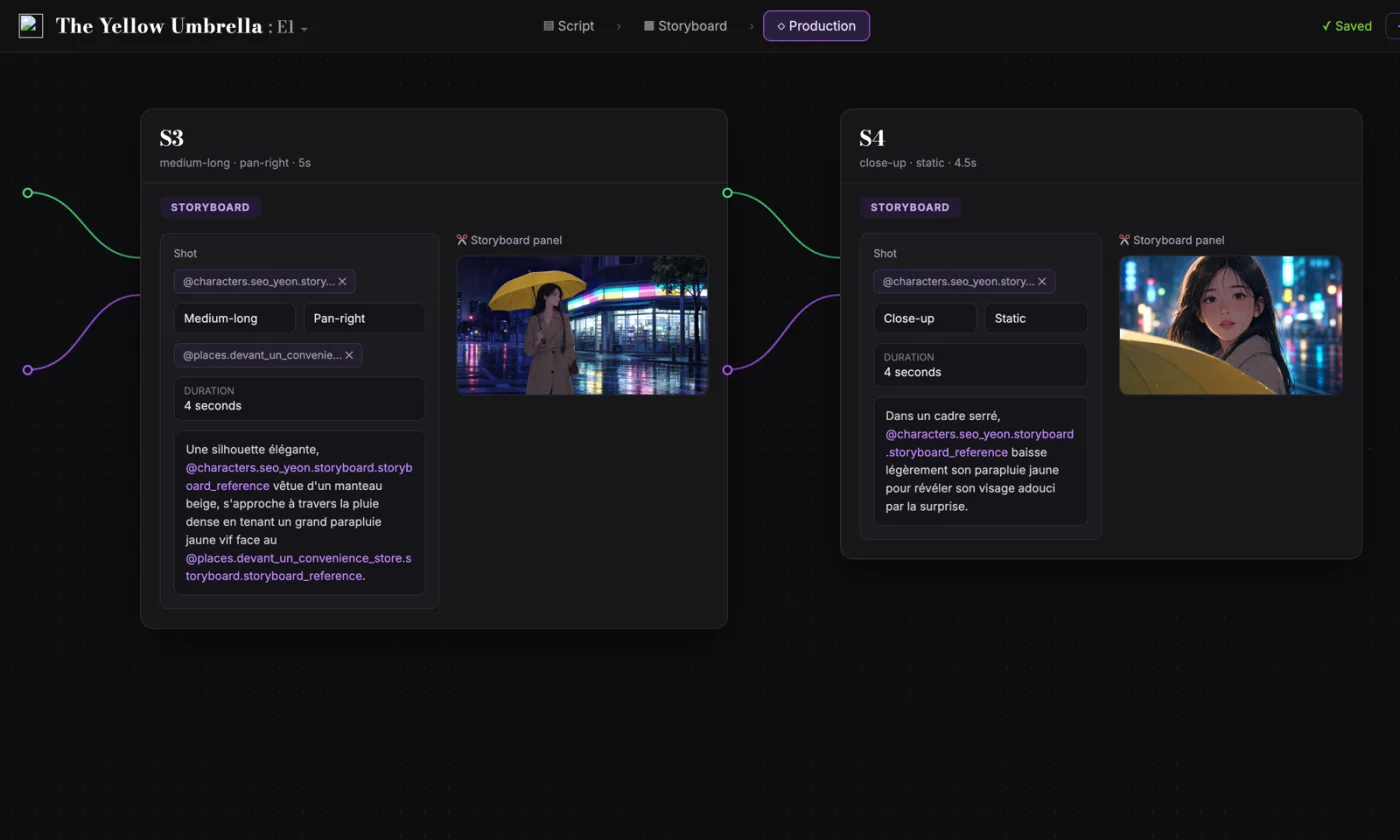
ScreenWeaver आपकी स्क्रीनप्ले का ऑटोमैटिक शॉट ब्रेकडाउन बनाता है, फिर स्टोरीबोर्ड। किरदार, लोकेशन और रेफ़रेंस एक शॉट से दूसरे शॉट तक साथ चलते हैं।
- $0, कभी ख़त्म नहीं होता
- PDF और Final Draft में एक्सपोर्ट
- Mac, Windows, Linux, iPad
सीन एक्सट्रैक्टर: पूरी गाइड
यह स्लगलाइन निकालकर दोहराव हटा देता है, ताकि लोकेशन की योजना साफ़ आँकड़ों से शुरू हो, हाथ से कॉपी-पेस्ट से नहीं।
इस काम में असली दिक़्क़त साफ़ है: स्क्रिप्ट से हाथ से लोकेशन निकालना धीमा है, ग़लतियों से भरा है, और संस्करण बदलने पर सँभालना मुश्किल। इसे यूँ ही छोड़ दिया जाए तो आगे के चरणों में रगड़ पैदा होती है और फ़ैसले धीमे पड़ जाते हैं। असल लक्ष्य है एक साफ़ लोकेशन सूची, जो तैयारी और स्प्रेडशीट पर होने वाले ब्रेकडाउन को तेज़ करती है।
यह सीमा याद रखिए: यह एक जैसे शीर्षक लिखने के तरीक़े पर निर्भर है और ख़राब या ग़ैर-मानक स्लगलाइन को भरोसे से नहीं पढ़ पाएगा।
आगे का इस्तेमाल: निकाली गई लोकेशन सूची को सीनों की संख्या और दिन-रात के निशानों के साथ जोड़िए, ताकि शूटिंग का क्रम पक्का करने से पहले शेड्यूल के शुरुआती गुच्छे बन जाएँ।
क़दम दर क़दम तरीक़ा
- ताज़ा ड्राफ़्ट चिपकाइए और पक्का कीजिए कि स्लगलाइन के उपसर्ग हर सीन में एक जैसे इस्तेमाल हुए हैं।
- सूची बनाइए, फिर नाम के अलग-अलग रूपों को एक कीजिए, ताकि लोकेशन दो बार न गिनी जाए।
- हर लोकेशन पर प्रोडक्शन की जानकारी लगाइए: सेट का प्रकार, दिन-रात का भार, और लॉजिस्टिक की जटिलता।
- ढाँचे में बदलाव के बाद दोबारा चलाइए, ताकि योजना के आँकड़े ताज़ा ड्राफ़्ट के साथ चलते रहें।
किसके लिए, किस काम में
- लेखक: दोबारा लिखाई पक्की करने से पहले नापिए कि लोकेशन कितनी फैली हुई हैं।
- AD टीम: ब्रेकडाउन की स्प्रेडशीट कुछ ही मिनटों में खड़ी कीजिए।
- निर्माता: जटिल लोकेशन का ख़तरा शुरू में ही आँकिए।
आम ग़लतियाँ जिनसे बचिए
- स्लगलाइन के नाम अलग-अलग तरह से लिखना, जिससे दोहराव बढ़ जाता है।
- निकाले हुए आँकड़ों को बिना एक जैसा किए तैयार मान लेना।
- बड़ी दोबारा लिखाई के बाद फिर से निकालना भूल जाना।
पेशे के आज़माए तरीक़े
- प्रोडक्शन को कुछ भी देने से पहले नाम लिखने का तरीक़ा तय कर लीजिए।
- लोकेशन के गुच्छे बनाइए, शेड्यूल की बचत शुरू में ही दिख जाएगी।
- एक मुख्य ब्रेकडाउन शीट रखिए, जो स्क्रिप्ट के संस्करणों से जुड़ी हो।
इस टूल के नतीजे को फ़ैसले में मदद मानिए, लिखाई की जगह नहीं। अच्छी पटकथा अपने ठोस चुनावों, भावनात्मक सटीकता और नाटकीय गति की साफ़गोई से याद रह जाती है। टूल का काम शोर हटाना है, ताकि आपकी ऊर्जा वहाँ लगे जहाँ मायने रखता है: किरदार, टकराव, चढ़ाव और भुगतान। हर दौर के बाद नतीजे दोबारा देखिए और जो बदलाव आपने माने उनका हिसाब रखिए, तो आपका तरीक़ा हर ड्राफ़्ट के साथ तेज़ और ज़्यादा भरोसेमंद होता जाता है। पेशेवर साथी इसी टिकाऊपन को क़ीमत देते हैं: कम चौंकाने वाली बातें, ज़्यादा साफ़ वजहें, और एक पटकथा जो सोच-समझकर आगे बढ़ती है।
विस्तार से सवाल
क्या यह पूरी लोकेशन ब्रेकडाउन की जगह ले लेता है?
नहीं। यह निकालने का काम तेज़ करता है, उसके बाद इंसान नाम एक जैसे करता है और प्रोडक्शन की श्रेणियाँ जोड़ता है।
लोकेशन दो बार सबसे ज़्यादा किस वजह से आती हैं?
संस्करणों के बीच स्लगलाइन के नाम अलग-अलग लिखे जाने से, जैसे एक ही जगह के दो नाम।
दोबारा लिखने से पहले निकालूँ या बाद में?
दोनों। पहले निकालने से दायरा दिखता है, दोबारा लिखने के बाद निकालने से योजना ताज़ा रहती है।
नतीजे को शेड्यूल के लिए कैसे तैयार करूँ?
भीतर या बाहर, दिन या रात, असली जगह या बना हुआ सेट, और लॉजिस्टिक की जटिलता के कॉलम जोड़िए।
क्या यह एपिसोड की स्क्रिप्ट पर चलता है?
हाँ। स्लगलाइन एक जैसी हों तो वही शीर्षक वाला तर्क पायलट और एपिसोड दोनों पर लागू होता है।
निकालने के बाद सबसे अच्छी जाँच क्या है?
सबसे ज़्यादा दोहराई गई लोकेशन हाथ से देखिए और बाँटने से पहले नाम के अलग-अलग रूप जोड़ दीजिए।
सीन निकालने और ब्रेकडाउन पर आम सवाल
यह एक छोटा टूल है जो आपकी पटकथा में सीन हेडिंग ढूँढ़ता है, जैसे «अंदर घर - दिन» या «बाहर सड़क - रात», और फिर उनकी सूची देता है, ताकि आप पूरा दस्तावेज़ पंक्ति दर पंक्ति पढ़े बिना स्क्रिप्ट की हर लोकेशन देख सकें।
सटीकता इस पर निर्भर है कि आपकी स्क्रिप्ट का फ़ॉर्मैट कितना साफ़ है। अगर हर सीन हेडिंग मानक उपसर्ग से शुरू होती है, तो टूल उन्हें भरोसे से पकड़ लेगा। अगर हेडिंग ग़ैर-मानक तरीक़े से लिखी हैं, तो कुछ लोकेशन छूट सकती हैं या थोड़े अलग नामों से एक से ज़्यादा बार आ सकती हैं।
हाँ, एक बात ध्यान रखते हुए। एक्सट्रैक्टर आपको सारी सीन हेडिंग की तेज़, वर्णक्रम में लगी सूची देता है। लोकेशन ब्रेकडाउन के लिए यह अच्छी शुरुआत है, पर नाम साफ़ करना, दोहराव मिलाना और श्रेणियाँ (सेट, असली जगह, भारी वीएफ़एक्स) देना आपको अपनी शीट या प्रोडक्शन सॉफ़्टवेयर में करना होगा।
बिल्कुल। एक्सट्रैक्टर को कुल पन्नों या अंक ढाँचे से मतलब नहीं है। आप फ़ीचर, पायलट, किसी संकलन का एपिसोड या शॉर्ट चिपका सकते हैं। जब तक सीन हेडिंग मानक उपसर्ग इस्तेमाल करती हैं, टूल हर फ़ॉर्मैट के लिए लोकेशन सूची बना देगा।
नहीं। एक्सट्रैक्टर पूरी तरह आपके ब्राउज़र में चलता है। सीन हेडिंग ढूँढ़ने और लोकेशन सूची बनाने वाला JavaScript स्थानीय रूप से चलता है, और कोई पन्ना किसी सर्वर पर नहीं भेजा जाता, न सेव होता है।