AI वीडियो लागत कैलकुलेटर
AI फ़िल्म का बजट प्रति तैयार मिनट बनाइए, प्रति क्लिप नहीं
यह AI वीडियो लागत कैलकुलेटर बताता है कि AI से बनी फ़िल्म बनाने में सचमुच कितना ख़र्च होता है। यह उन AI फ़िल्मकारों, एजेंसियों और स्टूडियो के लिए है जो पहली क्लिप बनाने से पहले बजट बनाते हैं। एक मॉडल चुनिए, शॉट की संख्या या तैयार अवधि डालिए, और वह कुल पाइए जिसमें वह आँकड़ा भी है जो कंपनियाँ कभी नहीं छापतीं: आपके दोबारा जनरेशन।
छपी हुई क़ीमतें प्रति क्लिप होती हैं और मान लेती हैं कि हर टेक चल जाएगा। कोई ऐसे काम नहीं करता। AI फ़िल्मकार आम तौर पर एक शॉट के 2 से 5 रूप बनाते हैं, तब कहीं एक एडिट तक पहुँचता है, इसलिए 60 शॉट की शॉर्ट फ़िल्म 3 गुना दोबारा जनरेशन पर 180 जनरेशन बनती है, 60 नहीं। यही गुणक, न कि प्रति सेकंड की दर, तय करता है कि आपकी फ़िल्म 40 डॉलर की पड़ेगी या 400 की।
सब कुछ आपके ब्राउज़र में चलता है। कोई प्रोजेक्ट डेटा किसी सर्वर पर नहीं भेजा जाता। क़ीमतें सितंबर 2026 में सार्वजनिक API और प्लान पन्नों से जाँची गईं; कंपनियों की क़ीमतें हर महीने बदलती हैं।
एक काम आने वाले शॉट के लिए आप कितनी क्लिप बनाते हैं। साफ़ 1.5 उन कामों के लिए है जहाँ स्टोरीबोर्ड तय है और इमेज से वीडियो बन रहा है। सामान्य 3 वही है जो ज़्यादातर AI फ़िल्मकार बताते हैं। पूर्णतावादी 5 वहाँ पहुँचता है जहाँ किरदार का तारतम्य और होंठों का मिलान खोजा जाता है।
आपकी फ़िल्म का बजट अनुमान
अनुमानित कुल $25.20
बनाई जाने वाली क्लिप: 72 (रखे गए 24 शॉट के लिए)
सिर्फ़ जनरेशन की लागत: $25.20
प्रति तैयार मिनट लागत: $12.60
तैयार अवधि: 2 मिनट
वही काम दूसरे मॉडलों पर
शॉट की संख्या, क्लिप लंबाई और दोबारा जनरेशन एक जैसे। ख़ुद चलाए जाने वाले मॉडल छोड़ दिए गए हैं क्योंकि उनकी प्रति क्लिप क़ीमत नहीं होती।
| 3 सबसे सस्ते | कुल |
|---|---|
| Runway Gen-4 Turbo | $18.00 |
| Kling 2.6 Pro | $25.20 |
| Seedance 1.0 Pro | $25.20 |
| 3 प्रीमियम | कुल |
|---|---|
| Sora 2 Pro | $180 |
| Veo 3.1 | $144 |
| Pika 2.2 | $115 |
क़ीमतें सितंबर 2026 में जाँची गईं (डेटा 2026-09)।
यह कैसे काम करता है
कैलकुलेटर आपके शॉट को दोबारा जनरेशन के गुणक से गुणा करके कुल जनरेशन निकालता है, हर जनरेशन की क़ीमत मॉडल की छपी प्रति सेकंड दर से लगाता है (आपकी क्लिप लंबाई के हिसाब से), फिर अगर आप ऑडियो और रिज़ॉल्यूशन वाला दौर चालू करें तो 30% जोड़ देता है। तैयार अवधि से भाग देने पर प्रति तैयार मिनट लागत मिलती है, वही आँकड़ा जिससे 2 मिनट का विज्ञापन और 10 मिनट की शॉर्ट फ़िल्म बराबरी पर तुल सकें। क़ीमतें सार्वजनिक API पन्नों से आती हैं, और जहाँ सिर्फ़ सब्सक्रिप्शन क्रेडिट हैं वहाँ बीच वाले प्लान की असरदार क्रेडिट क़ीमत से, जिसे अनुमान बताकर लिखा जाता है।
AI वीडियो पर असल में कितना ख़र्च आता है?
प्रति क्लिप क़ीमतें मासूम लगती हैं: Veo 3 मानक स्तर पर लगभग 0.40 डॉलर प्रति सेकंड है, तो 5 सेकंड की क्लिप 2.00 डॉलर की, और API से Sora 2 720p पर लगभग 0.50 डॉलर की। पर पहली टेक की क़ीमत पर बना AI फ़िल्म बजट कल्पना है। 3 गुना दोबारा जनरेशन के सामान्य अनुपात पर 60 शॉट वाली 5 मिनट की शॉर्ट फ़िल्म 180 जनरेशन बनती है। प्रीमियम मॉडल पर वह कुछ सौ डॉलर है; Kling या Seedance जैसे सस्ते मॉडल पर 20 से 40 डॉलर के आसपास।
दूसरा जाल क्रेडिट बनाम API क़ीमत है। Kling के क्रेडिट या Runway Gen 4 की प्रति क्लिप क़ीमत का हिसाब इस पर निर्भर है कि आपने कौन-सा प्लान लिया: बीच वाले सब्सक्रिप्शन के क्रेडिट आम तौर पर प्रति क्लिप कच्ची API दरों से महँगे पड़ते हैं, और बचे हुए क्रेडिट ख़त्म हो जाते हैं। जहाँ कंपनी सिर्फ़ क्रेडिट बेचती है, वहाँ यह कैलकुलेटर बीच वाले प्लान को प्रति क्लिप आँकड़े में बदलता है और उसे क्रेडिट आधारित अनुमान बताता है, न कि पक्की क़ीमत का दिखावा करता है।
ख़ुद चलाए जाने वाले ओपन मॉडल पूरा समीकरण बदल देते हैं। Wan की प्रति क्लिप कोई क़ीमत नहीं; आप GPU का समय चुकाते हैं, और यही उस तरीक़े के पक्ष में जाता है जो AI फ़िल्म माँगती है: बेहिसाब दोबारा जनरेशन। अगर आपका गुणक 5 गुना पर रहता है, तो किराए के GPU पर AI शॉर्ट फ़िल्म बनाना हर बंद मॉडल से सस्ता पड़ सकता है, बदले में सेटअप का समय और धीमी रफ़्तार लगती है। बजट तय करने से पहले तुलना तालिका दोनों तरह से देख लीजिए।
यह किसके लिए है
- AI से फ़िल्म बनाने वाले पिच करने से पहले शॉर्ट फ़िल्म का बजट असल के क़रीब बनाइए, दोबारा जनरेशन को क़ीमत में शामिल करके, न कि आधे रास्ते में उनका पता चलने पर।
- एजेंसियाँ और स्टूडियो AI वीडियो का काम प्रति तैयार मिनट कोट कीजिए और उस आँकड़े को मॉडल दर मॉडल तुलना से टिकाइए।
- मॉडल परख रहे निर्माता देखिए कि किसी प्रीमियम मॉडल की सफलता दर उसकी क़ीमत को जायज़ ठहराती है या नहीं, उस सस्ते मॉडल के मुक़ाबले जिसमें दोबारा जनरेशन ज़्यादा लगते हैं।
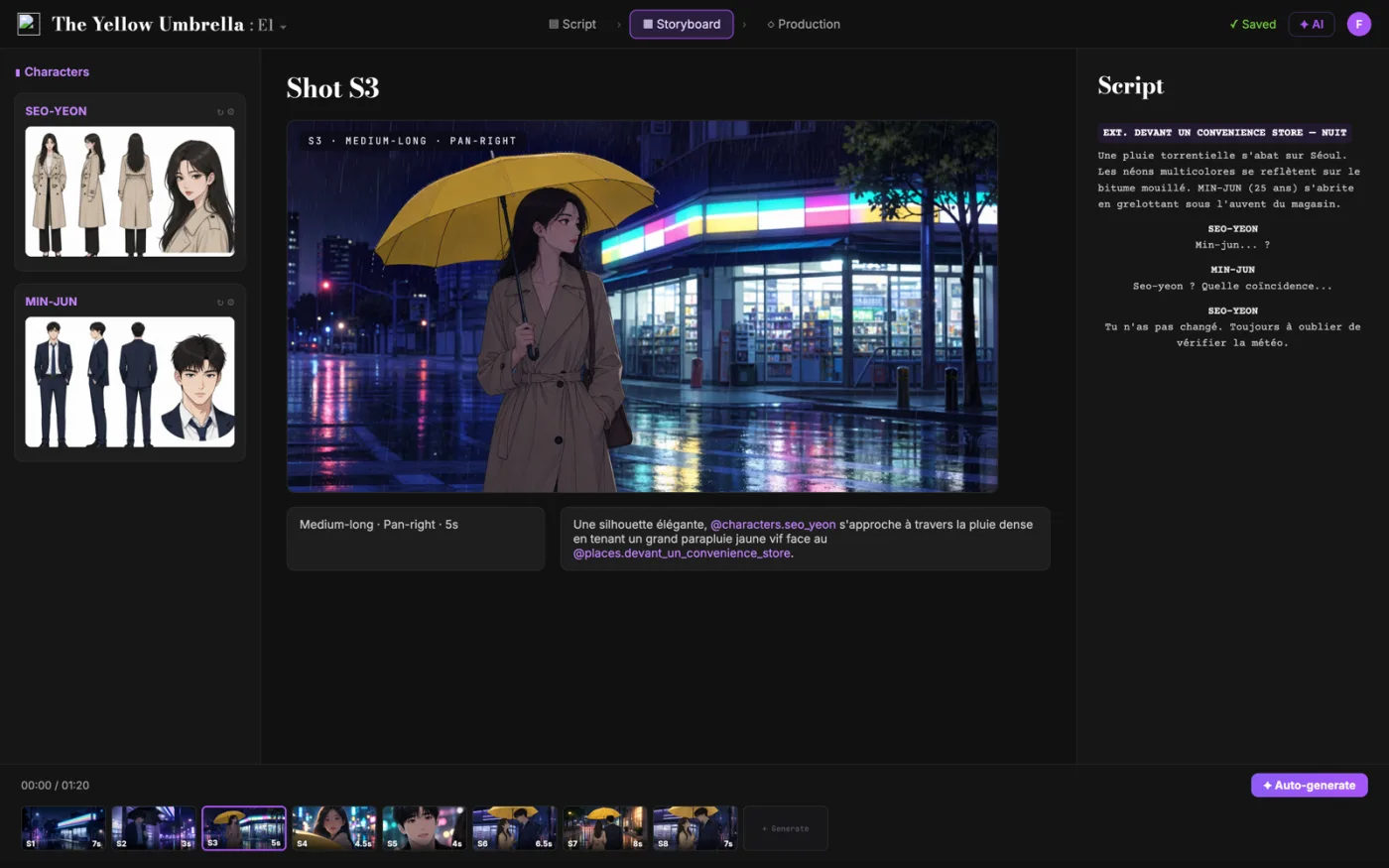
स्क्रीनप्ले से शुरू करें,स्टोरीबोर्ड पाएँ।
ScreenWeaver आपकी स्क्रिप्ट को शॉट्स में बाँटता है और उससे स्टोरीबोर्ड बनाता है। फ़्रेमिंग, एंगल, मूवमेंट और अवधि आपके हाथ में रहते हैं। किरदार हर शॉट में एक जैसे रहते हैं।
- $0, कभी ख़त्म नहीं होता
- PDF और Final Draft में एक्सपोर्ट
- Mac, Windows, Linux, iPad
AI वीडियो लागत कैलकुलेटर: पूरी गाइड
यह शॉट की संख्या, क्लिप की लंबाई और दोबारा कोशिशों के असल गुणक को किसी भी बड़े मॉडल पर कुल जनरेशन लागत में बदलता है, फिर वही ब्रीफ़ सबसे सस्ते और सबसे ऊँचे विकल्पों के बीच मिलाता है।
इस काम में असली दिक़्क़त साफ़ है: AI वीडियो का दाम प्रति क्लिप लगता है, यह मानकर कि पहली बार में ही बन जाएगा, इसलिए असली बजट उन दोबारा कोशिशों पर फट जाते हैं जिनका हिसाब किसी ने नहीं रखा। इसे यूँ ही छोड़ दिया जाए तो आगे के चरणों में रगड़ पैदा होती है और फ़ैसले धीमे पड़ जाते हैं। असल लक्ष्य है AI फ़िल्म का एक भरोसेमंद कुल और प्रति तैयार मिनट लागत, जिसमें दोबारा कोशिशें जुड़ी हों, और मॉडल दर मॉडल तुलना भी हो।
यह सीमा याद रखिए: यह सिर्फ़ जनरेशन की लागत आँकता है: संपादन का समय, ख़रीदा हुआ स्टॉक, लाइसेंस वाली संगीत, और डेटा की तारीख़ के बाद के दाम बदलाव इसके दायरे से बाहर हैं, इसलिए इसे बजट की जनरेशन वाली पंक्ति मानिए।
आगे का इस्तेमाल: मँजी टीमें हर दोबारा कोशिश वाले स्तर पर एक बार अनुमान लगाती हैं, ताकि सबसे कम, अपेक्षित और सबसे ज़्यादा वाले तीनों मामले मिलें, फिर शॉट के प्रकार के हिसाब से मॉडल बाँटती हैं: कवरेज के लिए सस्ते मॉडल, अहम शॉट के लिए ऊँचे मॉडल।
क़दम दर क़दम तरीक़ा
- परियोजना का आकार शॉट की संख्या से तय कीजिए, या अगर स्टोरीबोर्ड नहीं है तो तैयार अवधि और औसत शॉट लंबाई से।
- वह मॉडल चुनिए जिस पर आप बनाना चाहते हैं, और औसत क्लिप लंबाई वही रखिए जो आप सचमुच बनाते हैं।
- अपने मानक के मुताबिक़ दोबारा कोशिशों का स्तर चुनिए: 1.5 गुना साफ़, 3 गुना आम, 5 गुना बहुत बारीक।
- तय करने से पहले तुलना तालिका पढ़िए: वही ब्रीफ़ दूसरे मॉडल पर अक्सर दस गुना दाम का फ़र्क़ होता है।
किसके लिए, किस काम में
- AI फ़िल्मकार: बनाने से पहले फ़ेस्टिवल शॉर्ट का दाम निकालिए, तो दोबारा कोशिशों का बजट एक फ़ैसला रहेगा, चौंकाने वाली बात नहीं।
- एजेंसी निर्माता: क्लाइंट के काम का दाम प्रति तैयार मिनट दीजिए, जिसके पीछे तारीख़ वाली और मॉडल दर मॉडल लागत का आधार हो।
- स्टूडियो प्रमुख: पाइपलाइन तय करने से पहले कम दोबारा कोशिशों वाले ऊँचे मॉडल और ज़्यादा कोशिशों वाले सस्ते मॉडल को आमने-सामने रखिए।
आम ग़लतियाँ जिनसे बचिए
- प्रति क्लिप छपे दामों से बजट बनाना, बिना दोबारा कोशिशों के गुणक के।
- सब्सक्रिप्शन क्रेडिट वाले प्लान को API दरों से ऐसे मिलाना जैसे दोनों एक ही आधार हों।
- जब काम में दोबारा कोशिशें बहुत हों, तब मुफ़्त ख़ुद-होस्ट वाली राह अनदेखी करना।
पेशे के आज़माए तरीक़े
- ड्राफ़्ट सस्ते या तेज़ स्तर पर बनाइए और सिर्फ़ रखे हुए शॉट ऊँचे मॉडल पर दोबारा बनाइए; मिली-जुली दर तेज़ी से गिरती है।
- एक परियोजना पर अपनी असली रखने की दर नापिए, फिर डिफ़ॉल्ट 3 गुना को अपने आँकड़े से बदल दीजिए।
- दाम हर महीने जाँचिए: यह डेटा सितंबर 2026 का है और यह बाज़ार लगातार दाम बदलता है।
इस टूल के नतीजे को फ़ैसले में मदद मानिए, लिखाई की जगह नहीं। अच्छी पटकथा अपने ठोस चुनावों, भावनात्मक सटीकता और नाटकीय गति की साफ़गोई से याद रह जाती है। टूल का काम शोर हटाना है, ताकि आपकी ऊर्जा वहाँ लगे जहाँ मायने रखता है: किरदार, टकराव, चढ़ाव और भुगतान। हर दौर के बाद नतीजे दोबारा देखिए और जो बदलाव आपने माने उनका हिसाब रखिए, तो आपका तरीक़ा हर ड्राफ़्ट के साथ तेज़ और ज़्यादा भरोसेमंद होता जाता है। पेशेवर साथी इसी टिकाऊपन को क़ीमत देते हैं: कम चौंकाने वाली बातें, ज़्यादा साफ़ वजहें, और एक पटकथा जो सोच-समझकर आगे बढ़ती है।
विस्तार से सवाल
5 मिनट की AI शॉर्ट फ़िल्म पर कितना ख़र्च आता है?
आम 3 गुना दोबारा कोशिश और 5 सेकंड के शॉट पर, 5 मिनट की शॉर्ट को लगभग 60 रखे हुए शॉट और 180 जनरेशन चाहिए। यह Kling या Seedance जैसे सस्ते मॉडलों पर मोटे तौर पर 60 से 75 डॉलर, Veo 3.1 Fast पर लगभग 110 डॉलर, और Veo 3.1 स्टैंडर्ड या Sora 2 Pro जैसे ऊँचे स्तरों पर 360 से 450 डॉलर बैठता है, ध्वनि और अपस्केलिंग से पहले।
2026 में सबसे सस्ता AI वीडियो मॉडल कौन सा है?
बंद मॉडलों में Runway Gen-4 Turbo लगभग 0.25 डॉलर प्रति 5 सेकंड क्लिप और Kling 2.6 Pro या Seedance लगभग 0.35 डॉलर पर दाम में आगे हैं। ओपन सोर्स Wan और भी सस्ता है अगर आप सिर्फ़ GPU का समय गिनें, पर उसकी क़ीमत सेटअप और दोहराव की रफ़्तार में चुकानी पड़ती है।
एक मिनट की AI फ़िल्म के लिए कितनी क्लिप बनानी पड़ती हैं?
5 सेकंड के शॉट पर एक तैयार मिनट का मतलब 12 रखी हुई क्लिप। आम 3 गुना दर पर वह 36 जनरेशन बनती हैं, और 5 गुना वाली बारीक पास उसे 60 तक ले जाती है। इसीलिए प्रति तैयार मिनट लागत, प्रति क्लिप नहीं, बजट की ईमानदार इकाई है।
खुला मॉडल ख़ुद होस्ट करना पेड API से कब बेहतर है?
जब दोबारा कोशिशें हावी हों। 24 GB या उससे बड़ा किराए का GPU, लगभग 0.50 से 1.00 डॉलर प्रति घंटा, हर अतिरिक्त टेक को क़रीब मुफ़्त कर देता है, इसलिए 5 गुना दर पर ख़ुद-होस्ट किया Wan अक्सर हर बंद मॉडल से सस्ता पड़ता है। छोटी परियोजनाओं में 2 गुना से कम पर API का दाम आम तौर पर सुविधा के कारण जीत जाता है।
API से Sora 2 का वीडियो कितने का पड़ता है?
सितंबर 2026 में Sora 2 का दाम 720p पर लगभग 0.10 डॉलर प्रति सेकंड है, यानी 5 सेकंड की क्लिप 0.50 डॉलर, और Sora 2 Pro रेज़ोल्यूशन के हिसाब से 0.30 से 0.50 डॉलर प्रति सेकंड। OpenAI ने सितंबर 2026 के अंत में API बंद करने की घोषणा की है, इसलिए आगे का रास्ता ऐप के क्रेडिट हैं।
क्या 4K या अपस्केलिंग बजट बहुत बदल देती है?
हाँ। असली 4K फ़िलहाल Veo 3.1 स्टैंडर्ड की सुविधा है, ऊँची प्रति सेकंड दरों पर, और बाक़ी मॉडलों पर अलग से अपस्केल की एक पास जुड़ जाती है। कैलकुलेटर का ध्वनि और अपस्केल वाला 30 प्रतिशत बटन कच्ची जनरेशन के ऊपर उसी फ़िनिशिंग ख़र्च का अंदाज़ा देता है।
आम सवाल
सितंबर 2026 की क़ीमतों पर, 3 गुना दोबारा जनरेशन वाला सामान्य तरीक़ा सस्ते मॉडलों (Kling, Seedance, Hailuo) पर लगभग 10 से 50 डॉलर प्रति तैयार मिनट और प्रीमियम स्तर (Veo 3.1 मानक, Sora 2 Pro) पर 100 से 500 डॉलर के बीच बैठता है, ध्वनि और रिज़ॉल्यूशन बढ़ाने से पहले। दोबारा जनरेशन का अनुपात इस आँकड़े को मॉडल की पसंद से भी ज़्यादा बदलता है।
सितंबर 2026 में Gemini API से Veo 3.1 मानक 1080p और ऑडियो के साथ 0.40 डॉलर प्रति सेकंड है, और Veo 3.1 Fast 0.12 डॉलर प्रति सेकंड। यानी 5 सेकंड की क्लिप के लिए 2.00 डॉलर बनाम 0.60 डॉलर, और यही वजह है कि कई फ़िल्मकार ड्राफ़्ट Fast पर बनाते हैं और अंतिम शॉट मानक पर।
क्योंकि छपी क़ीमतें पहली टेक की सफलता मानती हैं और असली काम ऐसा नहीं होता। AI फ़िल्मकार आम तौर पर बताते हैं कि किरदार का तारतम्य, चाल और निरंतरता आँकने के बाद हर दो से पाँच जनरेशन में एक क्लिप रखी जाती है। 1.5 उन कामों के लिए ठीक है जहाँ स्टोरीबोर्ड कसा हुआ है; 5 पूर्णतावादी दौर और संवाद के मिलान के लिए।
प्रति क्लिप आम तौर पर नहीं। क्रेडिट प्लान ऐप की सुविधाएँ साथ बाँधते हैं और हर महीने ख़त्म होते हैं, इसलिए बीच वाले प्लान की असरदार प्रति क्लिप क़ीमत अक्सर कच्ची API दर से ज़्यादा बैठती है। यह कैलकुलेटर क्रेडिट प्लान को प्रति क्लिप आँकड़े में बदलता है और उन्हें अनुमान बताता है, ताकि तुलना ईमानदार रहे।
वह वैकल्पिक 30% वाला दौर अलग से ऑडियो, संगीत या रिज़ॉल्यूशन बढ़ाने के क़दम को शामिल करता है, जो अकेले काम करने वाले AI फ़िल्मकार आम तौर पर जनरेशन के ऊपर ख़र्च करते हैं। इसमें आपका एडिटिंग समय या ख़रीदा गया स्टॉक शामिल नहीं है; नतीजे को अपने बजट की जनरेशन वाली पंक्ति मानिए, पूरा बजट नहीं।