एक्शन और संवाद अनुपात विश्लेषक
संवाद का अनुपात · पटकथा फ़ॉर्मैट विश्लेषक
हॉलीवुड का एक सुनहरा नियम है पन्ने का दृश्य संतुलन: ख़ूब खाली जगह, कोई घना काला ब्लॉक नहीं। बहुत ज़्यादा संवाद पाठक को सुला देता है; बहुत ज़्यादा एक्शन उसे थका देता है।
नीचे एक सीन चिपकाइए। टूल ढाँचा पहचानता है (संवाद अक्सर बीच में या अंदर होता है) और Fountain शैली के किरदारों के नाम भी, फिर एक्शन और संवाद का हिस्सा दिखाता है, ताकि आप फ़ॉर्मैट और संतुलन दोनों जाँच सकें।
पूरी तरह आपके ब्राउज़र में चलता है, कोई डेटा किसी सर्वर पर नहीं भेजा जाता। पंक्तियों को छाँटने के लिए इंडेंट और Fountain के नियम इस्तेमाल होते हैं।
समर्थित फ़ॉर्मैट
Fountain: किरदार के नाम पूरे बड़े अक्षरों में (V.O. या O.S. जैसे कोष्ठक के साथ) और अगली पंक्तियों में संवाद। मानक पटकथा: साफ़ इंडेंट वाली पंक्तियाँ संवाद गिनी जाती हैं, बाएँ से शुरू होने वाली पंक्तियाँ एक्शन।
इस संवाद अनुपात विश्लेषक का इस्तेमाल कैसे करें
- ऊपर के बॉक्स में एक पूरा सीन, एक सीक्वेंस या अपनी पटकथा के कुछ पन्ने चिपकाइए। Fountain (.fountain) और मानक पटकथा फ़ॉर्मैट दोनों चलते हैं।
- टूल हर पंक्ति देखता है, इंडेंट और किरदार के नामों से उसे एक्शन या संवाद में छाँटता है, फिर हिसाब लगाता है कि पन्ने का कितना हिस्सा किसने लिया।
- पट्टी और प्रतिशत से जल्दी देख लीजिए कि सीन संवाद प्रधान है, एक्शन प्रधान है या संतुलित, इससे पहले कि आप PDF या Final Draft में एक्सपोर्ट करें।
एक स्वस्थ एक्शन-संवाद अनुपात कैसा होता है?
हर जॉनर और हर लेखक की लय अलग है, पर ये मोटे दायरे तब काम आते हैं जब आप किसी ड्राफ़्ट की जाँच करना चाहते हैं:
- लगभग 40 से 60% संवाद: अक्सर संतुलित लगता है, पाठक को पर्याप्त खाली जगह मिलती है और स्क्रिप्ट भी चलती रहती है।
- 60 से 70% से ज़्यादा संवाद: पन्ना घना लगने लगता है, ख़ासकर जब संवाद लंबे हों और एक्शन या व्यवहार कम हो।
- 30 से 40% से कम संवाद: बहुत शारीरिक या दृश्य प्रधान लग सकता है। एक्शन या हॉरर के लिए बढ़िया, पर जाँचिए कि अहम मोड़ सिर्फ़ वर्णन में तो नहीं रह गए।
इस अनुपात को एक जल्दी की जाँच मानिए, नियम नहीं। मक़सद है कि आपकी स्क्रिप्ट पढ़ने वाले के लिए रफ़्तार और स्पष्टता बनी रहे।
लंबाई तय हो गई।अब पूरी स्क्रिप्ट लिखिए।
ScreenWeaver में पूरी स्क्रीनप्ले लिखिए, इंडस्ट्री-स्टैंडर्ड फ़ॉर्मैटिंग और अनलिमिटेड पेजों के साथ। Screenwriter प्लान फ़्री है और कभी ख़त्म नहीं होता।
- $0, कभी ख़त्म नहीं होता
- PDF और Final Draft में एक्सपोर्ट
- Mac, Windows, Linux, iPad
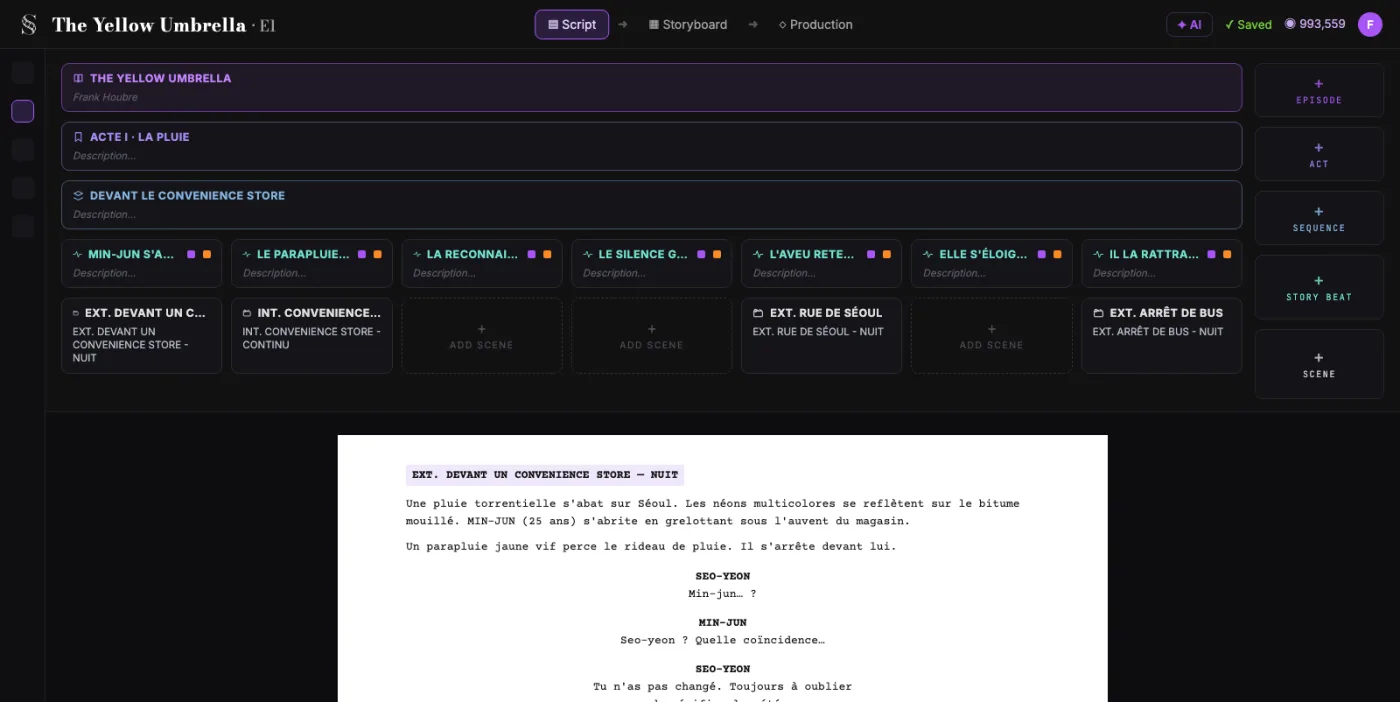
ऐक्शन और संवाद का अनुपात: पूरी गाइड
यह नापता है कि पन्ना ऐक्शन और संवाद के बीच कैसे बँटा है, और लंबे ड्राफ़्ट में छिपे गति के असंतुलन सामने लाता है।
इस काम में असली दिक़्क़त साफ़ है: पन्ने की सघनता का असंतुलन दोबारा लिखाई के आख़िरी दौर में सिर्फ़ अंदाज़ से पकड़ना मुश्किल है। इसे यूँ ही छोड़ दिया जाए तो आगे के चरणों में रगड़ पैदा होती है और फ़ैसले धीमे पड़ जाते हैं। असल लक्ष्य है ऐक्शन और संवाद के संतुलन की ठोस तस्वीर, जिससे गति के फ़ैसले साफ़ होते हैं।
यह सीमा याद रखिए: यह न उपपाठ की गुणवत्ता परखता है, न सीन की मंशा, इसलिए अनुपात के सुधार हमेशा संदर्भ देखकर ही कीजिए।
आगे का इस्तेमाल: अनुपात की चाल अंक दर अंक और विधा के चलन के हिसाब से देखिए, फिर सिर्फ़ वे हिस्से दोबारा लिखिए जहाँ सघनता आपकी चाही हुई ऊर्जा से टकराती है।
क़दम दर क़दम तरीक़ा
- पहले पूरे सीक्वेंस पर विश्लेषण चलाइए, ताकि किसी एक अजीब सीन पर ज़रूरत से ज़्यादा प्रतिक्रिया न हो।
- सघनता के असामान्य मान पहचानिए और बदलने से पहले उन्हें संदर्भ में पढ़िए।
- जहाँ ज़रूरत हो वहाँ ऐक्शन बीट, पंक्ति की लंबाई और बातचीत की कसावट सुधारिए।
- बदलाव के बाद दोबारा नापिए, ताकि सुधार पक्का हो और ज़रूरत से ज़्यादा सुधार न हो जाए।
किसके लिए, किस काम में
- लेखक: वे लंबे हिस्से पकड़िए जहाँ एकालाप ज़्यादा है और रफ़्तार बैठ जाती है।
- संपादक: वे ऐक्शन खंड पहचानिए जो नाटकीय बनाने के बजाय बस बयान करते हैं।
- शोरनर या विकास टीम: एपिसोड दर एपिसोड लहजे की लय स्थिर रखिए।
आम ग़लतियाँ जिनसे बचिए
- हर विधा से एक जैसा अनुपात माँगना।
- नाटकीय मंशा देखे बिना प्रतिशत सुधारना।
- सिर्फ़ आँकड़े के लिए लिखना और आवाज़ को सपाट कर देना।
पेशे के आज़माए तरीक़े
- अंक और सीक्वेंस के हिसाब से मानक तय कीजिए, सिर्फ़ पूरे ड्राफ़्ट के नहीं।
- जोड़ने वाले सीनों की साफ़गोई पर ध्यान दीजिए, पाठक वहीं सबसे जल्दी थकता है।
- अनुपात को दोबारा लिखाई की दिशा-सूई मानिए, बंदिश नहीं।
इस टूल के नतीजे को फ़ैसले में मदद मानिए, लिखाई की जगह नहीं। अच्छी पटकथा अपने ठोस चुनावों, भावनात्मक सटीकता और नाटकीय गति की साफ़गोई से याद रह जाती है। टूल का काम शोर हटाना है, ताकि आपकी ऊर्जा वहाँ लगे जहाँ मायने रखता है: किरदार, टकराव, चढ़ाव और भुगतान। हर दौर के बाद नतीजे दोबारा देखिए और जो बदलाव आपने माने उनका हिसाब रखिए, तो आपका तरीक़ा हर ड्राफ़्ट के साथ तेज़ और ज़्यादा भरोसेमंद होता जाता है। पेशेवर साथी इसी टिकाऊपन को क़ीमत देते हैं: कम चौंकाने वाली बातें, ज़्यादा साफ़ वजहें, और एक पटकथा जो सोच-समझकर आगे बढ़ती है।
विस्तार से सवाल
क्या ऐक्शन और संवाद का कोई आदर्श अनुपात होता है?
कोई सार्वभौमिक अनुपात नहीं है। सही संतुलन विधा, सीन के काम, और आपकी चाही हुई पढ़ने की रफ़्तार पर निर्भर है।
आँकड़े के चक्कर में ज़्यादा सुधार करने से कैसे बचूँ?
हर चिह्नित हिस्से को बदलने से पहले उसके नाटकीय संदर्भ में पढ़िए। पहले मंशा, फिर आँकड़ा।
सीन दर सीन देखूँ या सीक्वेंस दर सीक्वेंस?
सीक्वेंस से शुरू कीजिए, संकेत ज़्यादा टिकाऊ रहता है, फिर उन सीनों में उतरिए जो असामान्य लगें।
क्या अनुपात का विश्लेषण पढ़ना आसान बनाता है?
हाँ। यह अक्सर वे सघन हिस्से दिखा देता है जो पाठक को थकाते हैं और अहम मोड़ ढक देते हैं।
अगर कोई सीन जानबूझकर संवाद भरा हो तो?
अगर वह काम कर रहा है तो रहने दीजिए। यह टूल अनजाने असंतुलन पकड़ने के लिए है, सोचे-समझे चुनाव के लिए नहीं।
दोबारा लिखाई के किस पड़ाव पर इसे इस्तेमाल करूँ?
ढाँचे वाली पास के बाद और आख़िरी चमकाने से पहले, फिर बाहर भेजने से ठीक पहले एक बार और।
संवाद अनुपात और फ़ॉर्मैट पर आम सवाल
हर स्क्रिप्ट पर लागू कोई एक संख्या नहीं है, पर बनी हुई कई फ़िल्में ज़्यादातर पन्नों पर 40 से 60% संवाद के दायरे में रहती हैं। कुछ सीन लगभग पूरे संवाद के होंगे (दो लोगों की बहस), कुछ लगभग पूरे एक्शन के (बड़े सेट पीस)। मक़सद है पन्ने दर पन्ने घने ब्लॉक से बचना, जिन्हें पढ़ना मुश्किल हो।
यह पूरा फ़ॉर्मैट जाँचकर्ता नहीं है, पर दो अहम संकेत पकड़ता है: आपका संवाद ठीक से बीच में या इंडेंट है या नहीं, और Fountain शैली के किरदार नाम तथा सीन हेडिंग इस्तेमाल हो रहे हैं या नहीं। अगर टूल सब कुछ एक्शन गिन रहा है, तो शायद आपका संवाद इंडेंट नहीं है या किरदार और संवाद के ब्लॉक की तरह नहीं लिखा गया।
हाँ। यह विश्लेषक किसी ख़ास पन्ना संख्या या अंक ढाँचे को नहीं मानता। यह बस देखता है कि हर पन्ने में कितना एक्शन है और कितना संवाद, जो फ़ीचर, पायलट, शॉर्ट और वेब सीरीज़ सबके लिए काम का है।
नहीं। यह एक जाँच का पर्दा है, लिखने वाला AI नहीं। यह आपको पन्ने का घनत्व दिखाता है ताकि कारीगरी के फ़ैसले आप ख़ुद लें: संवाद काटना, एक्शन को साफ़ बीट में तोड़ना, या सीधी व्याख्या की जगह व्यवहार को आने देना।