Extractor de mayúsculas
Lista de atrezo, personajes y efectos sonoros en MAYÚSCULAS
En el formato estándar, quien escribe pone en mayúsculas la primera aparición de un personaje, los efectos sonoros y el atrezo importante en los bloques de acción.
Pega tu guion. La herramienta recorre el texto y extrae todas las palabras escritas en MAYÚSCULAS en una lista limpia y ordenada alfabéticamente, para construir rápido tus listas de personajes, tus desgloses de atrezo y tus listas de sonido, tanto en reescritura como en preparación.
Cómo funciona
Una expresión regular detecta cada palabra escrita enteramente en capitales con al menos 3 letras (las letras sueltas se ignoran). Los resultados se depuran de duplicados y se ordenan de la A a la Z. Todo funciona en tu navegador, no se envía ningún dato a un servidor.
Del guion a los planos,en un solo lugar.
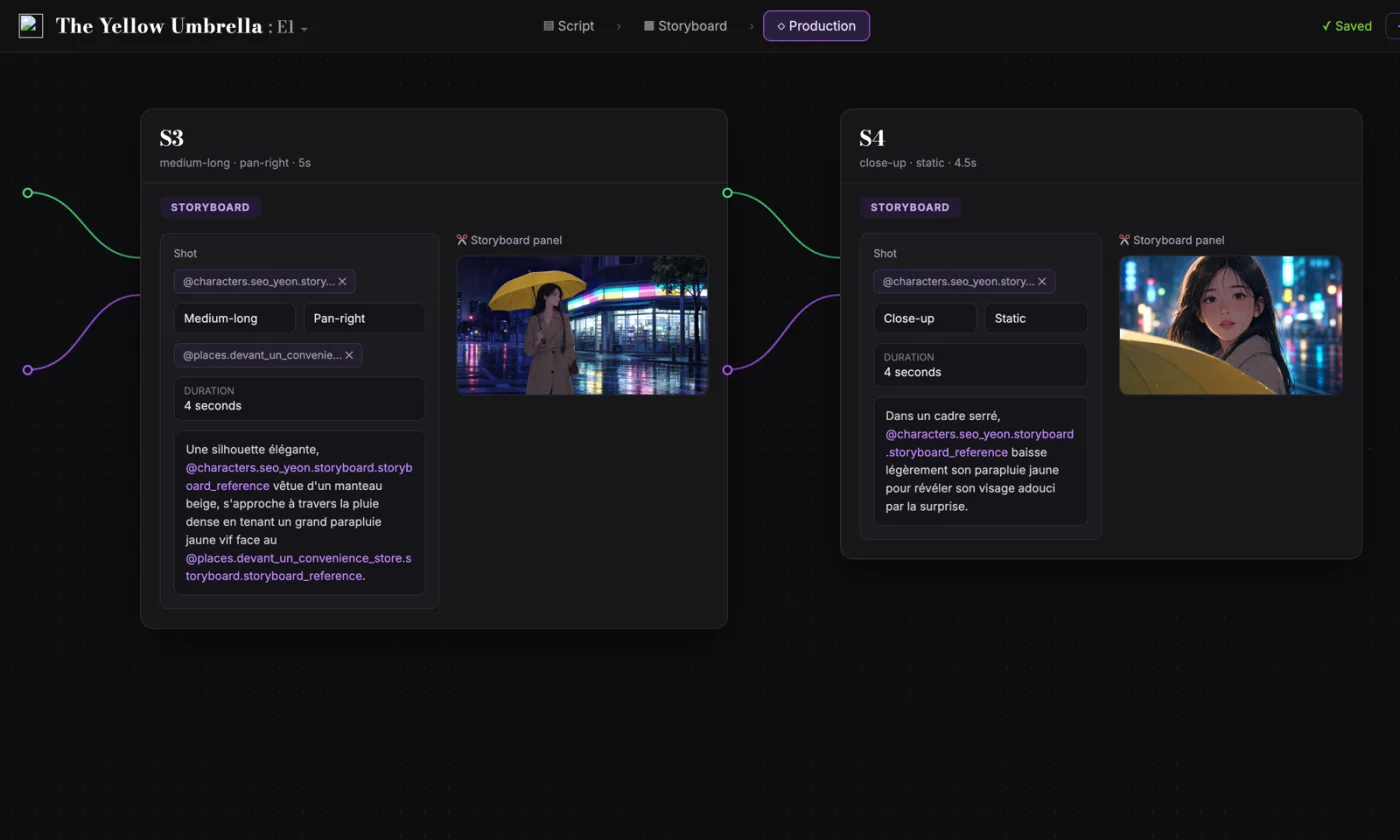
ScreenWeaver convierte tu guion en un desglose de planos automático y luego en un storyboard. Personajes, localizaciones y referencias pasan de un plano a otro.
- 0 $, sin fecha de caducidad
- Exporta a PDF y Final Draft
- Mac, Windows, Linux, iPad
Extractor de mayúsculas: la guía completa
Captura los términos en mayúsculas para que los elementos relevantes de producción se vean sin repasar el guion a mano.
En este trabajo el problema central está claro: los términos importantes en mayúsculas se escapan fácilmente cuando el guion es largo o cambia rápido. Si no se resuelve, genera fricción más adelante y decisiones más lentas. El objetivo concreto es una extracción rápida de personajes, atrezo y efectos candidatos para el desglose posterior.
Límite que conviene tener presente: No clasifica por sí solo las entradas ambiguas, los términos siguen necesitando etiquetado según el contexto.
Uso avanzado: Fusiona la lista con columnas por departamento y marcas de coste, y tendrás un mapa de riesgo por versión.
El método paso a paso
- Extrae todos los términos en mayúsculas del borrador actual antes de empezar a etiquetar.
- Clasifica cada entrada en personaje, atrezo, efecto de plató, efecto digital o entorno.
- Une las variantes de nombre y quita el ruido de formato.
- Usa la lista limpia como base para las hojas de desglose por departamento.
Casos de uso por perfil
- Guionista: comprobar que personajes y atrezo se presentan de forma coherente.
- Coordinador: arrancar plantillas de desglose para varios departamentos.
- Productor: sacar antes los elementos caros a las conversaciones de presupuesto.
Errores frecuentes que evitar
- Dar por hecho que todas las mayúsculas pertenecen a una sola categoría.
- Olvidar unificar etiquetas casi idénticas.
- Saltarse la revisión en contexto de los términos ambiguos.
Buenas prácticas del oficio
- Guarda las etiquetas de categoría en tu hoja de cálculo de referencia.
- Vuelve a extraer tras cada borrador importante, así ves pronto los elementos nuevos.
- Marca de inmediato las entradas caras para que las revise producción.
Trata lo que sale de esta herramienta como apoyo a la decisión, no como sustituto de la escritura. Un buen guion se recuerda por sus decisiones concretas, su precisión emocional y la claridad de su movimiento dramático. Las herramientas sirven para quitar ruido, de modo que tu energía vaya donde importa: personaje, conflicto, escalada y pago. Si revisas los resultados después de cada pasada y llevas un registro de los cambios que aceptas, tu método se vuelve más rápido y más previsible de una versión a otra. Eso es justo lo que valoran los colaboradores profesionales: menos sorpresas, razones más claras y un guion que evoluciona con intención.
Preguntas ampliadas
¿La extracción clasifica las categorías sola?
No. Saca los candidatos rápido, la clasificación en contexto sigue siendo trabajo humano.
¿Cómo reduzco los falsos positivos?
Normaliza el formato del guion y quita las mayúsculas decorativas que no son elementos de producción.
¿Sirve para preparar presupuesto?
Sí. Una lista etiquetada saca a la vista los elementos caros a tiempo.
¿Cuándo repito la extracción?
Después de cada revisión importante que añada escenas, atrezo, reparto o efectos.
¿Es útil en producción independiente?
Mucho. Ahorra trabajo administrativo manual cuando el equipo es pequeño.
¿Cuál es el flujo más rápido después?
Exportar la lista, etiquetar por departamento, marcar nivel de riesgo y coste, y repasarlo en la reunión de producción.