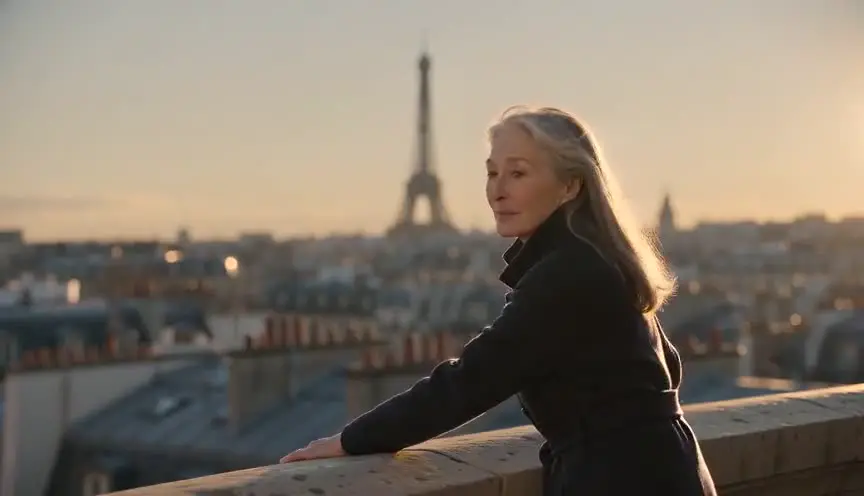
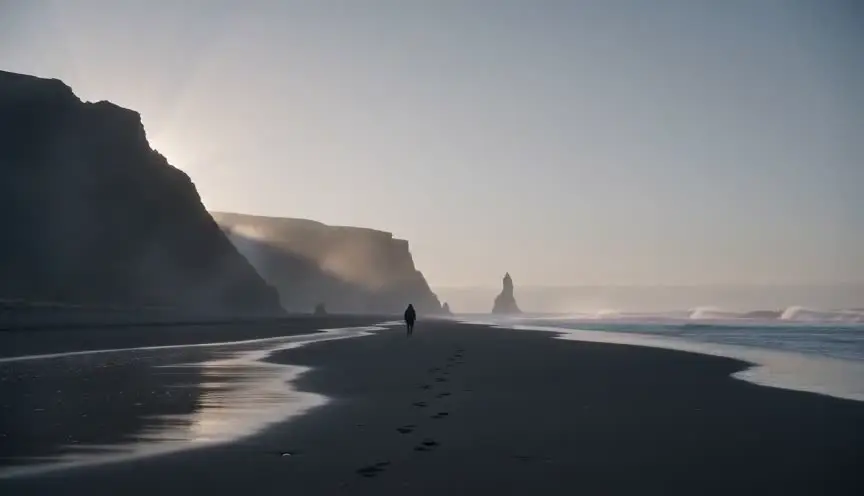
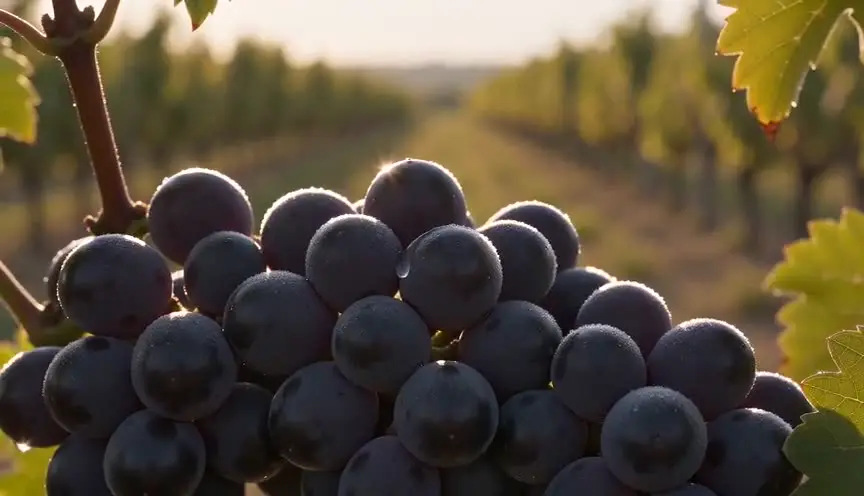
Guida alle scale di ripresa

Ogni inquadratura visualizzata, col prompt pronto da copiare

Guarda esattamente dove ogni scala di ripresa taglia l'inquadratura, da una figura persa nel paesaggio a un paio di occhi che riempiono lo schermo, poi copia il prompt che produce quell'inquadratura in Veo, Sora, Runway, Kling o in qualsiasi modello di immagine.

L'inquadratura è la prima parola del linguaggio cinematografico: lo stesso momento diventa geografia in un campo lungo, conversazione in una mezza figura e confessione in un primo piano. Ogni scheda qui sotto inquadra lo stesso soggetto a una scala della gamma classica, così le differenze si vedono invece di essere descritte.

Le dimostrazioni di inquadratura sono disegnate nel tuo browser. Copiare un prompt non invia nulla a nessun server.

Extreme wide shot

EWS

The subject is a small element in a vast environment; the location is the real subject of the frame.

Quando usarla: Openings, establishing geography, isolation, and scale - the world before the person.

extreme wide shot, the subject tiny in a vast landscape

Guarda un prompt di esempio completo

A traveler crosses a salt flat at dawn, extreme wide shot, the subject tiny in a vast landscape, pastel sky.
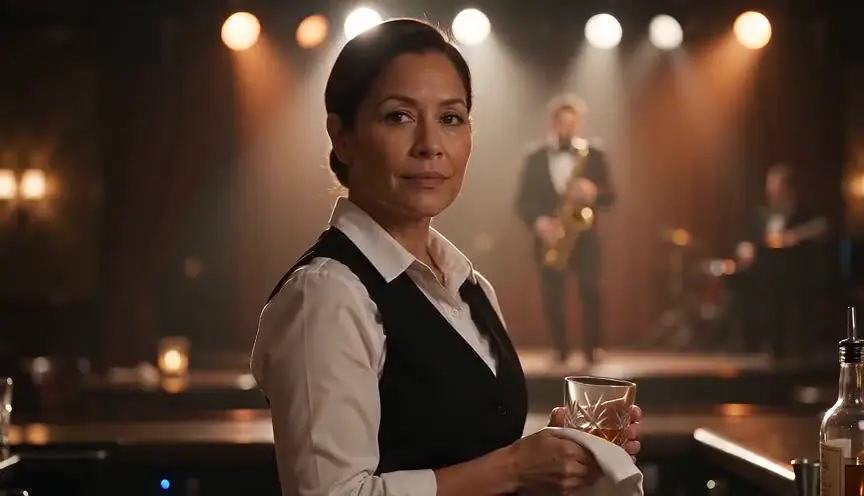
Wide shot

WS

The full subject is visible with generous room around them; body and environment share the frame.

Quando usarla: Establishing a character in a place, blocking-heavy scenes, physical comedy.

wide shot showing the full subject and their surroundings

Guarda un prompt di esempio completo

A mechanic stands in a cluttered garage doorway, wide shot showing the full subject and their surroundings.

Full shot

FS

The frame cuts just above the head and just below the feet: the body fills the height of the frame.

Quando usarla: Costumes, posture, and movement - showing exactly how a character carries themselves.

full shot framing the subject from head to toe

Guarda un prompt di esempio completo

A dancer in rehearsal clothes holds a final pose, full shot framing the subject from head to toe, studio light.

Cowboy shot

MWS

The frame cuts at mid-thigh - historically to keep a gunslinger's holster visible.

Quando usarla: Confrontations and swagger; a power framing that keeps hands and hips in play.

cowboy shot framing the subject from mid-thigh up

Guarda un prompt di esempio completo

A sheriff squares up in the saloon doorway, cowboy shot framing the subject from mid-thigh up, backlit dust.

Medium shot

MS

The frame cuts at the waist: close enough for expression, wide enough for gesture.

Quando usarla: The workhorse of dialogue - conversations, interviews, most scene coverage.

medium shot framing the subject from the waist up

Guarda un prompt di esempio completo

A journalist leans into the interview question, medium shot framing the subject from the waist up, office bokeh.

Medium close-up

MCU

The frame cuts at the chest: the face leads, but shoulders keep body language alive.

Quando usarla: Emotional dialogue beats, reactions that still need a hint of posture.

medium close-up framing the subject from the chest up

Guarda un prompt di esempio completo

A witness hesitates before answering, medium close-up framing the subject from the chest up, courtroom light.

Close-up

CU

The face fills the frame, cut around the shoulders; every micro-expression reads.

Quando usarla: Key emotional moments, decisions, the audience inside a character's head.

close-up on the subject's face

Guarda un prompt di esempio completo

Tears she refuses to release, close-up on the subject's face, candlelight flickering.

Extreme close-up

ECU

A fragment of the face - usually the eyes - fills the entire frame.

Quando usarla: Maximum intensity: realization, terror, obsession, the western standoff stare.

extreme close-up on the subject's eyes

Guarda un prompt di esempio completo

The moment the plan clicks into place, extreme close-up on the subject's eyes, reflected neon.

Insert shot

INSERT

A tight detail of an object or action - hands, a letter, a key turning - not a face.

Quando usarla: Story-critical props, cutaways that carry plot information, tactile texture.

insert shot, extreme close-up detail of the object

Guarda un prompt di esempio completo

A brass key slides into an old lock, insert shot, extreme close-up detail of the object, shallow focus.

Come usare questa pagina

Trova l'inquadratura che corrisponde a quanto contesto richiede il tuo momento, copia il frammento di prompt e mettilo all'inizio, prima del soggetto e dell'azione, perché i modelli danno più peso ai primi elementi. Ogni frammento usa il termine standard del settore più un ancoraggio in parole semplici («inquadrando il soggetto dalla vita in su»), che tiene onesti i modelli anche quando interpretano il termine in modo largo. L'esempio su ogni scheda mostra il frammento dentro un prompt completo.

Le scale di ripresa nel cinema e nella generazione video con IA

La gamma delle inquadrature è il vocabolario condiviso più antico del cinema: campo lunghissimo, campo lungo, figura intera, piano americano, mezza figura, mezzo primo piano, primo piano, primissimo piano, più il dettaglio per gli oggetti. Ogni troupe del mondo disegna storyboard, compila liste di inquadrature e dirige con questi termini, ed è esattamente per questo che i modelli IA addestrati su materiale descritto ci rispondono.

La differenza pratica tra due scale vicine sta in cosa resta in gioco. Una mezza figura conserva il gesto; un mezzo primo piano scambia il gesto con l'espressione; un primo piano scambia la postura con la microespressione. Chiedere una scala più larga o più stretta di quella che il momento richiede è il motivo per cui le inquadrature di dialogo generate con l'IA sembrano così spesso troppo distanti o troppo intense.

Le sequenze risultano professionali quando le scale si alternano con intenzione: stabilisci con un campo lungo, gioca la scena in mezze figure, chiudi la svolta su un primo piano, stacca su un dettaglio quando un oggetto porta avanti la trama. Generare inquadrature IA con questa disciplina produce clip che si montano come una copertura vera, invece che come una raccolta di immagini scollegate.

Per chi è

  • Chi fa cinema con l'IA: chiedi esattamente l'inquadratura che avevi pianificato invece di rigenerare finché il taglio non torna.
  • Studenti di cinema: impara la gamma delle inquadrature come si legge sullo schermo, con ogni scala mostrata sullo stesso soggetto.
  • Regia e storyboard: condividi un unico riferimento visivo, così storyboard, liste di inquadrature e prompt IA parlano tutti la stessa lingua.

Shot Size Guide: the complete guide

It visualizes the complete framing scale, extreme wide to extreme close-up plus the insert shot, on the same subject, each with the copy-paste prompt fragment for AI video and image generation.

For this workflow, the central problem is clear: shot sizes are learned from written definitions, so creators prompt 'medium shot' expecting a close-up and storyboard frames that do not match what the terms mean on set. Left unresolved, this creates downstream friction and slower decisions. The practical target is you see exactly where every framing cuts the body, and copy the prompt phrasing that produces that exact framing in AI models.

Limitation to keep in mind: Framings are conventions, not laws: a 'medium shot' cut point varies slightly between productions, and AI models interpret the terms with the same small variance.

Advanced workflow: Directors plan coverage by alternating sizes deliberately: wide to establish, medium for dialogue, close-up for the turn. Prompting AI shots with the same discipline produces sequences that cut together like real coverage.

Step-by-Step Workflow

  1. Identify the framing your moment needs: how much body, how much environment, how much face.
  2. Copy the prompt fragment and lead your AI prompt with it, before subject and action.
  3. Expand the example to see the framing used in a complete, well-ordered prompt.
  4. Plan sequences by alternating sizes the way real coverage does: wide, medium, close, insert.

Use Cases By Profile

  • AI filmmaker: prompt the exact framing you storyboarded instead of regenerating until it looks right.
  • Film student: internalize the framing scale visually, the way it reads in a frame, not a glossary.
  • Storyboard artist: share a common size vocabulary with directors and AI pipelines alike.

Common Mistakes To Avoid

  • Prompting 'close-up' when the moment needs chest-up body language: that is a medium close-up.
  • Jumping from extreme wide to extreme close-up with nothing between, which cuts feel jarring.
  • Forgetting the insert shot: story-critical props deserve their own framing, not a corner of a wide.

Professional Best Practices

  • Lead the prompt with the size ('medium shot of...') - models weight early tokens more heavily.
  • The cowboy shot is the secret weapon for confrontation scenes: power without losing the hands.
  • For dialogue coverage, generate matching MCU pairs of both characters for clean shot-reverse-shot.

Treat this tool output as a decision support layer, not a replacement for authorship. Great scripts are remembered for specific choices, emotional precision, and clarity of dramatic movement. Tools help by removing noise so your energy can go where it matters: character, conflict, escalation, and payoff. If you review outcomes after each pass and keep an explicit log of accepted changes, your workflow becomes faster and more predictable from draft to draft. That consistency is exactly what professional collaborators value: fewer surprises, clearer rationale, and a script that evolves with intent.

Extended FAQ

What are the standard camera shot sizes?

The classic scale runs extreme wide shot, wide shot, full shot, cowboy (medium wide), medium shot, medium close-up, close-up, and extreme close-up, plus the insert shot for object details. Each one is visualized on this page with its AI prompt.

What is the difference between a medium shot and a close-up?

A medium shot cuts at the waist and keeps gesture and body language in frame; a close-up fills the frame with the face and cuts around the shoulders. Between them sits the medium close-up, cut at the chest.

What is a cowboy shot?

A framing that cuts at mid-thigh, named for westerns that needed the gun holster visible. It reads as a power framing: taller than a medium shot, with hands and hips still in play.

Do shot size terms work in AI video prompts?

Yes, all major models (Veo, Sora, Runway, Kling, Seedance) understand standard framing vocabulary. Lead the prompt with the size term for the most reliable results, since models weight early words more heavily.

What is an insert shot?

A tight detail shot of an object or action rather than a face: a key turning, a letter, hands on a keyboard. Inserts carry plot information and give the edit room to breathe.

How do I choose the right shot size?

Ask how much context the moment needs. Environment and geography want wides, dialogue wants mediums, emotion wants close-ups, and story-critical objects want inserts. Sequences work best when sizes alternate deliberately, like real coverage.

FAQ

Domande frequenti

Campo lunghissimo, campo lungo, figura intera, piano americano, mezza figura, mezzo primo piano, primo piano e primissimo piano, più il dettaglio per gli oggetti. Tutte e nove sono visualizzate qui sopra sullo stesso soggetto.

La mezza figura taglia alla vita e tiene mani e gesto dentro l'inquadratura. Il mezzo primo piano taglia al petto: comanda il viso, con giusto quel po' di spalla che tiene viva la postura.

Sì. Veo, Sora, Runway, Kling e Seedance rispondono tutti al vocabolario standard delle inquadrature. Metti il termine di scala all'inizio del prompt e includi l'ancoraggio in parole semplici, come fanno i frammenti da copiare qui sopra.

Al confronto e alla spavalderia. Tagliato a metà coscia, tiene in gioco mani e fianchi mentre svetta più di una mezza figura, ed è per questo che il western lo ha inventato e il thriller se lo è tenuto.

Adatta l'inquadratura a quanto contesto richiede il momento: la geografia vuole i campi lunghi, il dialogo le mezze figure, l'emozione i primi piani e gli oggetti decisivi per la trama i dettagli. Poi alterna le scale lungo la sequenza come fa una copertura vera.

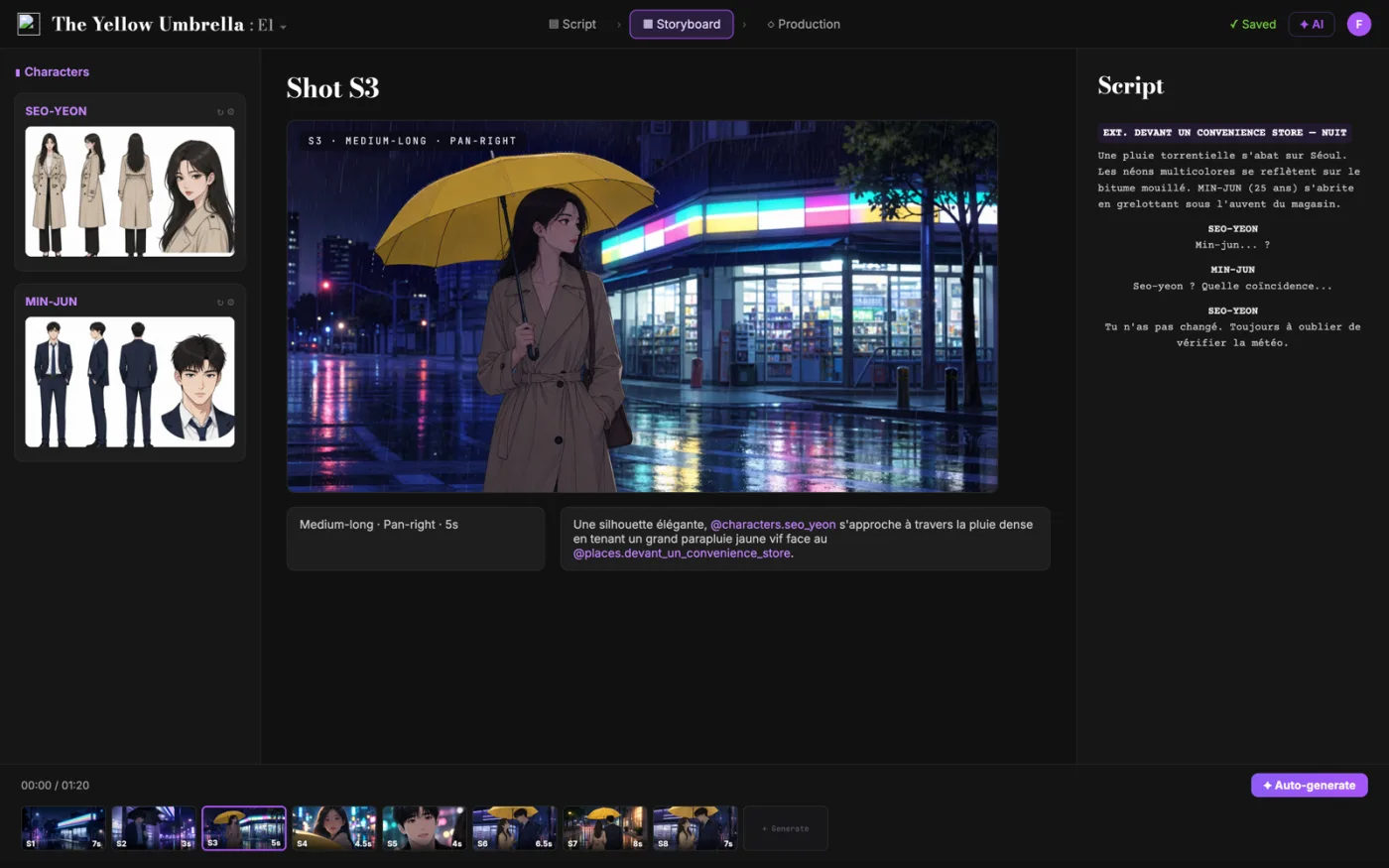
Preview of ScreenWeaver visual timeline and script rhythm

Inquadra il piano, poi costruiscici intorno il film

ScreenWeaver collega la tua sceneggiatura a storyboard e liste di inquadrature in cui ogni riquadro conosce la propria scala, così le scelte di inquadratura diventano un piano leggibile da tutta la produzione. Gratis per iniziare.

Pianifica la tua copertura gratis