Estrattore di maiuscole
Elenco di oggetti di scena, personaggi ed effetti dal MAIUSCOLO
Nel formato standard della sceneggiatura, si scrivono in maiuscolo la prima comparsa di un personaggio, gli effetti sonori e gli oggetti di scena importanti dentro i blocchi di azione.
Incolla la tua sceneggiatura. Lo strumento scorre il testo ed estrae ogni parola scritta tutta in MAIUSCOLO in un unico elenco pulito e ordinato alfabeticamente, così puoi costruire in fretta elenchi di personaggi, spogli di oggetti di scena e liste sonore per la revisione o la preparazione.
Come funziona
Un'espressione regolare individua ogni parola interamente maiuscola con almeno 3 lettere (così le lettere singole vengono ignorate). I risultati vengono ripuliti dai doppioni e ordinati dalla A alla Z. Tutto funziona nel tuo browser: nessun dato viene inviato a un server.
Dalla sceneggiatura alle inquadrature,in un unico posto.
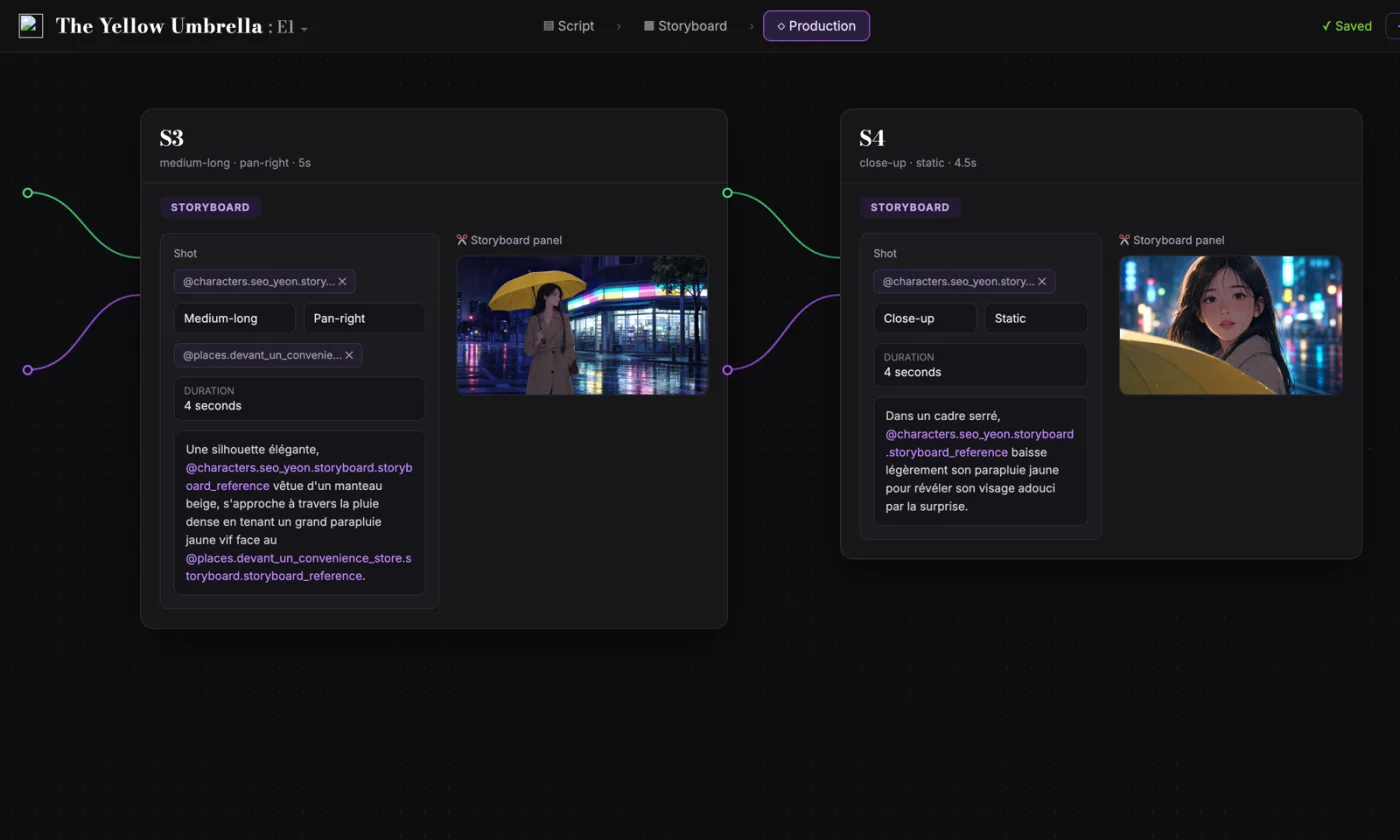
ScreenWeaver trasforma la sceneggiatura in uno spoglio delle inquadrature automatico, poi in uno storyboard. Personaggi, location e riferimenti passano da un'inquadratura all'altra.
- 0 $, senza scadenza
- Export in PDF e Final Draft
- Mac, Windows, Linux, iPad
Estrattore di maiuscole: la guida completa
Raccoglie i termini in maiuscolo, così gli elementi utili alla produzione si vedono senza rileggere tutto a mano.
In questo lavoro il problema centrale è chiaro: i termini importanti in maiuscolo sfuggono facilmente quando la sceneggiatura è lunga o cambia in fretta. Se resta lì, produce attrito più avanti e decisioni più lente. L'obiettivo concreto è un'estrazione rapida di personaggi, oggetti di scena ed effetti candidati per lo spoglio successivo.
Limite da tenere presente: Non classifica da solo le voci ambigue, i termini vanno ancora etichettati in base al contesto.
Uso avanzato: Unisci la lista estratta a colonne per reparto e a indicatori di costo, e ottieni una mappa del rischio per ogni stesura.
Il metodo passo per passo
- Estrai tutti i termini in maiuscolo dalla stesura corrente prima di iniziare a etichettare.
- Classifica ogni voce in personaggio, oggetto di scena, effetto in ripresa, effetto digitale o ambiente.
- Unifica le varianti di nome e togli il rumore dovuto alla formattazione.
- Usa la lista ripulita come base per i fogli di spoglio dei singoli reparti.
Casi d'uso per profilo
- Sceneggiatore: controllare che personaggi e oggetti di scena siano introdotti in modo coerente.
- Coordinatore: avviare modelli di spoglio per più reparti.
- Produttore: portare prima gli elementi costosi nelle discussioni di budget.
Errori frequenti da evitare
- Dare per scontato che tutti i termini in maiuscolo appartengano a una sola categoria.
- Dimenticare di uniformare le etichette quasi identiche.
- Saltare la verifica nel contesto per i termini ambigui.
Buone pratiche del mestiere
- Tieni le etichette di categoria direttamente nel tuo foglio di riferimento.
- Riestrai dopo ogni stesura importante, così vedi presto i nuovi elementi.
- Segnala subito al produttore le voci costose.
Tratta quello che esce da questo strumento come un supporto alla decisione, non come un sostituto della scrittura. Una buona sceneggiatura resta in mente per le scelte precise, la precisione emotiva e la chiarezza del movimento drammatico. Gli strumenti servono a togliere il rumore, così la tua energia va dove conta: personaggio, conflitto, escalation e resa. Se rivedi i risultati dopo ogni passaggio e tieni un registro delle modifiche accettate, il tuo metodo diventa più rapido e più prevedibile da una stesura all'altra. È esattamente quello che i collaboratori professionisti apprezzano: meno sorprese, ragioni più chiare e una sceneggiatura che cresce con intenzione.
Domande approfondite
L'estrazione classifica le categorie da sola?
No. Tira fuori in fretta i candidati, la classificazione nel contesto resta lavoro umano.
Come riduco i falsi positivi?
Uniforma la formattazione della sceneggiatura e togli le maiuscole decorative che non sono elementi di produzione.
Aiuta a preparare il budget?
Sì. Una lista etichettata fa emergere presto gli elementi costosi.
Quando rifare l'estrazione?
Dopo ogni revisione importante che aggiunge scene, oggetti di scena, cast o effetti.
Serve nelle produzioni indipendenti?
Molto. Toglie lavoro amministrativo manuale quando la squadra è piccola.
Qual è il flusso più rapido dopo?
Esportare la lista, etichettare per reparto, segnare rischio e costo, poi rivedere tutto nella riunione di produzione.