सीन नंबरिंग टूल
स्पेक स्क्रिप्ट को नंबर वाली शूटिंग स्क्रिप्ट में बदलिए
कोई स्पेक स्क्रिप्ट या Fountain ड्राफ़्ट चिपकाइए और यह मुफ़्त सीन नंबरिंग टूल उसे नंबर वाली शूटिंग स्क्रिप्ट में बदल देता है, जिसमें हर सीन हेडिंग के दोनों ओर नंबर होते हैं, ठीक वैसे जैसे प्रोडक्शन ड्राफ़्ट में होते हैं। उन लेखकों, स्क्रिप्ट समन्वयकों और सहायक निर्देशकों के लिए जो स्क्रिप्ट को शूट के लिए तैयार कर रहे हैं।
स्पेक स्क्रिप्ट में कभी सीन नंबर नहीं होते। नंबर तब जोड़े जाते हैं जब स्क्रिप्ट प्रोडक्शन के लिए लॉक होती है, क्योंकि हर विभाग अपने काग़ज़ सीन नंबर से अनुक्रमित करता है: ब्रेकडाउन शीट, शेड्यूल बोर्ड, कॉल शीट, कैमरा रिपोर्ट, एडिट लॉग। एक बार लॉक होने के बाद नंबर नहीं हिलते। 12 और 13 के बीच जुड़ा नया सीन 12A बन जाता है, और हटाया गया सीन अपना नंबर रखते हुए «हटाया गया» लिखा जाता है, ताकि अनुक्रम हर रिवीज़न झेल जाए।
सब कुछ आपके ब्राउज़र में चलता है। आपकी स्क्रिप्ट कभी इस पन्ने से बाहर नहीं जाती और कुछ भी किसी सर्वर पर अपलोड नहीं होता।
किसी सीन को जोड़ा हुआ चिह्नित कीजिए ताकि उसे पिछले नंबर से जुड़ा अक्षर मिले, या हटाया हुआ चिह्नित कीजिए ताकि सामग्री हटे पर नंबर बना रहे।
- 1INT. KITCHEN - NIGHT
- 2EXT. BACKYARD - NIGHT
- 3INT. HALLWAY - NIGHT
- 4INT. BEDROOM - NIGHT
पहले सीन को जोड़ा हुआ नहीं कर सकते: अक्षर वाले सीन को जुड़ने के लिए पहले से कोई नंबर चाहिए।
नंबर वाली शूटिंग स्क्रिप्ट
1  INT. KITCHEN - NIGHT  1

Maya checks the lock on the back door. Twice.

2  EXT. BACKYARD - NIGHT  2

A motion light snaps on. Nothing there.

3  INT. HALLWAY - NIGHT  3

Maya moves toward the bedroom, phone in hand.

4  INT. BEDROOM - NIGHT  4

She stops. The window is open.
यह कैसे काम करता है
टूल आपके पाठ में सीन हेडिंग ढूँढ़ता है (बिंदु से शुरू होने वाली Fountain की ज़बरदस्ती हेडिंग समेत), पिछले दौर के नंबर हटाता है, और आपकी चुनी शुरुआत से क्रम में नंबर देता है। नंबर हेडिंग के दोनों ओर छपते हैं, यही शूटिंग स्क्रिप्ट का मानक रूप है। जिन सीन को आप जोड़ा हुआ चिह्नित करते हैं उन्हें पिछले सीन से जुड़ा अक्षर नंबर मिलता है (12A, या A12 अगर आपका प्रोडक्शन उपसर्ग शैली इस्तेमाल करता हो), और जिन्हें हटाया हुआ चिह्नित करते हैं वे अपना नंबर रखते हैं और उनकी हेडिंग «हटाया गया» से बदल जाती है। Fountain डाउनलोड हर नंबर #12# वाली भाषा में लिखता है, ताकि वह Fountain ऐप के आने-जाने में बचा रहे।
सीन नंबरिंग के नियम, साफ़ शब्दों में
शूटिंग स्क्रिप्ट के सीन नंबरों का मूल नियम यह है कि वे एक बार लॉक होते हैं और फिर कभी नहीं हिलते। जिस पल प्रोडक्शन स्क्रिप्ट लॉक करता है, सहायक निर्देशक उन्हीं नंबरों से शेड्यूल बोर्ड बनाता है, स्क्रिप्ट सुपरवाइज़र उन्हीं के सामने कवरेज दर्ज करता है, और एडिट विभाग उन्हीं से फ़ोल्डर नाम रखता है। लॉक के बाद दोबारा नंबर देना इन सब काग़ज़ों को चुपचाप तोड़ देगा, इसीलिए किसी भी सीन नंबरिंग टूल को नए सीन के लिए जगह बनाने के वास्ते पुराने नंबर नहीं हिलाने चाहिए।
इसी के लिए अक्षर वाले सीन होते हैं। परंपरा के मुताबिक़ सीन 12 के बाद जोड़ा गया सीन 12A बनता है (कुछ प्रोडक्शन A12 लिखते हैं, दोनों शैलियाँ चलन में हैं), अगला जोड़ 12B बनता है, और सीन 13 ठीक वहीं रहता है। हटाया गया सीन उल्टे तरीक़े से वही काम करता है: हेडिंग «हटाया गया» से बदल जाती है पर नंबर क्रम में बना रहता है, ताकि ड्राफ़्ट पलटता कोई विभाग समझ जाए कि सीन जानबूझकर हटाया गया है, खोया नहीं।
स्पेक स्क्रिप्ट को शूटिंग स्क्रिप्ट में बदलना ज़्यादातर यही नंबरिंग वाला दौर है, और उसके बाद आने वाले प्रोडक्शन शीर्ष। अगर आप स्क्रिप्ट सचमुच लॉक होने से पहले नंबर देते हैं, तो यह दौर दोबारा करने के लिए तैयार रहिए, जो इस चरण में कोई बात नहीं: ड्राफ़्ट जब तक हिल रहा है तब तक टूल जितनी बार चाहें चलाइए, फिर जब स्क्रिप्ट विभागों को जाए तब नंबर लॉक कीजिए और उसके बाद हर बदलाव के लिए अक्षर वाले सीन तथा «हटाया गया» निशान इस्तेमाल कीजिए।
यह किसके लिए है
- स्क्रिप्ट समन्वयक लॉक हुए ड्राफ़्ट को कुछ सेकंड में नंबर दीजिए और रिवीज़न दोबारा नंबर देने के बजाय अक्षर वाले सीन तथा «हटाया गया» निशान के साथ बाँटिए, ताकि हर विभाग के काग़ज़ वैध बने रहें।
- सहायक निर्देशक और लाइन प्रोड्यूसर शेड्यूल बोर्ड और ब्रेकडाउन शीट बनाने के लिए नंबर वाली शूटिंग स्क्रिप्ट पाइए, भले लेखक ने सिर्फ़ स्पेक ड्राफ़्ट दिया हो।
- छोटी यूनिट वाले लेखक-निर्देशक शूट से पहले अपनी ही स्क्रिप्ट पर नंबरिंग की परंपरा सीखिए, ताकि आपकी कॉल शीट और शॉट सूची सीन का ज़िक्र वैसे करें जैसे पेशेवर सेट पर होता है।
स्क्रिप्ट से शॉट्स तक,एक ही जगह।
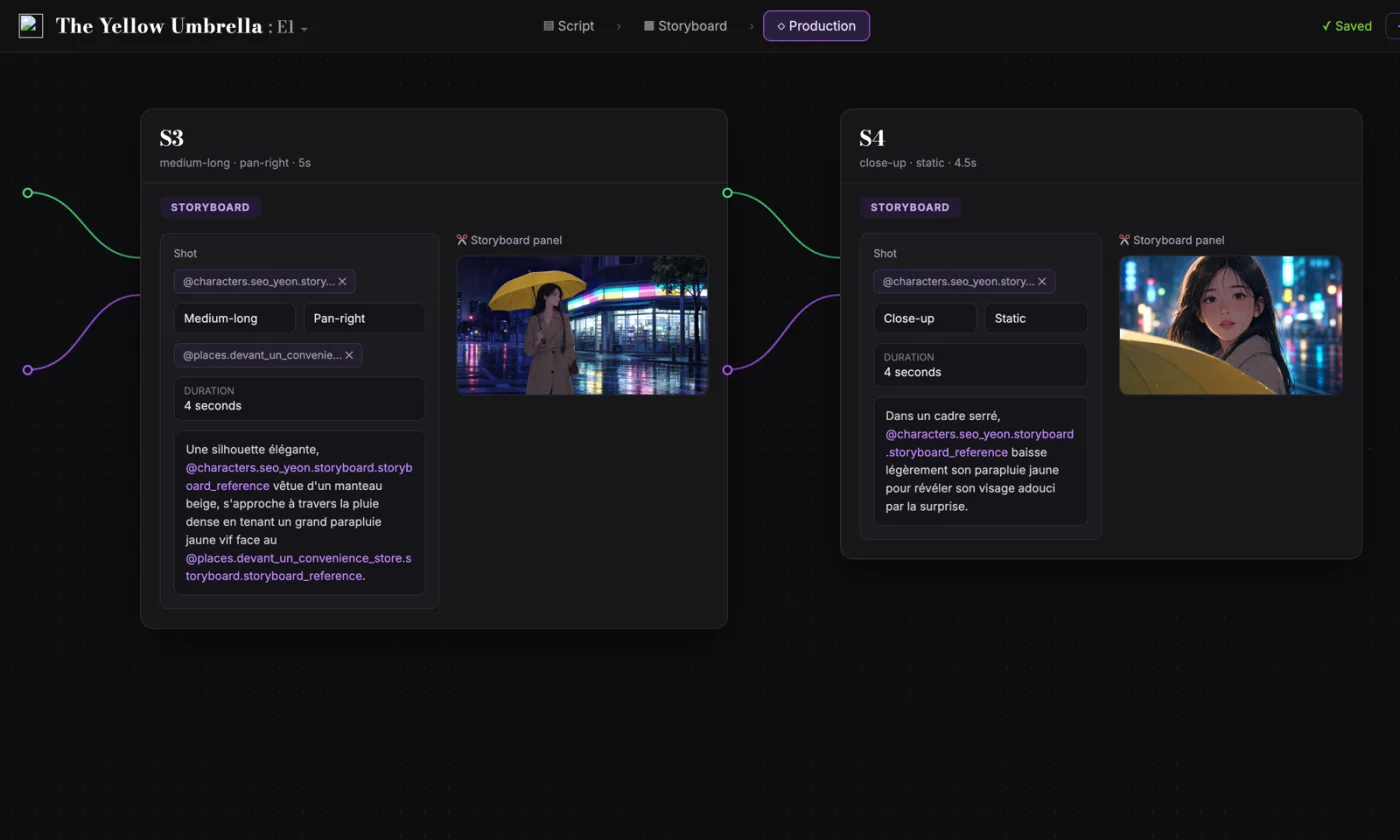
ScreenWeaver आपकी स्क्रीनप्ले का ऑटोमैटिक शॉट ब्रेकडाउन बनाता है, फिर स्टोरीबोर्ड। किरदार, लोकेशन और रेफ़रेंस एक शॉट से दूसरे शॉट तक साथ चलते हैं।
- $0, कभी ख़त्म नहीं होता
- PDF और Final Draft में एक्सपोर्ट
- Mac, Windows, Linux, iPad
शूटिंग स्क्रिप्ट कन्वर्टर: पूरी गाइड
यह आपके चिपकाए गए Fountain या सादे स्क्रिप्ट टेक्स्ट में सीन हेडिंग पहचानता है, हर हेडिंग के दोनों ओर प्रोडक्शन नंबर लगाता है, और टेक्स्ट या Fountain में निर्यात करने से पहले आपको सीन को जोड़ा गया (12A जैसा) या हटाया गया चिह्नित करने देता है।
इस काम में असली दिक़्क़त साफ़ है: स्पेक स्क्रिप्ट में सीन नंबर नहीं होते, और हाथ से नंबर डालना (या दोबारा लिखने के बाद फिर से नंबर देना) हर उस ब्रेकडाउन, स्ट्रिपबोर्ड और कॉल शीट को तोड़ देता है जिसमें पुराने नंबर लिखे थे। इसे यूँ ही छोड़ दिया जाए तो आगे के चरणों में रगड़ पैदा होती है और फ़ैसले धीमे पड़ जाते हैं। असल लक्ष्य है सही ढंग से नंबर लगी शूटिंग स्क्रिप्ट, जहाँ बीच में जोड़े गए सीन को अक्षर वाला नंबर मिलता है और हटाए गए सीन पर OMITTED लिखा रहता है, ताकि सीन की सूची हर रिवीज़न में स्थिर रहे।
यह सीमा याद रखिए: यह उन्हीं हेडिंग को नंबर देता है जिन्हें पहचान पाता है, इसलिए गड़बड़ हेडिंग (छोटे अक्षर, INT/EXT उपसर्ग नदारद, ज़बरदस्ती वाला पूर्णविराम नहीं) छूट जाती है, और यह रिवीज़न के रंगीन पन्ने या ड्राफ्ट के बीच के बदलावों का हिसाब नहीं रखता।
आगे का इस्तेमाल: सुपरवाइज़र लॉक के समय यह चलाते हैं, नंबर लगी स्क्रिप्ट को संदर्भ कॉपी की तरह संभालते हैं, फिर हर रिवीज़न पर जोड़े गए और हटाए गए चिह्नों के साथ दोबारा चलाते हैं, ताकि नया ड्राफ्ट विभागों के काग़ज़ों से मिलता रहे और एक भी नंबर न हिले।
क़दम दर क़दम तरीक़ा
- अपनी स्पेक या Fountain ड्राफ्ट चिपकाइए और कोई विकल्प छूने से पहले पुष्टि कीजिए कि पहचाने गए सीन आपकी असली हेडिंग से मेल खाते हैं।
- पहला सीन नंबर और नंबरिंग शैली तय कीजिए, और अपने प्रोडक्शन के चलन के हिसाब से जोड़े गए सीन के लिए 12A या A12 चुनिए।
- बाद में जुड़े सीन को जोड़ा गया और काटे गए सीन को हटाया गया चिह्नित कीजिए, फिर देखिए कि बिना छुए सीन ने अपना पुराना नंबर रखा है।
- प्रिंट और वितरण के लिए .txt निर्यात कीजिए, या Fountain टूल में काम जारी रखने के लिए .fountain, जहाँ #12# नंबर बरकरार रहते हैं।
किसके लिए, किस काम में
- स्क्रिप्ट सुपरवाइज़र: लॉक हुए ड्राफ्ट को नंबर देना और रिवीज़न में पूरी स्क्रिप्ट दोबारा नंबर करने के बजाय अक्षर वाले A सीन निकालना।
- पहला सहायक निर्देशक: स्पेक ड्राफ्ट से नंबर लगी शूटिंग स्क्रिप्ट निकालना, ताकि स्ट्रिपबोर्ड और ब्रेकडाउन शीट स्क्रिप्ट के साथ एक ही सीन सूची साझा करें।
- लेखक-निर्देशक: अपनी स्पेक को शूटिंग स्क्रिप्ट में बदलना और वे नंबरिंग परंपराएँ सीखना जिनकी उम्मीद सेट पर क्रू करेगा।
आम ग़लतियाँ जिनसे बचिए
- कोई सीन काटने के बाद उसे OMITTED चिह्नित करने के बजाय पूरी स्क्रिप्ट दोबारा नंबर करना, जिससे हर विभाग के काग़ज़ बेकार हो जाते हैं।
- स्क्रिप्ट के सचमुच लॉक होने से पहले नंबर देना और फिर उन अस्थायी नंबरों को प्रोडक्शन की सूची मान लेना।
- एक ही प्रोडक्शन के अलग-अलग रिवीज़न में 12A और A12 शैलियाँ मिला देना, जिससे कॉल शीट पर अक्षर वाले सीन उलझ जाते हैं।
पेशे के आज़माए तरीक़े
- स्क्रिप्ट तभी लॉक कीजिए जब विभाग उसके आधार पर काग़ज़ बनाना शुरू करें; उससे पहले हर ड्राफ्ट पर नंबर दोबारा बनाना बिल्कुल ठीक है।
- बाँटी जाने वाली स्क्रिप्ट में OMITTED सीन मिटाने के बजाय रहने दीजिए, ताकि कोई पूरी सुबह ऐसा सीन न ढूँढ़ता रहे जो अब है ही नहीं।
- अगर एक ही जगह पर रिवीज़न कई सीन जोड़ दे, तो कहानी के क्रम में अक्षर दीजिए (12A, 12B, 12C), तभी स्ट्रिपबोर्ड सही क्रम में लगेगा।
इस टूल के नतीजे को फ़ैसले में मदद मानिए, लिखाई की जगह नहीं। अच्छी पटकथा अपने ठोस चुनावों, भावनात्मक सटीकता और नाटकीय गति की साफ़गोई से याद रह जाती है। टूल का काम शोर हटाना है, ताकि आपकी ऊर्जा वहाँ लगे जहाँ मायने रखता है: किरदार, टकराव, चढ़ाव और भुगतान। हर दौर के बाद नतीजे दोबारा देखिए और जो बदलाव आपने माने उनका हिसाब रखिए, तो आपका तरीक़ा हर ड्राफ़्ट के साथ तेज़ और ज़्यादा भरोसेमंद होता जाता है। पेशेवर साथी इसी टिकाऊपन को क़ीमत देते हैं: कम चौंकाने वाली बातें, ज़्यादा साफ़ वजहें, और एक पटकथा जो सोच-समझकर आगे बढ़ती है।
विस्तार से सवाल
क्या स्पेक स्क्रिप्ट में सीन नंबर होते हैं
नहीं। स्पेक बेचने और पढ़ने का दस्तावेज़ है, और नंबर सिर्फ़ शोर जोड़ेंगे। सीन नंबर शूटिंग स्क्रिप्ट के होते हैं, जहाँ वे विभागों को ब्रेकडाउन, शेड्यूल और रिपोर्ट को ठोस सीन से जोड़ने देते हैं।
स्क्रिप्ट में सीन नंबर लॉक कैसे करते हैं
लॉक करना एक फ़ैसला है, फ़ाइल फ़ॉर्मैट नहीं: प्री-प्रोडक्शन की शुरुआत में आप घोषित करते हैं कि एक नंबर लगी स्क्रिप्ट ही लॉक स्क्रिप्ट है, उसे बाँटते हैं, और उसके बाद हर बदलाव दोबारा नंबरिंग के बजाय A सीन और OMITTED चिह्नों से होता है। यह टूल वही नंबर लगी स्क्रिप्ट बनाता है।
सीन नंबर हेडिंग के दोनों ओर क्यों होते हैं
ताकि सेट पर पन्ना जैसे भी पकड़ा जाए, जिस पर भी लिखा जाए या जिसकी फ़ोटोकॉपी हो, नंबर दिखता रहे। बाएँ और दाएँ दोनों जगह रखना शूटिंग स्क्रिप्ट का मानक रूप है, जिसे Final Draft, Movie Magic और प्रोडक्शन दफ़्तर इस्तेमाल करते हैं।
12 और 13 के बीच जुड़े सीन को नंबर कैसे दें
नया सीन 12A बन जाता है (दूसरी शैली में A12), पिछले नंबर से जुड़ा हुआ। उसी जगह जुड़ा दूसरा सीन 12B बनता है। सीन 13 अपना नंबर रखता है, और यही इस परंपरा का पूरा मक़सद है।
क्या लॉक के बाद दोबारा नंबर दे सकते हैं
दे तो सकते हैं, पर देना नहीं चाहिए: पुराने नंबरों पर बना हर स्ट्रिपबोर्ड, ब्रेकडाउन शीट और कैमरा रिपोर्ट एक झटके में ग़लत हो जाएगा। उद्योग का तरीक़ा है अक्षर वाले सीन और OMITTED चिह्न जोड़ना, ताकि मौजूदा काग़ज़ों को कभी बदलना ही न पड़े।
नंबर पाने के लिए हेडिंग क्या मानी जाती है
वे पंक्तियाँ जो INT., EXT., EST., INT./EXT. या I/E से शुरू होती हैं, साथ ही Fountain की ज़बरदस्ती वाली हेडिंग जो एक पूर्णविराम से शुरू होती है (जैसे .MONTAGE)। एक्शन पंक्तियाँ, ट्रांज़िशन और संवाद कभी नंबर नहीं पाते।
आम सवाल
स्क्रिप्ट लॉक होने पर, जब तैयारी सचमुच शुरू होती है। स्पेक ड्राफ़्ट बिना नंबर के घूमते हैं; शूटिंग स्क्रिप्ट उन्हें जोड़ती है ताकि ब्रेकडाउन, शेड्यूल और कॉल शीट सब एक ही सीन अनुक्रम की ओर इशारा करें। लॉक से पहले नंबर अस्थायी हैं और आप उन्हें जितनी बार चाहें दोबारा बना सकते हैं।
यह वह सीन है जो स्क्रिप्ट लॉक होने के बाद के किसी रिवीज़न में सीन 12 के पीछे जोड़ा गया। नए सीन को अक्षर देना, दोबारा नंबर देने के बजाय, सीन 13 और उसके बाद सब कुछ स्थिर रखता है, ताकि पहले से बने ब्रेकडाउन और शेड्यूल सही बने रहें। उसी जगह दूसरा जोड़ 12B बनता है।
वह सीन जो स्क्रिप्ट लॉक होने के बाद काटा गया। हेडिंग «हटाया गया» से बदल जाती है पर सीन नंबर बना रहता है, जो हर विभाग को बताता है कि सीन जानबूझकर हटाया गया है, खोया नहीं, और आसपास के सीन का नंबर अनुक्रम भी बचा रहता है।
दोनों परंपराएँ मौजूद हैं। 12A (नंबर के बाद अक्षर) अमेरिकी प्रोडक्शन में सबसे आम शैली है और Final Draft भी यही बनाता है; कुछ प्रोडक्शन और ब्रिटिश शो A12 पसंद करते हैं। पूरे प्रोडक्शन के लिए एक शैली चुनिए और उसी पर टिके रहिए। यह टूल दोनों सँभालता है।
Fountain सीन नंबर हेडिंग के आख़िर में हैश के बीच लिखता है, जैसे «अंदर रसोई - रात #12#»। अक्षर भी चलते हैं, इसलिए #12A# भी सही है। .fountain डाउनलोड यही भाषा इस्तेमाल करता है, ताकि Highland या Slugline जैसे ऐप आपके नंबर सही पढ़ें।
Related tools
सीन हेडिंग एक्सट्रैक्टर
पटकथा के पाठ से सीन हेडिंग निकालिए।
आठवें हिस्से का कैलकुलेटर
चिपकाए गए पाठ से हर सीन को पन्ने के आठवें हिस्सों में नापिए।
शूटिंग दिनों का कैलकुलेटर
अंदाज़ा लगाइए कि आपकी स्क्रिप्ट को कितने शूटिंग दिन चाहिए।
स्क्रिप्ट ड्राफ़्ट तुलना
दो ड्राफ़्ट की सीन दर सीन तुलना: जुड़े, हटाए और बदले हुए सीन।
You can also browse the full library on /tools.
Core blog guides
- Idea → first draft (process hub)
- Screenplay format guide 2026
- Hidden costs of “free” software
- Affordable software & TCO
- Revision passes (structure → dialogue)
फिल्म तकनीकें
जानने लायक फ़िल्म तकनीकें
हर तकनीक के साथ एक छोटा क्लिप, पटकथा का अंश और शॉट लिस्ट की पंक्ति।