फ़्रेंच सीन ब्रेकडाउन
किसी भी स्क्रिप्ट से किरदारों की उपस्थिति का चार्ट बनाइए
यह मुफ़्त फ़्रेंच सीन ब्रेकडाउन जनरेटर चिपकाई गई पटकथा या नाटक से वही क्लासिक उपस्थिति चार्ट बनाता है, वही काम जो फ़िल्म और रंगमंच के पाठ्यक्रम आज भी छात्रों से पैमाने और हाइलाइटर के साथ हाथ से करवाते हैं। स्क्रिप्ट चिपकाइए, चार्ट पाइए: किनारे किरदार, ऊपर सीन और उनके फ़्रेंच सीन उपविभाग, और हर उपस्थिति पर एक निशान।
फ़्रेंच सीन वह इकाई है जो तब शुरू होती है जब कोई किरदार आता या जाता है, यह परंपरा सत्रहवीं सदी के फ़्रांसीसी रंगमंच से आई है जहाँ हर आगमन पर सीन की संख्या बदल जाती थी। निर्देशक आज भी इसे बनाते हैं क्योंकि यह चार्ट वह दिखा देता है जो एक बार पढ़ने पर छिपा रहता है: कौन-से कलाकार साथ रिहर्सल कर सकते हैं, कहाँ कास्ट अचानक बड़ी हो जाती है, कौन-सा किरदार तीस पन्नों तक ग़ायब रहता है। टूल पटकथा में सीन हेडिंग और नाटक में अंक तथा दृश्य के शीर्षक पहचानता है, फिर जब भी बोलने वाले किरदारों का समूह बदलता है, हर सीन को आगे बाँट देता है।
सब कुछ आपके ब्राउज़र में चलता है। आपकी स्क्रिप्ट कभी अपलोड नहीं होती और किसी सर्वर पर नहीं भेजी जाती।
ब्रेकडाउन देखने के लिए ऊपर अपनी स्क्रिप्ट चिपकाइए। Fountain, मानक पटकथा फ़ॉर्मैट और छपे नाटक का पाठ (हैमलेट: ...) सब चलते हैं।
यह कैसे काम करता है
पार्सर पहले सीन की सीमाएँ ढूँढ़ता है: पटकथा के लिए सीन हेडिंग, नाटक के लिए अंक और दृश्य वाली पंक्तियाँ, जहाँ अंक की पंक्ति उसके बाद आने वाले दृश्य में मिल जाती है। हर सीन के भीतर वह बोलने वालों के नाम इकट्ठा करता है, उन्हें बातचीत के चक्रों में बाँटता है, और जब भी बोलने वालों का समूह बदलता है तब नया फ़्रेंच सीन शुरू करता है, क्योंकि बदला हुआ समूह ही किसी के आने या जाने का पाठगत निशान है। (V.O.) और (जारी) जैसे विस्तार हटा दिए जाते हैं, इसलिए एक किरदार एक ही बार गिना जाता है। नतीजा असली फ़्रेंच सीन ब्रेकडाउन का अनुमान है: बिना बोले आने वालों को हाथ से जोड़ना पड़ता है, और यही वह निर्णय है जो हाथ से बनाए चार्ट में भी हमेशा लगता आया है।
फ़्रेंच सीन ब्रेकडाउन क्या है और निर्देशक इसे क्यों बनाते हैं
फ़्रेंच सीन ब्रेकडाउन किरदारों की उपस्थिति का चार्ट है: यह दिखाता है कि हर फ़्रेंच सीन में कौन-कौन मौजूद है, और फ़्रेंच सीन वह इकाई है जिसकी सीमाएँ किसी के आने या जाने से बनती हैं। नाम नवशास्त्रीय फ़्रांसीसी रंगमंच से आया, जहाँ छपे नाटक हर बार मंच पर मौजूद लोग बदलने पर सीन दोबारा गिनते थे। निर्देशक, मंच प्रबंधक और फ़िल्म पाठ्यक्रम आज भी यह चार्ट बनाते हैं, क्योंकि यह पाठ को रिहर्सल के लायक चीज़ में बदल देता है: किन्हीं दो कलाकारों के साझा फ़्रेंच सीन ठीक वही बुलावे हैं जिनमें उन्हें साथ आना है।
यह चार्ट एक जाँच भी है। उपस्थिति का चार्ट रफ़्तार की दिक्कतें एक नज़र में दिखा देता है: पूरे एक अंक से ग़ायब नायक, ऐसा सीन जिसमें नौ किरदार बोलते हैं और सात हटाए जा सकते हैं, और दो लोगों वाला लंबा हिस्सा जो बाक़ी कास्ट को हफ़्ते भर ख़ाली कर देता है। नीचे की कास्ट आकार वाली पंक्ति बजट का दस्तावेज़ भी है, क्योंकि सबसे भरे हुए कॉलम सेट पर सबसे महँगे दिन होते हैं और मंच पर सबसे कठिन दृश्य।
निर्देशन और पाठ विश्लेषण की कक्षाओं में हाथ से फ़्रेंच सीन ब्रेकडाउन बनाना एक संस्कार है, ठीक इसलिए कि यह धीरे पढ़ने पर मजबूर करता है। यह जनरेटर यांत्रिक हिस्सा कर देता है, सीन और बोली गई उपस्थिति पहचानकर, और व्याख्या वाला हिस्सा आपके लिए छोड़ देता है: चुप किरदार जोड़ने के लिए ख़ानों पर क्लिक कीजिए, फिर तैयार चार्ट अपनी निर्देशन पुस्तिका, रिहर्सल सूची या विश्लेषण असाइनमेंट के लिए CSV में निकालिए।
यह किसके लिए है
- निर्देशक और मंच प्रबंधक साझा फ़्रेंच सीन से रिहर्सल सूची बनाइए, ताकि कलाकार तभी बुलाए जाएँ जब उनके दृश्य फ़र्श पर हों।
- फ़िल्म और रंगमंच के छात्र पाठ विश्लेषण का असाइनमेंट मिनटों में तैयार कीजिए, फिर बची हुई घंटों को उसी व्याख्या पर लगाइए जिसके लिए यह चार्ट बना है।
- पटकथा और नाटक लेखक अपना ढाँचा जाँचिए: वह किरदार पकड़िए जो पूरे अंक से ग़ायब है, और वे दृश्य जिनका कास्ट आकार किसी निर्माता को डरा देगा।
स्क्रिप्ट से शॉट्स तक,एक ही जगह।
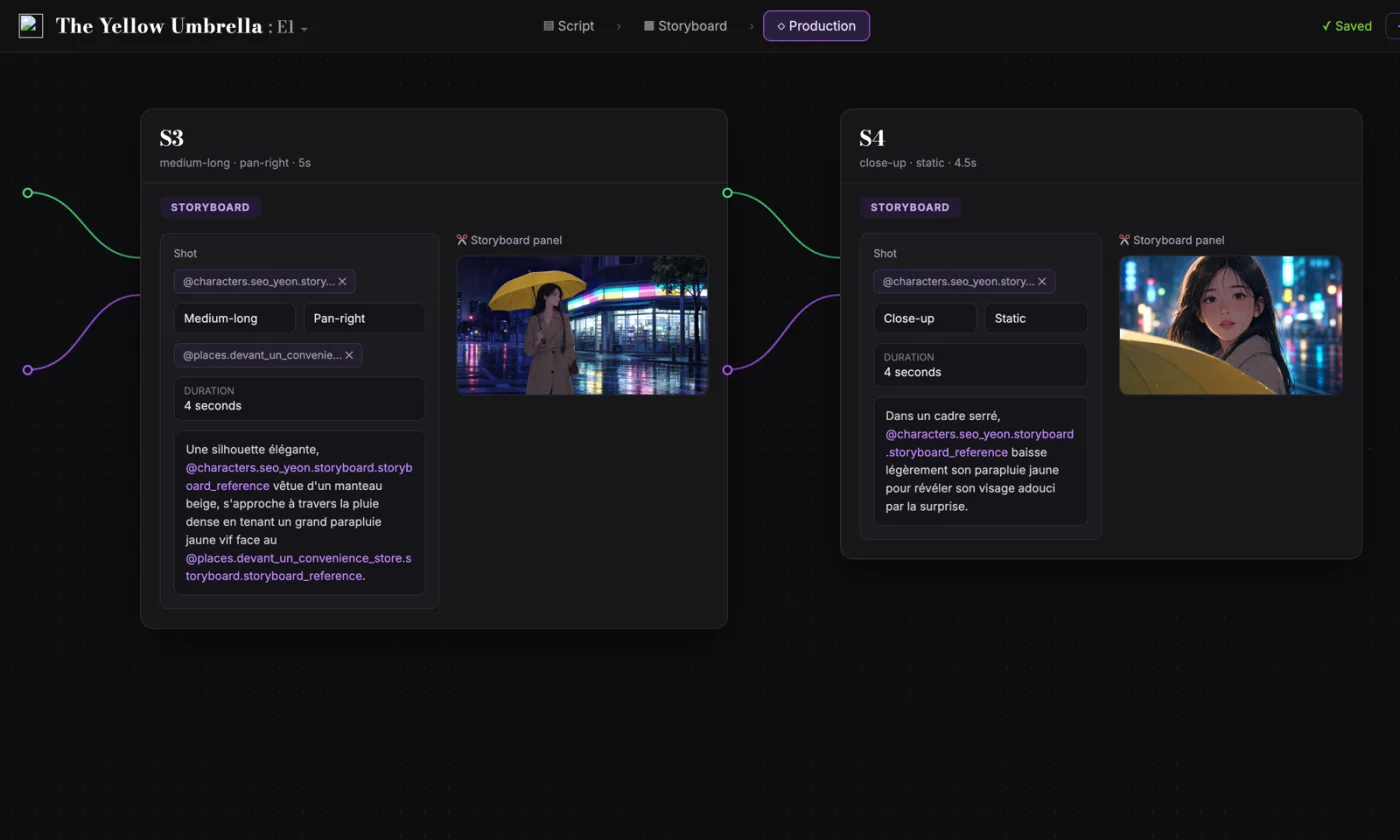
ScreenWeaver आपकी स्क्रीनप्ले का ऑटोमैटिक शॉट ब्रेकडाउन बनाता है, फिर स्टोरीबोर्ड। किरदार, लोकेशन और रेफ़रेंस एक शॉट से दूसरे शॉट तक साथ चलते हैं।
- $0, कभी ख़त्म नहीं होता
- PDF और Final Draft में एक्सपोर्ट
- Mac, Windows, Linux, iPad
फ़्रेंच सीन ब्रेकडाउन: पूरी गाइड
यह चिपकाई गई पटकथा या नाटक को पढ़ता है, सीन और बोलने वालों की मौजूदगी पहचानता है, जहाँ बोलने वालों का समूह बदलता है वहाँ सीन को और बाँट देता है, और CSV एक्सपोर्ट के साथ एक बदलने लायक़ ग्रिड देता है।
इस काम में असली दिक़्क़त साफ़ है: किरदारों की मौजूदगी का जो चार्ट हर निर्देशन पाठ्यक्रम में बनवाया जाता है, वह आज भी हाथ से बनता है, हर किरदार के लिए हाइलाइटर का एक चक्कर। इसे यूँ ही छोड़ दिया जाए तो आगे के चरणों में रगड़ पैदा होती है और फ़ैसले धीमे पड़ जाते हैं। असल लक्ष्य है मौजूदगी की पूरी ग्रिड, फ़्रेंच सीन में बँटी हुई, हर किरदार के योग और हर हिस्से में कलाकारों की संख्या के साथ, रिहर्सल की योजना या कक्षा के काम के लिए तैयार।
यह सीमा याद रखिए: यह मौजूदगी सिर्फ़ संवाद से पहचानता है, इसलिए चुप किरदारों और बिना संवाद वाले प्रवेश के लिए ख़ाना हाथ से लगाना पड़ता है, और अनोखी बनावट नाम वाली पंक्तियाँ पढ़ने वाले से छिपा सकती है।
आगे का इस्तेमाल: निर्देशक ग्रिड को कैलेंडर के साथ जोड़ते हैं: कॉलम को रिहर्सल की बुलावों में बाँटते हैं, हर बुलावे के लिए ज़रूरी कलाकार पंक्तियों से जोड़ते हैं, और सबसे बड़े समूह वाली फ़्रेंच सीन पहले रखते हैं, जब तक सबकी उपलब्धता खुली है।
क़दम दर क़दम तरीक़ा
- पूरा पाठ चिपकाइए, बहुत लंबे नाटकों में एक बार में एक अंक, और पहचाने गए सीन की संख्या अपनी गिनती से मिलाइए।
- ग्रिड पर नज़र डालिए कि कोई किरदार छूटा या जुड़ तो नहीं गया, और जिन चुप मौजूदगियों को आप पाठ से जानते हैं उनके ख़ाने लगाइए।
- मंच पर जगह और बजट के दबाव के लिए कलाकारों की संख्या वाली पंक्ति पढ़िए, और असंतुलन के लिए हर किरदार का योग।
- CSV अपनी निर्देशन पुस्तिका या योजना वाली शीट में एक्सपोर्ट कीजिए और कॉलम को रिहर्सल बुलावों में बाँटिए।
किसके लिए, किस काम में
- निर्देशक: वे सारी फ़्रेंच सीन ढूँढिए जो दो मुख्य किरदार साझा करते हैं, और उनका रिहर्सल खंड एक दोपहर में बना लीजिए।
- स्टेज मैनेजर: अभिनय वाला पाठ चिपकाइए और पहली प्रोडक्शन बैठक से पहले निर्देशक को मौजूदगी का चार्ट थमा दीजिए।
- छात्र: विश्लेषण वाला ब्रेकडाउन मशीन की तरह पूरा कीजिए, फिर लिखिए कि यह ढाँचा क्या बताता है।
आम ग़लतियाँ जिनसे बचिए
- उन किरदारों के लिए संवाद वाली पहचान पर भरोसा करना जो बोलने से ज़्यादा सुनते हैं।
- सिर्फ़ छपी हुई सीन संख्याओं पर काम करना और उनके भीतर के प्रवेश-प्रस्थान छोड़ देना।
- रिहर्सल की तारीख़ें तय करने के बाद चार्ट बनाना, पहले नहीं।
पेशे के आज़माए तरीक़े
- किसी पाठक के करने से पहले अपना ब्रेकडाउन ख़ुद कीजिए; पूरे अंक से ग़ायब मुख्य किरदार नोट्स के पहले पन्ने पर ही सुधारना आसान है।
- रिहर्सल की प्राथमिकता दो कलाकारों की साझा फ़्रेंच सीन की संख्या से तय कीजिए, सीन के क्रम से नहीं।
- हर ड्राफ़्ट का एक एक्सपोर्ट किया CSV रखिए, तो संस्करणों के बीच ढाँचे के बदलाव मिलाए जा सकेंगे।
इस टूल के नतीजे को फ़ैसले में मदद मानिए, लिखाई की जगह नहीं। अच्छी पटकथा अपने ठोस चुनावों, भावनात्मक सटीकता और नाटकीय गति की साफ़गोई से याद रह जाती है। टूल का काम शोर हटाना है, ताकि आपकी ऊर्जा वहाँ लगे जहाँ मायने रखता है: किरदार, टकराव, चढ़ाव और भुगतान। हर दौर के बाद नतीजे दोबारा देखिए और जो बदलाव आपने माने उनका हिसाब रखिए, तो आपका तरीक़ा हर ड्राफ़्ट के साथ तेज़ और ज़्यादा भरोसेमंद होता जाता है। पेशेवर साथी इसी टिकाऊपन को क़ीमत देते हैं: कम चौंकाने वाली बातें, ज़्यादा साफ़ वजहें, और एक पटकथा जो सोच-समझकर आगे बढ़ती है।
विस्तार से सवाल
फ़्रेंच सीन शब्द कहाँ से आया?
सत्रहवीं सदी के फ़्रांसीसी नवशास्त्रीय रंगमंच से, जहाँ छपे हुए पाठ में हर प्रवेश या प्रस्थान पर नई गिनी हुई सीन शुरू होती थी। अंग्रेज़ी परंपरा ने जगह के हिसाब से सीन रखीं पर विश्लेषण के लिए यह फ़्रांसीसी इकाई उधार ले ली, इसलिए यह नाम चला।
निर्देशक इसे रिहर्सल की योजना में कैसे इस्तेमाल करते हैं?
हर फ़्रेंच सीन ठीक-ठीक बताती है कि मंच पर किसकी ज़रूरत है। एक ही समूह वाली फ़्रेंच सीन को एक बुलावे में जोड़ने से कोई कलाकार बेकार नहीं बैठता, इसीलिए स्टेज मैनेजर यह चार्ट पहली योजना बैठक से पहले बनाते हैं।
आम ब्रेकडाउन और फ़्रेंच सीन ब्रेकडाउन में क्या फ़र्क़ है?
आम ब्रेकडाउन पाठ की अपनी सीन विभाजन का पालन करता है (स्लगलाइन या गिनी हुई सीन)। फ़्रेंच सीन ब्रेकडाउन हर प्रवेश और प्रस्थान पर और आगे बाँटता है, इसलिए एक जगह वाली सीन में कई फ़्रेंच सीन हो सकती हैं, हर एक में अलग कलाकार।
क्या यह नाटक और पटकथा दोनों पर चलता है?
हाँ। पटकथाओं के लिए यह INT और EXT स्लगलाइन पढ़ता है (Fountain समेत), और नाटकों के लिए ACT तथा SCENE शीर्षक, और यह छपे नाटकों की पंक्ति में लिखी HAMLET: जैसी शैली और बीच में बड़े अक्षरों वाली नाम पंक्ति, दोनों स्वीकार करता है।
हर सीन में कलाकारों की संख्या क्यों मायने रखती है?
मंच पर बड़े समूह वाली फ़्रेंच सीन सबसे मुश्किल जमती है और बुलाने में सबसे महँगी पड़ती है। फ़िल्म में सबसे चौड़े कॉलम वही दिन होते हैं जब सेट पर सबसे ज़्यादा कलाकार होते हैं। संख्या वाली पंक्ति उस दबाव को हर कॉलम के लिए एक दिखने वाले आँकड़े में बदल देती है।
क्या बना हुआ ब्रेकडाउन बदला जा सकता है?
हाँ। हर ख़ाना क्लिक से बदल जाता है, इसलिए आप चुप किरदार जोड़ सकते हैं या ग़लत नतीजे हटा सकते हैं, और योग, कलाकारों की संख्या तथा CSV एक्सपोर्ट आपके सुधारों के पीछे चलते हैं।
आम सवाल
किसी किरदार के आने या जाने के बीच का घटनाक्रम। जब कोई मंच पर आता या जाता है, तो चालू फ़्रेंच सीन ख़त्म हो जाता है और नया शुरू होता है, चाहे जगह और छपी हुई सीन संख्या वही रहे।
सीन हेडिंग वाली पटकथाएँ (Fountain समेत, जिसमें ज़बरदस्ती बनाई हेडिंग और @ वाले किरदार नाम चलते हैं), अंक और दृश्य के शीर्षक वाले नाटक, और छपे नाटक का पाठ जिसमें «हैमलेट:» या «हैमलेट.» जैसे निशान के बाद संवाद हो। बिना किसी शीर्षक वाला सादा संवाद एक ही सीन माना जाता है।
उपस्थिति संवाद से पहचानी जाती है, इसलिए जो किरदार मंच पर तो है पर उस हिस्से में बोलता नहीं, वह दर्ज नहीं होता। उस ख़ाने पर क्लिक करके उसे जोड़िए; योग, कास्ट आकार और CSV एक्सपोर्ट आपके सुधार के साथ अपडेट हो जाते हैं।
टूल हर सीन के संवाद को बातचीत के चक्रों में बाँटता है और जब बोलने वालों का समूह बदलता है तब नया उपविभाग शुरू करता है, जो किसी के आने या जाने का पाठगत निशान है। यह एक ईमानदार अनुमान है: बिना संवाद वाले आगमन आज भी हाथ से जोड़ने पड़ते हैं।
हाँ। CSV में हर फ़्रेंच सीन का एक कॉलम और हर किरदार की एक पंक्ति है, साथ में योग और कास्ट आकार वाली पंक्ति, इसलिए वह स्प्रेडशीट में चला जाता है जहाँ आप कॉलम को रिहर्सल बुलावों में बाँट सकते हैं और तुरंत देख सकते हैं कि हर बुलावे में कौन-से कलाकार चाहिए।