म्यूज़िक क्यू शीट जनरेटर
वह दस्तावेज़ बनाइए जो कॉपीराइट संस्थाएँ और फ़ेस्टिवल माँगते हैं
यह मुफ़्त म्यूज़िक क्यू शीट जनरेटर वही मानक दस्तावेज़ बनाता है जो कॉपीराइट संस्थाओं को बताता है कि आपकी फ़िल्म में कौन-सा संगीत बजता है, किसने लिखा, कैसे इस्तेमाल हुआ, और कितनी देर। फ़ेस्टिवल या वितरण की सामग्री तैयार करते फ़िल्मकारों, संगीतकारों और पोस्ट सुपरवाइज़र के लिए।
कॉपीराइट संस्थाएँ (ASCAP, BMI, SESAC, SOCAN, PRS) संगीतकारों और प्रकाशकों को रॉयल्टी सीधे क्यू शीट से चुकाती हैं, इसलिए वितरक और फ़ेस्टिवल इसे ज़रूरी सामग्री में गिनते हैं। हर क्यू के साथ इस्तेमाल का प्रकार लिखा जाता है, क्योंकि इस्तेमाल रॉयल्टी का वज़न बदल देता है: संस्थाओं के फ़ॉर्मूलों में परदे पर दिखता और शीर्षक वाला इस्तेमाल आम तौर पर पृष्ठभूमि से ज़्यादा चुकाता है। टाइमकोड घंटे:मिनट:सेकंड में लिखे जाते हैं, क्योंकि संस्थाएँ संगीत को अवधि से गिनती हैं, फ़्रेम से नहीं।
सब कुछ आपके ब्राउज़र में चलता है और स्थानीय रूप से अपने आप सहेजा जाता है। कोई क्यू डेटा, संपर्क जानकारी या प्रोडक्शन ब्योरा किसी सर्वर पर नहीं भेजा जाता।
हर क्यू के लिए एक पंक्ति, बजने के क्रम में। अवधि शुरू और अंत के टाइमकोड से निकलती है।
आपकी क्यू शीट इसी ब्राउज़र में अपने आप सहेजी जाती है, इसलिए टैब बंद करके बाद में लौट सकते हैं।
कुल संगीत अवधि
00:00:00
1 में से 0 क्यू के टाइमकोड सही हैं और कुल में गिने गए हैं।
यह कैसे काम करता है
प्रोडक्शन की जानकारी भरिए, फिर हर संगीत क्यू के लिए एक पंक्ति जोड़िए: नाम, संगीतकार, प्रकाशक, प्रस्तुतकर्ता, कॉपीराइट संस्था, इस्तेमाल का प्रकार, और शुरू तथा अंत के टाइमकोड। टूल हर टाइमकोड जाँचता है, हर क्यू की अवधि निकालता है, और कुल संगीत समय जोड़ देता है। PDF एक्सपोर्ट शीट को आड़ी तालिका के रूप में लगाता है और जानकारी ऊपर रखता है, वही रूप जिसकी संगीत निगरानी और वितरक उम्मीद करते हैं; CSV एक्सपोर्ट सीधे Excel या Google Sheets में खुलता है, उन प्रोडक्शनों के लिए जो क्यू शीट में रखते हैं।
क्यू शीट कैसे भरें, और इसे सचमुच कौन पढ़ता है
फ़ेस्टिवल की क्यू शीट कोई काग़ज़ी औपचारिकता नहीं है। जब आपकी फ़िल्म दिखाई या प्रसारित होती है, तो हॉल या चैनल उस प्रस्तुति की सूचना कॉपीराइट संस्थाओं को देता है, और वे आपके संगीतकार को उसी क्यू शीट से भुगतान करती हैं जो दर्ज है। क्यू शीट न हो तो रॉयल्टी नहीं मिलती, इसीलिए संगीतकार प्रोडक्शन से इसे दाख़िल कराने पर ज़ोर देते हैं और वितरक इसके बिना सामग्री लौटा देते हैं।
इस्तेमाल वाला कॉलम उतना मामूली नहीं जितना पहली बार निर्माण करने वाले समझते हैं। संवाद के नीचे बजता पृष्ठभूमि वाद्य संगीत, परदे पर दिखते गायन से कम रॉयल्टी वज़न रखता है, और मुख्य तथा अंतिम शीर्षक की थीम का अपना वज़न होता है। हर क्यू को पृष्ठभूमि बता देना, क्योंकि वही डिफ़ॉल्ट है, एक आम ग़लती है जो सालों के प्रदर्शन में संगीतकार को असली पैसा चुका देती है।
टाइमकोड लॉक हुई तस्वीर से लेने चाहिए, कार्यक्रम की शुरुआत से घं:मि:से में। संस्थाएँ अवधि से गिनती हैं, इसलिए ढीले या ग़ायब अंत बिंदुओं वाली क्यू शीट संगीत को कम गिन लेती है। यह जनरेटर आपके लिए हर अवधि और कुल निकालता है, सामग्री फ़ोल्डर के लिए PDF देता है, और एक CSV भी, ताकि वही डेटा वितरक के अपने साँचे में भी डाला जा सके जब वे अपना ही रूप चाहें।
यह किसके लिए है
- स्वतंत्र निर्माता वितरण की सूची में संगीत वाला काग़ज़ पूरा कीजिए, बिना एक प्रोजेक्ट के लिए संगीत निगरानी सॉफ़्टवेयर ख़रीदे।
- संगीतकार प्रोडक्शन को तैयार क्यू शीट दीजिए जिसमें आपकी कॉपीराइट संस्था और प्रकाशक सही दर्ज हों, ताकि रॉयल्टी सचमुच आप तक पहुँचे।
- पोस्ट सुपरवाइज़र लॉक हुई तस्वीर के टाइमकोड पर क्यू दर्ज कीजिए और PDF तथा CSV दोनों निकालिए, ताकि फ़ेस्टिवल की सामग्री और भीतरी रिकॉर्ड एक जैसे रहें।
स्क्रिप्ट से शॉट्स तक,एक ही जगह।
ScreenWeaver आपकी स्क्रीनप्ले का ऑटोमैटिक शॉट ब्रेकडाउन बनाता है, फिर स्टोरीबोर्ड। किरदार, लोकेशन और रेफ़रेंस एक शॉट से दूसरे शॉट तक साथ चलते हैं।
- $0, कभी ख़त्म नहीं होता
- PDF और Final Draft में एक्सपोर्ट
- Mac, Windows, Linux, iPad
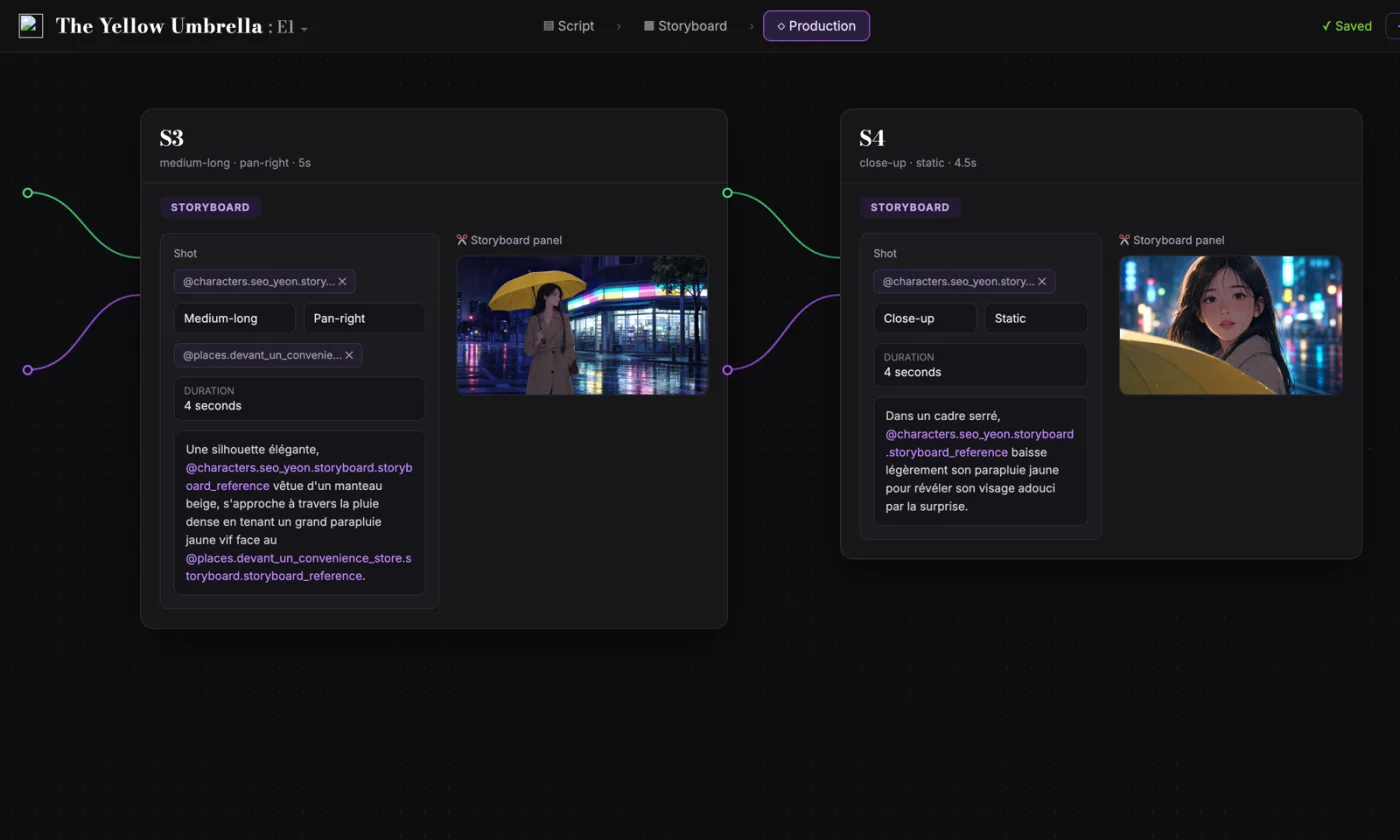
म्यूज़िक क्यू शीट जनरेटर: पूरी गाइड
यह प्रोडक्शन का हेडर और हर संगीत क्यू के लिए एक पंक्ति दर्ज करता है (शीर्षक, संगीतकार, प्रकाशक, कलाकार, कॉपीराइट संस्था, इस्तेमाल का प्रकार, शुरू और अंत के टाइमकोड), हर क्यू और कुल की अवधि निकालता है, और चौड़े पन्ने वाला PDF या CSV एक्सपोर्ट करता है।
इस काम में असली दिक़्क़त साफ़ है: क्यू शीट एक ज़रूरी डिलीवरेबल है जिससे कॉपीराइट संस्थाएँ संगीतकारों को रॉयल्टी देती हैं, फिर भी ज़्यादातर प्रोडक्शन उसे बनाए बिना डिलीवरी तक पहुँच जाते हैं और संगीत के समय याददाश्त से जोड़ते हैं। इसे यूँ ही छोड़ दिया जाए तो आगे के चरणों में रगड़ पैदा होती है और फ़ैसले धीमे पड़ जाते हैं। असल लक्ष्य है एक पूरी, सही ढंग से बनी म्यूज़िक क्यू शीट, जिसमें जाँचे हुए टाइमकोड, निकाली हुई अवधियाँ, और डिलीवरी पैकेट के लिए तैयार PDF तथा CSV हों।
यह सीमा याद रखिए: यह न लेखकों के बीच के हिस्से जाँचता है, न प्रकाशक इकाइयाँ, न किसी डेटाबेस से कॉपीराइट संस्था का पंजीकरण, और यह फ़्रेम तक सटीक टाइमकोड के बजाय HH:MM:SS में चलता है, जो संस्थाओं के चलन से मेल खाता है पर EDL से नहीं।
आगे का इस्तेमाल: पोस्ट टीमें लॉक की गई तस्वीर के सामने शीट भरती हैं, CSV अपने डिलीवरी ट्रैकर में एक्सपोर्ट करती हैं, और जब भी संस्करण बदलने से कोई समय खिसके तो PDF दोबारा निकालती हैं, ताकि फ़ेस्टिवल पैकेट और भीतरी रिकॉर्ड एक जैसे रहें।
क़दम दर क़दम तरीक़ा
- पहले प्रोडक्शन हेडर भरिए: शीर्षक, एपिसोड, कंपनी, संपर्क, और प्रसारण या रिलीज़ की तारीख़, ठीक वैसे जैसे जमा की गई शीट पर दिखने चाहिए।
- क्यू बजने के क्रम में जोड़िए, शुरू और अंत के टाइमकोड लॉक तस्वीर से लेकर, और अवधि टूल को निकालने दीजिए।
- हर क्यू का इस्तेमाल प्रकार सोच-समझकर चुनिए (पृष्ठभूमि, परदे पर दिखता, शुरुआती शीर्षक, अंतिम शीर्षक), क्योंकि इस्तेमाल से रॉयल्टी का वज़न बदलता है।
- डिलीवरेबल फ़ोल्डर के लिए PDF और अपने ट्रैकर के लिए CSV एक्सपोर्ट कीजिए, और हर सूचीबद्ध संगीतकार तथा प्रकाशक को प्रति भेजिए।
किसके लिए, किस काम में
- निर्माता: संगीत पर्यवेक्षण सॉफ़्टवेयर के बिना वितरक की डिलीवरेबल सूची में क्यू शीट वाली पंक्ति निपटाइए।
- संगीतकार: ऐसी शीट दीजिए जिसमें आपकी कॉपीराइट संस्था और प्रकाशक सही दर्ज हों, ताकि रॉयल्टी आप तक पहुँचे।
- पोस्ट पर्यवेक्षक: लॉक तस्वीर के सामने क्यू दर्ज कीजिए और संस्करण बदलते रहने पर भी PDF तथा CSV एक जैसे रखिए।
आम ग़लतियाँ जिनसे बचिए
- हर क्यू को डिफ़ॉल्ट रूप से पृष्ठभूमि का वाद्य संगीत मान लेना, जिससे परदे पर दिखते संगीत और शीर्षक संगीत का वज़न कम आँका जाता है।
- तस्वीर लॉक होने से पहले शीट बनाना, जिससे सारे समय खिसक जाते हैं और जमा की गई शीट तैयार फ़िल्म से मेल नहीं खाती।
- प्रकाशक या कॉपीराइट संस्था के खाने ख़ाली छोड़ देना, जिससे संगीतकार का श्रेय सही होने पर भी रॉयल्टी का बँटवारा अटक जाता है।
पेशे के आज़माए तरीक़े
- शीट उसी हफ़्ते भरिए जिसमें तस्वीर लॉक हो, जब सत्र की फ़ाइलें और संगीत लाइसेंस अब भी आपकी मेज़ पर खुले हों।
- हर सह-संगीतकार को उसकी अपनी कॉपीराइट संस्था के साथ लिखिए; हिस्से का झगड़ा संस्था के चरण पर पकड़ में आए तो महीनों लगते हैं।
- कुल संगीत अवधि पास रखिए: वितरक कभी-कभी उसे उसी पैकेट के लाइसेंस की शर्तों से मिलाकर देखते हैं।
इस टूल के नतीजे को फ़ैसले में मदद मानिए, लिखाई की जगह नहीं। अच्छी पटकथा अपने ठोस चुनावों, भावनात्मक सटीकता और नाटकीय गति की साफ़गोई से याद रह जाती है। टूल का काम शोर हटाना है, ताकि आपकी ऊर्जा वहाँ लगे जहाँ मायने रखता है: किरदार, टकराव, चढ़ाव और भुगतान। हर दौर के बाद नतीजे दोबारा देखिए और जो बदलाव आपने माने उनका हिसाब रखिए, तो आपका तरीक़ा हर ड्राफ़्ट के साथ तेज़ और ज़्यादा भरोसेमंद होता जाता है। पेशेवर साथी इसी टिकाऊपन को क़ीमत देते हैं: कम चौंकाने वाली बातें, ज़्यादा साफ़ वजहें, और एक पटकथा जो सोच-समझकर आगे बढ़ती है।
विस्तार से सवाल
शॉर्ट फ़िल्म के लिए क्यू शीट कैसे भरूँ?
बिल्कुल फ़ीचर की तरह, बस छोटी: प्रोडक्शन हेडर, फिर हर क्यू के लिए एक पंक्ति, जिसमें शीर्षक, संगीतकार, प्रकाशक, कलाकार, कॉपीराइट संस्था, इस्तेमाल का प्रकार, और लॉक कट से लिए शुरू तथा अंत के टाइमकोड हों। तीन क्यू वाली शॉर्ट को भी इसकी ज़रूरत है अगर वह फ़ेस्टिवल में जाएगी या वितरक के ज़रिए स्ट्रीम होगी।
किस इस्तेमाल प्रकार पर सबसे ज़्यादा रॉयल्टी मिलती है?
वज़न हर संस्था में अलग होता है, पर परदे पर दिखता गायन और उभारकर रखा संगीत आम तौर पर पृष्ठभूमि से ऊपर रहते हैं, और शुरुआती तथा अंतिम शीर्षक के थीम का अपना ऊँचा वज़न होता है। इसीलिए इस्तेमाल वाले कॉलम पर सचमुच ध्यान देना चाहिए, कोई डिफ़ॉल्ट मान नहीं।
अगर मैंने सिर्फ़ लाइब्रेरी संगीत इस्तेमाल किया तो भी क्यू शीट चाहिए?
हाँ। लाइब्रेरी के ट्रैक के भी संगीतकार और प्रकाशक होते हैं जो प्रदर्शन रॉयल्टी लेते हैं, और आपने जो लाइसेंस लिया है वह लगभग निश्चित रूप से क्यू शीट जमा करना ज़रूरी बनाता है। लाइब्रेरी की मेटाडेटा शीट में आम तौर पर वही सटीक लेखक और प्रकाशक नाम होते हैं जो भरने हैं।
कॉपीराइट संस्था क्या है और कौन सी लिखूँ?
यह संस्था लेखकों और प्रकाशकों के लिए प्रदर्शन रॉयल्टी वसूलती है: भारत में IPRS, अमेरिका में ASCAP, BMI और SESAC, कनाडा में SOCAN, ब्रिटेन में PRS। वही लिखिए जिससे हर संगीतकार और प्रकाशक सचमुच जुड़ा है; यह उनका पंजीकरण है, प्रोडक्शन की पसंद नहीं।
टाइमकोड कितने सटीक होने चाहिए?
सेकंड तक, लॉक तस्वीर पर कार्यक्रम की शुरुआत से नापे हुए। संस्थाएँ संगीत का श्रेय फ़्रेम की जगह के बजाय अवधि से देती हैं, इसलिए HH:MM:SS मानक है। सबसे ज़रूरी यह है कि शुरू, अंत और अवधि आपस में मेल खाएँ और दी गई संस्करण से आएँ।
क्या वितरक को PDF की जगह CSV भेज सकते हैं?
ज़्यादातर वितरक ढंग से बना PDF चाहते हैं, और कुछ अपना ही साँचा माँगते हैं। काम की तरकीब यह है कि दोनों रखिए: PDF डिलीवरेबल के तौर पर, और CSV ताकि वही पंक्तियाँ किसी भी साँचे में कुछ मिनटों में चिपकाई जा सकें।
आम सवाल
किसी फ़िल्म या एपिसोड के हर संगीत टुकड़े का ब्योरा: क्यू का नाम, संगीतकार, प्रकाशक, प्रस्तुतकर्ता, कॉपीराइट संस्था, इस्तेमाल का प्रकार और समय। कॉपीराइट संस्थाएँ इसी से प्रदर्शन रॉयल्टी बाँटती हैं, और वितरक तथा फ़ेस्टिवल इसे मानक सामग्री के रूप में माँगते हैं।
पृष्ठभूमि संगीत सुनाई देता है पर उसका स्रोत सीन का हिस्सा नहीं होता, जैसे संवाद के नीचे बजता संगीत। परदे पर दिखते इस्तेमाल का मतलब है कि प्रस्तुति दिखती है या उसका स्रोत साफ़ है, जैसे सीन में बजाता कोई बैंड। भुगतान के फ़ॉर्मूलों में दिखते इस्तेमाल का वज़न आम तौर पर ज़्यादा होता है।
कई माँगते हैं, और लगभग सारे वितरक तथा चैनल माँगते ही हैं। यह आम तौर पर संवाद स्क्रिप्ट और संगीत लाइसेंस के साथ सामग्री सूची में होती है। तस्वीर लॉक होते वक़्त इसे तैयार करने में एक घंटा लगता है; एक साल बाद याद से बनाना वही है जिसका निर्माता अफ़सोस करते हैं।
कार्यक्रम की शुरुआत से घंटे, मिनट और सेकंड (घं:मि:से), हर क्यू के लिए एक शुरू और एक अंत। फ़्रेम आम तौर पर छोड़ दिए जाते हैं, क्योंकि संस्थाएँ संगीत को सेकंड की अवधि से गिनती हैं, फ़्रेम की जगह से नहीं।
परंपरा से प्रोडक्शन कंपनी इसे तैयार करके दाख़िल करती है, अक्सर चैनल या वितरक के ज़रिए, पर असल में संगीतकार ही इसके पीछे पड़ते हैं, क्योंकि उनकी रॉयल्टी इसी पर टिकी है। कोई भी दाख़िल करे, उसमें दर्ज हर संगीतकार और प्रकाशक को एक प्रति मिलनी चाहिए।