Day Out of Days जनरेटर
कास्ट की शेड्यूलिंग के लिए मुफ़्त ग्रिड जनरेटर
अपने शूटिंग दिन और कलाकारों की सूची तय कीजिए, फिर SW, W, H और WF कोड लगाने के लिए ख़ानों पर क्लिक कीजिए: यह जनरेटर वही मानक कास्ट शेड्यूल ग्रिड बनाता है जो पहले सहायक निर्देशक और प्रोडक्शन मैनेजर आम तौर पर Excel साँचों या Movie Magic Scheduling जैसे महँगे सॉफ़्टवेयर से लेते हैं। योग, अवधि और जाँच आपके क्लिक के साथ अपडेट होते रहते हैं, और तैयार दस्तावेज़ CSV में निकलता है।
Day out of days रिपोर्ट पूरे शेड्यूल में हर कलाकार का काम का ढर्रा दिखाती है: वह कब काम शुरू करता है (SW), किन दिनों काम करता है (W), किन दिनों वेतन पर रोका जाता है (H), और कब उसका काम ख़त्म होता है (WF)। कास्टिंग निर्देशक इसे अनुबंध के साथ लगाते हैं, प्रोडक्शन मैनेजर लगातार रोज़गार के नियमों के हिसाब से लागत निकालते हैं, और कलाकारों के एजेंट तारीख़ें तय करने से पहले इसे देखते हैं।
सब कुछ आपके ब्राउज़र में चलता है और स्थानीय रूप से अपने आप सहेजा जाता है। कोई कलाकार का नाम या शेड्यूल डेटा किसी सर्वर पर नहीं भेजा जाता।
कलाकारों के नंबर स्क्रिप्ट ब्रेकडाउन से आते हैं, जिसमें 1 आम तौर पर मुख्य भूमिका होती है। 40 तक कलाकार जोड़ सकते हैं।
किसी भी ख़ाने पर क्लिक करके मुख्य कोड बदलिए: ख़ाली, SW, W, H, WF, SWF। किसी ख़ाने से Tab दबाकर पूरी सूची खोलिए, जिसमें रिहर्सल (R) और यात्रा (T) भी हैं।
| किरदार | दिन 1 | दिन 2 | दिन 3 | दिन 4 | दिन 5 | दिन 6 | दिन 7 | दिन 8 | दिन 9 | दिन 10 | काम | रोक | अवधि |
|---|---|---|---|---|---|---|---|---|---|---|---|---|---|
| 1कलाकार 1 | 0 | 0 | 0 | ||||||||||
| 2कलाकार 2 | 0 | 0 | 0 | ||||||||||
| काम पर कलाकार | 0 | 0 | 0 | 0 | 0 | 0 | 0 | 0 | 0 | 0 | |||
SWStart Work: कलाकार का सेट पर पहला दिन।
WWork: शुरू और अंत के बीच का सामान्य कार्य दिवस।
HHold: वेतन सूची में है पर शूट नहीं कर रहा। लगातार रोज़गार के नियमों के तहत भुगतान होता है।
WFWork Finish: कलाकार का आख़िरी कार्य दिवस।
SWFStart Work Finish: उसी दिन शुरू और ख़त्म (एक दिन का कलाकार)।
RRehearsal: रिहर्सल का दिन, कार्य दिवसों से अलग गिना जाता है।
TTravel: यात्रा का दिन, कार्य दिवसों से अलग गिना जाता है।
रिपोर्ट का सारांश
कलाकार: 2
शूटिंग दिन: 10
कुल कार्य दिवस: 0
कुल रोक के दिन: 0
जाँच
कोई गड़बड़ी नहीं मिली। हर शेड्यूल किए कलाकार का एक शुरू, एक अंत है, और अवधि से बाहर कुछ नहीं।
यह कैसे काम करता है
पंक्तियाँ कलाकार हैं, कॉलम शूटिंग दिन, और हर ख़ाने में एक स्थिति कोड रहता है। जनरेटर हर पंक्ति के लिए कार्य दिवस (SW, W, WF, SWF), रोक के दिन (H) और शुरू से अंत तक की अवधि गिनता है, साथ ही यह भी कि हर दिन कितने कलाकार काम पर हैं। जाँच लगातार चलती रहती है और वही देखती है जो सहायक निर्देशक हाथ से देखता है: हर कलाकार का एक शुरू, एक अंत, और अवधि से बाहर कुछ भी नहीं। ग्रिड को Excel या Google Sheets के लिए CSV में निकालिए, या पाठ वाला सारांश सीधे किसी प्रोडक्शन ईमेल में चिपकाइए।
Day out of days रिपोर्ट क्या है और इसे कौन पढ़ता है
यह वह एक पन्ना है जहाँ पूरे कास्ट का शेड्यूल एक नज़र में दिखता है। पहला सहायक निर्देशक इसे शेड्यूल बोर्ड से बनाता है, प्रोडक्शन मैनेजर इसकी लागत निकालता है, कास्टिंग निर्देशक इसे अनुबंध के साथ लगाते हैं, और एजेंट अपने कलाकारों के दस्तख़त से पहले इसे देखते हैं। ज़्यादातर प्रोडक्शन इसे आज भी Excel साँचे में या Movie Magic Scheduling जैसे लाइसेंस वाले सॉफ़्टवेयर में रखते हैं; यह मुफ़्त जनरेटर वही ग्रिड देता है, बिना लाइसेंस और बिना सीखने की झंझट के।
इन कोड के पीछे पैसा है। अमेरिकी कलाकार संघों के लगातार रोज़गार के नियमों के तहत कलाकार को SW से WF तक भुगतान होता है, बीच के हर H दिन समेत, इसलिए जो शेड्यूल किसी कलाकार के तीन सीन तीन हफ़्तों में बिखेर दे, वह रोक के दिनों का भी भुगतान करता है, चाहे कैमरा चले या न चले। इसीलिए सहायक निर्देशक हर कलाकार की अवधि छोटी करने के लिए बोर्ड की पट्टियाँ इधर-उधर करते हैं, और इसीलिए किसी कलाकार को छोड़कर बाद में दोबारा लेने की परंपरा मौजूद है।
यह रिपोर्ट शेड्यूल बोर्ड से निकलती है: शूटिंग का क्रम बदलिए और हर शुरू, अंत तथा रोक उसके साथ खिसक जाती है, इसीलिए तैयारी के दौरान इसे बार-बार बनाया जाता है। चूँकि यह जनरेटर पूरी तरह आपके ब्राउज़र में चलता है और स्थानीय रूप से अपने आप सहेजता है, आप कुछ मिनटों में कई शेड्यूल आज़मा सकते हैं, देख सकते हैं कि हर रूप रोक के दिनों पर क्या असर डालता है, और जब कोई ड्राफ़्ट बाँटने लायक लगे तब CSV डाउनलोड कर सकते हैं।
यह किसके लिए है
- पहले सहायक निर्देशक और प्रोडक्शन मैनेजर तैयारी के दौरान कास्ट शेड्यूल बनाइए और तुलना कीजिए, बिना किसी शॉर्ट फ़िल्म या छोटी फ़ीचर के लिए पूरा शेड्यूलिंग सॉफ़्टवेयर ख़रीदे।
- कास्टिंग निर्देशक और समन्वयक उपलब्धता पर बात करते वक़्त एजेंटों को शुरू, काम, रोक और अंत के दिनों का साफ़ ग्रिड दीजिए।
- फ़िल्म छात्र और स्वतंत्र निर्माता पहली प्रोडक्शन मीटिंग से पहले असली कास्ट ग्रिड पर SW, WF और रोक के कोड पढ़ना सीखिए।
स्क्रिप्ट से शॉट्स तक,एक ही जगह।
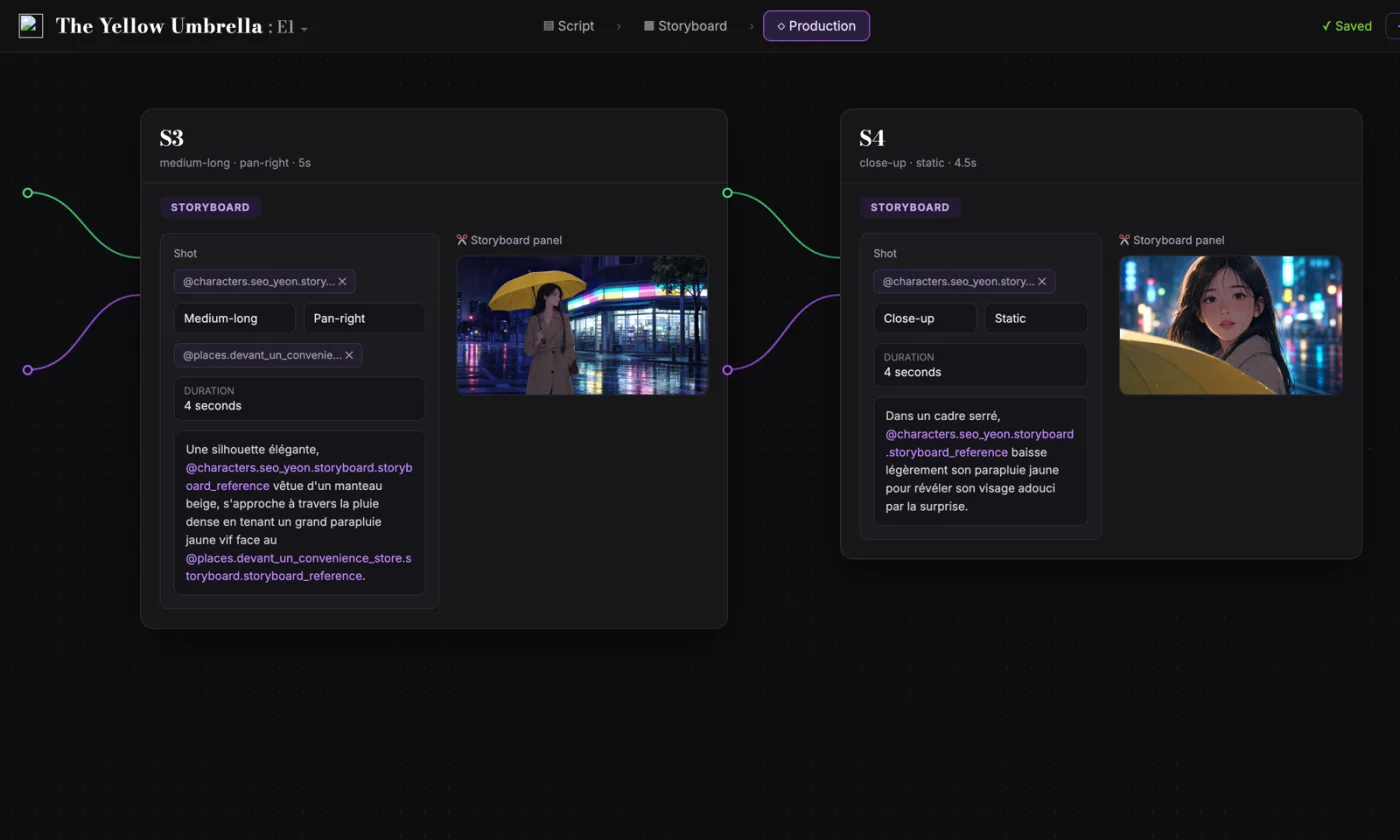
ScreenWeaver आपकी स्क्रीनप्ले का ऑटोमैटिक शॉट ब्रेकडाउन बनाता है, फिर स्टोरीबोर्ड। किरदार, लोकेशन और रेफ़रेंस एक शॉट से दूसरे शॉट तक साथ चलते हैं।
- $0, कभी ख़त्म नहीं होता
- PDF और Final Draft में एक्सपोर्ट
- Mac, Windows, Linux, iPad
कलाकारों की दिन-वार तालिका बनाने वाला टूल: पूरी गाइड
यह ब्राउज़र में मानक दिन-वार रिपोर्ट बनाता है: हर कलाकार की एक पंक्ति, हर दिन का एक कॉलम, हर ख़ाने में SW/W/H/WF/SWF/R/T कोड, पंक्ति और दिन के अपने-आप बनते योग, और ऐसी जाँच जो ग़ायब शुरुआत, दो बार समाप्ति, या अवधि से बाहर पड़े कोड पकड़ लेती है।
इस काम में असली दिक़्क़त साफ़ है: कलाकारों की दिन-वार तालिका आम तौर पर कमज़ोर एक्सेल साँचों या महँगे शेड्यूलिंग सॉफ़्टवेयर में रहती है, इसलिए छोटे प्रोडक्शन उसे छोड़ देते हैं और महँगे इंतज़ार के दिन बहुत देर से पकड़ में आते हैं। इसे यूँ ही छोड़ दिया जाए तो आगे के चरणों में रगड़ पैदा होती है और फ़ैसले धीमे पड़ जाते हैं। असल लक्ष्य है जाँची हुई कलाकार तालिका, जिसमें हर कलाकार के काम, इंतज़ार और कुल अवधि के योग हों, और जिसे शेड्यूल पक्का होने से पहले एक्सपोर्ट करके बाँटा जा सके।
यह सीमा याद रखिए: यह न अनुबंध पढ़ता है न भुगतान गिनता है; यह दिन और कोड सँभालता है, इसलिए यूनियन के नियम, जैसे drop and pickup की पात्रता, अब भी लागू समझौते के सामने इंसानी जाँच माँगते हैं।
आगे का इस्तेमाल: तजुर्बेकार सहायक निर्देशक हर शेड्यूल ड्राफ़्ट पर एक तालिका बनाते हैं, संस्करणों के बीच इंतज़ार के कुल दिन मिलाते हैं, और किसी एजेंट को फ़ोन करने से पहले उसी अंतर को पट्टियाँ दोबारा जमाने की दलील बनाते हैं।
क़दम दर क़दम तरीक़ा
- शूटिंग के दिनों की संख्या तय कीजिए और तारीख़ के लेबल जोड़िए, ताकि कॉलम आपके कैलेंडर से मेल खाएँ।
- ब्रेकडाउन से कलाकार संख्या और किरदारों के नाम भरिए, मुख्य भूमिकाएँ पहले।
- हर पंक्ति पर चलिए: पहले काम वाले दिन SW, काम वाले दिनों पर W, भुगतान वाले इंतज़ार पर H, आख़िरी दिन WF, और रिहर्सल तथा यात्रा के लिए पूरी सूची इस्तेमाल कीजिए।
- जाँच की चेतावनियाँ सुधारिए, फिर CSV डाउनलोड कीजिए या प्रोडक्शन ऑफ़िस के लिए सारांश कॉपी कीजिए।
किसके लिए, किस काम में
- पहला सहायक निर्देशक: बोर्ड बदलने के बाद हर बार तालिका दोबारा बनाइए और जाँचिए कि किसी कलाकार की अवधि चुपचाप एक हफ़्ते नहीं बढ़ गई।
- प्रोडक्शन मैनेजर: हर कलाकार के इंतज़ार के दिन जोड़िए और तारीख़ें पक्की करने से पहले हर शेड्यूल विकल्प का दाम निकालिए।
- कास्टिंग निर्देशक: एजेंटों को धुँधली तारीख़ों की रेंज के बजाय शुरुआत, काम, इंतज़ार और समाप्ति की साफ़ तालिका भेजिए।
आम ग़लतियाँ जिनसे बचिए
- शुरुआत और समाप्ति के बीच के हर दिन को W लिख देना, असली काम के दिनों को इंतज़ार से अलग करने के बजाय।
- शेड्यूल बदलने के बाद किसी कलाकार को दो शुरुआतें या दो समाप्तियाँ दे देना, जिससे अवधि का गणित बिगड़ जाता है।
- तैयारी के वक़्त एक बार तालिका बनाना और बोर्ड हिलने पर उसे दोबारा कभी न बनाना।
पेशे के आज़माए तरीक़े
- बचत ढूँढते वक़्त अवधि से छाँटिए, कलाकार संख्या से नहीं: सबसे लंबी अवधियाँ सबसे ज़्यादा इंतज़ार छिपाती हैं।
- एक दिन की भूमिकाओं पर SWF खुलकर इस्तेमाल कीजिए; एक दिन की बुकिंग तभी एक दिन की पड़ती है जब वह उसी दिन शुरू और ख़त्म हो।
- जहाँ हो सके, रोज़ काम करने वाले कलाकारों की पंक्ति 10 से नीचे रखिए; भारी कास्ट वाले दिन कवरेज धीमी करते हैं और आराम के नियम का ख़तरा बढ़ाते हैं।
इस टूल के नतीजे को फ़ैसले में मदद मानिए, लिखाई की जगह नहीं। अच्छी पटकथा अपने ठोस चुनावों, भावनात्मक सटीकता और नाटकीय गति की साफ़गोई से याद रह जाती है। टूल का काम शोर हटाना है, ताकि आपकी ऊर्जा वहाँ लगे जहाँ मायने रखता है: किरदार, टकराव, चढ़ाव और भुगतान। हर दौर के बाद नतीजे दोबारा देखिए और जो बदलाव आपने माने उनका हिसाब रखिए, तो आपका तरीक़ा हर ड्राफ़्ट के साथ तेज़ और ज़्यादा भरोसेमंद होता जाता है। पेशेवर साथी इसी टिकाऊपन को क़ीमत देते हैं: कम चौंकाने वाली बातें, ज़्यादा साफ़ वजहें, और एक पटकथा जो सोच-समझकर आगे बढ़ती है।
विस्तार से सवाल
प्रोडक्शन में यह तालिका कौन बनाता है?
आम तौर पर पहला सहायक निर्देशक या प्रोडक्शन समन्वयक इसे शूटिंग बोर्ड से बनाता है, और प्रोडक्शन मैनेजर लागत के नज़रिए से देखता है। छोटी शूटिंग में निर्माता अक्सर तीनों काम करता है, और ठीक तभी एक मुफ़्त टूल अपनी जगह बना लेता है।
यह तालिका कब पक्की करनी चाहिए?
यह पूरी तैयारी के दौरान चलती रहती है और सिर्फ़ शूटिंग शेड्यूल के साथ पक्की होती है, आम तौर पर आख़िरी प्रोडक्शन बैठक के बाद। कलाकारों के अनुबंध इसी का हवाला देते हैं, इसलिए देर से बदलाव का मतलब है एजेंटों को फ़ोन।
SAG-AFTRA अनुबंध में drop and pickup क्या है?
यह प्रोडक्शन को किसी कलाकार को छोड़कर बाद में दोबारा लेने देता है, लंबे अंतराल में इंतज़ार के पैसे देने के बजाय। फ़ीचर समझौतों में आम तौर पर हर कलाकार के लिए एक बार, वह भी एक तय लंबाई के अंतराल के बाद, इसलिए यह चाक़ू है, आदत नहीं।
इसका शूटिंग बोर्ड से क्या रिश्ता है?
बोर्ड सीनों की शूटिंग का क्रम तय करता है; यह तालिका उसी क्रम का कलाकारों वाला नतीजा है। हर खिसकी हुई पट्टी किसी की शुरुआत, समाप्ति या इंतज़ार बदल देती है, इसलिए दोनों दस्तावेज़ हमेशा साथ पढ़े जाते हैं।
क्या यह Movie Magic Scheduling की जगह ले लेता है?
शॉर्ट, छोटी फ़ीचर या छात्र फ़िल्म पर, तालिका के लिए हाँ। Movie Magic उसके आसपास और भी करता है: शूटिंग बोर्ड, ब्रेकडाउन शीट, रिपोर्ट। यह टूल कलाकार तालिका सँभालता है, मुफ़्त और ब्राउज़र में।
एजेंट इस तालिका में क्या देखते हैं?
शुरुआत और समाप्ति की तारीख़, बीच में कितने इंतज़ार के दिन हैं, और क्या यह अवधि दूसरी बुकिंग से टकराती है। कम इंतज़ार वाली कसी हुई अवधि पर सौदा ढीली अवधि के मुक़ाबले जल्दी बनता है।
आम सवाल
SW यानी Start Work, कलाकार का सेट पर पहला दिन। W सामान्य कार्य दिवस है, H रोक का दिन, और WF यानी Work Finish, आख़िरी दिन। SWF का मतलब है कि कलाकार उसी दिन शुरू और ख़त्म करता है। R रिहर्सल दिखाता है और T यात्रा, दोनों कार्य दिवसों से अलग गिने जाते हैं।
रोक (H) वह दिन है जो कलाकार के शुरू और अंत के बीच आता है, जब वह शूट नहीं कर रहा पर वेतन सूची में बना रहता है। लगातार रोज़गार के नियम ज़्यादातर अनुबंधों में SW से WF तक हर दिन का भुगतान माँगते हैं, इसलिए रोक के दिन असली बजट पंक्तियाँ हैं, मुफ़्त अंतराल नहीं।
हाँ। यह पूरी तरह आपके ब्राउज़र में चलता है, बिना रजिस्ट्रेशन, बिना वॉटरमार्क और बिना एक्सपोर्ट की सीमा के। आपका ग्रिड आपके अपने डिवाइस पर अपने आप सहेजा जाता है और कुछ भी किसी सर्वर पर अपलोड नहीं होता।
बना सकते हैं: कलाकार पंक्तियों में, दिन कॉलम में, ख़ानों में कोड, और योग के लिए COUNTIF सूत्र। यह टूल वही काम करता है, पर कोड, योग और जाँच पहले से जुड़े हुए, और फिर एक CSV देता है जो सीधे Excel या Google Sheets में खुलता है।
40 कलाकार और 60 शूटिंग दिन तक, जो ज़्यादातर फ़ीचर और हर शॉर्ट फ़िल्म के लिए काफ़ी है। इससे बड़ा बोर्ड चाहिए तो CSV हिस्सों में निकालिए और स्प्रेडशीट में जोड़ लीजिए।