怎么用这个页面
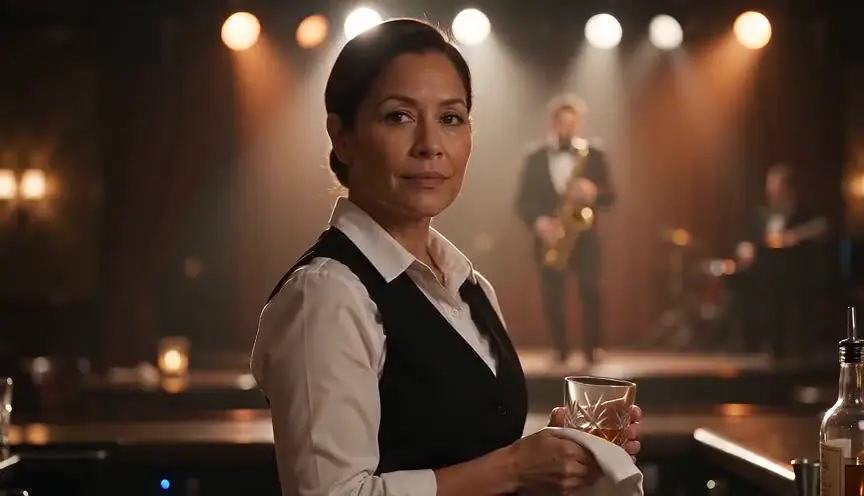
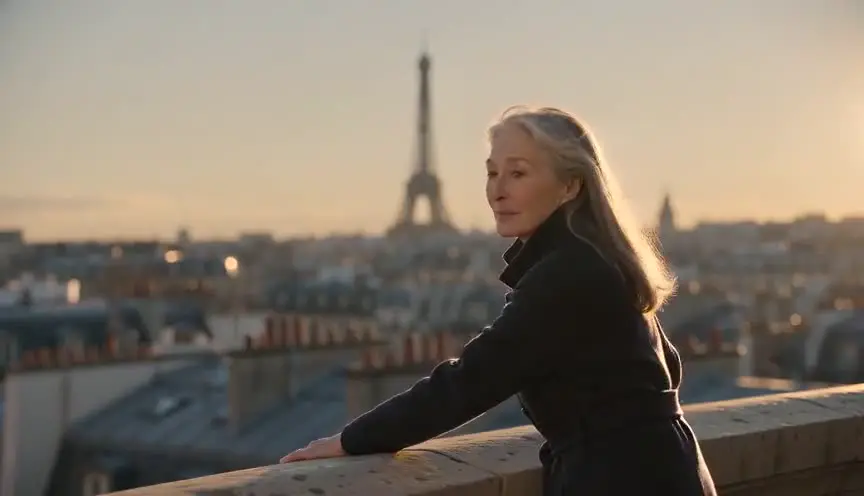
找到和你这个瞬间所需信息量相匹配的取景,复制它的提示词片段,然后放在 AI 提示词的最前面,在主体和动作之前,因为模型给靠前的词更高权重。每个片段都用了行业标准术语加上一句大白话锚定(「从腰部往上取景」),即使模型对术语的理解偏松,也能把它拉回来。每张卡片上的示例展示了这个片段放进完整提示词后的样子。
电影和 AI 视频生成中的景别
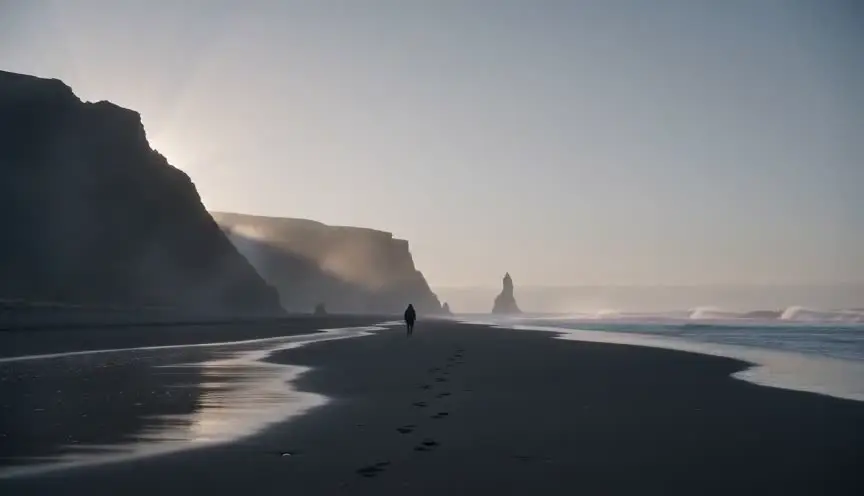
景别序列是电影行业最古老的共同词汇:大远景、远景、全景、牛仔景、中景、中近景、近景、大特写,再加上用于物件的插入镜头。全世界的剧组都用这些词来画分镜、列镜头表、指导拍摄,这也正是那些在有描述的素材上训练出来的 AI 模型能听懂它们的原因。
相邻两种景别之间真正的差别,在于什么还留在画面里。中景保住手势;中近景用手势换来表情;近景用体态换来微表情。要的景别比这个瞬间所需的宽一档或窄一档,正是 AI 生成的对白镜头常常显得太远或太逼人的原因。
当景别有意识地交替时,一段序列才读得出专业感:用远景建立空间,用中景演这场戏,用近景落下转折,当道具推动情节时切到插入镜头。带着这种纪律去生成 AI 镜头,剪出来的片段会像真正的现场覆盖,而不是一堆互不相连的画面。
适合谁
- 用 AI 做电影的人 直接要你计划好的那个取景,而不是一遍遍重生成直到裁切碰巧对了。
- 电影专业学生 用它在银幕上实际呈现的样子来学景别序列,所有景别都落在同一个对象上。
- 导演和分镜师 共享同一份视觉参考,让分镜、镜头表和 AI 提示词讲同一套景别语言。
Shot Size Guide: the complete guide
It visualizes the complete framing scale, extreme wide to extreme close-up plus the insert shot, on the same subject, each with the copy-paste prompt fragment for AI video and image generation.
For this workflow, the central problem is clear: shot sizes are learned from written definitions, so creators prompt 'medium shot' expecting a close-up and storyboard frames that do not match what the terms mean on set. Left unresolved, this creates downstream friction and slower decisions. The practical target is you see exactly where every framing cuts the body, and copy the prompt phrasing that produces that exact framing in AI models.
Limitation to keep in mind: Framings are conventions, not laws: a 'medium shot' cut point varies slightly between productions, and AI models interpret the terms with the same small variance.
Advanced workflow: Directors plan coverage by alternating sizes deliberately: wide to establish, medium for dialogue, close-up for the turn. Prompting AI shots with the same discipline produces sequences that cut together like real coverage.
Step-by-Step Workflow
- Identify the framing your moment needs: how much body, how much environment, how much face.
- Copy the prompt fragment and lead your AI prompt with it, before subject and action.
- Expand the example to see the framing used in a complete, well-ordered prompt.
- Plan sequences by alternating sizes the way real coverage does: wide, medium, close, insert.
Use Cases By Profile
- AI filmmaker: prompt the exact framing you storyboarded instead of regenerating until it looks right.
- Film student: internalize the framing scale visually, the way it reads in a frame, not a glossary.
- Storyboard artist: share a common size vocabulary with directors and AI pipelines alike.
Common Mistakes To Avoid
- Prompting 'close-up' when the moment needs chest-up body language: that is a medium close-up.
- Jumping from extreme wide to extreme close-up with nothing between, which cuts feel jarring.
- Forgetting the insert shot: story-critical props deserve their own framing, not a corner of a wide.
Professional Best Practices
- Lead the prompt with the size ('medium shot of...') - models weight early tokens more heavily.
- The cowboy shot is the secret weapon for confrontation scenes: power without losing the hands.
- For dialogue coverage, generate matching MCU pairs of both characters for clean shot-reverse-shot.
Treat this tool output as a decision support layer, not a replacement for authorship. Great scripts are remembered for specific choices, emotional precision, and clarity of dramatic movement. Tools help by removing noise so your energy can go where it matters: character, conflict, escalation, and payoff. If you review outcomes after each pass and keep an explicit log of accepted changes, your workflow becomes faster and more predictable from draft to draft. That consistency is exactly what professional collaborators value: fewer surprises, clearer rationale, and a script that evolves with intent.
Extended FAQ
What are the standard camera shot sizes?
The classic scale runs extreme wide shot, wide shot, full shot, cowboy (medium wide), medium shot, medium close-up, close-up, and extreme close-up, plus the insert shot for object details. Each one is visualized on this page with its AI prompt.
What is the difference between a medium shot and a close-up?
A medium shot cuts at the waist and keeps gesture and body language in frame; a close-up fills the frame with the face and cuts around the shoulders. Between them sits the medium close-up, cut at the chest.
What is a cowboy shot?
A framing that cuts at mid-thigh, named for westerns that needed the gun holster visible. It reads as a power framing: taller than a medium shot, with hands and hips still in play.
Do shot size terms work in AI video prompts?
Yes, all major models (Veo, Sora, Runway, Kling, Seedance) understand standard framing vocabulary. Lead the prompt with the size term for the most reliable results, since models weight early words more heavily.
What is an insert shot?
A tight detail shot of an object or action rather than a face: a key turning, a letter, hands on a keyboard. Inserts carry plot information and give the edit room to breathe.
How do I choose the right shot size?
Ask how much context the moment needs. Environment and geography want wides, dialogue wants mediums, emotion wants close-ups, and story-critical objects want inserts. Sequences work best when sizes alternate deliberately, like real coverage.