大写词提取器

从全大写词中提取道具、人物和音效清单

在标准剧本格式里,人物的首次登场、音效以及重要道具,都会在动作段落中用全大写标出。

粘贴你的剧本。工具会扫描文本,把每一个全大写的词提取到一份干净、按字母排序的清单里,让你快速建立人物名单、道具拆解和音效清单,用于改稿或筹备。

工作原理

一个正则表达式会找出每一个完全大写且至少有 3 个字母的词(因此单个字母会被忽略)。结果去重后按 A 到 Z 排序。全部在你的浏览器里运行,没有任何数据被发送到服务器。

Capitalization Extractor: the complete guide

It captures all-caps terms quickly so production-relevant entities are visible without manual scanning.

For this workflow, the central problem is clear: important all-caps entities are easy to miss manually when scripts are long or rapidly changing. Left unresolved, this creates downstream friction and slower decisions. The practical target is faster extraction of characters, props, and effects candidates for downstream breakdown tasks.

Limitation to keep in mind: It does not classify ambiguous entries by itself; terms still need contextual tagging.

Advanced workflow: Merge the extracted list with department columns and cost flags to create a production-risk heatmap per draft.

Step-by-Step Workflow

  1. Extract all all-caps terms from the current draft before starting production tagging.
  2. Classify each entry into character, prop, SFX, VFX, or environment buckets.
  3. Merge naming variants and remove accidental formatting noise.
  4. Use the cleaned list as a seed for department-level breakdown sheets.

Use Cases By Profile

  • Writer: verify character and prop introductions are consistent.
  • Coordinator: seed multi-department breakdown templates.
  • Producer: surface expensive elements earlier in budgeting talks.

Common Mistakes To Avoid

  • Assuming all all-caps terms belong to one category.
  • Forgetting to normalize near-duplicate labels.
  • Skipping context review for ambiguous terms.

Professional Best Practices

  • Store category tags directly in your spreadsheet baseline.
  • Re-extract after each major draft to catch new entities early.
  • Flag costly entries for producer review immediately.

Treat this tool output as a decision support layer, not a replacement for authorship. Great scripts are remembered for specific choices, emotional precision, and clarity of dramatic movement. Tools help by removing noise so your energy can go where it matters: character, conflict, escalation, and payoff. If you review outcomes after each pass and keep an explicit log of accepted changes, your workflow becomes faster and more predictable from draft to draft. That consistency is exactly what professional collaborators value: fewer surprises, clearer rationale, and a script that evolves with intent.

Extended FAQ

Does all-caps extraction classify categories automatically?

No. It extracts candidates quickly; contextual categorization still requires human review.

How do I reduce false positives?

Normalize script formatting and remove decorative caps that are not production entities.

Can this support budget prep?

Yes. Tagged outputs can highlight costly elements early for producer visibility.

When should I rerun extraction?

After every major draft revision that introduces scenes, props, cast, or effects changes.

Is this useful for indie production?

Absolutely. It reduces manual admin overhead when team capacity is limited.

What is the fastest downstream workflow?

Export list, tag by department, mark risk/cost level, then review in production sync.

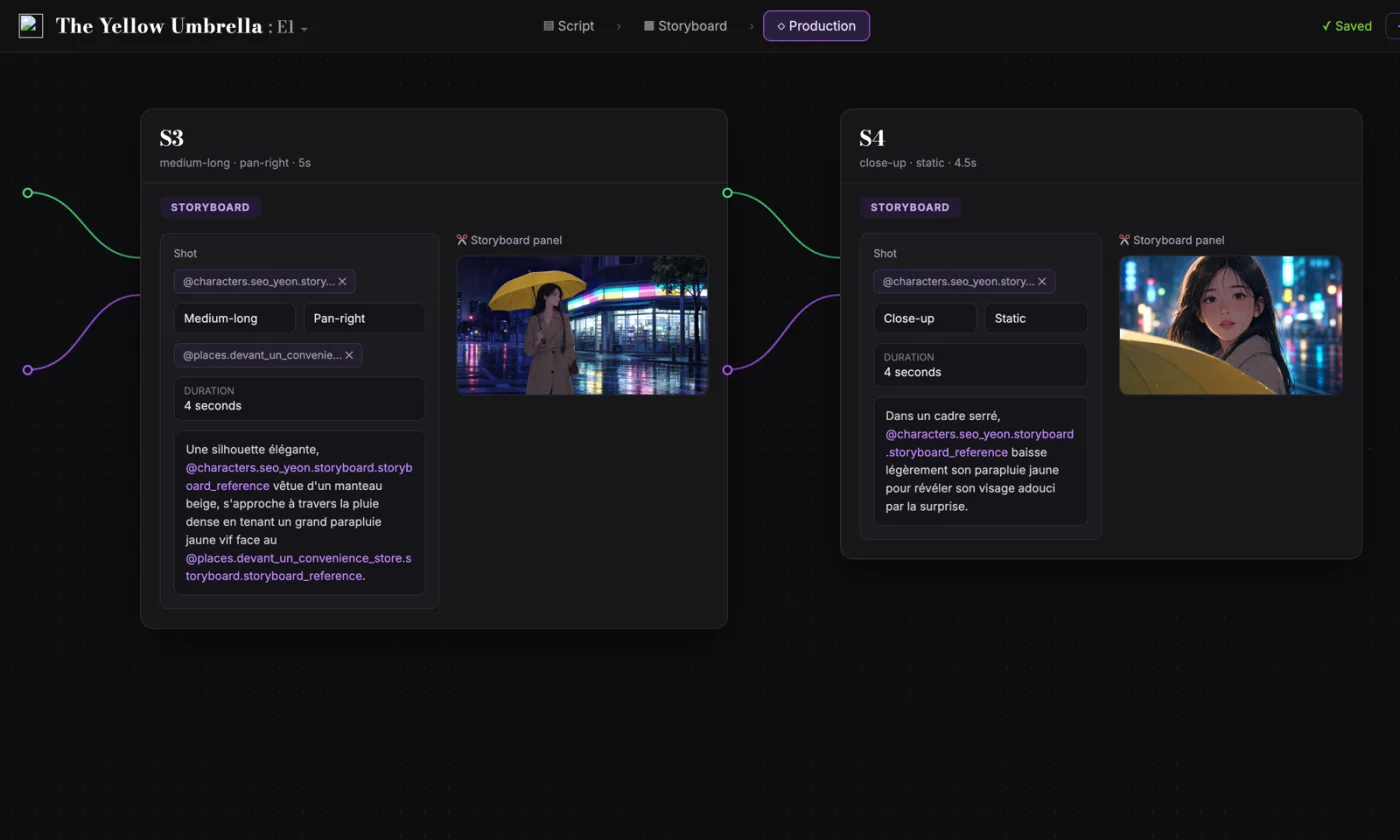
Preview of ScreenWeaver visual timeline and script rhythm

从拆解清单到完整结构

ScreenWeaver 让你的大纲、人物和剧本始终同步。用这个工具做快速清单,然后带着一张会动的幕、节拍与场次地图去建你的项目。

了解 ScreenWeaver