剧本格式检查器
在线免费检查你的剧本格式
粘贴你的剧本或载入一个 .fountain 或 .txt 文件,这个免费的格式检查器就会对场景标题、人物名、对白和括号提示跑大约 17 项结果确定的检查。每一条结果都带着行号、出问题的那段文字,以及一句话的修改建议。为正在准备参赛、投稿和发给制片方的写作者而造。
剧本读者会因为格式而退稿,因为格式是流程质量的信号。规则本身其实很简单:场景标题全大写、以标准前缀开头、以时间收尾;人物名全大写写在对白上方;括号提示用括号包住;投稿本里不写场次号,也不写摄影机指示。这个工具检查的就是这套语法,和 WriterDuet 那个收费的格式检查功能做的是同一件事,只是它不要钱,而且把找到的一切都报告出来。
全部在你的浏览器里运行,你的剧本从不离开它。这个检查器只报告,从不改动一个字。格式规则是语法,而语法可以用机器来查。留在一场戏里的是什么,那是品味,那个决定归你。
把剧本粘到上面或载入一个文件,就能看到格式报告。
工作原理
检查器把你文本里的每一行归类为场景标题、人物名、括号提示、对白或动作,用的是 Fountain 和专业编剧软件共同依赖的那套惯例。然后它对每类元素跑基于规则的检查:场景标题的大写和时间、人物名的长度和拼写一致性、对白块的结构,以及贯穿整份文档的卫生检查,比如制表符、连续空格和摄影机指示。结果被分成错误(读者会注意到)、警告(细心的读者会注意到)和提示(值得看一眼,但不是规则)。什么都不会被改写。你拿到一份报告,改什么由你决定。
为什么格式错误会让剧本被退
剧本读者要处理成堆的投稿,而格式是第一道筛子,因为它最便宜。一个小写的场景标题,或者一个人物名后面接着另一个人物名,并不会让你的故事变差,但它告诉读者你还没把这一行的惯例内化,而这个预判会给后面每一页都染上颜色。投稿之前跑一遍格式检查器,是把这类噪音去掉,让阅读回到写作本身。
这些规则来自一个物理标准:US Letter 纸、Courier 12、为装订留的 3.8 厘米左边距、每页大约 55 行。正是这套版式,让一页大致对应一分钟银幕时间,也正是它让页边距和行距的偏移变得要紧。当这个工具的密度提示说你估算的一页装了 400 字时,真正实际的问题是你的导出设置是否符合标准,而不是你的文笔是不是太稠。
投稿本和拍摄本遵循不同的规则,把两者混在一起是最常见的格式错误之一。场次号、「切至」这类转场、「我们看到」和「镜头对准」属于制作文件,在那里场记确实需要它们。而在一份投稿稿里,它们读起来就像写作者在纸上抢着当导演。像这样的检查会把它们标成提示,因为出现几处是选择,出现三十处就是习惯。
适合谁
- 投比赛和申请扶持的人 把这个检查器当成投稿清单里的格式那一步,让 Nicholl 或 Austin 的读者永远看不到一个本可以修好的场景标题错误。
- 用纯文本或 Fountain 写作的人 在转成 PDF 或导入 Final Draft 之前,先确认你的标记能被干净地解析。
- 剧本统筹和助理 在稿子进入拆解或分发之前,先抓出不一致的人物名拼写和残留的制表符。
不用再调页边距,格式已经内置。
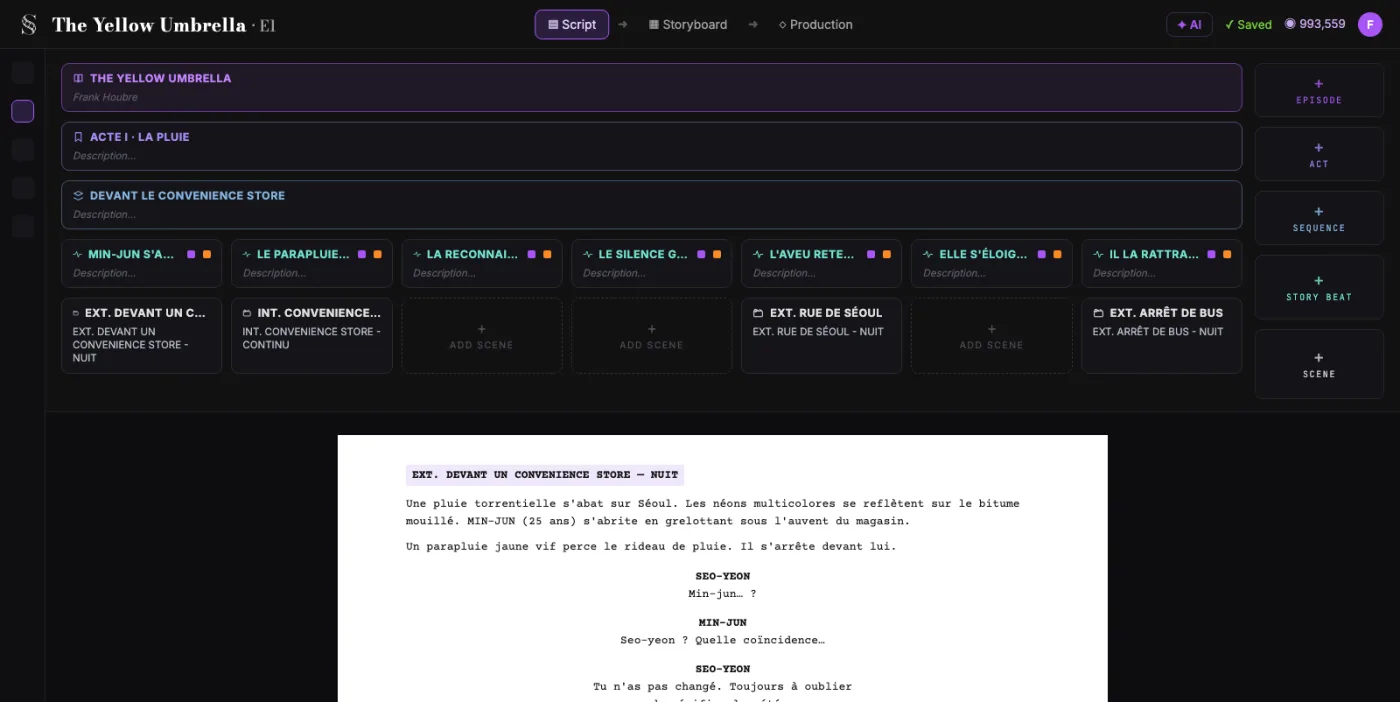
ScreenWeaver 采用行业标准剧本格式,可导出 PDF 和 Final Draft(.fdx)。免费,页数不限。
- 0 美元,永不过期
- 导出 PDF 和 Final Draft
- Mac、Windows、Linux、iPad
剧本格式检查器:完整指南
它把每一行归为场景标题、人物名、括号提示、对白或动作,然后跑大约 17 项规则检查:场景标题的大写和时段、人物名的长度和拼写一致性、孤立的括号提示、制表符、双空格、镜头指示,以及 spec 稿里的场次编号。
这类工作的核心问题很清楚:剧本因为作者从没看见的格式错误被淘汰或压低评分,因为在读者判断故事之前,格式先替他判断了这个人的工作方式。不解决,它就会在后面的环节制造摩擦,让决策变慢。实际要达到的是一份带行号的报告,列出错误、警告和提示,每一条都配一句具体的改法,让稿子在机械层面干干净净地寄出去。
需要记住的限制:它查的是语法,不是品味。它判断不了一段长台词是否配得上这个长度、一个大胆的格式选择是不是有意为之、或者这段写作成不成立;它只报告读者会机械注意到的东西,也从不替你改写。
进阶用法:团队把它当成投递前的关卡:每一稿导出 PDF 之前先跑一遍,警告在笔记文档里分类处理,人物名拼写的发现汇成一份权威名单,供拆解和修订共用。
一步步怎么做
- 粘贴你的剧本,或者加载 .fountain、.txt 文件;报告在浏览器里立刻生成,什么都不上传。
- 先修错误:小写的场景标题、人物名下面没有对白,这些是读者在第一页就会看到的。
- 接着逐条看警告;缺少时段有时候是故意省掉的 CONTINUOUS。
- 提示留到最后看,把它们当问题而不是规则:8 行的长台词或者一个 WE SEE,如果是有意的就留着。
按角色分的使用场景
- 编剧:在比赛截止前把所有可修的格式错误清干净,让读者去判断故事,而不是判断页边距。
- 剧本统筹:在稿子进入拆解软件之前,抓出前后不一的人物拼写和乱入的制表符。
- Fountain 用户:在转 PDF 或导入 Final Draft 之前,确认纯文本标记能被干净地解析。
常见的坑
- 把提示当成错误,删掉有意的选择,比如一行专门用来表现音效的全大写。
- 在 PDF 上修而不是在源文件上修,于是同样的错误在下次导出时又回来了。
- 以为报告干净就等于剧本准备好了,而结构和节奏根本没被检查过。
行业里的做法
- 每一轮大改之后都跑一遍,不要只在投递前跑;格式的走样是在改稿过程中溜进来的。
- 用人物名拼写检查建立一份权威名单,之后从名单里粘贴,而不是每次重打。
- 把报告复制成文本,和这一稿存在一起,这样你能说明哪些提示是你有意接受的。
把这个工具的输出当成决策的辅助,而不是写作本身的替代。一个好剧本被记住,靠的是具体的选择、准确的情绪,以及戏剧动作的清晰。工具的作用是把噪音去掉,让你的精力落到真正要紧的地方:人物、冲突、升级和兑现。每过一轮就回看一次结果,把接受的改动记下来,你的工作方式会一稿比一稿更快、更可预期。这种稳定正是专业合作者看重的东西:意外更少,理由更清楚,剧本朝着有意识的方向长。
延伸问答
怎么免费在线检查剧本格式?
把剧本粘进这个检查器,或者加载 .fountain、.txt 文件。它在你的浏览器里跑大约 17 项规则检查,返回一份按严重程度分组的报告,每条都有行号和一句改法。不用注册,不上传,不收费。
最常见的剧本格式错误有哪些?
小写或不完整的场景标题、人物名下面没有对白、孤立的括号提示、同一人物前后拼写不一致,以及制表符和双空格这类卫生问题。spec 稿里的镜头指示和场次编号紧随其后。
比赛会因为格式错误淘汰剧本吗?
很少因为单一错误就淘汰,但读者打分时会把格式算进去,因为它预示工作方式的质量。满是机械错误的剧本一开局就带着劣势,而有些比赛确实会因为明显不合规而取消资格,比如字体不对或缺少标准要素。
spec 稿和拍摄稿的格式有什么区别?
spec 稿是拿来卖故事的:没有场次编号、极少转场、没有镜头指示。拍摄稿是制作文件:场次编号、CUT TO: 转场,以及给剧组的技术说明。这个工具按 spec 的惯例检查,并把拍摄稿的标记列为提示。
剧本用什么字体和页边距?
US Letter 上的 Courier 12 磅,左边距 1.5 英寸留给装订,其余大约 1 英寸,这样一页大约 55 行。正因为这套标准,一页才大致对应一分钟银幕时间,这也是这个工具会检查每页字数密度的原因。
格式校验器能取代剧本软件吗?
不能。WriterDuet、Fade In 或 Final Draft 这类软件在你打字时就强制排版;校验器审计的是已经写好的文本。你用纯文本或 Fountain 写作时用它,或者在投递前把它当作独立的第二意见。
常见问题
零错误零警告意味着机械层面是干净的:场景标题、人物名、括号提示和卫生检查全都通过了。这个工具没法判断品味、节奏,也没法判断某个大胆的格式选择是不是有意为之,所以请把一份干净的报告当成必要条件,而不是充分条件。
支持。它能读 .fountain 和 .txt 文件,理解 Fountain 的惯例,比如以点开头的强制场景标题和井号之间的场次号,并会跳过封面块。从任何编辑器粘过来的普通剧本文本,处理方式完全一样。
不会。它只报告带行号的结果和建议的改法。这种检查不带虚假的权威:工具告诉你读者会标出什么,改什么由你决定。你的文本仍然和你粘进来时一模一样。
错误违反的是硬性惯例,比如小写的场景标题,或者一个后面没有对白的人物名。警告是细心的读者会注意到的东西,比如缺了时间,或者一个孤零零的括号提示。提示则是值得复看的判断题,比如一段 8 行的台词,或者投稿稿里的摄影机指示。
不会。所有检查都在你的浏览器里运行,没有服务器、没有账号、也没有任何网络请求。载入 .fountain 或 .txt 文件用的是浏览器的本地文件读取,所以剧本从不离开你的机器。