ตัวสร้างวงกลมเรื่องเล่า
8 ขั้นของแดน ฮาร์มอนพร้อมเลขหน้าเป้าหมายสำหรับเรื่องของคุณ
ตัวสร้างวงกลมเรื่องเล่าฟรีนี้จับโครงสร้าง 8 ขั้นของแดน ฮาร์มอนให้ตรงกับความยาวจริงของบทคุณ กรอกจำนวนหน้า (หรือความยาวเป็นนาที) เขียนหนึ่งบรรทัดให้แต่ละขั้นทั้งแปด แล้วรับบีตชีตที่มีเลขหน้าเป้าหมายที่คำนวณแล้ว จุดกึ่งกลาง และเส้นแบ่งระหว่างขาลงกับขากลับ สร้างมาเพื่อคนเขียนบททีวี คนเขียนบทหนังยาว และใครก็ตามที่วางโครงเรื่องด้วยวงกลมเรื่องเล่าของฮาร์มอน
ฮาร์มอนบีบอัดมหากาพย์วีรบุรุษของโจเซฟ แคมป์เบลล์ให้เหลือแปดขั้นที่เขานำกลับมาใช้ได้ทุกสัปดาห์ในห้องเขียนบททีวี ได้แก่ คุณ ต้องการ ไป ค้นหา เจอ จ่าย กลับ เปลี่ยน แต่ละขั้นกินราวหนึ่งในแปดของเรื่อง ตัวละครข้ามเข้าสู่สิ่งที่ไม่คุ้นเคยหลังขั้นที่ 2 ตกถึงก้นบึ้งที่จุดกึ่งกลางหลังขั้นที่ 4 แล้วกลับบ้านในสภาพที่เปลี่ยนไป ถ้าคุณกำลังวางโครงหนังยาวตามแบบของเบลก สไนเดอร์ เครื่องคำนวณบีตชีต Save the Cat ของเราจัดการเวอร์ชัน 15 บีตให้ ส่วนเครื่องมือนี้มีไว้สำหรับวงกลม
ทุกอย่างทำงานในเบราว์เซอร์ของคุณ โน้ตของแต่ละขั้นบันทึกอัตโนมัติในเบราว์เซอร์นี้เท่านั้นและไม่เคยถูกส่งไปยังเซิร์ฟเวอร์ใด
ไม่บังคับ เขียนหนึ่งถึงสองบรรทัดต่อขั้นสำหรับเรื่องของคุณ สิ่งที่คุณพิมพ์จะถูกใส่ลงในบีตชีตด้านล่างและบันทึกเป็นร่างในเบราว์เซอร์นี้
บีตชีตวงกลมเรื่องเล่าของคุณ
- 1. คุณหน้า 1-14
ตัวละครในเขตสบายใจ วางว่าเราติดตามใครและโลกปกติของเขาหน้าตาเป็นอย่างไร
- 2. ต้องการหน้า 15-28
แต่เขาต้องการบางอย่าง ระบุความปรารถนาที่กิจวัตรไม่อาจเติมเต็ม ไม่ว่าจะพูดออกมาหรือไม่
- 3. ไปหน้า 29-41
เขาเข้าสู่สถานการณ์ที่ไม่คุ้นเคย ตัวละครข้ามธรณีประตูและถอยกลับได้ยาก
- 4. ค้นหาหน้า 42-55
เขาปรับตัวเข้ากับโลกใหม่ ลองผิดลองถูกและผ่านบททดสอบ ตัวละครเรียนรู้กฎด้วยวิธีที่ยากลำบาก
จุดกึ่งกลางที่ 55 คือก้นบึ้งของวงกลม ขาลง (ขั้น 1 ถึง 4) จบตรงนี้และขากลับ (ขั้น 5 ถึง 8) เริ่มต้น
- 5. เจอหน้า 56-69
เขาได้สิ่งที่ต้องการ เป้าหมายสำเร็จ แต่แทบไม่เคยหน้าตาเหมือนที่ตัวละครจินตนาการไว้
- 6. จ่ายหน้า 70-83
เขาจ่ายราคาที่แพงเพื่อมัน ต้นทุนของรางวัลมาถึง และตัวละครสูญเสียบางอย่างที่จริงแท้
- 7. กลับหน้า 84-96
เขากลับสู่สถานการณ์ที่คุ้นเคย ตัวละครมุ่งกลับไปยังจุดเริ่มต้น โดยแบกสิ่งที่เกิดขึ้นติดตัวไปด้วย
- 8. เปลี่ยนหน้า 97-110
โดยที่เปลี่ยนไปแล้ว แสดงให้เห็นว่าโลกเก่ากับตัวละครอ่านออกมาต่างไปอย่างไรตอนนี้ วงกลมปิดตรงที่มันเปิด
วิธีการทำงาน
ตัวสร้างจะแบ่งความยาวรวมของคุณเป็นแปดช่วงเท่า ๆ กัน หนึ่งช่วงต่อหนึ่งขั้น แล้วปัดขอบเขตให้เป็นหน้าเต็ม แปดช่วงจึงปูทับบทของคุณได้พอดี ขั้น 1 ถึง 4 เป็นขาลง (จากระเบียบสู่ความโกลาหล) ขั้น 5 ถึง 8 เป็นขากลับ โดยจุดกึ่งกลางถูกตรึงไว้ที่ปลายของขั้นที่ 4 โน้ตของแต่ละขั้นจะถูกใส่ลงในบีตชีต สิ่งที่คุณคัดลอกหรือพิมพ์ออกมาจึงเป็นโครงเรื่องของคุณเอง ไม่ใช่แม่แบบวงกลมเปล่า ๆ
วงกลมเรื่องเล่าของแดน ฮาร์มอนทำงานอย่างไร
ฮาร์มอนสร้างวงกลมเรื่องเล่าขึ้นสำหรับวิกิของ Channel 101 แล้วต่อมาใช้มันใน Community และ Rick and Morty เขาเอาการเดินทางของวีรบุรุษของแคมป์เบลล์มาตัดให้เหลือแปดก้าว แล้ววาดมันเป็นหน้าปัดนาฬิกา เลข 1 อยู่ด้านบน จุดกึ่งกลางอยู่ด้านล่าง ครึ่งบนคือระเบียบ โลกที่ตัวละครรู้จัก ครึ่งล่างคือความโกลาหล โลกที่เขาไม่รู้จัก ทุกตอนคือการเดินหนึ่งรอบบนหน้าปัดนั้น ซึ่งคือเหตุผลที่ 8 ขั้นของฮาร์มอนวนกลับมาบรรจบตรงที่โครงสร้างหนังยาวจบลง ตัวละครกลับสู่ตำแหน่งเริ่มต้นในสภาพที่เปลี่ยนไป และพร้อมจะเดินอีกรอบในสัปดาห์ถัดไป
ครึ่งวงสำคัญกว่าขั้นทีละขั้น การข้ามจากขั้น 2 ไปขั้น 3 คือการข้ามธรณีประตูสู่โลกที่ไม่คุ้นเคย ส่วนการข้ามจากขั้น 6 ไปขั้น 7 คือการไต่กลับขึ้นมา ในหนังยาว 110 หน้า แต่ละขั้นได้ราว 14 หน้า และในตอนความยาว 22 นาที แต่ละขั้นได้ 2 ถึง 3 นาที ซึ่งคือเหตุผลที่ใบงานวงกลมเรื่องเล่าใบเดียวกันใช้ได้กับทั้งสองแบบ วงกลมเป็นเครื่องมือเชิงสัดส่วน การคำนวณปรับขนาดได้ แต่ลำดับการทำงานไม่เปลี่ยน
วงกลมเรื่องเล่ากับการเดินทางของวีรบุรุษต่างกันที่ระดับความละเอียดเป็นหลัก มหากาพย์ของแคมป์เบลล์มี 17 ขั้นและใช้คำศัพท์เชิงตำนาน ส่วนตัวอ่อนของโครงเรื่องของฮาร์มอนเก็บรูปทรงขาลงกับขากลับเดิมไว้ในระดับความละเอียดที่ห้องเขียนบทจำได้ในหัวเมื่อบ่ายวันอังคาร ถ้าคุณอยากได้เวอร์ชันหนังยาวที่มีชื่อบีตกับเลขหน้า ใช้เครื่องคำนวณบีตชีต Save the Cat ของเรา ซึ่งคำนวณ 15 บีตของเบลก สไนเดอร์ให้กับจำนวนหน้าเท่าใดก็ได้ ใช้วงกลมตอนที่คุณกำลังปั้นความต้องการและการเปลี่ยนแปลงของตัวละคร และใช้บีตชีตตอนที่คุณกำลังวางเหตุการณ์ของโครงเรื่อง
เหมาะกับใคร
- คนเขียนบททีวี วางโครงตอนหนึ่งเป็นหนึ่งรอบของวงกลม พร้อมเป้าหมายเป็นนาทีที่พอดีกับครึ่งชั่วโมงความยาว 22 นาทีหรือช่วงเวลาหนึ่งชั่วโมง
- คนเขียนบทหนังยาว ตรวจว่าขาลงกับขากลับได้ครึ่งบทคนละครึ่งจริง ก่อนจะลงลึกไปที่งานระดับฉาก
- นักเรียนเขียนบท เรียน 8 ขั้นของฮาร์มอนด้วยการกรอกเรื่องจริงลงไป แทนที่จะอ่านบทสรุปของมันอีกรอบ
บีตของคุณควรมีบทอยู่ด้วยกัน
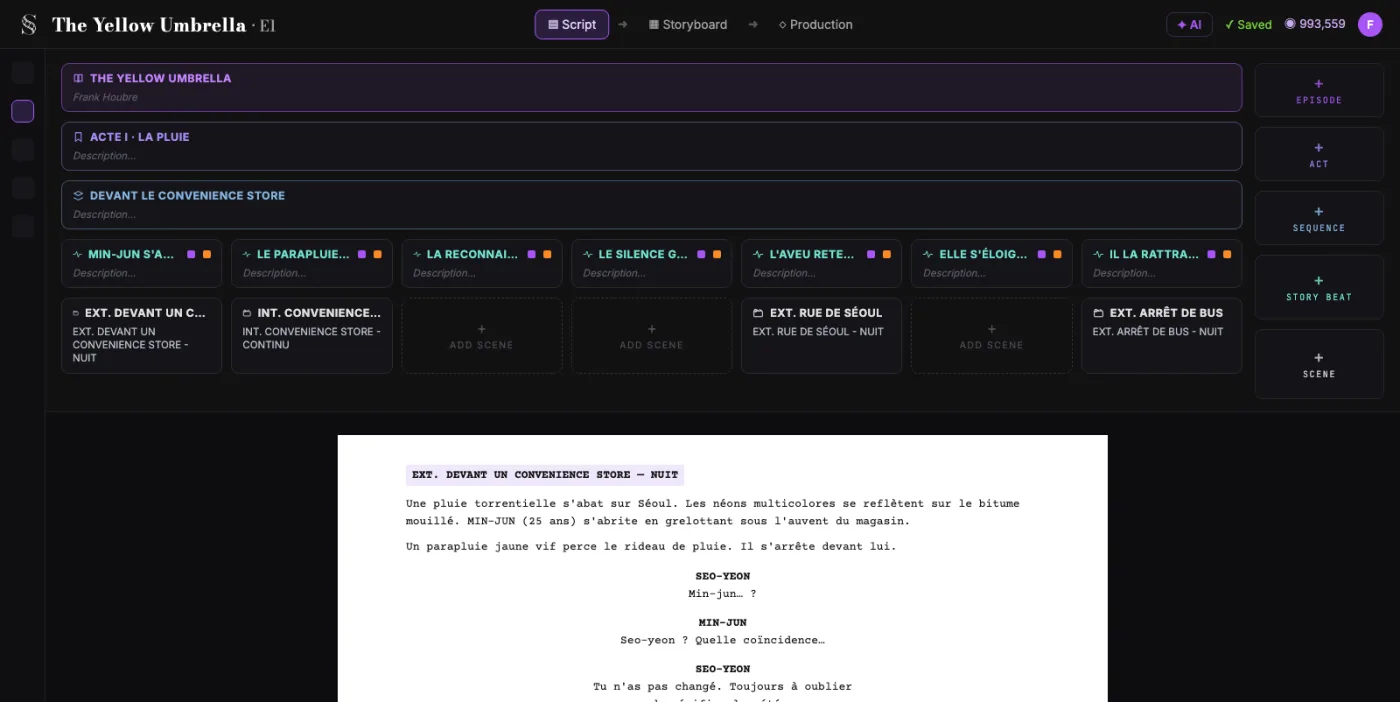
ใน ScreenWeaver โครงเรื่องและบีตอยู่ในโปรเจกต์เดียวกับบทภาพยนตร์ โครงสร้างและหน้าบทจึงเชื่อมกันเสมอ ใช้ฟรี
- 0 ดอลลาร์ ไม่มีวันหมดอายุ
- ส่งออกเป็น PDF และ Final Draft
- Mac, Windows, Linux, iPad
ตัวสร้างวงกลมเรื่องเล่า: คู่มือฉบับเต็ม
มันแบ่งความยาวบทของคุณเป็นแปดช่วงตามสัดส่วน ใส่โน้ตของคุณเองลงในแต่ละขั้น แล้วให้บีตชีตที่คัดลอกและพิมพ์ได้ ซึ่งสร้างจากตัวเลขของคุณ ไม่ใช่จากแม่แบบกลาง ๆ
ในงานแบบนี้ ปัญหาหลักชัดเจนอยู่แล้ว: วงกลมเรื่องเล่าจำง่ายแต่ใช้จริงยาก เพราะคนเขียนบทมักไม่รู้ว่าแต่ละขั้นใน 8 ขั้นควรกินหน้าไหนบ้างในร่างของตัวเอง ถ้าปล่อยไว้ มันจะไปสร้างความติดขัดในขั้นถัดไปและทำให้ตัดสินใจช้าลง เป้าหมายที่จับต้องได้คือ บีตชีตของวงกลมเรื่องเล่าที่กรอกครบ พร้อมเป้าหมายเป็นหน้าหรือเป็นนาทีของแต่ละขั้น จุดกึ่งกลาง และการแบ่งครึ่งระหว่างขาลงกับขากลับ
ข้อจำกัดที่ควรจำไว้: มันคำนวณสัดส่วนและตำแหน่ง ไม่ได้คำนวณคุณภาพของเรื่อง มันบอกไม่ได้ว่าสิ่งที่ตัวละครจำเป็นต้องมีนั้นแรงพอไหม หรือการเปลี่ยนแปลงนั้นคู่ควรหรือยัง บอกได้แค่ว่ามันควรตกตรงไหน
การใช้งานขั้นสูง: คนเขียนบทซีรีส์ยาวจะรันวงกลมหนึ่งวงต่อหนึ่งตอน คู่ไปกับวงกลมที่ช้ากว่าในระดับซีซัน แล้วตรวจว่าขั้นที่ 8 ของแต่ละตอนจัดวางตัวละครไว้พร้อมสำหรับขั้นถัดไปของทั้งซีซัน
วิธีทำทีละขั้น
- ใส่จำนวนหน้าทั้งหมด หรือสลับไปโหมดนาทีเพื่อวางโครงตามความยาวจริง ตามธรรมเนียมหนึ่งหน้าต่อหนึ่งนาที
- เขียนหนึ่งถึงสองบรรทัดให้แต่ละขั้นในแปดขั้น โดยใช้ถ้อยคำของเรื่องคุณเอง ไม่ใช่ของแม่แบบ
- อ่านช่วงหน้าที่คำนวณได้ แล้วเทียบฉากที่คุณวางไว้กับจุดกึ่งกลางและการข้ามเส้นสองครั้ง
- คัดลอกหรือพิมพ์ชีตที่เสร็จแล้ว และรันใหม่เรื่อย ๆ เมื่อจำนวนหน้าเปลี่ยนไปในแต่ละร่าง
ตัวอย่างการใช้งานตามบทบาท
- คนเขียนบทซีรีส์: วางโครงตอนของสัปดาห์นี้เป็นวงกลมหนึ่งรอบ พร้อมเป้าหมายเป็นนาทีที่พอดีกับความยาวช่อง
- คนเขียนบทหนังยาว: ตรวจว่าขาลงกับขากลับกินอย่างละครึ่งของบท ก่อนจะลงมือทำการ์ดฉาก
- ที่ปรึกษาบท: วินิจฉัยช่วงกลางที่ย้วย ด้วยการดูว่าขั้นที่ 4 (การค้นหา) ไปถึงหน้าจุดกึ่งกลางจริงไหม
ข้อผิดพลาดที่พบบ่อย
- ถือว่าแปดส่วนคือกฎ ไม่ใช่สัดส่วน ขั้นหนึ่งเกินไปหนึ่งหน้าได้ ถ้าขั้นข้าง ๆ คืนหน้านั้นกลับมา
- วางจุดกึ่งกลางไว้ตรงที่ตัวละครชนะ แต่ก้นวงกลมคือจุดที่เขาได้สิ่งที่ต้องการ ซึ่งเป็นคนละเรื่องกัน
- ใช้วงกลมกับเหตุการณ์ในพล็อตเท่านั้น แล้วข้ามขั้นที่ผูกกับความต้องการ (สิ่งที่จำเป็น ราคาที่ต้องจ่าย การเปลี่ยนแปลง) ซึ่งเป็นตัวทำให้มันทำงาน
แนวปฏิบัติของมืออาชีพ
- เขียนขั้นที่ 2 (สิ่งที่จำเป็น) เป็นความอยากที่ตัวละครพูดออกมาดัง ๆ ได้ คู่กับสิ่งที่เขาจำเป็นต้องมีแต่จะปฏิเสธ ช่องว่างระหว่างสองอย่างนี้คือตอนจบของคุณ
- เทียบขั้นที่ 3 กับขั้นที่ 7 ทางเข้ากับทางกลับควรคล้องกันทางภาพหรือทางแก่นเรื่อง
- สำหรับซีรีส์ที่จบเป็นตอน ให้ขั้นที่ 8 คืนสภาพเดิมพร้อมความต่างที่มองเห็นได้หนึ่งอย่าง ซีรีส์จะได้วนต่อโดยไม่จืด
ให้ถือว่าผลลัพธ์จากเครื่องมือนี้เป็นตัวช่วยตัดสินใจ ไม่ใช่ตัวแทนการเขียน บทที่ดีถูกจดจำจากการเลือกที่เฉพาะเจาะจง ความแม่นยำทางอารมณ์ และความชัดเจนของการเคลื่อนของเรื่อง เครื่องมือช่วยตัดเสียงรบกวนออก เพื่อให้แรงของคุณไปลงตรงที่สำคัญจริง ๆ คือตัวละคร ความขัดแย้ง การยกระดับ และการจ่ายคืน ถ้าคุณทบทวนผลลัพธ์หลังทุกรอบและจดบันทึกสิ่งที่ยอมรับไว้ วิธีทำงานของคุณจะเร็วขึ้นและคาดเดาได้มากขึ้นจากร่างหนึ่งไปอีกร่างหนึ่ง ความสม่ำเสมอแบบนี้คือสิ่งที่คนทำงานมืออาชีพให้ค่า คือเซอร์ไพรส์น้อยลง เหตุผลชัดขึ้น และบทที่พัฒนาไปอย่างมีเจตนา
คำถามเชิงลึก
วงกลมเรื่องเล่ากับ Save the Cat ควรใช้อันไหน
ใช้วงกลมเรื่องเล่าเวลาคุณกำลังปั้นความต้องการและการเปลี่ยนแปลงของตัวละคร โดยเฉพาะตอนซีรีส์ที่ต้องวนกลับมาที่เดิม ใช้บีตชีต Save the Cat เวลาคุณวางเหตุการณ์ของหนังยาวลงบน 15 บีตที่มีชื่อ หลายคนใช้ทั้งคู่ วงกลมก่อนเพื่อวางแกนตัวละคร แล้วค่อยใช้บีตชีตวางโครงกระดูกของพล็อต
plot embryo คืออะไร
อีกชื่อของวงกลมเรื่องเล่าของ Harmon มาจากรูปวาดที่เหมือนตัวอ่อนในโพสต์เรื่องโครงสร้างชุดแรกของเขาบนวิกิของ Channel 101 คำว่า plot embryo, story circle และวงกลมของ Harmon ล้วนหมายถึงวงจร 8 ขั้นเดียวกัน
ครึ่งบนกับครึ่งล่างของวงกลมหมายถึงอะไร
ครึ่งบนคือระเบียบ โลกที่รู้ตัวและคุ้นเคยของขั้นที่ 1, 2, 7 และ 8 ครึ่งล่างคือความโกลาหล โลกที่ไม่รู้ตัวและไม่คุ้นเคยของขั้นที่ 3 ถึง 6 ตัวละครข้ามลงไปหลังขั้นที่ 2 และปีนกลับขึ้นมาหลังขั้นที่ 6 และการข้ามสองครั้งนั้นแบกความหมายส่วนใหญ่ของโครงสร้างนี้ไว้
ทำไมวงกลมถึงวนกลับแทนที่จะจบ
Harmon สร้างมันมาเพื่อโทรทัศน์แบบตอนต่อตอน ที่ตัวละครต้องกลับมายังตำแหน่งที่มั่นคง เพื่อให้ตอนของสัปดาห์หน้าเริ่มวนรอบใหม่ได้ การเปลี่ยนแปลงในขั้นที่ 8 เป็นของจริง แต่ยังเข้ากันได้กับเครื่องยนต์ของซีรีส์ นี่คือเหตุผลที่ตัวละครเดียวกันวนได้เป็นร้อยรอบ
ใช้กับนิยายหรือหนังสั้นได้ไหม
ได้ สัดส่วนไม่ผูกกับสื่อ ให้แต่ละขั้นได้หนึ่งในแปดของจำนวนคำหรือความยาวของคุณ สำหรับหนังสั้น โหมดนาทีใช้ได้ทันที สำหรับนิยาย ให้ถือบทหรือฉากเป็นหน่วย และรักษาสมดุลระหว่างครึ่งขาลงกับครึ่งขากลับ
ทั้ง 8 ขั้นต้องยาวเท่ากันไหม
ไม่ต้อง แปดส่วนเท่า ๆ กันคือตารางตั้งต้นที่เป็นกลาง และงานที่สร้างจริงก็ยืดขั้นการค้นหาหรือบีบขั้นการกลับอยู่เสมอ คุณค่าของช่วงที่คำนวณไว้คือการรู้ชัดว่าคุณเบี่ยงไปเท่าไร และเบี่ยงอย่างตั้งใจ
คำถามที่พบบ่อย
1 คุณ (ตัวละครในเขตสบายใจ) 2 ต้องการ (แต่เขาต้องการบางอย่าง) 3 ไป (เขาเข้าสู่สถานการณ์ที่ไม่คุ้นเคย) 4 ค้นหา (ปรับตัวเข้ากับมัน) 5 เจอ (ได้สิ่งที่ต้องการ) 6 จ่าย (จ่ายราคาที่แพง) 7 กลับ (กลับสู่สิ่งที่คุ้นเคย) 8 เปลี่ยน (โดยที่เปลี่ยนไปแล้ว) ขั้น 1 ถึง 4 ไล่ลงสู่ความโกลาหล ขั้น 5 ถึง 8 กลับสู่ระเบียบ
ราวหนึ่งในแปดของบทต่อขั้น ในหนังยาว 110 หน้าคือราว 14 หน้าต่อขั้น ในร่างบท 96 หน้าคือ 12 หน้าพอดี ตัวสร้างนี้คำนวณช่วงที่แม่นยำสำหรับจำนวนหน้าของคุณ รวมถึงวิธีที่ยอดรวมเลขคี่ถูกปัด
ใช้ได้ทั้งคู่ ฮาร์มอนออกแบบมันสำหรับทีวีแบบเป็นตอน ที่ตัวละครวนกลับสู่ตำแหน่งเริ่มต้นที่มั่นคงทุกสัปดาห์ แต่รูปทรงขาลงกับขากลับเป็นรูปเดียวกับที่หนังยาวใช้ เครื่องมือรับได้ตั้งแต่หนังสั้น 8 นาทีจนถึงยอดรวม 500 หน้า และหน่วยหนึ่งในแปดปรับขนาดตามสัดส่วน
อยู่ที่ก้นบึ้งของวงกลม หลังขั้นที่ 4 (ค้นหา) และก่อนขั้นที่ 5 (เจอ) บนหน้ากระดาษมันคือจุดกึ่งกลางพอดีของบทคุณ เช่นหน้า 55 ของร่างบท 110 หน้า มันเป็นเครื่องหมายของช่วงเวลาที่ตัวละครหยุดปรับตัวเข้ากับโลกใหม่และเริ่มได้สิ่งที่เขามาตามหา
ในเบราว์เซอร์ของคุณเองเท่านั้น ผ่านหน่วยความจำในเครื่อง คุณจึงปิดแท็บแล้วกลับมาที่โครงเรื่องของคุณได้ ไม่มีสิ่งที่คุณพิมพ์ถูกส่งไปยังเซิร์ฟเวอร์ และปุ่มรีเซ็ตจะล้างร่างที่บันทึกไว้