ตัวสร้างบทขีดเส้น
ขีดเส้นบทของคุณแบบสคริปต์ซูเปอร์ไวเซอร์ ฟรี
ตัวสร้างบทขีดเส้นฟรีนี้ให้สคริปต์ซูเปอร์ไวเซอร์ ผู้กำกับ และนักศึกษาภาพยนตร์ทำเครื่องหมายการถ่ายคลุมลงบนบทแบบเดียวกับที่ทำบนกองถ่าย หนึ่งเส้นแนวตั้งต่อหนึ่งตำแหน่งกล้อง ลากจากบรรทัดแรกที่ถูกถ่ายถึงบรรทัดสุดท้าย วางบทของคุณ กำหนดตำแหน่งกล้อง แล้วขีดเส้นแต่ละหน้าในเบราว์เซอร์แทนที่จะใช้ไม้บรรทัด บทกระดาษ และดินสอ
ธรรมเนียมการขีดเส้นเป็นแนวปฏิบัติมาตรฐานของงานความต่อเนื่อง เส้นตรงหมายถึงแอ็กชันบนบรรทัดเหล่านั้นอยู่ในกล้องเต็ม ๆ ในตำแหน่งนั้น ส่วนเส้นหยักหมายถึงมันเกิดขึ้นนอกกล้อง (บันทึกเสียงไว้ แต่ไม่มีภาพ) แต่ละตำแหน่งมีเลนแนวตั้งของตัวเองและมีรายการในคำอธิบายพร้อมป้ายสเลตกับโน้ตการถ่ายคลุม คนตัดต่อจึงอ่านได้ในพริบตาว่าตำแหน่งใดครอบคลุมช่วงเวลาไหนของฉาก
ทุกอย่างทำงานในเบราว์เซอร์ของคุณ บทของคุณไม่เคยออกจากหน้านี้ และตำแหน่งกล้องกับเส้นของคุณบันทึกอัตโนมัติในเครื่อง คุณจึงปิดแท็บแล้วกลับมาได้
หนึ่งแถวต่อหนึ่งตำแหน่งกล้อง เหมือนบนสเลตของคุณ ทั้งป้าย (12A) โน้ตการถ่ายคลุม (ครึ่งตัวสองคน) จำนวนเทค และรูปแบบเส้น
เพิ่มตำแหน่งกล้องเพื่อเริ่มขีดเส้น ตำแหน่งกล้องคือจุดวางกล้องหนึ่งจุดกับการจัดเฟรมหนึ่งแบบ เช่น 12A หรือ 12B
หน้า 1 จาก 1
คำอธิบาย
ยังไม่มีตำแหน่งกล้องที่ขีดเส้นในหน้านี้
ยังไม่มีเส้นที่วาด เลือกตำแหน่งกล้องแล้วคลิกบรรทัดเริ่มกับบรรทัดจบในบท
บทขีดเส้นของคุณ
ตำแหน่งกล้อง 0 ตำแหน่ง เส้นการถ่ายคลุม 0 เส้น หน้าบท 1 หน้า
บันทึกอัตโนมัติในเบราว์เซอร์นี้ ดาวน์โหลด PDF เพื่อส่งให้คนตัดต่อหรือเก็บในเอกสารการผลิต
วิธีการทำงาน
เครื่องมือจัดตัวบทที่คุณวางให้เป็นหน้าบทมาตรฐานแบบ Courier ที่ตัดหน้าทุก 55 บรรทัด ซึ่งเป็นเลย์เอาต์เดียวกับที่ Final Draft พิมพ์ออกมา คุณกำหนดตำแหน่งกล้องให้ตรงกับที่ปรากฏบนสเลต แล้วทำเครื่องหมายช่วงของบทที่แต่ละตำแหน่งครอบคลุม แต่ละตำแหน่งมีเลนแนวตั้งของตัวเอง เส้นจึงไม่ทับกัน ช่วงที่ข้ามการตัดหน้าจะถูกแยกอย่างเรียบร้อย และทุกหน้ามีคำอธิบายที่ระบุตำแหน่ง โน้ตการถ่ายคลุม และรูปแบบเส้นตรงหรือหยัก การส่งออก PDF จะวาดหน้าเดิมด้วย jsPDF โดยใช้เส้นทึบสำหรับการถ่ายคลุมในกล้องและเส้นประสำหรับเส้นหยัก
วิธีขีดเส้นบทแบบสคริปต์ซูเปอร์ไวเซอร์
การขีดเส้นบทคือการบันทึกว่าตำแหน่งกล้องใดครอบคลุมบรรทัดใดของบท บนกองถ่าย สคริปต์ซูเปอร์ไวเซอร์จะลากเส้นแนวตั้งให้แต่ละตำแหน่งกล้อง ตั้งแต่ช่วงเวลาแรกที่กล้องครอบคลุมจนถึงช่วงสุดท้าย แล้วกำกับด้วยหมายเลขสเลต นักศึกษาภาพยนตร์ยังเรียนเรื่องนี้ด้วยไม้บรรทัดกับบทกระดาษ และทางเลือกดิจิทัลส่วนใหญ่เป็นแอปเสียเงินที่เล็งไปที่มืออาชีพ เครื่องมือขีดเส้นบทนี้ฟรี ทำงานในเบราว์เซอร์ และทำตามธรรมเนียมเดียวกัน
ความต่างระหว่างเส้นตรงกับเส้นหยักคือหัวใจของระบบนี้ เส้นตรงที่พาดผ่านช่วงแอ็กชันหรือบทสนทนาบอกว่าตำแหน่งนั้นเก็บเนื้อหานั้นไว้ในกล้อง ส่วนเส้นหยักบอกว่าเนื้อหานั้นเกิดขึ้นขณะตำแหน่งนี้กำลังถ่ายแต่อยู่นอกเฟรม เช่นคำตอบนอกจอหรือปฏิกิริยาที่เราได้ยินแต่ไม่เห็น เมื่อคนตัดต่อเปิดบทขีดเส้นในห้องตัด เครื่องหมายสองแบบนี้ตอบคำถามแรกของทุกการตัดว่าช่วงเวลานี้มีการถ่ายคลุมอะไรอยู่บ้าง
นั่นคือเหตุผลที่คนตัดต่อถือบทขีดเส้นที่ดีเป็นแผนที่ของการถ่ายคลุม ถ้าไม่มีมัน การจะรู้ว่าฉาก 12 มีภาพเดี่ยวสะอาด ๆ ของปฏิกิริยาหรือไม่ ต้องไล่ดูทุกเทค ถ้ามีมัน แค่ชำเลืองมองหน้าเดียว ถ้าคุณกำลังเตรียมถ่ายทำ จับคู่แม่แบบบทขีดเส้นนี้กับบทถ่ายทำที่ทำเครื่องหมายไว้และบันทึกเทค แล้วคุณจะส่งเอกสารที่ประหยัดเวลางานหลังการถ่ายทำได้หลายชั่วโมงต่อฉาก
ใครใช้เครื่องมือนี้
- สคริปต์ซูเปอร์ไวเซอร์บนกองถ่ายทุนต่ำ ขีดเส้นแต่ละฉากแบบดิจิทัลระหว่างการวางบล็อกและซ้อมกล้อง แล้วส่งออก PDF เข้าสมุดการผลิตแทนการสแกนหน้าที่เขียนด้วยดินสอ
- นักศึกษาภาพยนตร์ที่กำลังเรียนงานความต่อเนื่อง ฝึกธรรมเนียมเส้นตรงกับเส้นหยักบนฉากจริงโดยไม่ต้องพิมพ์บท และเทียบหน้าที่ขีดเส้นระหว่างแบบฝึกหัดแต่ละครั้ง
- ผู้กำกับและคนตัดต่อในช่วงเตรียมงาน ร่างการถ่ายคลุมที่วางแผนไว้ก่อนถ่าย ขีดเส้นตำแหน่งกล้องที่ตั้งใจจะใช้ในแต่ละฉาก แล้วมองหาช่วงเวลาที่ไม่มีกล้องไหนครอบคลุมตอนที่การเปลี่ยนแปลงยังถูก
จากบทถึงช็อตครบในที่เดียว
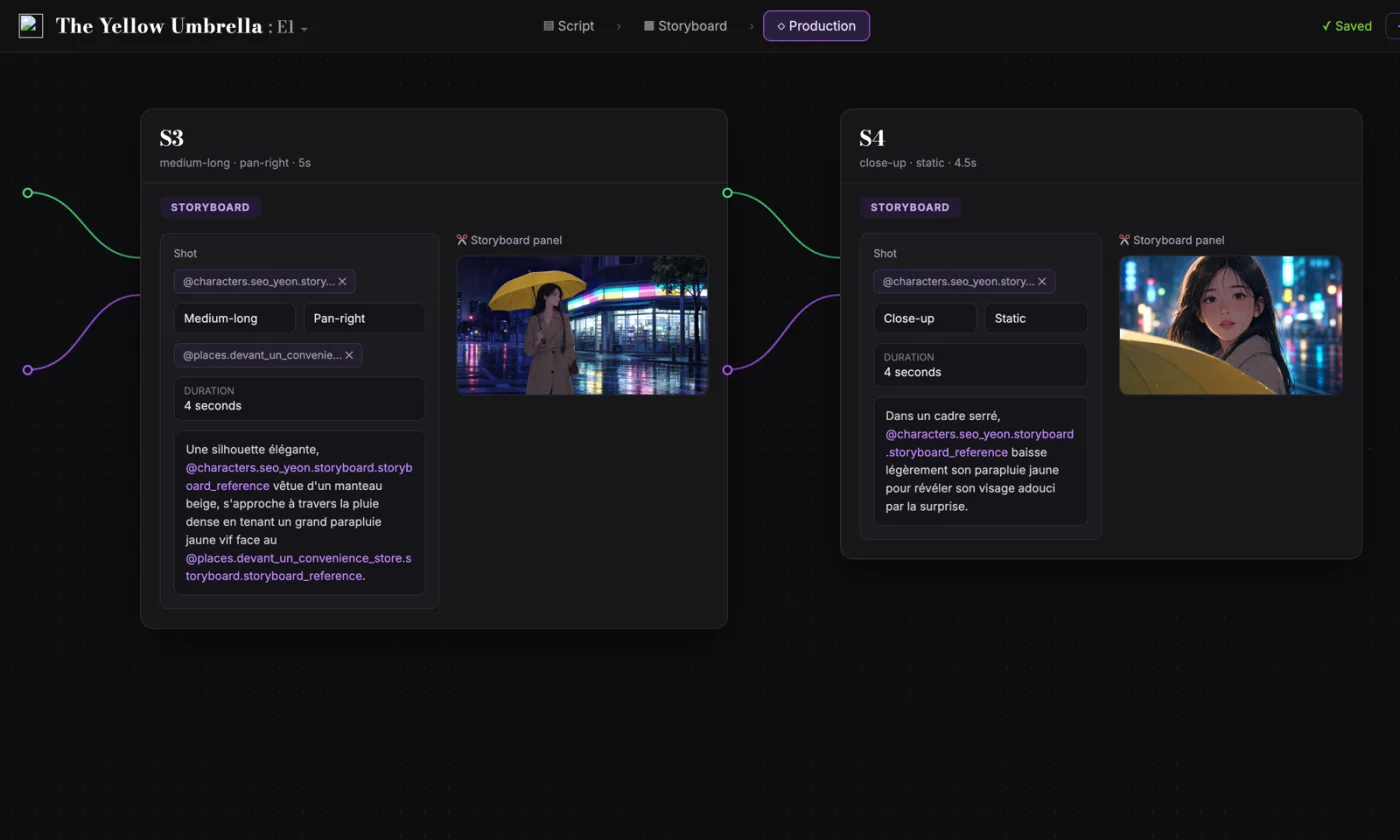
ScreenWeaver แตกบทภาพยนตร์เป็นช็อตโดยอัตโนมัติ แล้วต่อเป็นสตอรีบอร์ด ตัวละคร โลเคชัน และภาพอ้างอิงตามไปทุกช็อต
- 0 ดอลลาร์ ไม่มีวันหมดอายุ
- ส่งออกเป็น PDF และ Final Draft
- Mac, Windows, Linux, iPad
ตัวสร้างบทตีเส้น: คู่มือฉบับเต็ม
มันจัดบทที่คุณวางไว้เป็นหน้า Courier หน้าละ 55 บรรทัด ให้คุณกำหนดการตั้งกล้องพร้อมป้ายสเลทและโน้ตการเก็บภาพ แล้วลากเส้นแนวตั้งที่มีป้ายกำกับหนึ่งเส้นต่อหนึ่งการตั้งกล้อง พาดผ่านบรรทัดที่มันครอบคลุมพอดี เส้นตรงสำหรับสิ่งที่อยู่ในกล้อง เส้นหยักสำหรับนอกกล้อง พร้อมคำอธิบายบนทุกหน้าและส่งออก PDF
ในงานแบบนี้ ปัญหาหลักชัดเจนอยู่แล้ว: การตีเส้นบทแบบดิจิทัลปกติต้องใช้แอปเสียเงินอย่าง Scriptation หรือ ScriptE งานงบน้อยส่วนใหญ่จึงกลับไปใช้ดินสอ ไม้บรรทัด และหน้ากระดาษที่สแกนมา ถ้าปล่อยไว้ มันจะไปสร้างความติดขัดในขั้นถัดไปและทำให้ตัดสินใจช้าลง เป้าหมายที่จับต้องได้คือ บทตีเส้นที่สะอาดและส่งออกได้ ซึ่งบันทึกว่าการตั้งกล้องไหนครอบคลุมบรรทัดไหนของบท ตามธรรมเนียมเส้นตรงและเส้นหยัก
ข้อจำกัดที่ควรจำไว้: มันตีเส้นการเก็บภาพและจำนวนเทค ไม่ได้แทนเอกสารความต่อเนื่องแบบเต็มอย่างหน้าคู่ โน้ตของคนตัดต่อรายเทค หรือบันทึกเวลา ซึ่งในงานใหญ่ยังต้องมีขั้นตอนของตัวเอง
การใช้งานขั้นสูง: สคริปต์ซูเปอร์ไวเซอร์ที่มีประสบการณ์จะตีเส้นระหว่างบล็อกกิ้ง แก้หลังซ้อมกล้อง แล้วกระทบยอดหน้าที่ตีเส้นกับรายงานกล้องและเสียงตอนปิดกอง เพื่อให้คนตัดต่อได้แผนที่การเก็บภาพที่เชื่อถือได้หนึ่งชุดต่อฉาก
วิธีทำทีละขั้น
- วางบทแบบ Fountain หรือบทข้อความธรรมดา แล้วตรวจว่าหัวฉาก ชื่อตัวละคร และบทพูด ลงตรงระยะเยื้องที่ถูกต้อง
- เพิ่มการตั้งกล้องหนึ่งรายการต่อหนึ่งตำแหน่ง พร้อมป้ายสเลท โน้ตการเก็บภาพ จำนวนเทค และรูปแบบเส้นตรงหรือเส้นหยัก
- เลือกการตั้งกล้องหนึ่งอัน แล้วกำหนดช่วงด้วยการคลิกบรรทัดแรกและบรรทัดสุดท้ายที่ครอบคลุม หรือเลือกเลขบรรทัดจากตัวเลือก
- ตรวจคำอธิบายในแต่ละหน้า แล้วดาวน์โหลด PDF และเก็บเข้าแฟ้มความต่อเนื่องของวันนั้น
ตัวอย่างการใช้งานตามบทบาท
- สคริปต์ซูเปอร์ไวเซอร์: ตีเส้นทีละฉากตามที่การตั้งกล้องถูกสเลท แล้วส่งออก PDF เข้าแฟ้มงานประจำวัน
- นักศึกษาภาพยนตร์: ฝึกธรรมเนียมเส้นตรงกับเส้นหยักบนฉากจริง โดยไม่ต้องพิมพ์กระดาษสักแผ่น
- คนตัดต่อ: อ่านหน้าที่ตีเส้นก่อนต่อฉบับแรก จะได้รู้ทันทีว่าการตั้งกล้องไหนครอบคลุมช่วงไหน
ข้อผิดพลาดที่พบบ่อย
- ลากเส้นเดียวคลุมทั้งฉาก ทั้งที่การตั้งกล้องนั้นเก็บภาพได้แค่บางส่วน
- ใช้เส้นตรงกับบทพูดนอกจอแทนเส้นหยัก ซึ่งทำให้คนตัดต่อเข้าใจผิดเรื่องภาพที่มีอยู่จริง
- ข้ามโน้ตการเก็บภาพ แล้วทิ้งเลขสเลทเปล่า ๆ ไว้ให้คนอ่านทีหลังโดยไม่รู้ว่าเฟรมเป็นแบบไหน
แนวปฏิบัติของมืออาชีพ
- ตั้งชื่อการตั้งกล้องให้ตรงกับที่สเลทจริง (12, 12A, 12B) บทตีเส้นจะได้ตรงกับรายงานกล้องทีละเทค
- ตีเส้นระหว่างซ้อมแล้วปรับหลังเทคแรก แผนการเก็บภาพแทบไม่เคยรอดจากการเจอนักแสดงจริง
- อัปเดตจำนวนเทคไปเรื่อย ๆ การตั้งกล้องที่มีเทคใช้ได้อันเดียว อ่านในห้องตัดต่อต่างจากอันที่มีหกเทคมาก
ให้ถือว่าผลลัพธ์จากเครื่องมือนี้เป็นตัวช่วยตัดสินใจ ไม่ใช่ตัวแทนการเขียน บทที่ดีถูกจดจำจากการเลือกที่เฉพาะเจาะจง ความแม่นยำทางอารมณ์ และความชัดเจนของการเคลื่อนของเรื่อง เครื่องมือช่วยตัดเสียงรบกวนออก เพื่อให้แรงของคุณไปลงตรงที่สำคัญจริง ๆ คือตัวละคร ความขัดแย้ง การยกระดับ และการจ่ายคืน ถ้าคุณทบทวนผลลัพธ์หลังทุกรอบและจดบันทึกสิ่งที่ยอมรับไว้ วิธีทำงานของคุณจะเร็วขึ้นและคาดเดาได้มากขึ้นจากร่างหนึ่งไปอีกร่างหนึ่ง ความสม่ำเสมอแบบนี้คือสิ่งที่คนทำงานมืออาชีพให้ค่า คือเซอร์ไพรส์น้อยลง เหตุผลชัดขึ้น และบทที่พัฒนาไปอย่างมีเจตนา
คำถามเชิงลึก
สคริปต์ซูเปอร์ไวเซอร์ตีเส้นบทที่กองยังไง
ในแต่ละการตั้งกล้อง เขาลากเส้นแนวตั้งจากบรรทัดแรกที่กล้องเก็บได้ไปจนถึงบรรทัดสุดท้าย พร้อมกำกับเลขสเลท ช่วงที่เป็นเส้นตรงหมายถึงแอ็กชันอยู่ในกล้อง ช่วงเส้นหยักหมายถึงมันเกิดนอกจอขณะเทคกำลังเดิน เส้นจะสะสมไปตามการตั้งกล้องจนกว่าการเก็บภาพทั้งฉากจะถูกทำแผนที่ไว้บนหน้ากระดาษ
บทตีเส้นกับหน้าคู่ต่างกันยังไง
บทตีเส้นคือหน้ากระดาษของบทเองที่ถูกทำเครื่องหมาย แสดงช่วงการเก็บภาพของแต่ละการตั้งกล้อง ส่วนหน้าคู่คือโน้ตที่อยู่ตรงข้ามแต่ละหน้า ทั้งเลขเทค ข้อมูลเลนส์ เวลา เทคที่วงไว้ และหมายเหตุความต่อเนื่อง งานมืออาชีพใช้ทั้งสองอย่าง เครื่องมือนี้ผลิตหน้าที่ตีเส้น
ติดตามการตั้งกล้องได้กี่อันต่อฉาก
ไม่มีเพดานตายตัว แต่ละการตั้งกล้องมีเลนของตัวเอง เส้นจึงไม่ทับกัน และคำอธิบายท้ายหน้าจะระบุทุกอันพร้อมป้ายและโน้ตการเก็บภาพ ในทางปฏิบัติฉากส่วนใหญ่มีสามถึงแปดการตั้งกล้อง ซึ่งยังอ่านง่ายมาก
คนตัดต่อใช้บทตีเส้นจริงไหม
ใช้ตลอด มันคือแผนที่ของการเก็บภาพ ก่อนจะไล่ดูฟุตเทจ คนตัดต่อดูหน้าที่ตีเส้นเพื่อรู้ว่าการตั้งกล้องไหนครอบคลุมช่วงนั้น และวัสดุอยู่ในกล้องหรือเป็นเส้นหยัก ฉากที่ไม่มีบทตีเส้นแปลว่าต้องไล่ดูทุกเทคเพื่อตอบคำถามที่หน้ากระดาษตอบได้ในไม่กี่วินาที
ตีเส้นบทแบบ Fountain ได้เลยไหม
ได้ วางข้อความ Fountain แล้วเครื่องมือจะอ่านหัวฉาก ชื่อตัวละคร บทพูด วงเล็บกำกับ และการเปลี่ยนฉาก ข้ามบล็อกหน้าปก แล้วจัดทุกอย่างตามระยะเยื้อง Courier มาตรฐาน ข้อความธรรมดาที่ไม่ได้จัดรูปแบบก็ใช้ได้ มันจะถูกถือเป็นแอ็กชันและแบ่งหน้าแบบเดียวกัน
โปรแกรมตีเส้นบทนี้ฟรีจริงไหม
ฟรีจริง ไม่ต้องสมัคร ไม่มีลายน้ำ ไม่มีการอัปโหลด เครื่องมือทั้งหมดทำงานในเบราว์เซอร์และ PDF สร้างในเครื่อง งานของคุณถูกบันทึกอัตโนมัติในที่เก็บข้อมูลของเครื่องคุณเอง ปิดแท็บไปก็ไม่เสียหน้าที่ตีเส้น
คำถามที่พบบ่อยเรื่องบทขีดเส้น
บทขีดเส้นคือสำเนาบทถ่ายทำที่สคริปต์ซูเปอร์ไวเซอร์ทำเครื่องหมายไว้ แต่ละตำแหน่งกล้องได้เส้นแนวตั้งพาดผ่านบรรทัดที่มันครอบคลุมพอดี พร้อมกำกับด้วยหมายเลขสเลต เมื่อรวมกับโน้ตบนหน้าตรงข้าม มันบอกคนตัดต่อได้แม่นยำว่าทุกช่วงเวลาของทุกฉากมีการถ่ายคลุมอะไรอยู่บ้าง
เส้นหยักทำเครื่องหมายเนื้อหาที่เกิดขึ้นนอกกล้องระหว่างตำแหน่งนั้น คำพูดหรือแอ็กชันเกิดขึ้นขณะกล้องกำลังถ่ายแต่อยู่นอกเฟรม เทคนั้นจึงมีเสียงแต่ไม่มีภาพ ส่วนเส้นตรงหมายถึงเนื้อหาอยู่ในกล้องเต็ม ๆ เครื่องมือนี้วาดการถ่ายคลุมแบบหยักเป็นเส้นประและระบุความหมายไว้ในคำอธิบายของหน้าเสมอ
ได้ มันทำตามธรรมเนียมเดียวกับที่สอนในโรงเรียนภาพยนตร์ หนึ่งเส้นแนวตั้งต่อหนึ่งตำแหน่ง เส้นตรงสำหรับในกล้อง เส้นหยักสำหรับนอกกล้อง พร้อมคำอธิบายรายหน้า สำหรับงานมืออาชีพขนาดยาว คุณอาจอยากได้แอปเสียเงินเฉพาะทางในที่สุด แต่สำหรับหนังสั้น หนังนักศึกษา และหนังยาวอิสระ เครื่องมือนี้ครอบคลุมเวิร์กโฟลว์หลักโดยไม่มีค่าใช้จ่าย
ไม่ การอ่านบท การขีดเส้น และการสร้าง PDF ทำงานในเครื่องบนเบราว์เซอร์ของคุณทั้งหมด ไม่มีอะไรถูกอัปโหลด ไม่มีบัญชี และการบันทึกอัตโนมัติใช้หน่วยความจำในเครื่องของเบราว์เซอร์เท่านั้น
กดดาวน์โหลด PDF การส่งออกจะวาดทุกหน้า Courier 55 บรรทัดใหม่พร้อมเส้นแนวตั้งของตำแหน่งกล้อง เป็นเส้นทึบหรือเส้นประให้ตรงกับเส้นตรงหรือเส้นหยัก บวกคำอธิบายรายหน้าที่มีป้าย โน้ตการถ่ายคลุม และจำนวนเทคของแต่ละตำแหน่ง ไฟล์ถูกสร้างในเครื่องและบันทึกลงอุปกรณ์ของคุณโดยตรง
Related tools
เครื่องคำนวณหน้าแบบหนึ่งในแปด
วัดทุกฉากเป็นหน่วยหนึ่งในแปดของหน้าจากตัวบทที่วาง
ตัวสร้างเช็กลิสต์แตกบท
สร้างเช็กลิสต์การผลิตรายฉาก
ตัวดึงหัวฉาก
ดึงหัวฉากออกจากตัวบท
ตัวใส่เลขฉาก
เปลี่ยนบทสเปกเป็นบทถ่ายทำที่มีเลขฉาก พร้อมฉากเติมตัวอักษรและฉากที่ตัดออก
You can also browse the full library on /tools.
Core blog guides
- Idea → first draft (process hub)
- Screenplay format guide 2026
- Hidden costs of “free” software
- Affordable software & TCO
- Revision passes (structure → dialogue)
เทคนิคการถ่ายหนัง
เทคนิคภาพยนตร์ที่น่าสำรวจ
แต่ละเทคนิคมีคลิปสั้น ตัวอย่างบทภาพยนตร์ และบรรทัดในช็อตลิสต์