स्टोरीबोर्ड टेम्पलेट जनरेटर
आपके असली आस्पेक्ट रेशियो में छपाई लायक शीट
अपना डिलीवरी फ़ॉर्मैट चुनिए, तय कीजिए कि हर पन्ने पर कितने पैनल हों, और एक साफ़, छपाई लायक स्टोरीबोर्ड PDF डाउनलोड कीजिए। कोई रजिस्ट्रेशन नहीं, कोई वॉटरमार्क नहीं, और हर फ़्रेम आपके प्रोजेक्ट के असली अनुपात में बना, न कि किसी आम आयत में।
स्टोरीबोर्ड तभी काम आता है जब फ़्रेम वही दिखाएँ जो कैमरा सचमुच पकड़ेगा। 4:3 में सोची गई कंपोज़िशन 2.39:1 में बिखर जाती है, और 16:9 में बनाई गई TikTok की खड़ी शॉर्ट अपनी फ़्रेमिंग ही खो देती है। यह जनरेटर हर पैनल आपके असली अनुपात में बनाता है, Letter या A4 पर, और एक्शन तथा संवाद के लिए वैकल्पिक नोट की जगह के साथ।
PDF पूरी तरह आपके ब्राउज़र में बनता है। कुछ भी किसी सर्वर पर अपलोड नहीं होता।
चलता हुआ प्रीव्यू
16:9 फ़्रेम की 2 कॉलम x 3 पंक्तियाँ, हर पैनल पर शॉट नंबर के साथ।
यह कैसे काम करता है
जनरेटर ऐसा प्रिंट लेआउट निकालता है जिसमें हर फ़्रेम आपका चुना अनुपात ठीक-ठीक बनाए रखे: यह वह कॉलम ग्रिड चुनता है जिससे फ़्रेम सबसे बड़े बनें, चौड़े अनुपात के लिए पन्ना आड़ा और खड़े अनुपात के लिए खड़ा रखता है, हर शॉट को नंबर देता है, और आपके चालू करने पर नोट की लकीरें जोड़ता है। चलता प्रीव्यू और डाउनलोड किया PDF वही गणित इस्तेमाल करते हैं, इसलिए जो दिखता है वही छपता है।
सही स्टोरीबोर्ड फ़ॉर्मैट कैसे चुनें
टेम्पलेट को डिलीवरी से मिलाइए, उल्टा नहीं। YouTube और टीवी 16:9 में रहते हैं, सिनेमाई प्रोजेक्ट 1.85:1 या 2.39:1 में, और TikTok, Reels तथा Shorts 9:16 में। ग़लत अनुपात में बोर्ड बनाने से ऐसी कंपोज़िशन बनती हैं जो दोबारा फ़्रेम करते ही बिखर जाती हैं।
पैनलों की संख्या शीट की लय तय करती है। सिनेमाई काम प्रति पन्ना 3 से 6 पैनल पर सबसे अच्छा पढ़ा जाता है, जहाँ हर चित्र का वज़न होता है और सोचने की जगह भी। विज्ञापन और तेज़ कटने वाला सोशल कंटेंट अक्सर प्रति पन्ना 8 से 12 छोटे पैनल इस्तेमाल करता है, ताकि तेज़ कटों की रफ़्तार दिख सके।
नोट की छोटी-सी जगह सेट पर अपनी क़ीमत वसूल कर देती है। शॉट नंबर, एक पंक्ति एक्शन, एक संवाद या ध्वनि संकेत, और हर पैनल पर एक कैमरा नोट, यही फ़र्क़ है उस बोर्ड में जिससे यूनिट सचमुच शूट कर सके और सुंदर चित्रों के उस ढेर में जिसे कोई अमल में नहीं ला सकता।
यह किसके लिए है
- निर्देशक और छायाकार कवरेज उन फ़्रेम में बनाइए जो असली डिलीवरी अनुपात से मेल खाते हों, शूट से पहले, न कि क्रॉप के बाद।
- फ़िल्म छात्र पेशेवर दिखने वाले बोर्ड दीजिए, बिना जमा करने से एक रात पहले किसी वर्ड प्रोसेसर के टेबल टूल से जूझे।
- सोशल और विज्ञापन टीमें 9:16 खड़े फ़ॉर्मैट की योजना शुरू से बनाइए, ऐसे फ़्रेम के साथ जो उसी फ़ॉर्मैट के लिए नापे गए हैं, आड़े बोर्ड से काटे गए नहीं।
स्क्रीनप्ले से शुरू करें,स्टोरीबोर्ड पाएँ।
ScreenWeaver आपकी स्क्रिप्ट को शॉट्स में बाँटता है और उससे स्टोरीबोर्ड बनाता है। फ़्रेमिंग, एंगल, मूवमेंट और अवधि आपके हाथ में रहते हैं। किरदार हर शॉट में एक जैसे रहते हैं।
- $0, कभी ख़त्म नहीं होता
- PDF और Final Draft में एक्सपोर्ट
- Mac, Windows, Linux, iPad
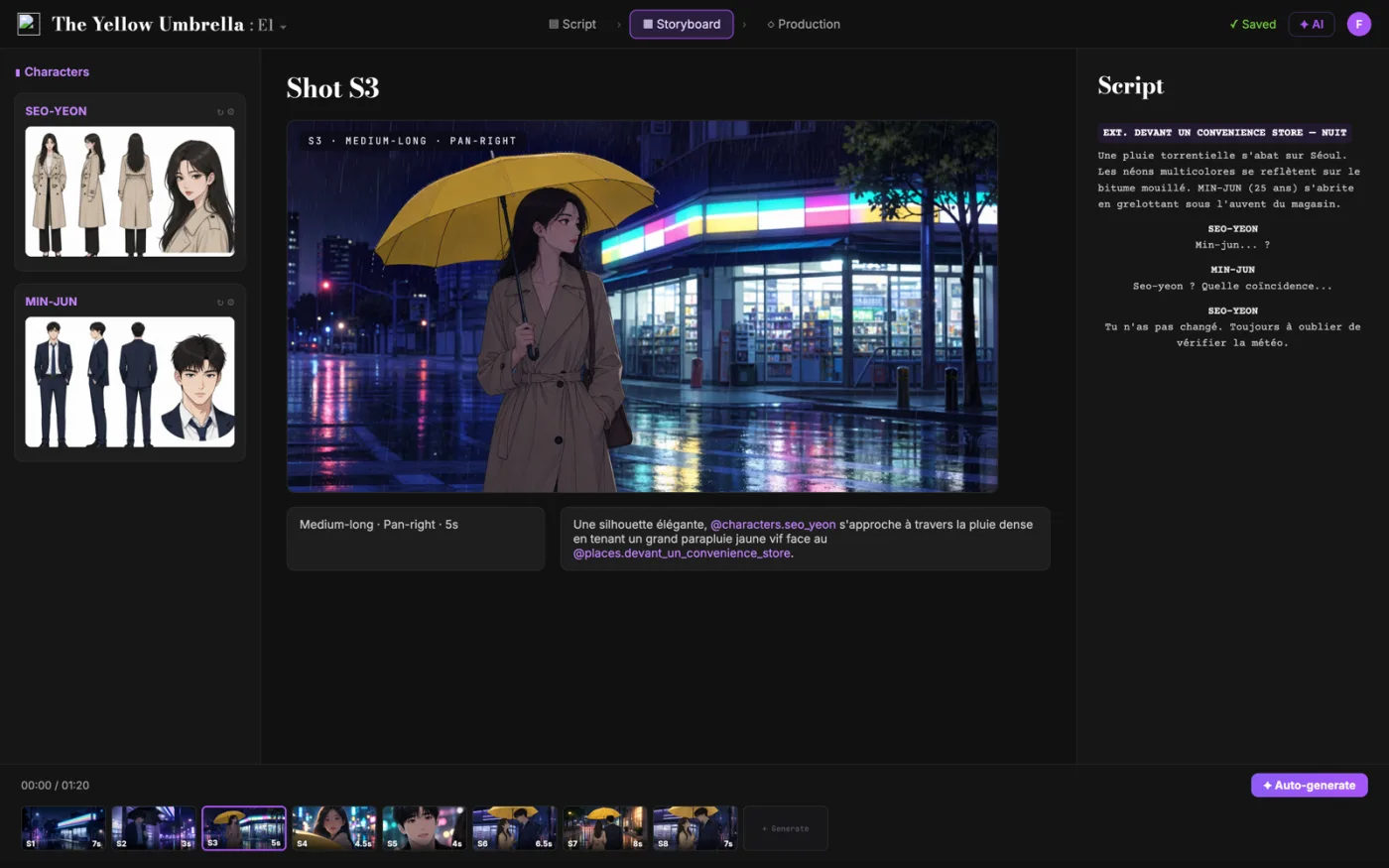
स्टोरीबोर्ड टेम्पलेट जनरेटर: पूरी गाइड
यह छापने लायक़ स्टोरीबोर्ड PDF शीट बनाता है, जिनके ख़ाने आपके असली अनुपात में खिंचे होते हैं, सिनेमाई 2.39:1 से लेकर खड़े 9:16 तक, और चाहें तो हर ख़ाने के नीचे ऐक्शन और संवाद के नोट खाने के साथ।
इस काम में असली दिक़्क़त साफ़ है: डाउनलोड करने लायक़ ज़्यादातर स्टोरीबोर्ड टेम्पलेट जमे हुए PDF होते हैं, एक ही अनुपात और एक ही सजावट में, इसलिए लोग ऐसे ख़ाने बनाते हैं जो असली डिलीवरी फ़ॉर्मैट से मेल नहीं खाते। इसे यूँ ही छोड़ दिया जाए तो आगे के चरणों में रगड़ पैदा होती है और फ़ैसले धीमे पड़ जाते हैं। असल लक्ष्य है एक साफ़, छापने लायक़ स्टोरीबोर्ड शीट, आपके ठीक अनुपात, ख़ानों की संख्या और नोट लिखने के तरीक़े के साथ।
यह सीमा याद रखिए: यह बनाने और योजना बनाने के लिए ख़ाली शीट देता है, तैयार चित्र नहीं: चित्र, तीर और कैमरा नोट अब भी आपको ही बनाने हैं।
आगे का इस्तेमाल: पहले स्टोरीबोर्ड बनाने वाले निर्देशक उसी सीन के लिए चौड़े अनुपात की शीट फ़िल्म के लिए और खड़ी शीट सोशल कट के लिए छापते हैं, ताकि दोनों फ़्रेमिंग शूट से पहले सोची जाएँ, बाद में काटी न जाएँ।
क़दम दर क़दम तरीक़ा
- वह अनुपात चुनिए जिसमें आपकी परियोजना सचमुच जाएगी, वह नहीं जो टेम्पलेट में संयोग से था।
- प्रति पन्ना ख़ाने चुनिए: विस्तृत फ़िल्म बोर्ड के लिए कम और बड़े, तेज़ विज्ञापन लय के लिए ज़्यादा।
- अगर आप हर ख़ाने के नीचे ऐक्शन और संवाद लिखते हैं तो नोट खाने चालू कीजिए, सिर्फ़ थंबनेल के लिए बंद।
- PDF डाउनलोड कीजिए और सीन जितनी शीट माँगे उतनी छापिए, या हर सीक्वेंस के लिए दोबारा बनाइए।
किसके लिए, किस काम में
- निर्देशक: असली डिलीवरी अनुपात वाले ख़ानों में कवरेज बनाइए, किसी आम आयत में नहीं।
- छात्र: वर्ड प्रोसेसर की टेबल से लड़े बिना पेशेवर दिखने वाले बोर्ड जमा कीजिए।
- सोशल वीडियो टीम: 9:16 सीधे उसी में सोचिए, 16:9 का बोर्ड काटकर सिर के ऊपर की जगह गँवाने के बजाय।
आम ग़लतियाँ जिनसे बचिए
- 4:3 या आम आयतों में बोर्ड बनाना, और फिर पता चलना कि 2.39:1 में रचना टूट जाती है।
- ऐसे ड्रामा के लिए एक पन्ने पर बारह नन्हे ख़ाने ठूँसना जिसे छह पढ़ने लायक़ ख़ाने चाहिए।
- नोट खाने छोड़ देना, फिर कैमरा निर्देश उन हाशियों में लिखना जिन्हें सेट पर कोई नहीं पढ़ पाता।
पेशे के आज़माए तरीक़े
- फ़िल्म बोर्ड प्रति पन्ना 3 से 6 ख़ानों में सबसे अच्छे पढ़े जाते हैं; विज्ञापन और सोशल बोर्ड 8 से 12 तक जा सकते हैं।
- ख़ानों पर सीन और शॉट के हिसाब से नंबर डालिए (3A, 3B), सेट पर पन्ने मिल जाएँ तो भी क्रम बना रहेगा।
- हर सीन के लिए एक अतिरिक्त ख़ाली शीट छापिए: सबसे अच्छा ख़याल अक्सर बनाते वक़्त आता है।
इस टूल के नतीजे को फ़ैसले में मदद मानिए, लिखाई की जगह नहीं। अच्छी पटकथा अपने ठोस चुनावों, भावनात्मक सटीकता और नाटकीय गति की साफ़गोई से याद रह जाती है। टूल का काम शोर हटाना है, ताकि आपकी ऊर्जा वहाँ लगे जहाँ मायने रखता है: किरदार, टकराव, चढ़ाव और भुगतान। हर दौर के बाद नतीजे दोबारा देखिए और जो बदलाव आपने माने उनका हिसाब रखिए, तो आपका तरीक़ा हर ड्राफ़्ट के साथ तेज़ और ज़्यादा भरोसेमंद होता जाता है। पेशेवर साथी इसी टिकाऊपन को क़ीमत देते हैं: कम चौंकाने वाली बातें, ज़्यादा साफ़ वजहें, और एक पटकथा जो सोच-समझकर आगे बढ़ती है।
विस्तार से सवाल
मेरे स्टोरीबोर्ड का अनुपात क्या होना चाहिए?
वही जिसमें आपका वीडियो आख़िर में जाएगा: YouTube और टीवी के लिए 16:9, सिनेमाई परियोजनाओं के लिए 2.39:1 या 1.85:1, TikTok, Reels और Shorts के लिए 9:16। ग़लत अनुपात में बनाने से ऐसी रचनाएँ बनती हैं जो दोबारा फ़्रेम करने पर टूट जाती हैं।
प्रति पन्ना कितने ख़ाने मानक हैं?
फ़िल्म के काम में आम तौर पर 3 से 6 ख़ाने प्रति पन्ना, ताकि हर ख़ाना पढ़ा जा सके। विज्ञापन और तेज़ कटने वाला सोशल कंटेंट अक्सर 8 से 12 छोटे ख़ाने इस्तेमाल करता है, ताकि कटौती की लय दिखे।
क्या यह स्टोरीबोर्ड टेम्पलेट सचमुच मुफ़्त है?
हाँ। शीट सेट कीजिए, PDF डाउनलोड कीजिए, छापिए, न साइनअप, न वॉटरमार्क। सब कुछ आपके ब्राउज़र में बनता है।
क्या 9:16 खड़ा स्टोरीबोर्ड बना सकते हैं?
हाँ। 9:16 चुनिए और जनरेटर खड़े ख़ाने खड़े पन्ने पर बिछा देता है, TikTok, Reels और Shorts की योजना के नाप में, खड़ी फ़्रेमिंग को लेटे डिब्बों में ठूँसने के बजाय।
हर ख़ाने के नीचे क्या लिखूँ?
आम खाने हैं शॉट नंबर, एक पंक्ति का ऐक्शन, कोई संवाद या ध्वनि संकेत, और कैमरा नोट जैसे चाल या लेंस। हर ख़ाने के नीचे का वैकल्पिक नोट क्षेत्र ठीक इसी नाप का है।
स्टोरीबोर्ड काग़ज़ पर बनाऊँ या डिजिटल?
शॉट में सोचने का सबसे तेज़ तरीक़ा अब भी काग़ज़ है, ख़ासकर तेज़ थंबनेल के लिए। कई निर्देशक पहले छपी शीट पर बनाते हैं, फिर जो बचे उन्हें डिजिटल में दोबारा बनाते हैं, जहाँ ख़ाने स्क्रिप्ट और शॉट लिस्ट से जुड़ जाते हैं।
आम सवाल
वही जिसमें आपका अंतिम वीडियो जाएगा: YouTube और टीवी के लिए 16:9, सिनेमाई काम के लिए 1.85:1 या 2.39:1, TikTok, Reels और Shorts के लिए 9:16, तथा ख़ास प्लेटफ़ॉर्म और संग्रह के लिए 4:3 या 1:1।
सिनेमाई बोर्ड के लिए 3 से 6, जहाँ हर फ़्रेम को ब्योरा और नोट की जगह चाहिए; विज्ञापन तथा तेज़ कटने वाले सोशल कंटेंट के लिए 8 से 12, जहाँ हर फ़्रेम के ब्योरे से ज़्यादा कटों की रफ़्तार मायने रखती है।
हाँ। शीट सेट कीजिए, डाउनलोड कीजिए, और जितनी चाहें प्रतियाँ छापिए। सब आपके ब्राउज़र में बनता है, बिना रजिस्ट्रेशन के, और शीट पर कोई ब्रांडिंग नहीं होती।
हाँ, 9:16 चुनिए और जनरेटर खड़े पन्ने पर खड़े फ़्रेम लगा देगा, उसी फ़ॉर्मैट के नाप के, न कि खड़ी फ़्रेमिंग को आड़े डिब्बों में ठूँसकर।
मानक बातें: एक पंक्ति एक्शन, कोई संवाद या ध्वनि संकेत, और चाल या लेंस जैसे कैमरा नोट। शॉट नंबर हर फ़्रेम के ऊपर पहले से छपा होता है।
Related tools
सीन से क्लिप विभाजक
एक सीन को ऐसे AI वीडियो क्लिप में बाँटिए जो आपके मॉडल की समय सीमा में आ जाएँ।
AI वीडियो प्रॉम्प्ट जनरेटर
Veo, Sora, Runway और Kling के लिए सिनेमाई प्रॉम्प्ट बनाइए।
शूटिंग दिनों का कैलकुलेटर
अंदाज़ा लगाइए कि आपकी स्क्रिप्ट को कितने शूटिंग दिन चाहिए।
सीन कार्ड जनरेटर
व्यवस्थित सीन कार्ड बनाइए और एक्सपोर्ट कीजिए।
You can also browse the full library on /tools.
Core blog guides
- Idea → first draft (process hub)
- Screenplay format guide 2026
- Hidden costs of “free” software
- Affordable software & TCO
- Revision passes (structure → dialogue)
फिल्म तकनीकें
जानने लायक फ़िल्म तकनीकें
हर तकनीक के साथ एक छोटा क्लिप, पटकथा का अंश और शॉट लिस्ट की पंक्ति।