试戏片段生成器
免费的试戏片段生成器,不用注册
粘贴一份剧本,这个免费的试戏片段生成器就会精确抽出你为试戏或拍摄日所需要的那些场次,排成一份规范的剧本 PDF。为那些厌倦了手工把场次抄进文档、或者为了导出三页而要注册账号的选角导演、副导演和演员而造。
试戏片段是制作方真正发出去的那些场次:选角部门发给演员的是试戏场次而不是完整剧本,副导演则把当天的场次抽出来放进通告单材料包。工具会解析你的场景标题和人物名,所以你可以挑一个人物,让他有台词的场次被自动选中,也可以手动勾选场次。
全部在你的浏览器里运行。你的剧本在本地解析,从不离开你的设备,无论你是粘贴文本还是载入 .fountain 或 .txt 文件。
把剧本粘到上面或载入一个文件,就能看到它的场次和人物。
工作原理
工具按标准剧本惯例逐行读你的文本:以标准前缀开头的场景标题开启一场戏,后面跟着对白的全大写行是人物名,而在跨场次匹配同一个人物时,(V.O.) 或 (接) 之类的扩展会被去掉。选一个人物,生成器就精确选中他有台词的那些场次;切到按场次模式,就能手动搭出一份拍摄用材料包。导出遵循好莱坞版式:US Letter 纸上的 Courier 12、左边距 3.8 厘米、标准对白缩进、带标签和项目名的页眉块、页码,以及每段片段之后的「本场结束」分隔线。
怎么为试戏和拍摄日准备片段
试戏片段之所以存在,是因为没人会把整个剧本发出去。选角部门发试戏片段,好让演员准备两三场戏而不是 110 页,也好让一部还没拍出来的剧本不至于在制作方愿意之前就流传开。在片场,副导演抽出当天通告单上那些场次做成拍摄片段,剧组和演员于是拿的是五页纸而不是一整本活页夹。试戏片段生成器把最枯燥的那部分自动化了:找出一个人物有台词的每一场戏,并把那些片段重新排成一份干净的 PDF。
礼节比排版更重要。演员应该在读戏前 24 到 48 小时拿到片段,这段时间够他们做出表演选择,又不至于要去背一本电话簿。片段保留场景标题、交代情境的动作行和完整的对白往来,而不只是把某个人物的台词从上下文里抠出来。这就是为什么这个生成器导出的是完整场次:对戏的人仍然需要对话的另一半。
所有值得一提的片段工具(StudioBinder、WriterDuet、Actors Access)都把这个功能挡在账号后面,有些还挡在付费套餐后面。这在技术上毫无理由:解析场景标题、打印 Courier 是浏览器就能干的活。这个片段生成器免费、不用注册,也从不上传你的剧本,这意味着它对签了保密协议的材料同样适用。粘贴、勾选、下载,完事。
适合谁
- 选角导演和助理 几分钟抽出每个角色的试戏场次,加上按收件人的水印,然后发给演员一份干净的材料包,而不是一份画满记号的完整剧本。
- 副导演和制作统筹 按剧本顺序勾选当天排定的场次,为通告单材料包生成当天的拍摄片段。
- 演员和自录带的人 当制作方发来完整剧本、让你自己挑场次时,做一份属于你自己的片段,把你的人物名加粗,好更快地对台词。
从剧本到镜头,一站完成。
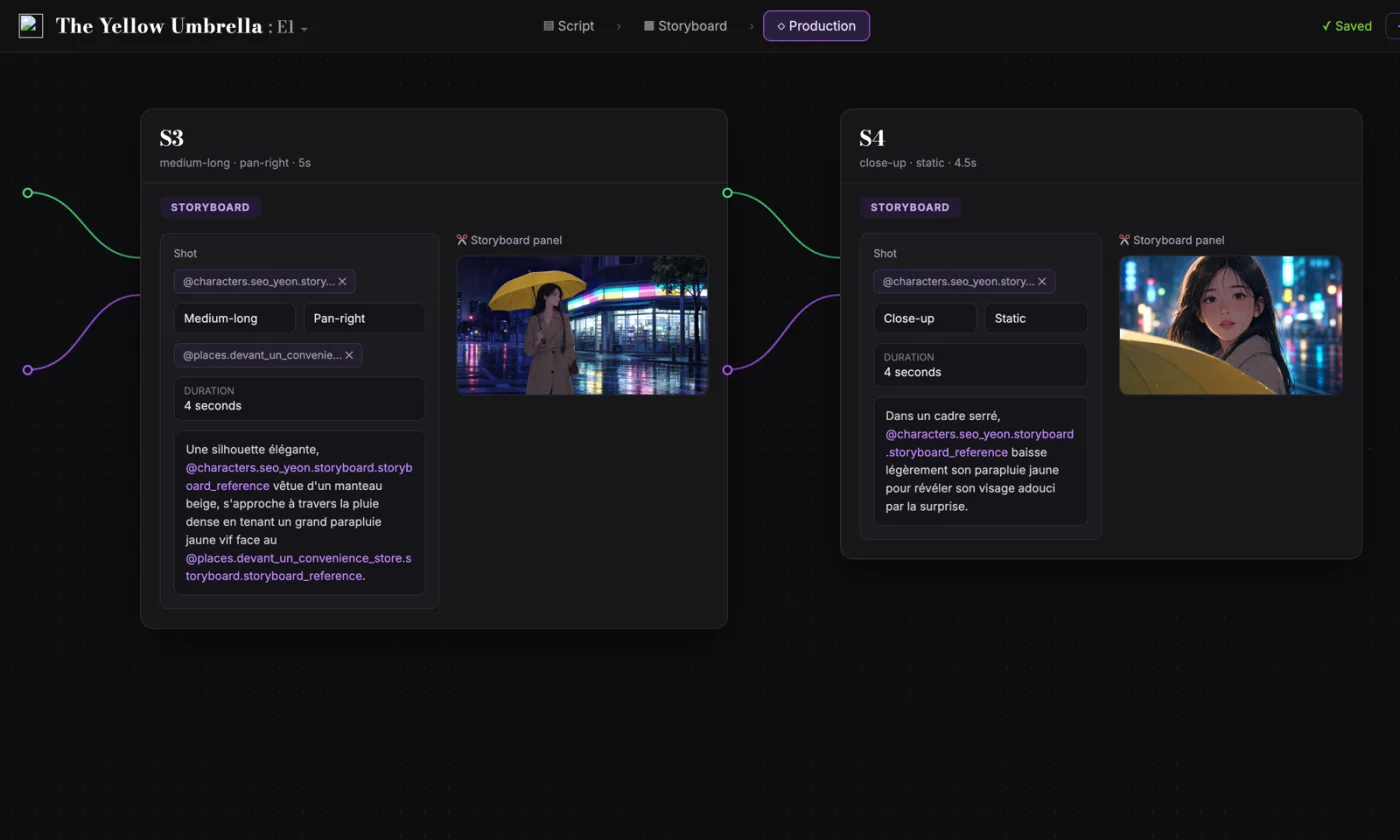
ScreenWeaver 把剧本自动拆解为镜头表,再生成分镜。角色、场景和参考图在镜头之间一路延续。
- 0 美元,永不过期
- 导出 PDF 和 Final Draft
- Mac、Windows、Linux、iPad
试戏片段生成器:完整指南
它在本地解析你的 Fountain 或纯文本剧本,识别场次和有台词的人物,自动选出某个角色的场次,也可以让你手动勾选,然后把这些片段导出成标准剧本 PDF,带页眉、可选水印和页码。
这类工作的核心问题很清楚:把一个人物的场次从剧本里挑出来、重新排成干净的试戏片段,是很慢的手工活,而现有的生成器全都把它藏在注册墙后面。不解决,它就会在后面的环节制造摩擦,让决策变慢。实际要达到的是格式正确的试镜或拍摄片段,Courier 12 的 PDF,在浏览器里一分钟内做好,不用注册。
需要记住的限制:它遵循通行的场景标题和人物名约定,所以格式很不规范的稿子(小写标题、人物名埋在动作里)需要先清理,而页数是估算,不等同于 Final Draft 的分页。
进阶用法:选角团队按收件人各生成一份带水印的 PDF,页脚写上读稿人和日期,这样一旦片段流到网上,就能追回到是哪一份泄的。
一步步怎么做
- 粘贴剧本或加载 .fountain、.txt 文件,然后确认识别出的场次列表和你稿子里的场景标题一致。
- 切到按人物模式并选角色:这个人物有台词的每一场都会自动选中,你仍然可以取消勾选那些泄底太多的场次。
- 设定页眉文字(试镜片段、拍摄片段,或者自定义一行)、项目名,以及写着收件人和日期的水印。
- 核对场次和页数的汇总,导出 PDF,再按角色或按拍摄日重复,因为改选择只要几秒钟。
按角色分的使用场景
- 选角导演:从制片方批准的那一稿里,为每个角色搭出试镜材料,一行都不用重打。
- 第二副导演:把排好的场次抽成拍摄片段,编号和顺序都和通告单对得上。
- 演员:做一份自己的片段,把自己的台词加粗,加快对词和自拍试镜的准备。
常见的坑
- 只把演员自己的台词发过去,而不是完整场次,等于抽掉了这段读稿赖以成立的语境。
- 上午的试镜到前一天晚上才发片段,而不是通行的提前 24 到 48 小时。
- 在保密材料上省掉水印,一旦泄露就根本无从追查。
行业里的做法
- 试镜就挑两三场能显出这个角色不同侧面的戏,而不是三段最长的台词。
- 拍摄片段保持剧本顺序,这样它们和条形表以及通告单的场次栏一致。
- 把试镜人物的台词加粗,紧张的读稿人一眼就能找到自己的下一句。
把这个工具的输出当成决策的辅助,而不是写作本身的替代。一个好剧本被记住,靠的是具体的选择、准确的情绪,以及戏剧动作的清晰。工具的作用是把噪音去掉,让你的精力落到真正要紧的地方:人物、冲突、升级和兑现。每过一轮就回看一次结果,把接受的改动记下来,你的工作方式会一稿比一稿更快、更可预期。这种稳定正是专业合作者看重的东西:意外更少,理由更清楚,剧本朝着有意识的方向长。
延伸问答
试戏片段该提前多久给到演员?
业内的做法是在试镜前 24 到 48 小时。少于这个,准备的质量会掉;远多于这个,材料流通的时间又超过选角方愿意接受的范围。当天才给的片段留给冷读,那考的是另一种能力。
试镜片段和拍摄片段有什么区别?
试镜片段是选角方挑出来测试某个角色的场次,会发给很多演员。拍摄片段是某一个拍摄日排定的场次,由副导演组抽出来,随通告单一起发,让演职人员都在同样的几页上工作。
试镜片段应该多少页?
通常 2 到 6 页,涵盖两三场戏。够展示层次,又短到能在一两天里准备扎实。系列常规角色的试镜有时更长,但超过 10 页,你要的就是一场工作坊,不是一次读稿。
能用 Fountain 文件做片段吗?
能。直接加载 .fountain 文件或者粘贴文本:解析器认得 Fountain 的场景标题、强制标题、(V.O.) 这类人物扩展,以及双人同时对白的标记。从任何编辑器粘来的剧本文本,遵循的也是同一套约定。
副导演怎么为通告单抽片段?
第二副导演拿次日通告上的场次,从最新修订稿里按拍摄顺序抽出来,随通告单打印或发送。用场次模式的话,这就是照着通告勾一遍框,然后导出一次。
片段该不该包含我的人物不说话的场次?
有时候该。按人物选择会自动找出有台词的场次,但如果某场无台词的戏对这个角色很要紧(一个揭示,或者导演在意的一个反应),导出前手动把它的框勾上。
常见问题
试戏片段是制作方用来代替完整剧本发出去的那些选定场次:演员在试戏时读的两三场戏,或者随通告单一起发出的当天排定场次。它们保留完整的场次,包括其他人物的台词,材料因此在上下文里仍然成立。
挑出能展示这个角色幅度的场次,通常两到三场,每一场从场景标题到最后一句台词保持完整,然后按标准剧本格式导出,页眉写清项目和人物。这个工具就是这么做的:选好人物、调整场次勾选框、下载 PDF。
试戏时几乎总是只有片段。制作方要保护还没面世的剧本,选角部门也希望每个演员准备的是同一份材料。演员通常在定下角色之后才拿到完整剧本,而在一些保密很严的项目里,即便那时也只拿到自己的场次。
因为片段是引流的钩子:StudioBinder、WriterDuet 和 Actors Access 都把片段生成挡在注册后面,好向你推销他们的付费平台。解析场景标题、在 Letter 纸上打印 Courier,既不需要服务器,也不需要账号,更不需要你的邮箱,所以这个工具一样都不要。
不会。解析、场次选择和 PDF 生成全都由 JavaScript 在你的浏览器里完成。无论你是粘贴文本还是载入 .fountain 或 .txt 文件,剧本都不会离开你的设备,这让这个工具对签了保密协议的剧本也适用。