ตัวสร้างไซด์บท
ตัวสร้างไซด์บทฟรี ไม่ต้องสมัคร
วางบทแล้วตัวสร้างไซด์ฟรีนี้จะดึงส่วนของฉากที่คุณต้องการสำหรับการแคสต์หรือวันถ่ายออกมาให้ตรงเป๊ะ จัดรูปแบบเป็น PDF บทที่ถูกต้อง สร้างมาเพื่อผู้กำกับแคสติง ผู้ช่วยผู้กำกับ และนักแสดงที่เบื่อการคัดลอกฉากลงเอกสารด้วยมือหรือการสมัครบัญชีเพียงเพื่อส่งออกสามหน้า
ไซด์คือฉากที่การผลิตแจกจริง ฝ่ายแคสติงส่งฉากสำหรับแคสต์ให้นักแสดงแทนบทฉบับเต็ม และผู้ช่วยผู้กำกับดึงฉากของวันนั้นออกมาใส่ในชุดเอกสารใบเรียกกอง เครื่องมือจะอ่านหัวฉากและชื่อตัวละครของคุณ คุณจึงเลือกตัวละครแล้วได้ฉากที่เขาพูดถูกเลือกให้อัตโนมัติ หรือจะติ๊กเลือกฉากด้วยมือก็ได้
ทุกอย่างทำงานในเบราว์เซอร์ของคุณ บทของคุณถูกอ่านในเครื่องและไม่เคยออกจากอุปกรณ์ ไม่ว่าคุณจะวางตัวบทหรือโหลดไฟล์ .fountain หรือ .txt
วางบทของคุณด้านบนหรือโหลดไฟล์เพื่อดูฉากและตัวละคร
วิธีการทำงาน
เครื่องมืออ่านตัวบทของคุณทีละบรรทัดตามธรรมเนียมมาตรฐานของบทภาพยนตร์ หัวฉากที่ขึ้นต้นด้วยคำนำหน้ามาตรฐานจะเปิดฉากใหม่ บรรทัดตัวพิมพ์ใหญ่ที่ตามด้วยบทสนทนาคือชื่อตัวละคร และส่วนขยายอย่าง (V.O.) หรือ (ต่อ) จะถูกตัดออกตอนจับคู่ตัวละครข้ามฉาก เลือกตัวละครแล้วตัวสร้างจะเลือกฉากที่เขาพูดให้ตรงเป๊ะ หรือสลับไปโหมดฉากเพื่อสร้างชุดเอกสารสำหรับถ่ายทำด้วยมือ การส่งออกทำตามเลย์เอาต์ฮอลลีวูด Courier 12 บนกระดาษ US Letter ระยะขอบซ้าย 3.8 ซม. การย่อหน้าบทสนทนามาตรฐาน บล็อกหัวหน้าที่มีป้ายกับชื่อโปรเจกต์ เลขหน้า และตัวคั่นจบฉากหลังทุกส่วนที่ตัดมา
วิธีเตรียมไซด์สำหรับการแคสต์และวันถ่าย
ไซด์มีอยู่เพราะไม่มีใครแจกบททั้งเรื่อง ฝ่ายแคสติงแจกไซด์เพื่อให้นักแสดงเตรียมสองสามฉากแทนที่จะเป็น 110 หน้า และเพื่อไม่ให้บทที่ยังไม่ได้ผลิตเวียนออกไปก่อนที่การผลิตจะพร้อม บนกองถ่าย ผู้ช่วยผู้กำกับดึงไซด์ของฉากที่อยู่ในใบเรียกกองวันนั้น ทีมงานกับนักแสดงจึงถือห้าหน้าแทนที่จะถือแฟ้มทั้งเล่ม ตัวสร้างไซด์ทำส่วนที่น่าเบื่อให้อัตโนมัติ นั่นคือการหาทุกฉากที่ตัวละครหนึ่งพูดและจัดรูปแบบส่วนเหล่านั้นใหม่เป็น PDF ที่สะอาด
มารยาทสำคัญกว่าการจัดรูปแบบ นักแสดงควรได้รับไซด์ล่วงหน้า 24 ถึง 48 ชั่วโมงก่อนอ่าน ซึ่งพอที่จะตัดสินใจเรื่องการแสดงโดยไม่ต้องท่องจำสมุดโทรศัพท์ ไซด์เก็บหัวฉาก บรรทัดแอ็กชันที่ให้บริบท และบทสนทนาโต้ตอบครบถ้วน ไม่ใช่แค่บทพูดของตัวละครเดียวที่ถูกดึงออกจากบริบท นั่นคือเหตุผลที่ตัวสร้างนี้ส่งออกทั้งฉาก คนที่อ่านคู่ยังต้องการอีกครึ่งหนึ่งของบทสนทนา
เครื่องมือทำไซด์ทุกตัวที่ควรค่าแก่การเอ่ยถึง (StudioBinder, WriterDuet, Actors Access) วางฟังก์ชันนี้ไว้หลังบัญชีผู้ใช้ และบางตัวไว้หลังแพ็กเกจเสียเงิน ไม่มีเหตุผลทางเทคนิคใดรองรับ การอ่านหัวฉากและการพิมพ์ Courier เป็นงานของเบราว์เซอร์ ตัวสร้างไซด์นี้ฟรี ไม่ต้องสมัคร และไม่เคยอัปโหลดบทของคุณ ซึ่งแปลว่ามันใช้กับงานที่มีข้อตกลงรักษาความลับได้ด้วย วาง เลือก ดาวน์โหลด จบ
เหมาะกับใคร
- ผู้กำกับแคสติงและผู้ช่วย ดึงฉากสำหรับแคสต์ของแต่ละบทบาทได้ในไม่กี่นาที เพิ่มลายน้ำรายผู้รับ แล้วส่งชุดเอกสารที่สะอาดให้นักแสดงแทนบทฉบับเต็มที่เต็มไปด้วยรอยขีดเขียน
- ผู้ช่วยผู้กำกับและฝ่ายประสานงานการผลิต สร้างไซด์สำหรับถ่ายทำของวันนั้นเพื่อใส่ในชุดเอกสารใบเรียกกอง โดยติ๊กเลือกฉากที่จัดคิวไว้ตามลำดับของบท
- นักแสดงและคนที่อัดเทปเอง เมื่อการผลิตส่งบทฉบับเต็มมาแล้วบอกให้เลือกฉากเอง ให้สร้างไซด์ของตัวเองพร้อมทำชื่อคุณให้เป็นตัวหนา จะได้ซ้อมบทได้เร็วขึ้น
จากบทถึงช็อตครบในที่เดียว
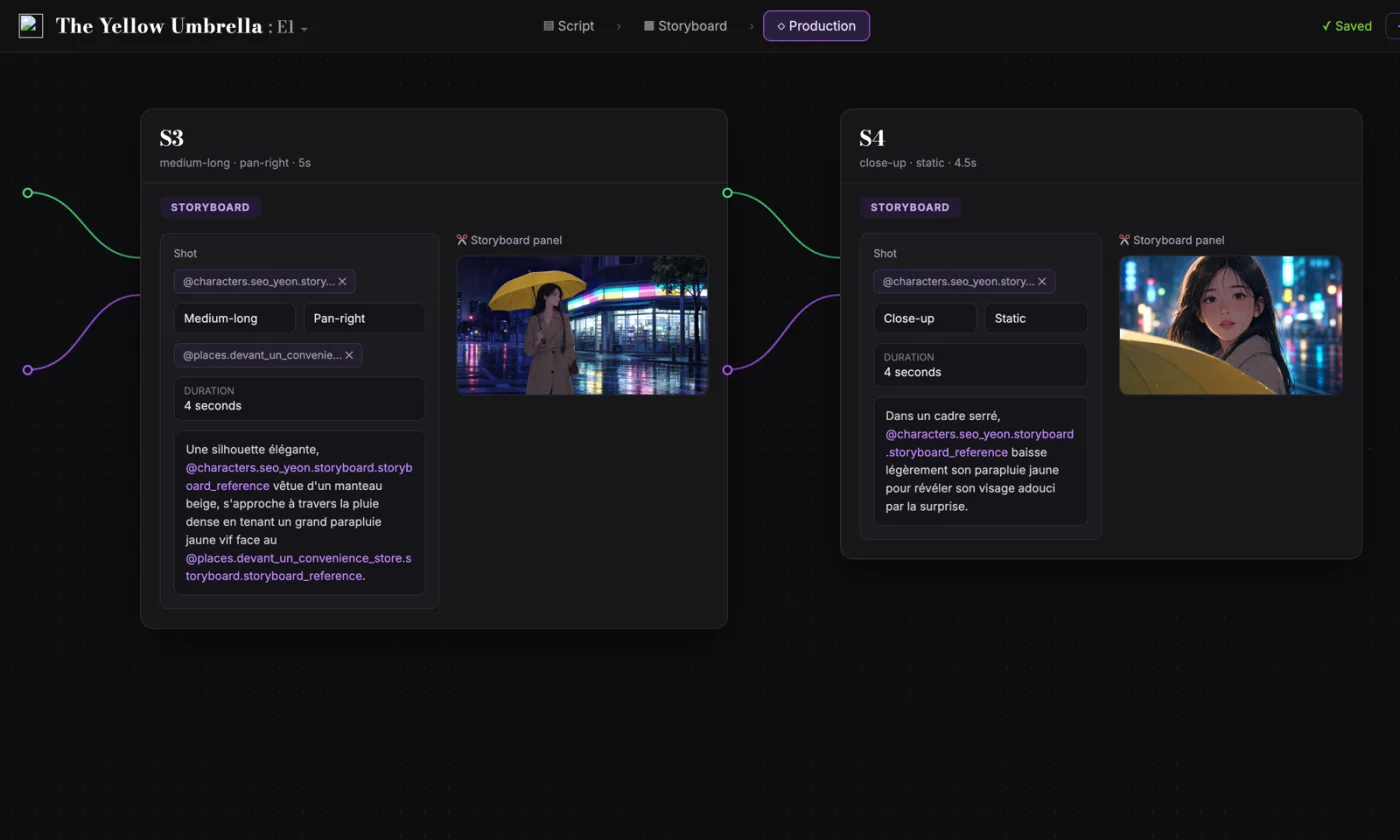
ScreenWeaver แตกบทภาพยนตร์เป็นช็อตโดยอัตโนมัติ แล้วต่อเป็นสตอรีบอร์ด ตัวละคร โลเคชัน และภาพอ้างอิงตามไปทุกช็อต
- 0 ดอลลาร์ ไม่มีวันหมดอายุ
- ส่งออกเป็น PDF และ Final Draft
- Mac, Windows, Linux, iPad
ตัวสร้างไซด์จากบท: คู่มือฉบับเต็ม
มันอ่านบท Fountain หรือบทข้อความธรรมดาของคุณในเครื่อง ตรวจหาฉากและตัวละครที่มีบทพูด เลือกฉากของตัวละครให้อัตโนมัติหรือให้คุณติ๊กเองก็ได้ แล้วส่งออกส่วนที่ตัดมาเป็น PDF บทมาตรฐาน พร้อมหัวกระดาษ ลายน้ำถ้าต้องการ และเลขหน้า
ในงานแบบนี้ ปัญหาหลักชัดเจนอยู่แล้ว: การดึงฉากของตัวละครออกจากบทแล้วจัดรูปแบบใหม่เป็นไซด์ที่สะอาดเป็นงานมือที่ช้า และตัวสร้างที่มีอยู่ทุกเจ้าก็ซ่อนมันไว้หลังการสมัครบัญชี ถ้าปล่อยไว้ มันจะไปสร้างความติดขัดในขั้นถัดไปและทำให้ตัดสินใจช้าลง เป้าหมายที่จับต้องได้คือ ไซด์สำหรับออดิชันหรือสำหรับกองถ่ายที่จัดรูปแบบถูกต้อง เป็น PDF ฟอนต์ Courier 12 สร้างในเบราว์เซอร์ได้ในไม่ถึงหนึ่งนาที และไม่ต้องสมัคร
ข้อจำกัดที่ควรจำไว้: มันยึดธรรมเนียมของหัวฉากและชื่อตัวละคร ดังนั้นบทที่จัดรูปแบบผิดแผกมาก (หัวฉากตัวเล็ก ชื่อตัวละครฝังอยู่ในแอ็กชัน) อาจต้องเก็บกวาดก่อน และจำนวนหน้าเป็นค่าประมาณ ไม่ใช่การแบ่งหน้าที่ตรงกับ Final Draft
การใช้งานขั้นสูง: ทีมคัดนักแสดงจะสร้าง PDF ที่มีลายน้ำหนึ่งไฟล์ต่อผู้รับหนึ่งคน โดยระบุชื่อผู้อ่านและวันที่ไว้ที่ท้ายหน้า ถ้าไซด์หลุดขึ้นอินเทอร์เน็ต ก็ตามรอยกลับไปยังสำเนาที่หลุดได้
วิธีทำทีละขั้น
- วางบทของคุณหรือเปิดไฟล์ .fountain หรือ .txt แล้วยืนยันว่ารายการฉากที่ตรวจได้ตรงกับหัวฉากในร่างของคุณ
- สลับไปโหมดรายตัวละครแล้วเลือกบท ทุกฉากที่ตัวละครนั้นมีบทพูดจะถูกเลือกให้อัตโนมัติ และคุณยังเอาฉากที่เปิดเผยมากเกินไปออกได้
- ตั้งข้อความหัวกระดาษ (ไซด์ออดิชัน ไซด์กองถ่าย หรือข้อความของคุณเอง) ชื่อโปรเจกต์ และลายน้ำที่ระบุผู้รับกับวันที่
- ตรวจสรุปจำนวนฉากและหน้า ส่งออก PDF แล้วทำซ้ำทีละบทหรือทีละวันถ่าย เพราะการเปลี่ยนรายการที่เลือกใช้เวลาไม่กี่วินาที
ตัวอย่างการใช้งานตามบทบาท
- ผู้กำกับการแสดง: สร้างชุดออดิชันของแต่ละบทจากร่างที่ฝ่ายผลิตอนุมัติ โดยไม่ต้องพิมพ์ใหม่สักบรรทัด
- ผู้ช่วยผู้กำกับคนที่สอง: ดึงฉากที่จัดไว้ในตารางออกมาเป็นไซด์สำหรับกองถ่ายที่ตรงกับเลขฉากและลำดับในใบเรียกกอง
- นักแสดง: ทำไซด์ส่วนตัวโดยเน้นบทของตัวเองให้หนา เพื่อซ้อมบทและตั้งกล้องอัดเทปได้เร็วขึ้น
ข้อผิดพลาดที่พบบ่อย
- ส่งให้นักแสดงเฉพาะบทพูดของเขาแทนที่จะเป็นฉากเต็ม ซึ่งตัดบริบทที่การอ่านต้องพึ่งพาออกไป
- แจกไซด์ในคืนก่อนวันออดิชันตอนเช้า แทนที่จะเป็น 24 ถึง 48 ชั่วโมงล่วงหน้าตามมาตรฐาน
- ข้ามลายน้ำในเนื้อหาที่เป็นความลับ ทำให้หน้าที่หลุดออกไปตามรอยไม่ได้เลย
แนวปฏิบัติของมืออาชีพ
- สำหรับออดิชัน ให้เลือกสองหรือสามฉากที่แสดงคนละอารมณ์ของบทนั้น ไม่ใช่สามบทพูดที่ยาวที่สุด
- ในไซด์กองถ่ายให้เรียงฉากตามบท จะได้ตรงกับบอร์ดลำดับถ่ายและคอลัมน์ฉากในใบเรียกกอง
- ทำบทของตัวละครที่กำลังออดิชันให้เป็นตัวหนา คนอ่านที่ตื่นเต้นจะได้หาบรรทัดถัดไปเจอในพริบตา
ให้ถือว่าผลลัพธ์จากเครื่องมือนี้เป็นตัวช่วยตัดสินใจ ไม่ใช่ตัวแทนการเขียน บทที่ดีถูกจดจำจากการเลือกที่เฉพาะเจาะจง ความแม่นยำทางอารมณ์ และความชัดเจนของการเคลื่อนของเรื่อง เครื่องมือช่วยตัดเสียงรบกวนออก เพื่อให้แรงของคุณไปลงตรงที่สำคัญจริง ๆ คือตัวละคร ความขัดแย้ง การยกระดับ และการจ่ายคืน ถ้าคุณทบทวนผลลัพธ์หลังทุกรอบและจดบันทึกสิ่งที่ยอมรับไว้ วิธีทำงานของคุณจะเร็วขึ้นและคาดเดาได้มากขึ้นจากร่างหนึ่งไปอีกร่างหนึ่ง ความสม่ำเสมอแบบนี้คือสิ่งที่คนทำงานมืออาชีพให้ค่า คือเซอร์ไพรส์น้อยลง เหตุผลชัดขึ้น และบทที่พัฒนาไปอย่างมีเจตนา
คำถามเชิงลึก
ควรส่งไซด์ออดิชันให้นักแสดงล่วงหน้าแค่ไหน
มาตรฐานที่ใช้กันคือ 24 ถึง 48 ชั่วโมงก่อนรอบออดิชัน น้อยกว่านั้นการเตรียมตัวจะแย่ลง มากกว่านั้นมาก เนื้อหาก็จะหมุนเวียนอยู่นานกว่าที่ฝ่ายคัดนักแสดงต้องการ ส่วนไซด์แบบให้วันเดียวกันเก็บไว้สำหรับการอ่านสด ซึ่งวัดทักษะคนละอย่าง
ไซด์ออดิชันกับไซด์กองถ่ายต่างกันยังไง
ไซด์ออดิชันคือฉากที่ฝ่ายคัดนักแสดงเลือกมาทดสอบบทหนึ่งบท แล้วส่งให้นักแสดงหลายคน ส่วนไซด์กองถ่ายคือฉากที่จัดไว้สำหรับวันถ่ายหนึ่งวัน ทีมผู้ช่วยผู้กำกับดึงออกมาและแจกพร้อมใบเรียกกอง เพื่อให้นักแสดงและทีมงานทำงานจากหน้ากระดาษชุดเดียวกัน
ไซด์ออดิชันควรมีกี่หน้า
ปกติ 2 ถึง 6 หน้า ครอบคลุมสองหรือสามฉาก มากพอจะโชว์ระยะของการแสดง สั้นพอจะเตรียมได้ดีในหนึ่งถึงสองวัน ออดิชันบทประจำซีรีส์บางครั้งยาวกว่านั้น แต่ถ้าเกิน 10 หน้า คุณกำลังขอเวิร์กช็อป ไม่ใช่การอ่านบท
ทำไซด์จากไฟล์ Fountain ได้ไหม
ได้ เปิดไฟล์ .fountain ตรง ๆ หรือวางข้อความก็ได้ ตัวอ่านเข้าใจหัวฉากแบบ Fountain หัวฉากที่บังคับ ส่วนขยายของตัวละครอย่าง (V.O.) และเครื่องหมายบทพูดคู่ขนาน ข้อความบทที่วางมาจากโปรแกรมไหนก็ใช้ธรรมเนียมเดียวกัน
ผู้ช่วยผู้กำกับดึงไซด์สำหรับชุดใบเรียกกองยังไง
ผู้ช่วยผู้กำกับคนที่สองเอาฉากในตารางของวันถัดไป ดึงออกจากบทฉบับแก้ล่าสุดตามลำดับถ่าย แล้วพิมพ์หรือส่งไปพร้อมใบเรียกกอง ถ้าใช้โหมดรายฉาก มันคือการติ๊กช่องตามตารางหนึ่งรอบแล้วส่งออกครั้งเดียว
ไซด์ควรมีฉากที่ตัวละครของฉันไม่พูดด้วยไหม
บางครั้งควร การเลือกรายตัวละครจะหาฉากที่มีบทพูดให้เอง แต่ถ้าฉากที่ไม่มีบทพูดสำคัญกับบทนั้น (การเปิดเผยอะไรบางอย่าง หรือปฏิกิริยาที่ผู้กำกับให้ความสำคัญ) ให้เพิ่มด้วยมือผ่านช่องติ๊กก่อนส่งออก
คำถามที่พบบ่อย
ไซด์คือส่วนของฉากที่ถูกเลือกมาซึ่งการผลิตแจกแทนบทฉบับเต็ม ทั้งสองสามฉากที่คนอ่านตอนแคสต์ หรือฉากที่จัดคิวไว้ของวันนั้นซึ่งแจกพร้อมใบเรียกกอง มันเก็บฉากไว้ครบทั้งฉาก รวมถึงบทพูดของตัวละครอื่น เนื้อหาจึงยังทำงานได้ในบริบทของมัน
เลือกฉากที่แสดงช่วงการแสดงของบทบาทนั้น โดยปกติสองหรือสามฉาก เก็บแต่ละฉากไว้ครบตั้งแต่หัวฉากถึงบทพูดสุดท้าย แล้วส่งออกในรูปแบบบทมาตรฐานพร้อมหัวหน้าที่ระบุชื่อโปรเจกต์กับตัวละคร เครื่องมือนี้ทำให้ทั้งหมด เลือกตัวละคร ปรับช่องติ๊กของฉาก แล้วดาวน์โหลด PDF
สำหรับการแคสต์ ส่วนใหญ่ได้แค่ไซด์ การผลิตปกป้องบทที่ยังไม่เผยแพร่ และฝ่ายแคสติงอยากให้นักแสดงทุกคนเตรียมเนื้อหาชุดเดียวกัน โดยทั่วไปนักแสดงจะได้บทฉบับเต็มหลังได้รับเลือกแล้ว และในโปรเจกต์ที่คุมเข้มอาจได้แค่ฉากของตัวเองแม้ในตอนนั้น
เพราะไซด์เป็นตัวล่อ StudioBinder, WriterDuet และ Actors Access ล้วนวางการสร้างไซด์ไว้หลังการสมัคร เพื่อจะได้เสนอขายแพลตฟอร์มเสียเงินของเขาให้คุณ การอ่านหัวฉากและการพิมพ์ Courier บนกระดาษ Letter ไม่ต้องใช้เซิร์ฟเวอร์ ไม่ต้องใช้บัญชี และไม่ต้องใช้อีเมลของคุณ เครื่องมือนี้จึงไม่ขออะไรเลย
ไม่ การอ่านบท การเลือกฉาก และการสร้าง PDF ทำงานด้วย JavaScript ในเบราว์เซอร์ของคุณทั้งหมด ไม่ว่าคุณจะวางตัวบทหรือโหลดไฟล์ .fountain หรือ .txt บทก็ไม่เคยออกจากอุปกรณ์ของคุณ ซึ่งทำให้เครื่องมือนี้ปลอดภัยสำหรับบทที่มีข้อตกลงรักษาความลับ