ตัวสร้างคิวชีตดนตรี
สร้างเอกสารที่องค์กรจัดเก็บลิขสิทธิ์และเทศกาลต้องการ
ตัวสร้างคิวชีตดนตรีฟรีนี้สร้างเอกสารมาตรฐานที่บอกองค์กรจัดเก็บลิขสิทธิ์ว่าหนังของคุณมีเพลงอะไรบ้าง ใครเป็นคนแต่ง ใช้อย่างไร และนานเท่าไร สร้างมาเพื่อคนทำหนัง คนแต่งเพลง และฝ่ายควบคุมงานหลังการถ่ายทำที่กำลังเตรียมชุดเอกสารสำหรับเทศกาลหรือการจัดจำหน่าย
องค์กรจัดเก็บลิขสิทธิ์ (ASCAP, BMI, SESAC, SOCAN, PRS) จ่ายค่าลิขสิทธิ์ให้คนแต่งเพลงและผู้จัดพิมพ์โดยตรงจากคิวชีต ผู้จัดจำหน่ายและเทศกาลจึงระบุมันไว้ในรายการเอกสารที่ต้องส่ง แต่ละคิวมีประเภทการใช้งานกำกับ เพราะประเภทการใช้งานเปลี่ยนน้ำหนักของค่าลิขสิทธิ์ การใช้แบบเห็นภาพและการใช้ในไตเติลมักจ่ายมากกว่าการใช้เป็นเสียงประกอบพื้นหลังในสูตรการจ่ายขององค์กรเหล่านี้ ไทม์โค้ดเขียนเป็น ชม:นาที:วินาที เพราะองค์กรให้เครดิตเพลงตามความยาว ไม่ใช่ตามเฟรม
ทุกอย่างทำงานในเบราว์เซอร์ของคุณและบันทึกอัตโนมัติในเครื่อง ไม่มีข้อมูลคิว ข้อมูลติดต่อ หรือรายละเอียดการผลิตถูกส่งไปยังเซิร์ฟเวอร์ใด
หนึ่งแถวต่อหนึ่งคิว เรียงตามลำดับการเล่น ความยาวคำนวณจากไทม์โค้ดเข้าและออก
คิวชีตของคุณบันทึกอัตโนมัติในเบราว์เซอร์นี้ คุณจึงปิดแท็บแล้วกลับมาทำต่อได้
ความยาวดนตรีรวม
00:00:00
0 จาก 1 คิวมีไทม์โค้ดที่ถูกต้องและถูกนับรวมในผลรวม
วิธีการทำงาน
กรอกหัวเอกสารของการผลิต แล้วเพิ่มหนึ่งแถวต่อหนึ่งคิวเพลง ทั้งชื่อ ผู้ประพันธ์ ผู้จัดพิมพ์ ผู้บรรเลง องค์กรจัดเก็บลิขสิทธิ์ ประเภทการใช้งาน และไทม์โค้ดเข้ากับออก เครื่องมือจะตรวจไทม์โค้ดแต่ละอัน คำนวณความยาวของแต่ละคิว และรวมความยาวดนตรีทั้งหมด การส่งออก PDF จะจัดแผ่นเป็นตารางแนวนอนโดยมีบล็อกหัวเอกสารอยู่ด้านบน ซึ่งเป็นรูปแบบที่ฝ่ายควบคุมดนตรีและผู้จัดจำหน่ายคาดหวัง ส่วน CSV เปิดใน Excel หรือ Google Sheets ได้ทันทีสำหรับการผลิตที่ติดตามคิวในสเปรดชีต
วิธีกรอกคิวชีต และใครเป็นคนอ่านมันจริง ๆ
คิวชีตสำหรับเทศกาลไม่ใช่เอกสารที่ทำเพื่อทำ เมื่อหนังของคุณฉายหรือออกอากาศ โรงหรือสถานีจะรายงานการใช้งานไปยังองค์กรจัดเก็บลิขสิทธิ์ แล้วองค์กรจะจ่ายเงินให้คนแต่งเพลงของคุณจากคิวชีตที่ยื่นไว้ ไม่มีคิวชีตก็ไม่มีค่าลิขสิทธิ์ ซึ่งคือเหตุผลที่คนแต่งเพลงคอยผลักดันให้ฝ่ายผลิตยื่นมัน และเหตุผลที่ผู้จัดจำหน่ายปฏิเสธชุดเอกสารที่ขาดมันไป
คอลัมน์ประเภทการใช้งานสำคัญกว่าที่ฝ่ายผลิตมือใหม่ส่วนใหญ่คิด ดนตรีบรรเลงประกอบใต้บทสนทนามีน้ำหนักค่าลิขสิทธิ์ต่ำกว่าเพลงร้องที่เห็นการแสดงในภาพ และธีมไตเติลหลักกับไตเติลท้ายเรื่องมีน้ำหนักของตัวเอง การกาให้ทุกคิวเป็นเสียงประกอบพื้นหลังเพราะมันเป็นค่าตั้งต้น คือความผิดพลาดที่พบบ่อยและทำให้คนแต่งเพลงเสียเงินจริงตลอดหลายปีที่หนังยังฉายอยู่
ไทม์โค้ดควรมาจากภาพที่ล็อกแล้ว เขียนเป็น ชม:นาที:วินาที นับจากจุดเริ่มของรายการ องค์กรให้เครดิตตามความยาว คิวชีตที่มีจุดออกลวก ๆ หรือขาดหายจึงนับดนตรีต่ำกว่าความจริง ตัวสร้างคิวชีตนี้คำนวณความยาวทุกคิวและยอดรวมให้คุณ ส่งออก PDF สำหรับโฟลเดอร์เอกสาร และให้ CSV เพื่อให้ข้อมูลชุดเดียวกันป้อนเข้าแม่แบบของผู้จัดจำหน่ายได้เมื่อเขายืนกรานจะใช้ของเขาเอง
เหมาะกับใคร
- ฝ่ายผลิตอิสระ เคลียร์รายการเอกสารด้านดนตรีในเช็กลิสต์การจัดจำหน่ายโดยไม่ต้องซื้อซอฟต์แวร์ควบคุมดนตรีเพื่อโปรเจกต์เดียว
- คนแต่งเพลง ส่งคิวชีตที่เสร็จแล้วให้ฝ่ายผลิต โดยระบุองค์กรจัดเก็บลิขสิทธิ์และหน่วยผู้จัดพิมพ์ของคุณอย่างถูกต้อง ค่าลิขสิทธิ์จะได้เดินทางมาถึงคุณจริง ๆ
- ฝ่ายควบคุมงานหลังการถ่ายทำ บันทึกคิวเทียบกับไทม์โค้ดของภาพที่ล็อกแล้ว และส่งออกทั้ง PDF กับ CSV ชุดเอกสารสำหรับเทศกาลกับตัวติดตามภายในจึงตรงกันเสมอ
จากบทถึงช็อตครบในที่เดียว
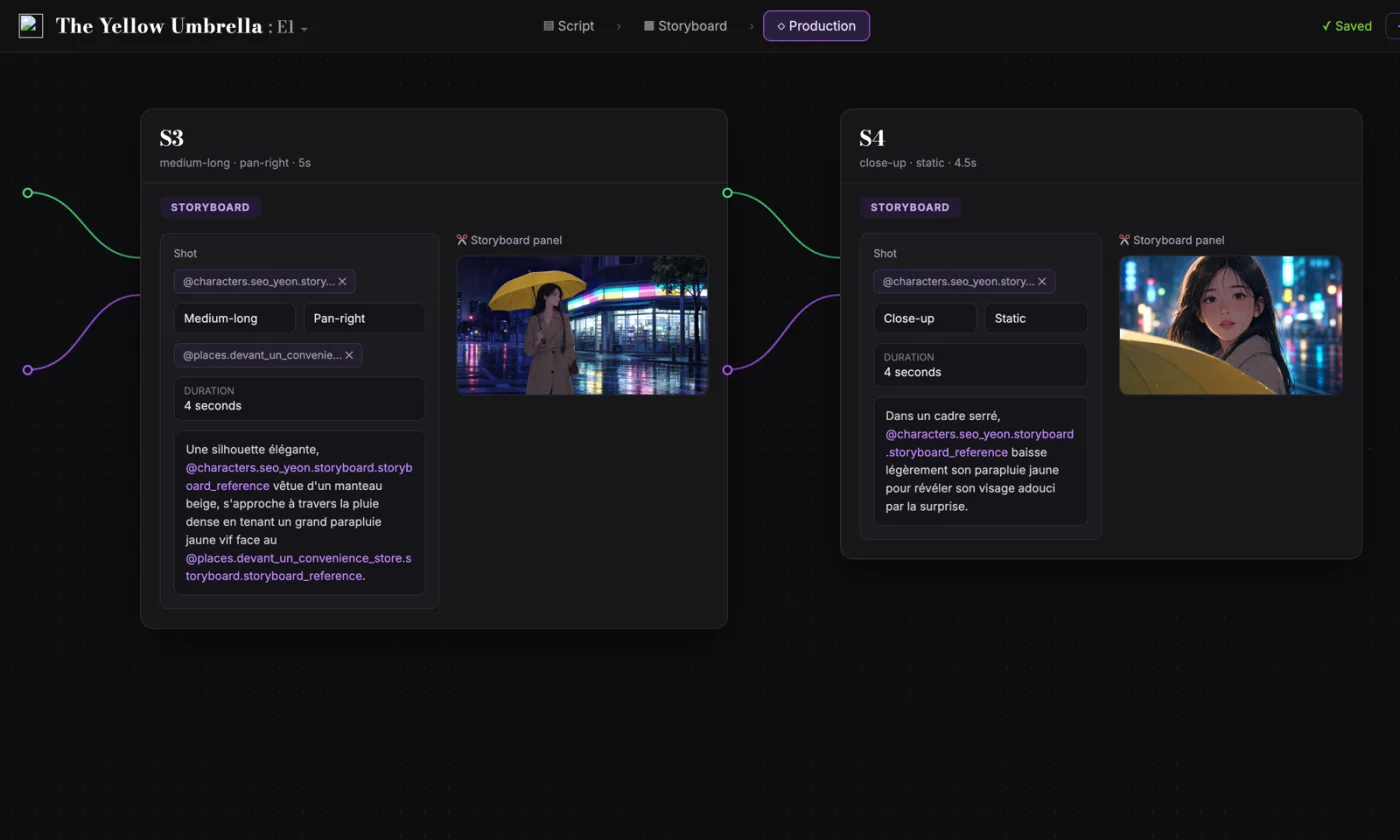
ScreenWeaver แตกบทภาพยนตร์เป็นช็อตโดยอัตโนมัติ แล้วต่อเป็นสตอรีบอร์ด ตัวละคร โลเคชัน และภาพอ้างอิงตามไปทุกช็อต
- 0 ดอลลาร์ ไม่มีวันหมดอายุ
- ส่งออกเป็น PDF และ Final Draft
- Mac, Windows, Linux, iPad
ตัวสร้างคิวชีตเพลง: คู่มือฉบับเต็ม
มันเก็บส่วนหัวของงานสร้างและหนึ่งแถวต่อหนึ่งคิวเพลง (ชื่อเพลง นักแต่ง ผู้จัดพิมพ์ ผู้บรรเลง องค์กรจัดเก็บลิขสิทธิ์ ประเภทการใช้ ไทม์โค้ดเข้าและออก) คำนวณความยาวรายคิวและรวม แล้วส่งออกเป็น PDF แนวนอนหรือ CSV
ในงานแบบนี้ ปัญหาหลักชัดเจนอยู่แล้ว: คิวชีตเป็นเอกสารส่งมอบที่ต้องมี และเป็นฐานที่องค์กรจัดเก็บลิขสิทธิ์ใช้จ่ายค่าตอบแทนให้นักแต่งเพลง แต่งานส่วนใหญ่กลับมาถึงวันส่งมอบโดยยังไม่มี แล้วต้องมานั่งนึกเวลาเพลงย้อนหลัง ถ้าปล่อยไว้ มันจะไปสร้างความติดขัดในขั้นถัดไปและทำให้ตัดสินใจช้าลง เป้าหมายที่จับต้องได้คือ คิวชีตที่ครบและจัดรูปแบบถูกต้อง มีไทม์โค้ดที่ตรวจแล้ว ความยาวที่คำนวณให้ และไฟล์ PDF กับ CSV พร้อมใส่ในชุดส่งมอบ
ข้อจำกัดที่ควรจำไว้: มันไม่ตรวจสัดส่วนของผู้แต่ง ไม่ตรวจนิติบุคคลผู้จัดพิมพ์ และไม่ตรวจการจดทะเบียนกับองค์กรจัดเก็บลิขสิทธิ์กับฐานข้อมูลใด และทำงานเป็น HH:MM:SS แทนไทม์โค้ดระดับเฟรม ซึ่งตรงกับธรรมเนียมขององค์กรจัดเก็บ แต่ไม่ตรงกับ EDL
การใช้งานขั้นสูง: ทีมงานหลังถ่ายทำกรอกชีตกับภาพที่ล็อกแล้ว ส่งออก CSV เข้าตารางติดตามการส่งมอบ และส่งออก PDF ใหม่ทุกครั้งที่การเปลี่ยนเวอร์ชันทำให้เวลาเพลงขยับ เพื่อให้ชุดส่งเทศกาลกับบันทึกภายในตรงกันเสมอ
วิธีทำทีละขั้น
- กรอกส่วนหัวของงานสร้างก่อน ชื่อเรื่อง ตอน บริษัท ผู้ติดต่อ และวันออกอากาศหรือวันฉาย ให้ตรงกับที่ต้องปรากฏบนชีตที่ยื่นจริง
- ใส่คิวเพลงตามลำดับที่เล่น พร้อมไทม์โค้ดเข้าและออกจากภาพที่ล็อกแล้ว และปล่อยให้เครื่องมือคำนวณความยาวให้
- เลือกประเภทการใช้ของแต่ละคิวอย่างตั้งใจ (เพลงประกอบพื้นหลัง เพลงที่เห็นในภาพ เพลงเปิด เพลงปิด) เพราะประเภทการใช้เปลี่ยนน้ำหนักของค่าตอบแทน
- ส่งออก PDF ไว้ในโฟลเดอร์ส่งมอบและ CSV ไว้ในตารางติดตามของคุณ แล้วส่งสำเนาให้นักแต่งและผู้จัดพิมพ์ทุกรายที่ระบุไว้
ตัวอย่างการใช้งานตามบทบาท
- โปรดิวเซอร์: เคลียร์ช่องคิวชีตในรายการส่งมอบของผู้จัดจำหน่าย โดยไม่ต้องใช้ซอฟต์แวร์ดูแลดนตรี
- นักแต่งเพลง: ส่งคิวชีตที่ระบุองค์กรจัดเก็บและผู้จัดพิมพ์ของคุณถูกต้อง ค่าตอบแทนจะได้วิ่งมาถึงคุณ
- ผู้ดูแลงานหลังถ่ายทำ: บันทึกคิวเพลงกับภาพที่ล็อกแล้ว และรักษาไฟล์ PDF กับ CSV ให้ตรงกันตลอดการเปลี่ยนเวอร์ชัน
ข้อผิดพลาดที่พบบ่อย
- ตั้งทุกคิวเป็นเพลงบรรเลงพื้นหลังโดยอัตโนมัติ ซึ่งทำให้เพลงที่เห็นในภาพและเพลงเปิดปิดได้น้ำหนักน้อยกว่าที่ควร
- ทำชีตก่อนล็อกภาพ ทำให้เวลาทุกจุดขยับ และชีตที่ยื่นไปไม่ตรงกับหนังที่เสร็จแล้ว
- ปล่อยช่องผู้จัดพิมพ์หรือองค์กรจัดเก็บว่างไว้ ซึ่งทำให้การจ่ายค่าตอบแทนติดขัด แม้เครดิตนักแต่งจะถูกต้อง
แนวปฏิบัติของมืออาชีพ
- กรอกคิวชีตในสัปดาห์เดียวกับที่ล็อกภาพ ตอนที่ไฟล์เซสชันและใบอนุญาตยังเปิดอยู่บนโต๊ะ
- ระบุนักแต่งร่วมทุกคนพร้อมองค์กรจัดเก็บของแต่ละคน ข้อขัดแย้งเรื่องสัดส่วนที่เพิ่งพบตอนถึงองค์กร ใช้เวลาแก้เป็นเดือน
- เตรียมความยาวรวมของเพลงไว้ให้พร้อม ผู้จัดจำหน่ายบางรายเอาไปเทียบกับเงื่อนไขใบอนุญาตในชุดเดียวกัน
ให้ถือว่าผลลัพธ์จากเครื่องมือนี้เป็นตัวช่วยตัดสินใจ ไม่ใช่ตัวแทนการเขียน บทที่ดีถูกจดจำจากการเลือกที่เฉพาะเจาะจง ความแม่นยำทางอารมณ์ และความชัดเจนของการเคลื่อนของเรื่อง เครื่องมือช่วยตัดเสียงรบกวนออก เพื่อให้แรงของคุณไปลงตรงที่สำคัญจริง ๆ คือตัวละคร ความขัดแย้ง การยกระดับ และการจ่ายคืน ถ้าคุณทบทวนผลลัพธ์หลังทุกรอบและจดบันทึกสิ่งที่ยอมรับไว้ วิธีทำงานของคุณจะเร็วขึ้นและคาดเดาได้มากขึ้นจากร่างหนึ่งไปอีกร่างหนึ่ง ความสม่ำเสมอแบบนี้คือสิ่งที่คนทำงานมืออาชีพให้ค่า คือเซอร์ไพรส์น้อยลง เหตุผลชัดขึ้น และบทที่พัฒนาไปอย่างมีเจตนา
คำถามเชิงลึก
หนังสั้นกรอกคิวชีตยังไง
เหมือนหนังยาวเป๊ะ แค่สั้นกว่า ส่วนหัวของงานสร้าง แล้วหนึ่งแถวต่อหนึ่งคิว พร้อมชื่อเพลง นักแต่ง ผู้จัดพิมพ์ ผู้บรรเลง องค์กรจัดเก็บ ประเภทการใช้ และไทม์โค้ดเข้าออกจากฉบับตัดที่ล็อกแล้ว หนังสั้นที่มีเพลงแค่สามคิวก็ต้องมี ถ้าจะฉายเทศกาลหรือสตรีมผ่านผู้จัดจำหน่าย
ประเภทการใช้แบบไหนได้ค่าตอบแทนสูงสุด
น้ำหนักต่างกันไปตามองค์กร แต่การขับร้องที่เห็นในภาพและเพลงที่ถูกชูเด่นมักได้มากกว่าเพลงพื้นหลัง ส่วนธีมเพลงเปิดและเพลงปิดมีน้ำหนักของตัวเองที่สูงกว่า นี่คือเหตุผลที่คอลัมน์ประเภทการใช้ควรได้รับความใส่ใจจริง ไม่ใช่ปล่อยเป็นค่าตั้งต้น
ถ้าใช้แต่เพลงจากคลังต้องมีคิวชีตไหม
ต้องมี เพลงจากคลังก็มีนักแต่งและผู้จัดพิมพ์ที่รับค่าตอบแทนจากการเผยแพร่เหมือนกัน และใบอนุญาตที่คุณเซ็นแทบจะแน่นอนว่าบังคับให้ยื่นคิวชีต ชีตข้อมูลของคลังมักระบุชื่อผู้แต่งและผู้จัดพิมพ์ที่ต้องกรอกไว้อยู่แล้ว
องค์กรจัดเก็บลิขสิทธิ์คืออะไร และควรใส่ตัวไหน
องค์กรจัดเก็บลิขสิทธิ์ทำหน้าที่เก็บค่าตอบแทนจากการเผยแพร่ให้ผู้แต่งและผู้จัดพิมพ์ เช่น ASCAP, BMI และ SESAC ในสหรัฐฯ SOCAN ในแคนาดา PRS ในสหราชอาณาจักร ให้ใส่ตัวที่นักแต่งและผู้จัดพิมพ์แต่ละรายสังกัดอยู่จริง เพราะเป็นการจดทะเบียนของเขา ไม่ใช่ตัวเลือกของงานสร้าง
ไทม์โค้ดต้องแม่นแค่ไหน
แม่นระดับวินาที นับจากจุดเริ่มของรายการบนภาพที่ล็อกแล้ว องค์กรจัดเก็บให้เครดิตเพลงตามความยาว ไม่ใช่ตามตำแหน่งเฟรม HH:MM:SS จึงเป็นมาตรฐาน สิ่งที่สำคัญที่สุดคือเวลาเข้า เวลาออก และความยาว ต้องสอดคล้องกันและมาจากเวอร์ชันที่ส่งมอบจริง
ส่ง CSV แทน PDF ให้ผู้จัดจำหน่ายได้ไหม
ผู้จัดจำหน่ายส่วนใหญ่คาดหวัง PDF ที่จัดรูปแบบแล้ว และบางรายยืนยันให้ใช้แม่แบบของเขาเอง ทางที่ใช้ได้จริงคือเก็บทั้งสองแบบ ยื่น PDF เป็นเอกสารส่งมอบ และเก็บ CSV ไว้วางแถวเดิมลงในแม่แบบของใครก็ได้ภายในไม่กี่นาที
คำถามที่พบบ่อย
บันทึกของทุกชิ้นดนตรีในหนังหรือในตอนหนึ่ง ทั้งชื่อคิว ผู้ประพันธ์ ผู้จัดพิมพ์ ผู้บรรเลง องค์กรจัดเก็บลิขสิทธิ์ ประเภทการใช้งาน และเวลา องค์กรจัดเก็บลิขสิทธิ์ใช้มันเพื่อกระจายค่าลิขสิทธิ์จากการใช้งาน และผู้จัดจำหน่ายกับเทศกาลกำหนดให้ส่งเป็นเอกสารมาตรฐาน
ดนตรีพื้นหลังคือดนตรีที่ได้ยินแต่แหล่งที่มาไม่ได้เป็นส่วนหนึ่งของฉาก เช่นดนตรีประกอบใต้บทสนทนา ส่วนการใช้แบบเห็นในภาพหมายถึงเห็นการบรรเลงหรือมีแหล่งที่มาชัดเจนบนจอ เช่นวงดนตรีที่เล่นอยู่ในฉาก การใช้แบบเห็นในภาพมักมีน้ำหนักค่าลิขสิทธิ์สูงกว่าในสูตรการจ่าย
หลายเทศกาลต้องการ และผู้จัดจำหน่ายกับสถานีแทบทั้งหมดต้องการ มันมักอยู่ในรายการเอกสารข้างสคริปต์บทสนทนาและใบอนุญาตเพลง การเตรียมมันตอนภาพล็อกแล้วใช้เวลาชั่วโมงเดียว ส่วนการนั่งนึกย้อนหลังอีกหนึ่งปีคือสิ่งที่ฝ่ายผลิตมักเสียใจ
ชั่วโมง นาที และวินาที (ชม:นาที:วินาที) วัดจากจุดเริ่มของรายการ โดยมีจุดเข้าหนึ่งจุดและจุดออกหนึ่งจุดต่อหนึ่งคิว โดยปกติจะตัดเฟรมทิ้ง เพราะองค์กรให้เครดิตดนตรีตามความยาวเป็นวินาที ไม่ใช่ตามตำแหน่งเฟรม
ตามธรรมเนียม บริษัทผู้ผลิตเป็นคนเตรียมและยื่น มักผ่านสถานีหรือผู้จัดจำหน่าย แต่ในทางปฏิบัติ คนแต่งเพลงมักต้องตามเรื่องเอง เพราะค่าลิขสิทธิ์ของเขาขึ้นอยู่กับมัน ไม่ว่าใครจะยื่น ผู้ประพันธ์และผู้จัดพิมพ์ทุกรายที่ระบุไว้ควรได้รับสำเนา