Calcolatore di giorni di ripresa
Stima le tue giornate di ripresa in pochi secondi
Inserisci il numero di pagine della sceneggiatura e il tipo di produzione che stai davvero facendo, e ottieni una stima difendibile di giornate di ripresa, margine di sicurezza e settimane di calendario. Pensato per chi produce, per l'aiuto regia e per il cinema indipendente che pianifica prima ancora di avere un piano di lavorazione.
Il settore pianifica le riprese in pagine al giorno: i lungometraggi da studio stanno in media tra 2 e 3, il cinema indipendente professionale tra 3 e 5, le produzioni a basso budget tra 4 e 6, e le microproduzioni superano spesso le 6 semplificando la copertura. Azione, lavoro notturno e spostamenti di troupe rallentano quel ritmo, ed è esattamente quello che modellano le impostazioni di complessità.
Tutto funziona nel tuo browser. Nessun contenuto della sceneggiatura né dato di produzione viene inviato a un server.
Ogni fattore riduce quante pagine la tua troupe riesce realisticamente a girare in un giorno.
La tua stima di piano
22 giornate totali
Giornate di ripresa: 18
Giornate di margine: 4
Settimane da 5 giorni: 5
Settimane da 6 giorni: 4
Calcolata su un ritmo effettivo di 5 pagine al giorno, dopo gli aggiustamenti di complessità.
Come funziona
Il calcolatore divide il numero di pagine per un ritmo di riferimento in pagine al giorno legato al tuo livello di produzione, poi corregge quel ritmo in base a complessità dell'azione, lavoro notturno e spostamenti. Il margine aggiunge una giornata cuscinetto ogni cinque di ripresa, il minimo abituale. Il risultato è una stima di pianificazione, non un piano di lavorazione: il piano vero si costruisce comunque scena per scena, ma questo ti dice quale discussione affrontare per prima col budget.
Quanti giorni servono per girare un film?
L'unità di pianificazione fondamentale sono le pagine al giorno. Un lungometraggio da 90 pagine a un ritmo da basso budget di 5 pagine al giorno richiede circa 18 giornate di ripresa; la stessa sceneggiatura con un piano da studio a 2,5 pagine al giorno ne richiede 36. Nessuno dei due numeri è giusto o sbagliato: descrivono quantità diverse di copertura, tempo di illuminazione e spostamenti per scena.
La complessità sposta la stima più del talento. Le scene notturne impongono pause di riposo e illuminazioni più lente. Ogni spostamento di troupe tra ambientazioni brucia mezza giornata. Acrobazie, riprese per gli effetti e coreografie moltiplicano le posizioni macchina. Due sceneggiature con lo stesso numero di pagine possono richiedere piani che differiscono di settimane.
Il margine non è imbottitura: è la differenza tra un ritardo per maltempo che costa un giorno e uno che si propaga fino a scontrarsi con le disponibilità del cast. Una giornata cuscinetto ogni cinque di ripresa è il minimo abituale nelle produzioni professionali, e le riprese che se lo risparmiano sono di solito quelle che poi lo rimpiangono.
Per chi è
- Chi produce: verifica se il budget proposto copre davvero le giornate che la sceneggiatura richiede, prima di fissare le date.
- Aiuto regia: imposta la discussione sul piano prima di costruire il piano di lavorazione dettagliato, scena per scena.
- Studenti di cinema e prime opere: capisci perché un corto da 10 pagine non si gira in un giorno, prima di promettere alla troupe un solo fine settimana.
Dalla sceneggiatura alle inquadrature,in un unico posto.
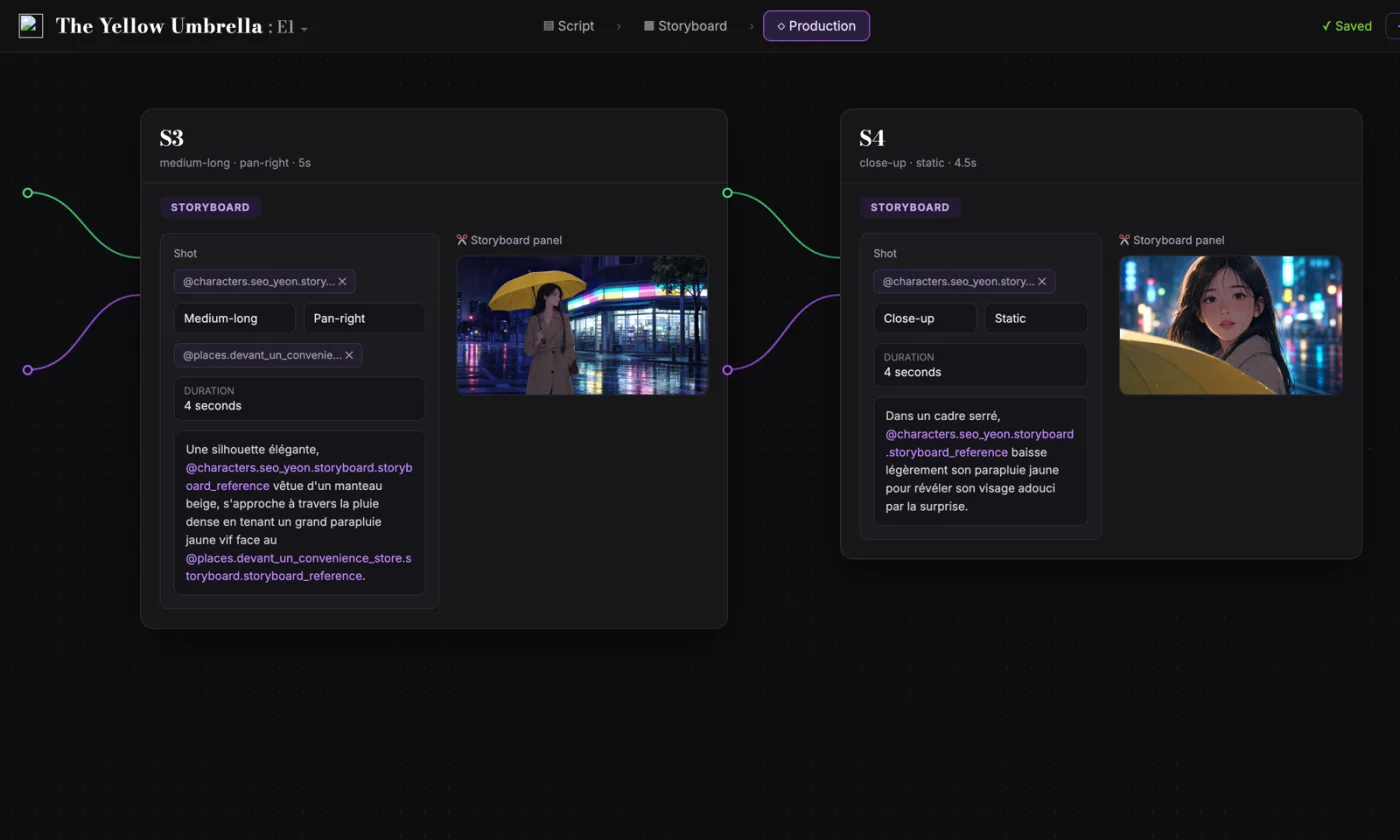
ScreenWeaver trasforma la sceneggiatura in uno spoglio delle inquadrature automatico, poi in uno storyboard. Personaggi, location e riferimenti passano da un'inquadratura all'altra.
- 0 $, senza scadenza
- Export in PDF e Final Draft
- Mac, Windows, Linux, iPad
Calcolatore del piano di lavorazione: la guida completa
Converte le pagine della tua sceneggiatura in giorni di ripresa stimati, giorni di riserva e settimane di calendario, tarati su quanto in fretta la tua produzione attraversa davvero le pagine.
In questo lavoro il problema centrale è chiaro: i giorni di ripresa vengono indovinati solo dal numero di pagine, senza guardare livello di produzione, complessità dell'azione, notturni e cambi di location. Se resta lì, produce attrito più avanti e decisioni più lente. L'obiettivo concreto è una stima difendibile in giorni di ripresa e settimane, da portare nelle discussioni di budget, di troupe e di prenotazione delle location.
Limite da tenere presente: Non legge le tue scene una per una, quindi trattalo come base di pianificazione: una giornata di stunt o gli orari ridotti di un attore bambino possono ancora ridisegnare un piano vero.
Uso avanzato: Gli aiuto registi esperti lo lanciano per atto o per gruppo di location, poi confrontano il totale con uno spoglio scena per scena, per trovare dove la media nasconde una giornata costosa.
Il metodo passo per passo
- Inserisci il numero di pagine da un PDF in formato standard, non una stima da un elaboratore di testo.
- Scegli il livello di produzione che corrisponde alla tua troupe e alla tua attrezzatura, non a quello a cui aspiri.
- Regola con onestà i cursori di complessità: azione, notturni e cambi di location mangiano ore di ripresa.
- Confronta le proiezioni con settimane da 5 e da 6 giorni rispetto alle disponibilità di cast e location.
Casi d'uso per profilo
- Produttore: verificare che il budget proposto copra davvero i giorni che questa sceneggiatura richiede.
- Aiuto regista: avere un quadro di partenza prima di costruire lo spoglio dettagliato nel software di pianificazione.
- Studente: capire perché un corto di 10 pagine non è una giornata sola, prima di promettere un fine settimana a una troupe.
Errori frequenti da evitare
- Applicare ritmi da studio a una troupe a budget minimo, che va molto più veloce con meno copertura.
- Ignorare i notturni, che rallentano ogni reparto e impongono riposi obbligatori nel calendario.
- Saltare i giorni di riserva e scoprire che servivano al primo rinvio per pioggia.
Buone pratiche del mestiere
- Metti il materiale più difficile all'inizio della settimana, mai il primo giorno né dopo un cambio di location.
- Un giorno di riserva ogni cinque di ripresa è il minimo comune, non un lusso.
- Se il calcolatore chiede più settimane di quante il budget ne regga, taglia location prima di tagliare scene.
Tratta quello che esce da questo strumento come un supporto alla decisione, non come un sostituto della scrittura. Una buona sceneggiatura resta in mente per le scelte precise, la precisione emotiva e la chiarezza del movimento drammatico. Gli strumenti servono a togliere il rumore, così la tua energia va dove conta: personaggio, conflitto, escalation e resa. Se rivedi i risultati dopo ogni passaggio e tieni un registro delle modifiche accettate, il tuo metodo diventa più rapido e più prevedibile da una stesura all'altra. È esattamente quello che i collaboratori professionisti apprezzano: meno sorprese, ragioni più chiare e una sceneggiatura che cresce con intenzione.
Domande approfondite
Quante pagine gira una troupe in un giorno?
Un lungometraggio di studio gira in media 2 o 3 pagine al giorno, un indipendente professionale 3 o 5, un basso budget 4 o 6, e una produzione a budget minimo o studentesca arriva spesso a 6 o 8 semplificando la copertura. La complessità sposta questi numeri più del talento della troupe.
Quanti giorni servono per una sceneggiatura di 90 pagine?
Con il ritmo tipico da basso budget di 5 pagine al giorno, un lungometraggio da 90 pagine chiede circa 18 giorni di ripresa più 3 o 4 di riserva. Una produzione di studio a 2,5 pagine al giorno ne chiederebbe 36 o più.
Cosa rallenta di più un piano di lavorazione?
I cambi di location, i notturni con i loro riposi obbligatori, e le scene d'azione o con effetti che richiedono molte inquadrature. Ogni fattore aggrava gli altri.
Settimane da 5 o da 6 giorni?
La settimana da 5 giorni è lo standard nelle riprese sindacali e professionali. Quelle da 6 sono comuni nel basso budget ma aumentano la stanchezza, quindi la maggior parte dei produttori esperti le limita a due o tre di fila.
Quanto è affidabile una stima a pagine al giorno?
È una base di pianificazione, affidabile per le discussioni di budget e per i primi calendari. Un piano vero richiede ancora uno spoglio scena per scena, perché una giornata di stunt o una disponibilità ridotta può ridisegnare una settimana.
Cos'è un giorno di riserva nel piano?
Un giorno tenuto da parte per meteo, malattia, guasti o scene che sforano. La regola comune è un giorno di riserva ogni cinque giorni di ripresa previsti.
Domande frequenti
I lungometraggi da studio stanno in media tra 2 e 3 pagine al giorno, il cinema indipendente professionale tra 3 e 5, le produzioni a basso budget tra 4 e 6, e le microproduzioni o i lavori scolastici arrivano spesso tra 6 e 8 semplificando la copertura. Fattori di complessità come il lavoro notturno e le acrobazie abbassano il ritmo di ogni livello.
A 5 pagine al giorno, circa 18 giornate di ripresa più 3 o 4 di margine. Con un piano da studio a 2,5 pagine al giorno, 36 o più. Il livello di produzione conta più del numero di pagine in sé.
Una giornata di riserva per maltempo, malattie, guasti alle attrezzature o scene che sono andate lunghe. La regola pratica più diffusa è una giornata di margine ogni cinque di ripresa programmate.
Le settimane da cinque giorni sono lo standard professionale. Quelle da sei sono comuni sui budget bassi, ma aumentano la stanchezza e il rischio per la sicurezza, quindi chi produce con esperienza evita di tenerle per più di qualche settimana di fila.
È una base di pianificazione costruita su convenzioni standard di pagine al giorno, affidabile per le discussioni di budget e per i primi calendari. Un piano definitivo richiede comunque uno spoglio scena per scena, perché una sola giornata di acrobazie o un attore con disponibilità limitata possono ridisegnare una settimana intera.
Related tools
Calcolatore di ottavi di pagina
Misura ogni scena in ottavi di pagina dal testo incollato.
Generatore di day out of days
Costruisci la griglia di impegno del cast con codici SW, W, H, WF e totali automatici.
Generatore di liste di spoglio
Crea liste di controllo di produzione, scena per scena.
Generatore di modelli di storyboard
Crea fogli di storyboard stampabili in qualsiasi formato.
You can also browse the full library on /tools.
Core blog guides
- Idea → first draft (process hub)
- Screenplay format guide 2026
- Hidden costs of “free” software
- Affordable software & TCO
- Revision passes (structure → dialogue)
Tecniche cinematografiche
Tecniche cinematografiche da esplorare
Ognuna con una clip, un estratto di sceneggiatura e la riga della lista inquadrature.